
CLOSING THE LOOP FOR A STRONGER CIRCULAR ECONOMY FOR PLASTICS
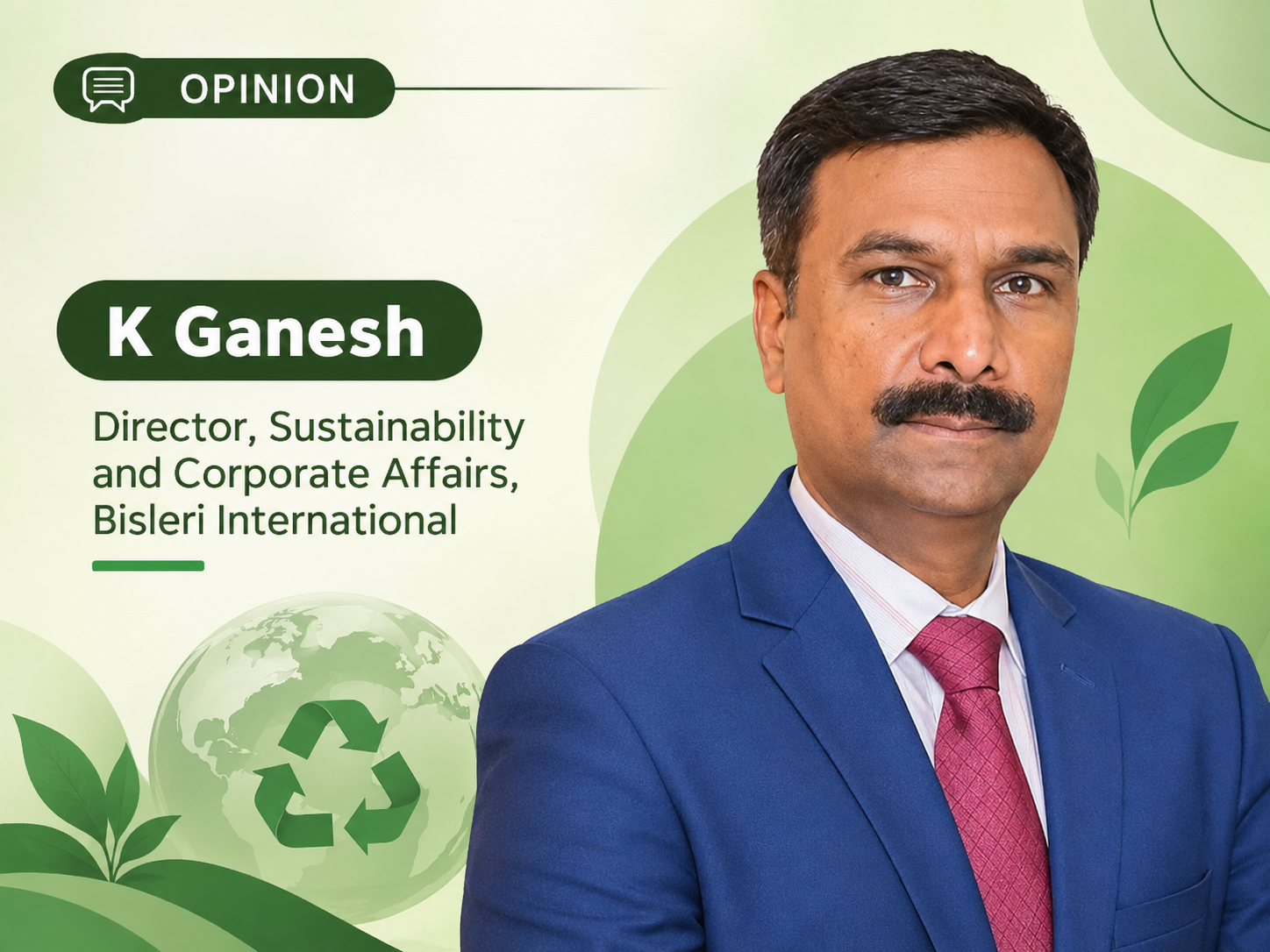
Plastic has become integral to modern consumption and manufacturing, but managing its growing environmental footprint remains a complex challenge for India. Despite policy interventions and increasing attention to recycling, the gap between the generation of plastic waste and its effective recovery raises important questions about the country's approach to resource management. For industry, this is no longer simply a matter of regulatory compliance; it calls for a closer examination of business responsibility and the larger systems supporting sustainable resource use. In this article, K Ganesh, Director, Sustainability and Corporate Affairs, Bisleri International, reflects on the challenges and opportunities in strengthening India's circular economy for plastics.
Explore the full article below:
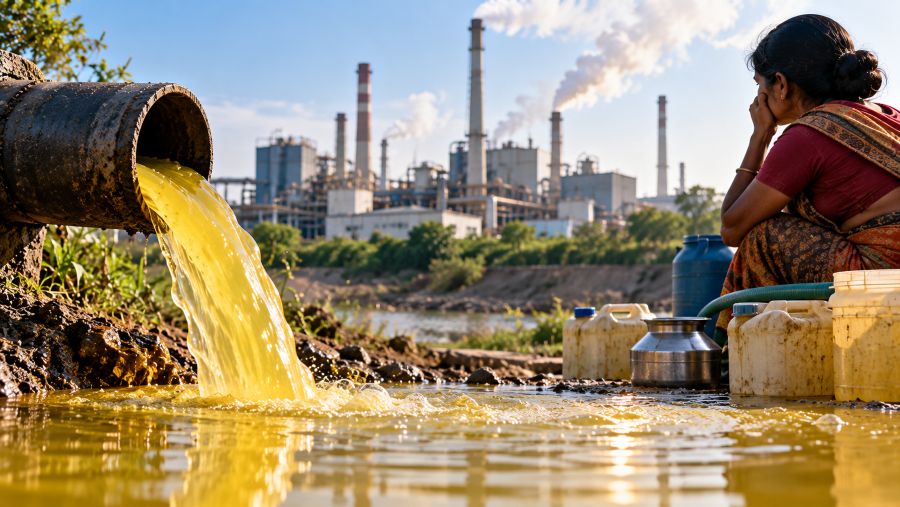
For India, plastic waste management is as much an opportunity as it is a challenge. According to the Ministry of Environment, Forest and Climate Change (MoEFCC), the country has recycled around 20.7 million tonnes of plastic packaging waste since Extended Producer Responsibility (EPR) came into effect in 2016. Further, the Indian recycled plastics market is projected to reach USD 3.81 billion by 2032, growing at a compound annual rate of over 10%. Despite the volume of post-consumer plastic recycled and its potential economic value, a huge amount of plastic waste ends up in landfills, water bodies, and as roadside litter. Even with robust policies in place, plastic waste continues to damage the environment and disrupt wildlife and community ecosystems.
This points to persistent gaps in the used plastic collection and recycling ecosystem that need to be addressed. We have EPR guidelines in place, but their effectiveness depends on well-connected systems for source segregation, collection, sorting, processing, reuse and recycling.
Gaps in the Ecosystem
The 2025-26 Economic Survey of India finds that door-to-door collection of municipal solid waste (which includes plastics) covers 98% of urban wards. However, better collection coverage doesn’t necessarily translate to better recycling numbers.
A major issue is segregating materials at the point where waste is generated. In households, dry, wet and sanitary waste are often put into the same bin rather than being separated by category. This practice not only makes it difficult to sort waste later but also contaminates it, reducing the volume available for recycling.
In many cases, the material itself may not be suitable for recycling or may have little scrap value. Flexible or multi-layered plastics, made by strongly gluing layers of different materials, like paper or metal, to plastic are difficult to recycle. Separating these layers requires specialised treatment. Such waste is generally not accepted by recyclers that use conventional methods or machinery. Centre for Science and Environment estimates that flexible plastics form about 66% of registered plastic packaging.
Therefore, to drive the circular economy in India, we must look at the whole picture and not view recycling as a collection of isolated factors.
Responsible Business Practices Underpin Recycling Ecosystems
The choice of packaging materials and their uniformity influence recycling decisions long before products reach the consumers. Businesses must consider the entire lifecycle of plastic packaging, beginning with its design and choice of material.
While EPR covers minimum recycling rates, reuse and recycled-content use based on the category of plastic used, its intended effect will remain incomplete without infrastructure and partnerships that support recycling. This is where CSR efforts can be directed to make segregation, collection, sorting and transportation more robust.
What Going Beyond EPR Looks Like in Practice
Awareness campaigns, community engagement and demonstrations of segregation practices can help people adopt responsible waste management habits. Changing mindsets about the perception that all plastic being disposable is a major part of this effort. When people feel nothing useful can be made from a plastic bottle, they tend to discard it rather than consider it as raw material for a different product. Informing people and showing them products made from recycled plastic encourages a shift in their perspectives and can lead to more responsible behaviour.
Even those who are aware and willing to segregate waste cannot do so without a larger ecosystem. Investing in waste collection services and infrastructure, in the form of material recovery facilities (MRF) and vehicles for transportation, can help strengthen collection at community and institutional levels. Since MRFs sort dry waste, including paper, plastic, metal and glass, they can support recycling for a broad range of materials.
Supporting infrastructure also opens up pathways for employment creation and formalisation of the roles of Safai Sathis and waste workers. Partnering with local self-help groups and grassroots NGOs can help generate employment at local levels. Safai Sathis and other waste workers who enter a formalised system can benefit greatly with entitlements like health coverage and safe working conditions.
Finally, businesses can collaborate with municipal corporations and other governance bodies for widespread implementation. For example, Bisleri's partnership with the Pimpri Chinchwad Municipal Corporation brings together community awareness initiatives and collection and segregation infrastructure, with the aim of collecting 360 MT of plastic annually for recycling. Its partnership with Tiruvallur Municipal Corporation aims to collect around 480 MT of plastic annually for recycling.
Improving Economic Viability for Recycling
Strengthening these systems can also help unlock the economic potential of recycling. Creating reliable markets for recovered materials is vital for financially sound waste management.
While businesses can create demand for recycled plastics through procurement practices and partnerships with recyclers, the government can complement these efforts through targeted incentives. These could include financial support for recycling technology, affordable credit for small recyclers and recovery facilities, and incentives for procuring recycled materials for use in various products.
Such measures can help reduce investment barriers and encourage stakeholders on both the demand and supply sides.
A Strong Circular System is a Matter of Convergence
An ecosystem, in essence, is the sum of all interactions among its components. The same goes for recycling. From producers and consumers to workers, recyclers and the government, all stakeholders play a role that cannot be carried out in isolation. Packaging design, community participation, strong recovery mechanisms and economic incentives ultimately contribute to a better environment and more livelihood opportunities. Strengthening these connections is critical to building a circular economy where resources are valued longer, waste is minimised, and the benefits of recycling extend to both people and the planet.