
Sports for Social Development: Building Inclusive, Healthy and Future-Ready Communities
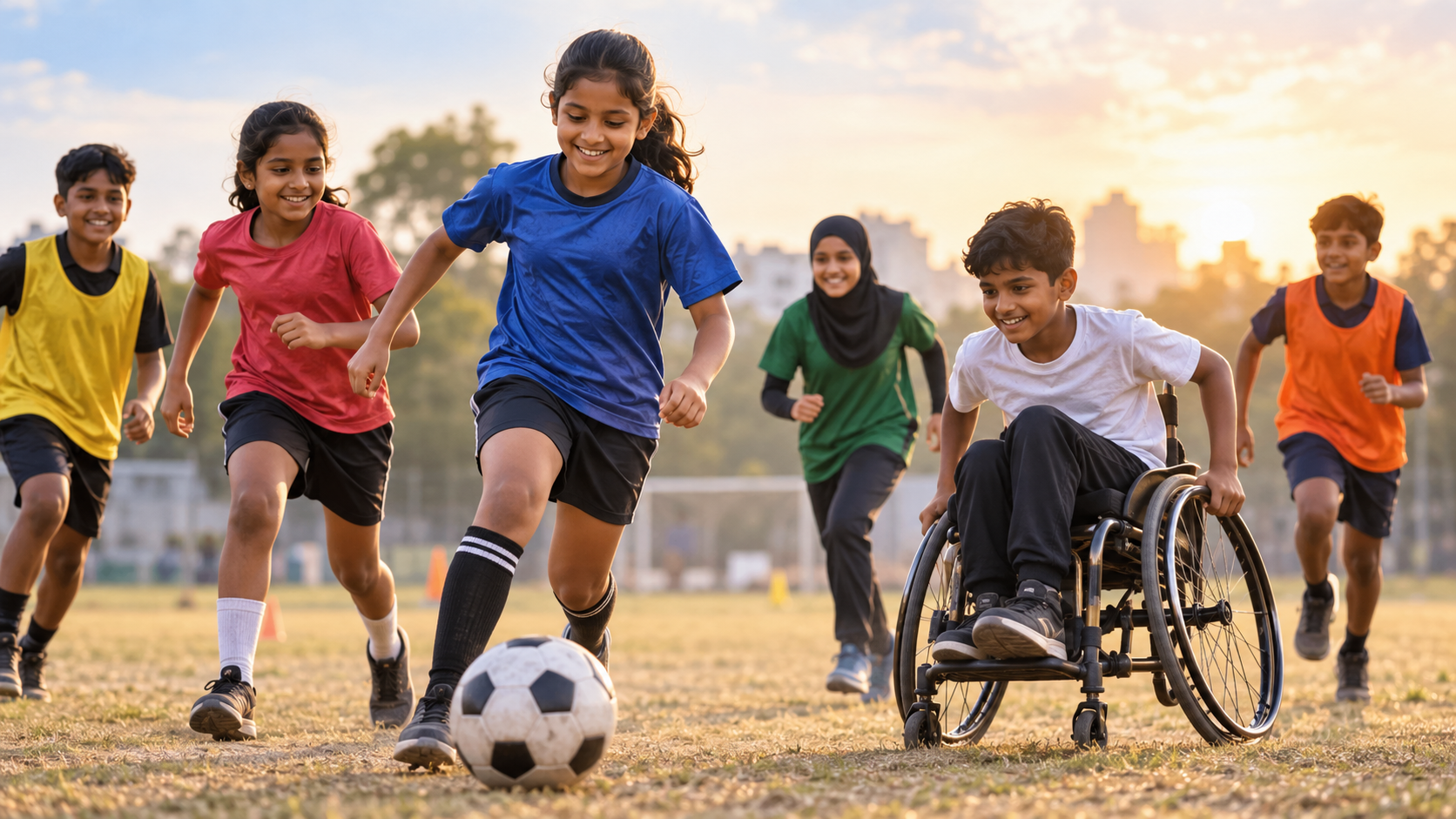
A sports field can be many things: a place to compete, a space to build fitness, a training ground for athletes. But for millions of children and young people, particularly those growing up with fewer opportunities, it can also become a classroom, a safe space, a source of confidence and, sometimes, the first place where they begin to imagine a different future.
That broader role of sport is gaining increasing attention in India's development landscape. Across schools and communities, sports programmes are being used not only to encourage physical activity, but also to strengthen learning, social-emotional skills, gender equality, inclusion and youth development. For some young athletes, they are also opening pathways to higher education, employment and competitive sport.
The shift is from seeing sport as an end in itself to recognising it as a means to a larger developmental goal.
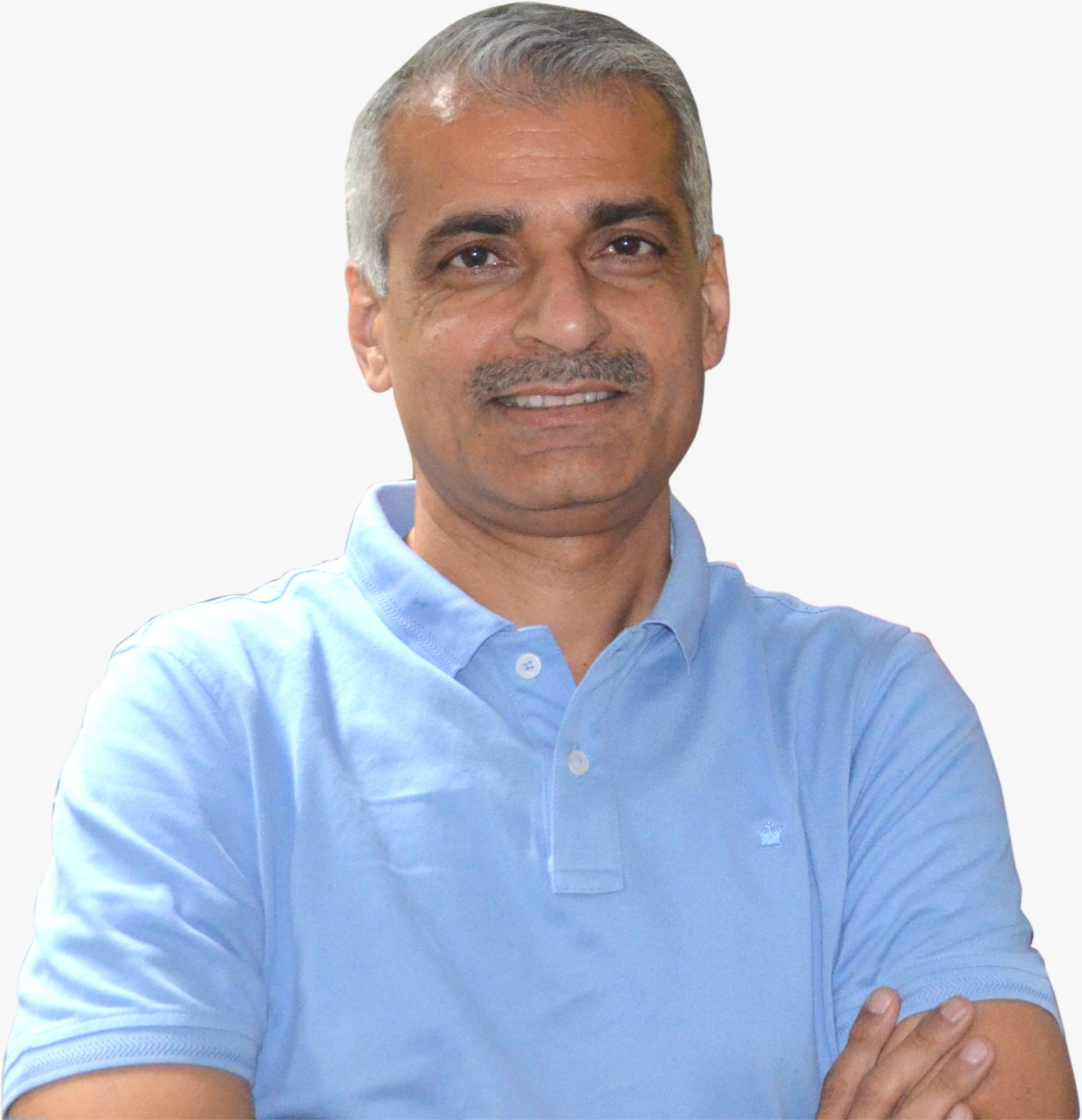
“Sport is a powerful entry point because it starts with something children already want to do: play,” says Mr. Parminder Gill, Cofounder at Sportz Village. That motivation, he adds, creates an opportunity to work on outcomes that can be harder to address through traditional interventions alone.
The experience of organisations working on the ground suggests that the potential is significant. But converting that potential into sustained impact requires more than putting children on a playing field. It requires programmes that deliberately connect sport with education and life skills, address barriers to participation, create pathways for progression and build the institutional capacity to sustain them.
“Sport is one of the few platforms that naturally brings people together across differences,” says Kalash Kaushal, Youth Leadership & Capacity Building | Education & Gender Equality. “It creates an environment where children can learn teamwork, communication, discipline, resilience and leadership while participating in something they enjoy.”
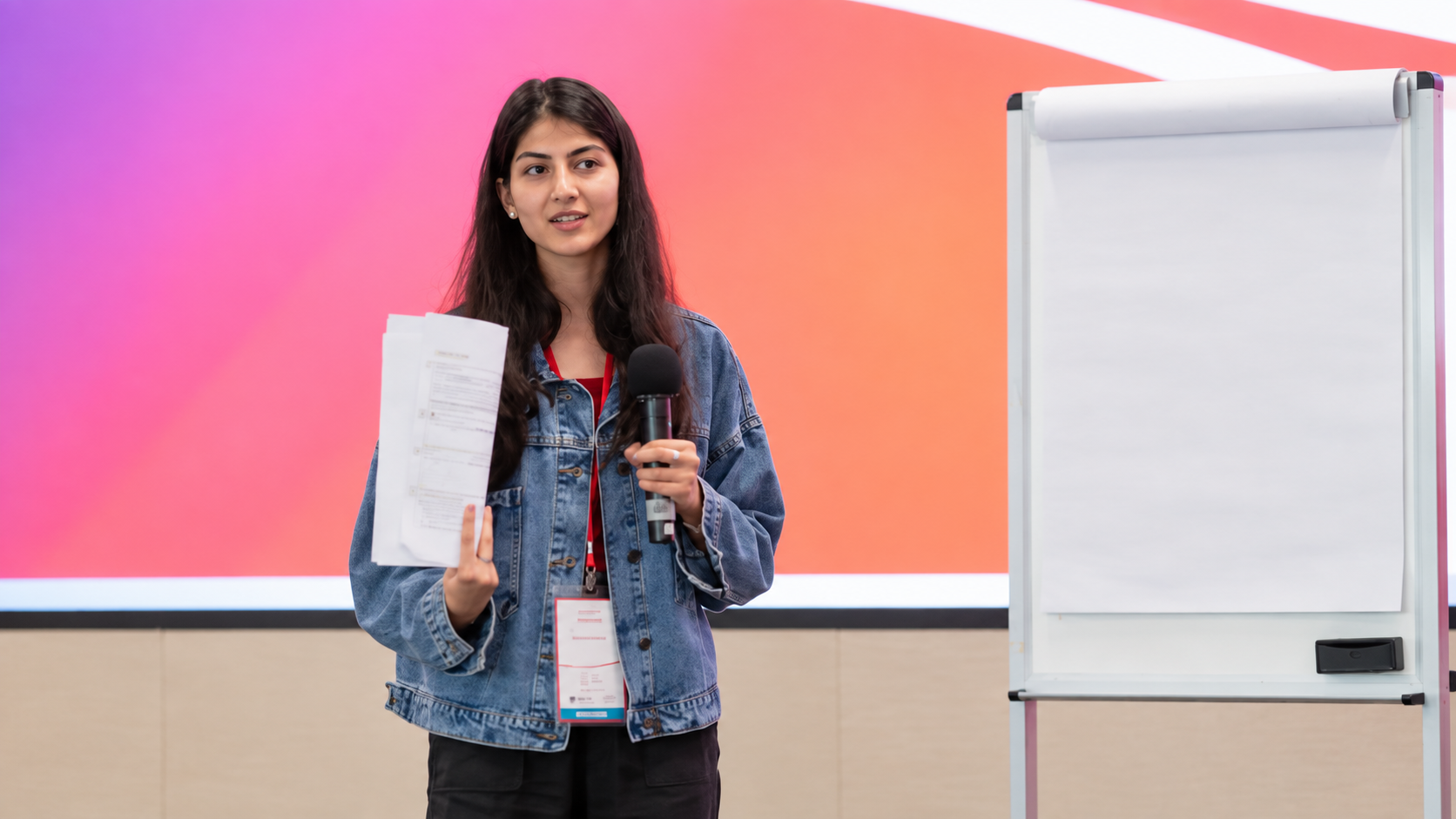
That combination—learning through participation—is perhaps what gives sport its distinctive developmental potential. But converting that potential into sustained impact requires more than putting children on a playing field. It requires programmes that deliberately connect sport with education and life skills, address barriers to inclusion, create pathways for progression and build the institutional capacity to sustain them.
When the Playing Field Becomes a Classroom
Education does not stop at the classroom door. On a sports field, children have to communicate, make decisions, follow rules, manage setbacks and work towards a shared goal. Skills that may be introduced theoretically in a classroom can instead be experienced in real time.
This is particularly relevant for children from underserved communities, where access to safe spaces, mentors and opportunities to discover their potential may be limited.
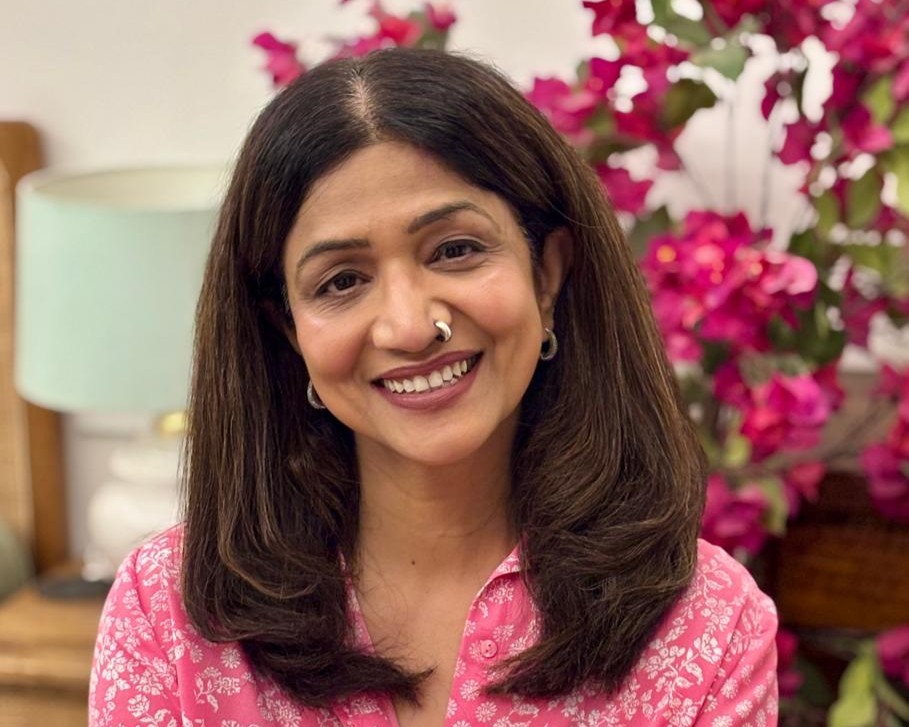
“Sport is an enabler of education because education does not happen only in classrooms…it happens on the field, through experience, relationships and the opportunity to apply what young people learn,” says Nidhi Shukla, Co-CEO, Girl Rising.
There is programme-level evidence supporting this connection. Sportz Village reports that children attended school at 90% on sports days compared with 74% on non-sports days. By endline, attendance was 82% versus 62%. The programmes also reported that 55% of students improved their grades between baseline and endline.
Other indicators recorded changes in classroom engagement: participation improved by 13%, homework completion by 11% and attentiveness by 10%.
These figures are reported programme outcomes and do not, on their own, establish that sport caused the changes. They nevertheless illustrate the kinds of educational indicators that Sport for Development programmes are beginning to track alongside participation.
The same approach applies to social-emotional learning. Sportz Village reports a 28% improvement in Social-Emotional Learning scores among youth aged 12–18 across its programmes, with individual partnerships recording improvements of 29.5% and 54%.
The significance lies in the opportunity to practise skills rather than simply learn about them. A child navigating a team, responding to a setback or taking responsibility for a decision is applying concepts such as teamwork, resilience and leadership in a real-world setting.
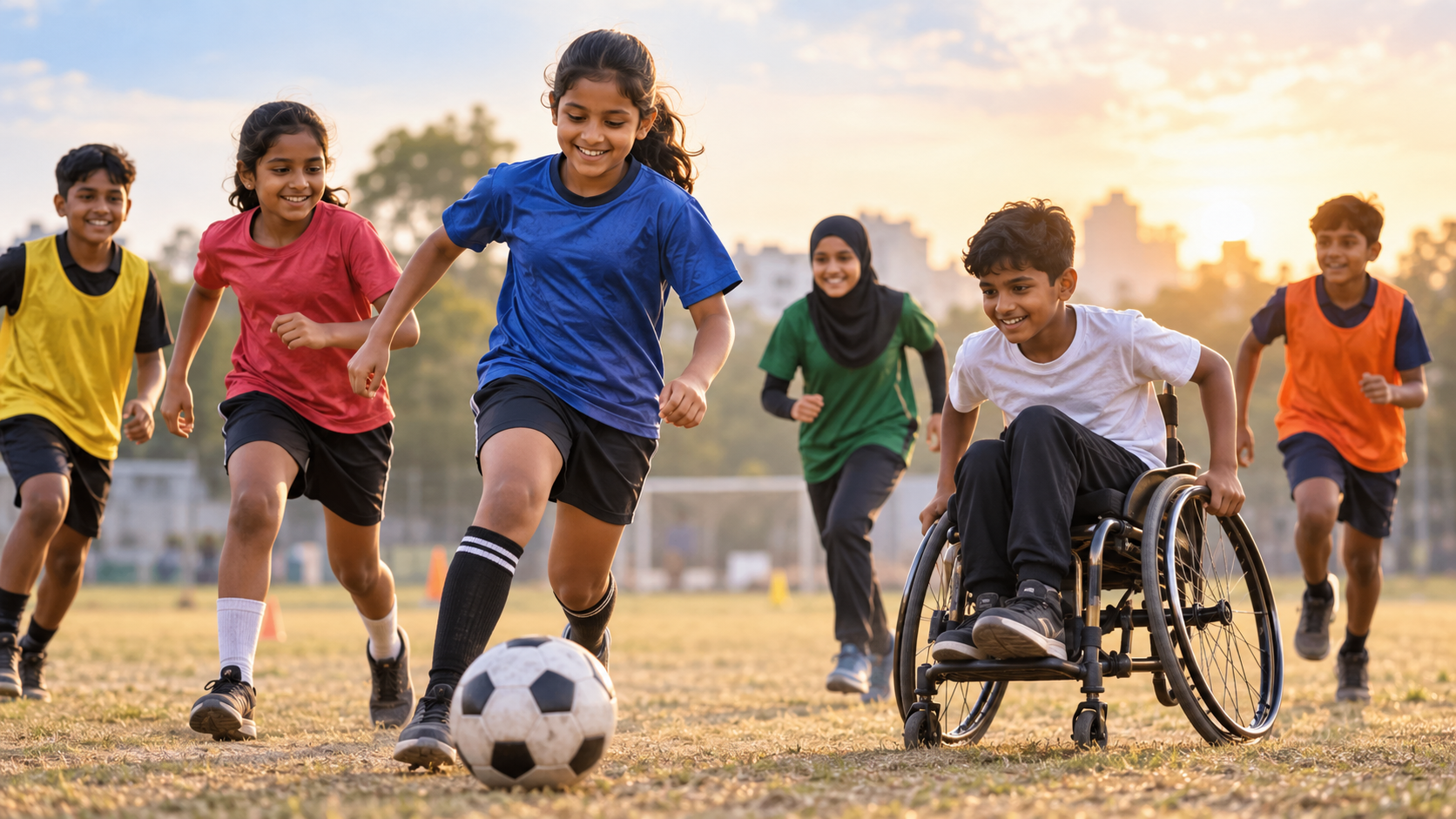
School-based and Unified Sports programmes can extend this approach further. Kaushal notes that bringing young people with and without intellectual disabilities together as teammates can create opportunities for friendship, communication and leadership, while also offering space to challenge assumptions about disability through shared experience.
That makes the question of measurement increasingly important. Rather than asking only how many children participated, programmes need to examine what changed during and after participation.
Inclusion Begins Before the First Match
The playing field may be open, but access to it is not always equal.
For girls, children from marginalised communities and persons with disabilities, barriers can begin long before a game starts. Safety, transport, affordability, family support, infrastructure, equipment and access to trained coaches can all influence whether a child participates—and whether they remain involved.
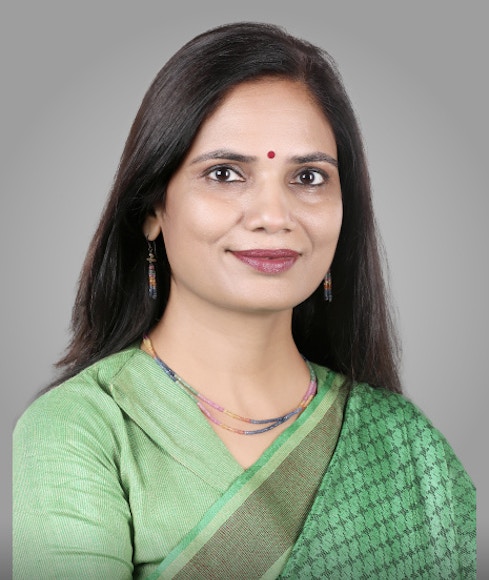
“The first barrier is often not the absence of sporting talent; it is the absence of opportunity,” says Dr. Nidhi Pundhir, Senior Vice President and Global Head of CSR at HCLTech and Director, HCLFoundation.
For girls, social and gender norms can be particularly restrictive. Concerns around safety, inadequate sanitation facilities, limited family support and the availability of female coaches can affect participation and retention. Children from marginalised communities may face economic and geographical constraints, while persons with disabilities can encounter inaccessible infrastructure, limited adaptive opportunities and a shortage of coaches trained in inclusive practices.
The response, therefore, has to extend beyond simply providing a playground.
“Inclusion cannot be treated as an additional component of a sports programme. It has to be embedded in the way the programme is conceived, delivered and measured,” Pundhir says.
That can mean adapted equipment, accessible facilities, transportation, nutrition support, scholarships, specialised coaching and engagement with families and communities, depending on the context.
HCLFoundation's Sports for Change programme has cumulatively supported 474 para-athletes, with dedicated interventions including equipment, training and competition opportunities. The experience of para-athlete Ayush Verma illustrates what sustained, individualised support can involve: professional coaching, adaptive equipment, physiotherapy, nutrition, mental-health support and financial and travel assistance for competitions. His sporting record includes gold-medal performances at the 2023 IWAS World Games in Thailand and the 2025 World Para Athletics Grand Prix in New Delhi.
Axis Bank has similarly made para-inclusion a core element of its sports CSR portfolio. Its partnership with OGQ supports athletes and para-athletes through coaching, sports science, nutrition, mental conditioning and rehabilitation.
The broader lesson from these programmes is not that identical interventions produce identical outcomes. Rather, meaningful inclusion requires understanding the specific barriers faced by different groups and designing support around them.
Girls in Sport: From Access to Agency
Gender is one area where sport can provide a particularly visible test of whether social norms are changing.
The barriers are not simply about whether girls have a field to play on. Social expectations, safety concerns, household responsibilities and limited family support can determine whether they are permitted and encouraged to participate.
Girl Rising's RISE Premier League in Bilaspur illustrates how sport can create opportunities to challenge those expectations through experience. Girls and boys played together in an organised mixed-gender cricket league, with girls taking on leadership roles.
Himani Yadav, a Class 12 student and first-time captain, put lessons on confidence and gender equality into practice by making decisions and leading her team on the field.
“It feels special to come together, play, support each other... and show that the game belongs to everyone, girls and boys alike,” she said.
The experience also gave boys and girls an opportunity to interact as teammates rather than through predetermined gender roles. Nagesh Verma, a Class 10 player, highlighted the support he received from his captain Himani, describing the match as being “more about teamwork”.
The programme's significance lies in that lived experience. It provides an opportunity for young people to practise leadership and equality in a setting where those behaviours can be observed by peers, parents and the wider community.
Other programmes show that sustained access for girls can be achieved at scale. Sportz Village reports that nearly 48% of children actively engaged across its initiatives this year were girls, while its Shakti initiative reached 1,022 girls with self-defence training and psychosocial support; 98% demonstrated self-defence awareness.
HCLFoundation's Sports for Change programme reports 55% girls among 74,449 students reached cumulatively, while its football initiative across six villages in Rajasthan has engaged more than 250 girls. Since 2022, girls from the programme have progressed to state-level competitions.
These figures demonstrate reach and progression within specific programmes, while the experiences from Bilaspur illustrate how participation can also create opportunities to challenge gender norms. Together, they point to the importance of designing sport not only for girls' participation, but for sustained engagement and leadership.
From Participation to Pathways
Participation, however, is only the beginning.
For Sport for Development to contribute to longer-term youth development, children need opportunities to progress—whether towards advanced coaching, competitions, scholarships, education, employment or leadership.
This is where the distinction between an activity and a pathway becomes important.
Sportz Village has reached 1,098 young people through career counselling, while its HCLFoundation partnership resulted in 15 college admissions through sports quota and 20 national-level athletes emerging from the programme.
HCLFoundation's cumulative data reports 178 sports-quota admissions and 51 employment outcomes through sports among SFC-supported athletes.
Its work with the Bedia community in Madhya Pradesh offers another example of how sustained engagement can connect sport with broader developmental opportunities. The programme reached 1,000 children across five villages, with 993 remaining enrolled in school and seven recorded as dropouts. Several girls progressed from participation in football to district, zonal and national-level competition.
These figures should be read as outcomes of the respective programmes rather than evidence that sport alone produced educational or employment outcomes. But they demonstrate the potential of structured sporting programmes to connect participation with wider opportunities when appropriate pathways and support systems exist.
For athletes with high potential, those pathways can extend into elite sport. Axis Bank's Judo Development Program with the Inspire Institute of Sport provides young female judokas from Manipur with access to training, education, mentorship and residential support. Its other high-performance partnerships integrate coaching with sports science, medicine, psychology and performance support.
Sportz Village's PathwayZ programme in Jharkhand provides another example: through the Raftaar programme, athletes from tribal communities were identified and supported, with athletes going on to win gold at the Khelo India National Tribal Games in their first year.
The wider point is that not every child needs to become an elite athlete for sport to have developmental value. A meaningful pathway may simply mean continued participation, stronger life skills, educational opportunity or a route into employment. The system needs to make room for different forms of progression.
The Challenge of Scale
If the potential is clear, the next question is whether these models can be sustained and replicated.
This is where the sector encounters some of its most difficult challenges.
Successful programmes can depend on exceptional coaches, strong local leadership, specialised institutions or a particular community ecosystem. Infrastructure can be replicated more easily than the human and institutional capacity required to use it effectively.
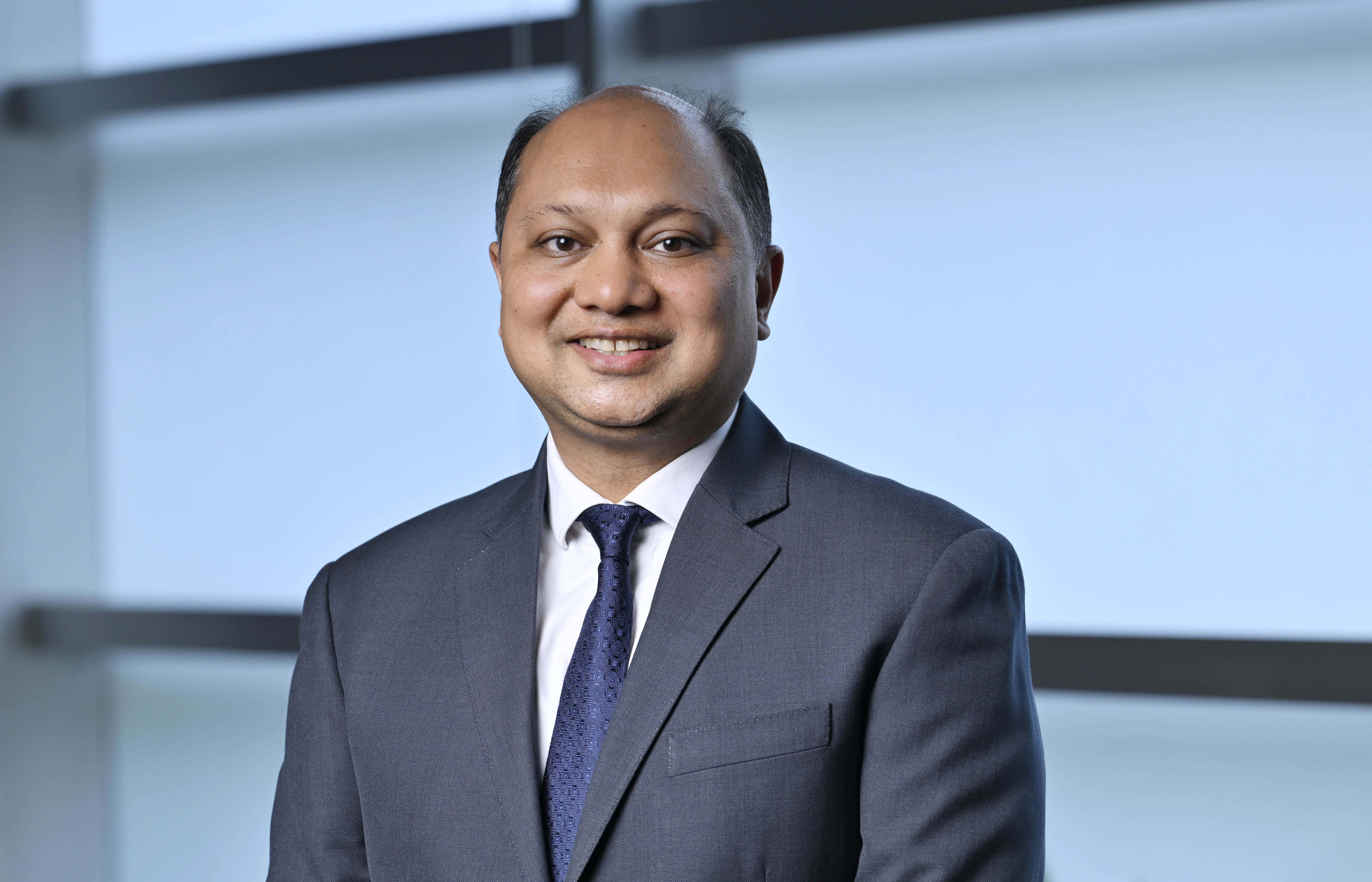
“Sustainable scale comes from building strong institutions, evidence-based systems, and long-term support structures,” says Abhejit Agarwal, SVP & Head – Sustainability & CSR, Axis Bank.
Measurement is another challenge. Participation, competition results and medals are relatively straightforward to record. Confidence, resilience, leadership, changing gender attitudes, inclusion and aspiration are more complex and often develop over longer periods.
Dr. Pundhir argues that measurement frameworks therefore need to capture both quantitative and qualitative outcomes: participation and retention, school attendance, fitness and sporting progression alongside life skills, confidence, inclusion and social attitudes.
Kaushal similarly stresses the importance of moving from measuring “how many participated” to understanding “what changed because they participated”.
That shift can also influence programme design. If confidence, leadership or inclusion are intended outcomes, they need to be built into curricula, coach training and monitoring systems from the beginning rather than assessed only at the end.
Capacity building is equally important. In rural Maharashtra, Sportz Village has trained community members and local youth as coaches, helping retain knowledge and delivery capacity within the community. Kaushal points to the need for continuous training for teachers, coaches, volunteers and community leaders if inclusive sport is to expand without compromising quality.
And then there is continuity.
A child being introduced to sport is only the first step. Sustained participation may require equipment, coaching, transportation, nutrition, scholarships, competitions or progression opportunities. Without these, programmes risk becoming short-term experiences rather than longer developmental journeys.
Building a Shared Ecosystem
The scale challenge ultimately brings the conversation back to collaboration.
Government can provide policy frameworks, public infrastructure, institutional reach and integration with education systems. CSR and philanthropy can provide patient, multi-year capital for innovation, inclusion and capacity building. Corporates can contribute technology, professional expertise, volunteering and infrastructure. Sports organisations and federations bring coaching, technical expertise, competition structures and progression pathways.
Schools, parents and communities remain indispensable because they influence whether children can participate consistently.
“No single stakeholder can build this ecosystem alone,” is a common thread across the perspectives shared by the experts.
The more important question, therefore, is how these contributions can be connected.
Sportz Village's #SportForChange Roundtable Series across Delhi, Bengaluru and Mumbai has sought to bring CSR leaders, policymakers and practitioners into a common conversation around sport as an evidence-backed development tool. HCLFoundation's partnerships with government and specialised sporting institutions similarly illustrate how different forms of expertise and support can come together.
The emerging opportunity is to move from transactional partnerships towards shared-impact models. Rather than different organisations running parallel programmes, stakeholders can align around outcomes such as increasing sustained participation among girls and children with disabilities, strengthening youth leadership, improving physical and mental well-being, supporting educational engagement or creating pathways for sporting progression.
Dr. Pundhir believes the opportunity now is to move towards a more integrated ecosystem where stakeholders agree not only on how many children participate, but on what sport is expected to achieve for them. This shifts the focus from participation alone to the longer-term outcomes that sport can help create.
That is a more demanding proposition—but potentially a more meaningful one.
Beyond the Scoreboard
India's sporting ambitions are often measured through medals, rankings and elite performance. Yet another sporting story is being built in school grounds, rural communities, tribal regions and underserved neighbourhoods.
It is a story of access, participation and possibility—but also one that requires careful attention to what can actually be attributed to sport-based interventions.
The evidence available from these programmes shows measurable outcomes in areas such as attendance, grades, Social-Emotional Learning, girls' participation, para-athlete support, sports-quota admissions and sporting progression. At the same time, some of the wider social changes discussed by practitioners—such as changing attitudes, greater agency or stronger community acceptance—are best understood as intended outcomes, observed experiences or potential pathways that require sustained measurement.
That distinction matters because the future of Sport for Development will depend not only on telling compelling stories, but on demonstrating what works, for whom, under what conditions and over what period.
The strongest models appear to share several characteristics: they connect sport with broader developmental goals; design inclusion from the outset; invest in coaches and local capacity; create progression pathways; measure more than participation; and rely on partnerships that extend beyond a single funding cycle.
Ultimately, sport cannot solve India's education, health, gender or inclusion challenges by itself. But it can provide a powerful platform through which children and young people experience teamwork, leadership, discipline, confidence and belonging—and, where the right systems are in place, access pathways to education, employment and sporting opportunity.
The question, then, is no longer simply how many children can we get to play?
It is: what can children and young people gain from sport—and what kind of ecosystem do we need to ensure that those gains last?
The answer may determine whether India's playing fields remain simply places where games are won and lost, or become spaces where young people acquire some of the skills, confidence and opportunities they need to shape the future.
.jpg)
.JPG)