
Every Child Reading: What Will It Really Take to Deliver on India's NIPUN Bharat Promise?

Foundational Literacy and Numeracy (FLN) is the cornerstone of all future learning. A child who cannot read with understanding or perform basic arithmetic by the end of Grade 3 is far more likely to fall behind and stay behind throughout their schooling life. Recognising this, the Government of India launched the NIPUN Bharat Mission in 2021, with a bold pledge: every child in the country will achieve FLN by the end of Grade 3.
Five years on, progress has been real but the gap remains large. According to ASER 2024, only about one in four children in Class 3 in rural India can read a Class 2-level text, and just one in three can perform basic subtraction. With the 2026–27 NIPUN timeline approaching, the question is no longer whether FLN matters, but what it will take to achieve it at scale, sustain those gains, and ensure no child is left behind.
Against this backdrop, TheCSRUniverse convened a virtual roundtable "Achieving Foundational Literacy & Numeracy at Scale: What Will It Take to Meet India's NIPUN Bharat Goals?" — bringing together five of the country's most seasoned FLN practitioners: Nixon Joseph, Group Executive Director (DEVI Sansthan); Sangita Dandapat, Head - Foundational Literacy and Numeracy, (Kotak Education Foundation); Smitin Brid, Head of Early Years (Direct Programs, (Pratham Education Foundation); Sunisha Ahuja, Director - Equity, (Language and Learning Foundation), and Robin Sarkar, Project Director Shiksha & Dadri Development Program (Shiv Nadar Foundation). Moderated by Ruchika Kumar, the discussion produced a rich, unvarnished blueprint for the road ahead.
Where India Stands: Late Start, Real Gains
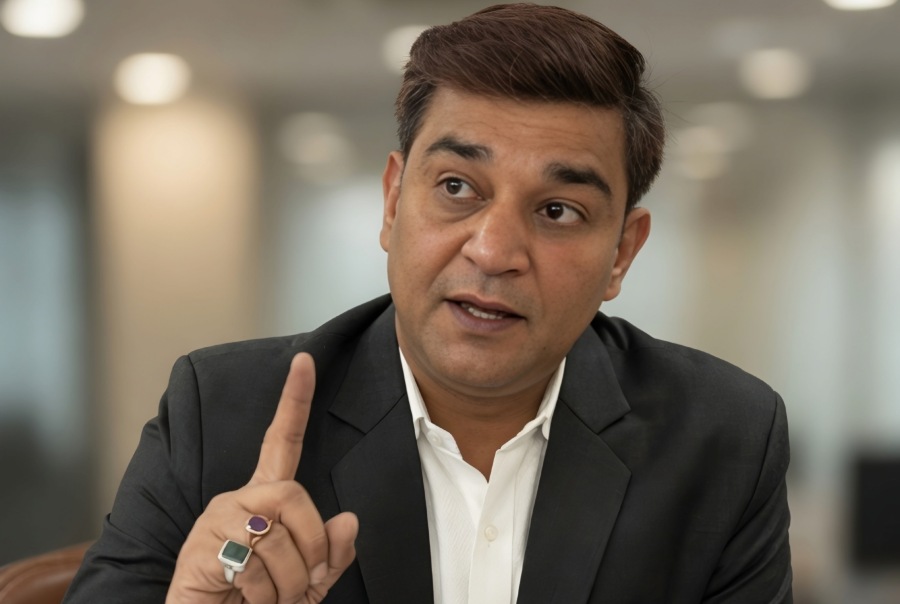
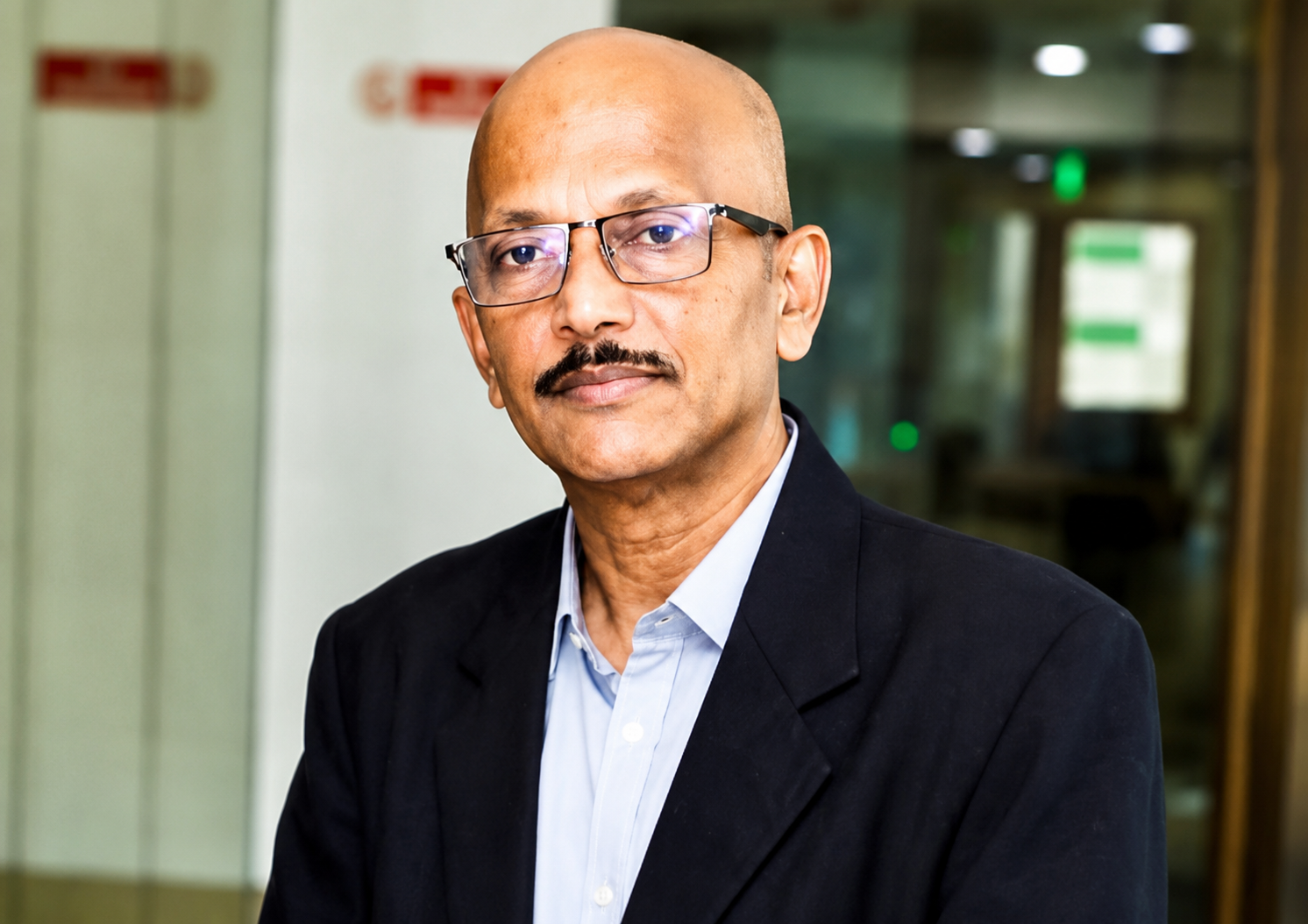 Opening the discussion, Mr Joseph acknowledged that FLN gained national prominence only recently, largely after the National Education Policy (NEP) argued that without foundational literacy, the rest of the policy has little relevance. India entered this journey with a learning poverty rate of around 55%, worsened by the pandemic. Yet ASER 2024 shows meaningful gains over the last two decades proof he said, of what can happen when government, community, civil society and CSR donors align. DEVI Sansthan's own "Alpha pedagogy" has demonstrated that FLN proficiency can be built in government schools in as little as 45 days.
Still, he cautioned, "every year, a cohort moves up without proper FLN and that unpaid debt shows up later as school dropout."
The Long Shadow of Weak Foundations
Mr Sarkar brought a striking observation from the other end of the education pipeline. At Shiv Nadar Foundation's VidyaGyan Leadership Academy, which selects meritorious rural students from Grade 5, the team initially assumed the regular curriculum would suffice. It didn't. A dedicated crash course was needed to bring students up to grade level before mainstream teaching could begin. The same bridging need appears again when economically disadvantaged students reach university. "The gap is not permanent," Robin noted, "but it exists — and it always traces back to FLN."
The Real Barriers: Not Access, But Quality
For Ms Ahuja, India has effectively solved the access problem, a school now exists within a 1-km radius of every child. The unfinished work is quality. She flagged four barriers that continue to hold back progress:
1. Uneven starting points, as many children enter Grade 1 with no preschool or poor-quality preschool, even though NEP treats ages 3–8 as a single continuum.
2. Home-language hesitation, where teachers are reluctant to teach in children's familiar languages, though states like Rajasthan, Chhattisgarh and Jharkhand are tackling this at scale.
3. Underused teaching-learning material (TLM), governments supply plenty, but classroom use is inconsistent.
4. High-stakes assessment, which distorts data and, with it, the decisions built on it.
5. Encouragingly, both ASER 2024 and the government's PARAKH assessment show rural government-school learning improving, in some states even reaching pre-COVID levels, though those were themselves modest.
A System Problem, Not a Teacher Problem
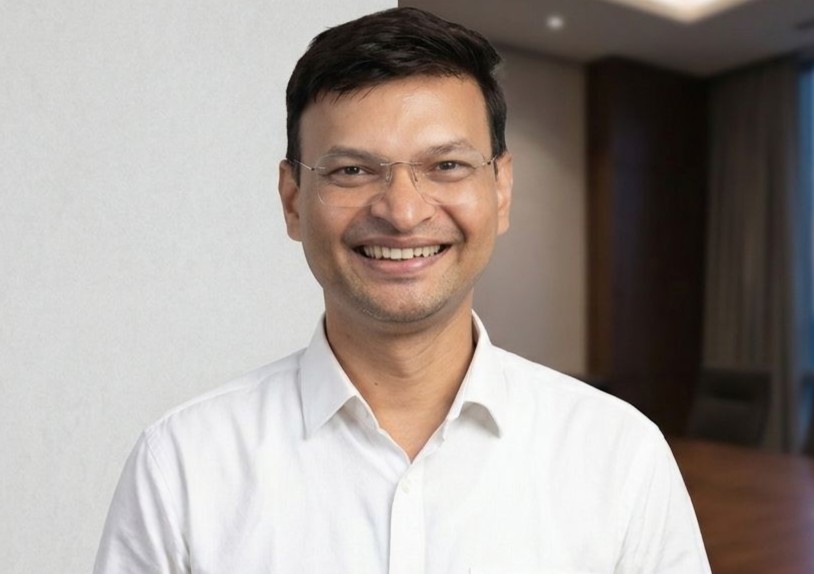 Mr Brid offered perhaps the most reframing observation of the session: the biggest challenge is not teacher willingness but the absence of a strong implementation system. India has good policies, quality materials and large-scale training, yet still expects a single training workshop to transform classroom practice.
He also urged patience: "It took India five decades to reach near-universal school access. Expecting universal FLN in five years is unfair to the system delivering it." At the same time, he stressed, FLN begins at birth, not in Grade 1, early childhood care and school readiness need strengthening, and the jargon of "cognitive and emotional development" must be simplified so families understand their role.
The Teacher at the Heart
 Ms Dandapat reminded participants that behind every FLN statistic sits a teacher, often the only trusted adult for a child stepping nervously into an unfamiliar classroom. Kotak Education Foundation's four-year-old FLN program now reaches over 2,000 schools through a training-of-trainers model that puts the teacher at the centre.
Teachers, she insisted, overwhelmingly want to do well; they simply face enormous logistical constraints large, multilingual classrooms where a child may be juggling three languages. "Our job is to create safe spaces for teachers to voice their needs," she said, "handled contextually, because a teacher in Delhi and one in Maharashtra face very different realities."
The Scale Question: Five Ingredients, and More
The heart of the roundtable turned on a single question: why do promising pilots so often fail to scale? Smitin Brid distilled Pratham's decades of experience into five essentials:
Simplicity — practical enough to fit into a teacher's day without becoming an added burden.
Demonstration — trainers and mentors must model practice in real classrooms, not just deliver theory.
Continuous mentoring — training alone changes nothing.
Government ownership — only the government reaches every child.
Continuous learning and adaptation — programs must keep improving.
"Scale is not about expanding projects. Scale is about strengthening the system," he said.
Nixon Joseph added that pilots fail when they depend on exceptional individuals; real classrooms have ordinary teachers. Any scalable FLN pedagogy must therefore be simple, joyful, visibly successful, continuously assessed, government-own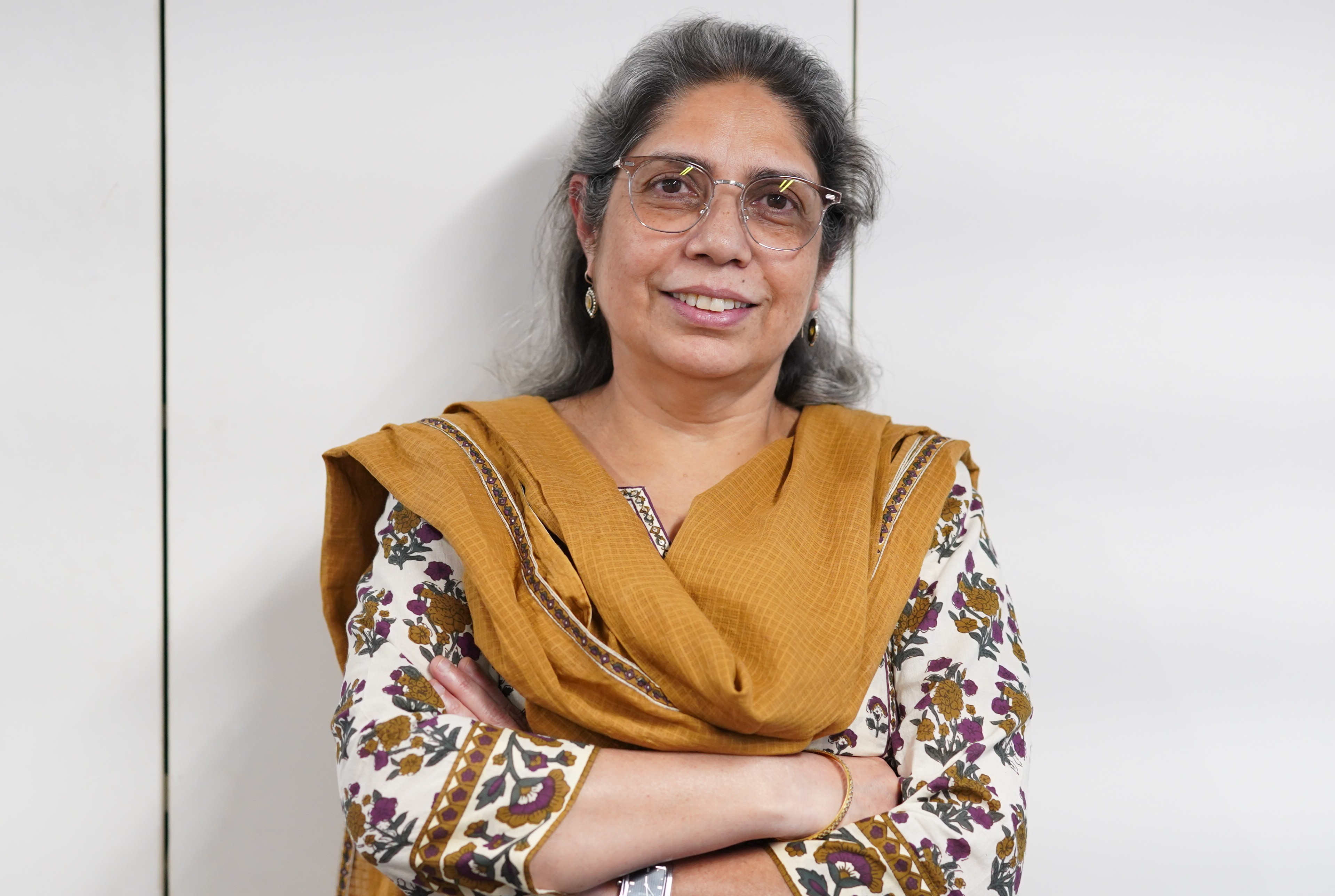 ed, and affordable.
Sunisha Ahuja layered on the ecosystem view: a shared vision across the system, from Chief Secretaries to teachers to parents (as demonstrated in Haryana); co-design with government, not imposition; system-led implementation through existing platforms like cluster meetings and DIET trainings, so nothing collapses when the NGO exits; and iterative, evidence-based design. On infrastructure, she pointed out that the physical scaffolding largely exists — what is missing is human resource infrastructure: academic resource persons, coaches and mentors who can support teachers regularly.
Sangeeta reinforced the shift to measuring outcomes, not input hours children's learning is the only metric that ultimately matters.
The Technology Question: Salt, Not Substitute
On technology and AI, Robin Sarkar offered one of the roundtable's most quoted lines: "We should use technology like salt at an optimum level, knowing where to stop." AI, he argued, is not ready to replace a teacher, and shouldn't in FLN even if it could, the psycho-emotional bond between teacher and child is irreplaceable. In Shiv Nadar Foundation's Shiksha program, AI is deliberately used only for analysis, teacher feedback, and content creation never to teach children directly.
 Toward NIPUN 2.0: What Each Would Change
Asked what they would add or change in NIPUN Bharat, the panellists offered a rich menu of ideas:
- 1. Robin Sarkar: Formally embed ICT in the NIPUN scheme; make first-language instruction effectively mandatory.
2. Nixon Joseph: Combine the right pedagogy with teacher capacity, amplified by technology.
3. Smitin Brid: Don't place the entire FLN burden on teachers, build the ecosystem around the child, especially parents, and use AI to reduce teachers' non-teaching workload.
4. Sunisha Ahuja: Extend NIPUN to Grade 5, and sharpen the equity lens, averages are rising, but lagging districts and declining girls' outcomes need direct attention.
5. Sangita Dandapat: Equip teachers to handle diverse classrooms, multilingual, cultural, gender-diverse and inclusive.
The CSR Opportunity
For India's CSR community, the message was unequivocal. Foundational learning is arguably the highest-leverage social investment the country can make today. But it demands patient capital, long horizons, co-design with government, and outcome-based measurement. Short-term project funding will not move the needle.
In Closing
If one thread united the conversation, it was this: NIPUN Bharat's success will hinge not on any single breakthrough, but on the steady, un-glamorous work of building systems, simple pedagogies, mentored teachers, engaged governments, patient funders, and communities that believe every child can learn.
India has the vision. It has the practitioners. What it now needs, as this roundtable made abundantly clear, is the collective resolve to see it through. Because the cost of failing our foundational learners is a cost no growing nation can afford.
In case you missed any part of the discussion: you may Watch Complete Discussion Here.







.JPG)