
What India's Heritage Sites Need Beyond Conservation
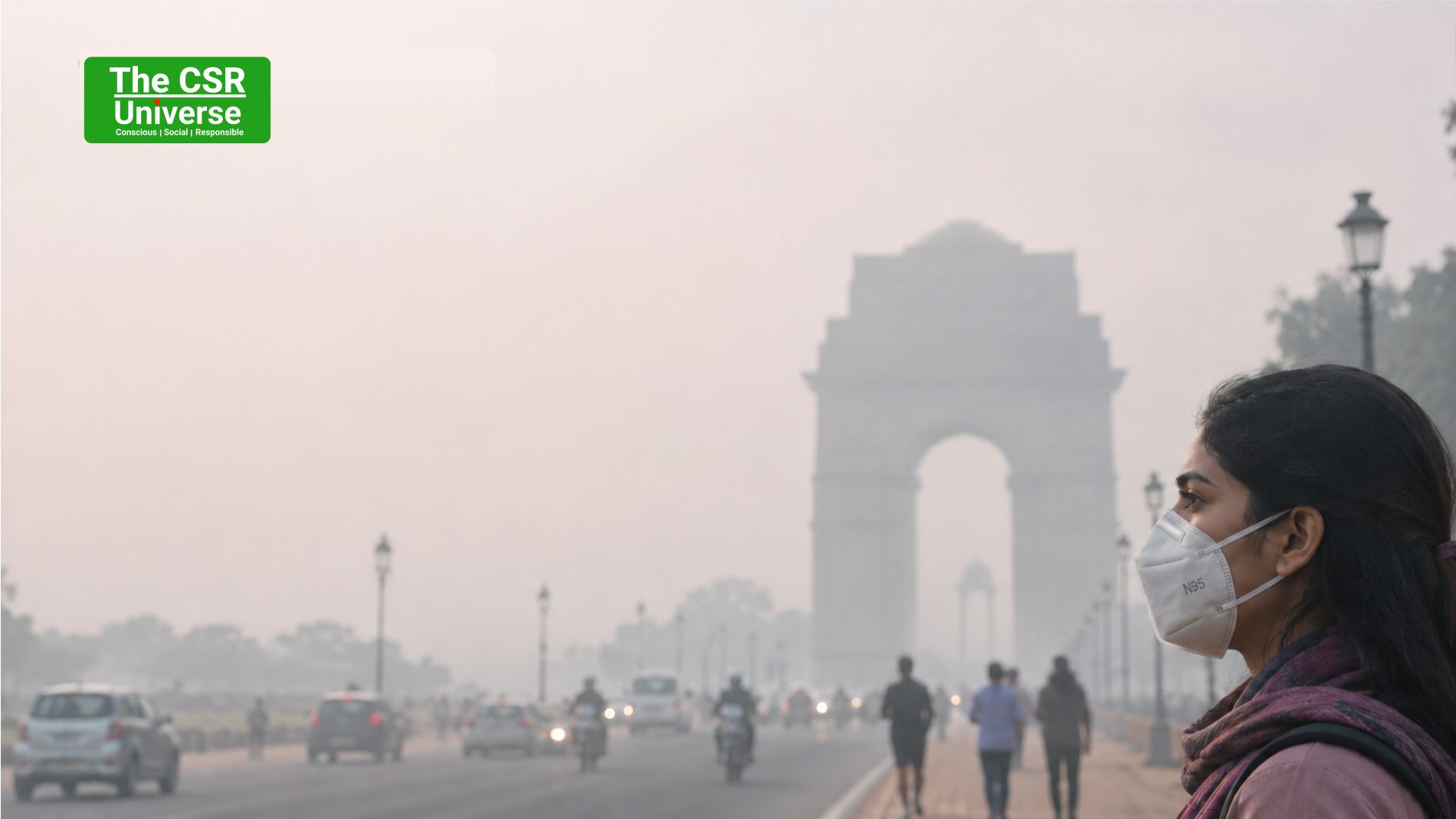
India's heritage sites face a challenge that goes beyond conservation: making them accessible, engaging and relevant to visitors while protecting their historical and cultural value. High visitor footfall also brings concerns around basic amenities, waste management, environmental sustainability and the pressures on surrounding communities.
EaseMyTrip Foundation is seeking to address some of these challenges through its work at heritage destinations, including Qutub Minar, Agra Fort, Konark and Khajuraho. Its approach brings together visitor infrastructure, storytelling, technology, responsible tourism and community participation, with an emphasis on creating value beyond the monuments themselves.
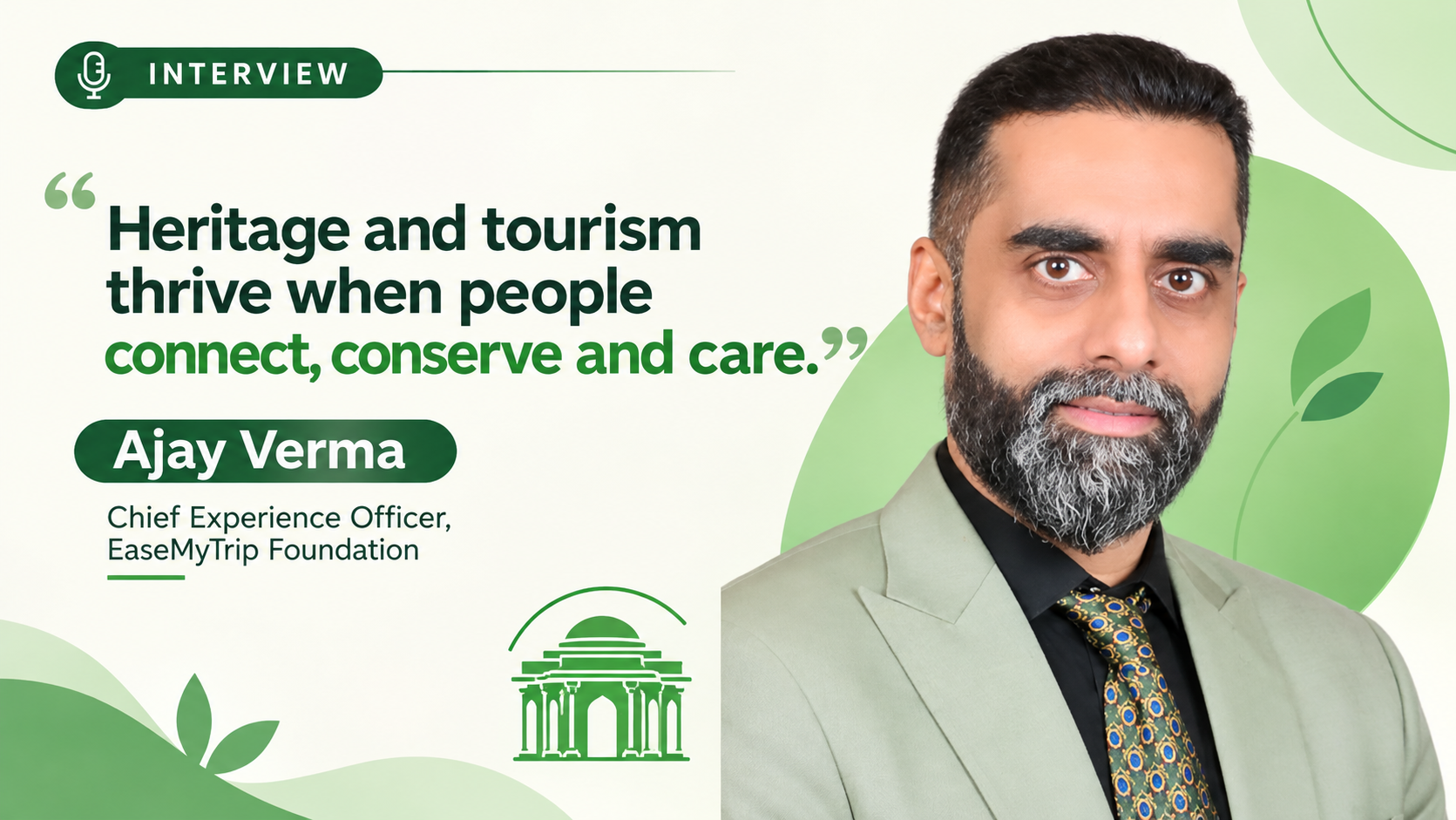
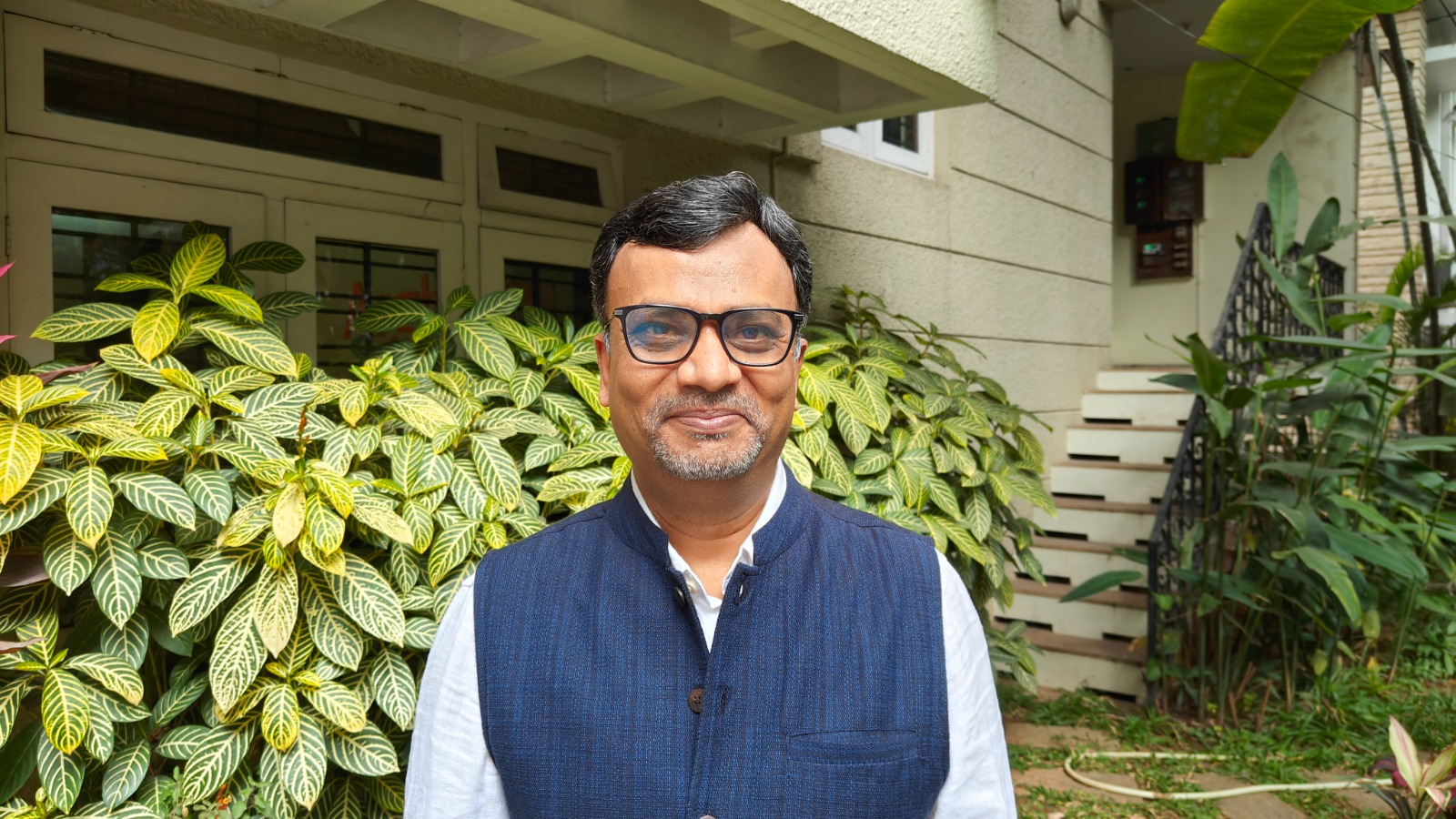
In this interview with TheCSRUniverse, Ajay Verma, Chief Experience Officer, EaseMyTrip Foundation, discusses the role of corporate participation in heritage conservation, the importance of local livelihoods and environmental responsibility, and how CSR can contribute to building sustainable heritage and tourism ecosystems.
Read the full interview below:
Q. You come from a long career in travel and hospitality, where the quality of an experience shapes how people remember a destination. What, in your view, is the biggest gap today between preserving a heritage monument and creating a meaningful, accessible and engaging experience around it?
A. In my view, the biggest gap today is that we have focused far too much on preserving heritage monuments and not enough on bringing their stories to life.
Having spent a long career in travel and hospitality, I have come to believe that people need a compelling reason to travel. In today’s world, where information and visual content are readily available, what truly attracts people is not just what they see, but the stories they discover, the emotions they experience, and the connections they make with a destination.
Every heritage monument has extraordinary stories to tell, of people, cultures, traditions, triumphs and even conflicts. The challenge is to move beyond presenting monuments as historical structures and transform them into living experiences that engage, excite and inspire visitors.
We need to invest in storytelling that is immersive, interactive and accessible to different audiences, using trained storytellers, innovative interpretation, digital experiences and local community voices. The objective should be to make history relatable, create curiosity and leave visitors with a sense of wonder and a desire to explore further.
Q. At a high-footfall site like Qutub Minar, how do you identify and prioritise gaps in basic visitor infrastructure such as food, water, sanitation, accessibility and cleanliness?
A. At a high-footfall heritage site like Qutub Minar, the starting point has to be thorough due diligence across the entire visitor journey, from arrival and ticketing to movement within the monument, access to basic amenities, and the overall quality of the experience. We work closely with ASI officials to identify gaps, understand visitor needs and prioritise improvements. Our approach is structured around four key pillars: amenities; safety and security; hygiene and waste management; and knowledge and visitor engagement.
The first priority is ensuring that essential facilities such as drinking water, food and beverage, clean sanitation, accessibility and waste disposal are adequate, well-maintained and easy to locate. Equally important are safety, security and cleanliness standards that can be consistently maintained despite large visitor volumes. We also believe technology has a critical role to play in improving the visitor experience, from seamless ticketing and digital information to better crowd management and visitor flow. These solutions help reduce friction, improve operational efficiency and enable visitors to spend more time enjoying the heritage itself.
Our objective is to work collaboratively with ASI to deliver world-class visitor experiences and facilitation, while respecting the sanctity and integrity of the monument. At a site like Qutub Minar, success is not just about managing footfall; it is about ensuring that every visitor feels safe, comfortable, informed and inspired. Ultimately, preservation protects our heritage, but storytelling gives people a reason to experience it. If we can bridge this gap, our monuments will become more than places to visit; they will become experiences to remember, share and return to, creating deeper cultural connections while supporting sustainable tourism and local communities.
Q. Heritage sites also face the environmental pressures that come with large visitor numbers, particularly waste generation, littering, water use and pollution. How is EaseMyTrip Foundation approaching waste management and environmental sustainability as part of its heritage initiatives, rather than treating cleanliness simply as a maintenance issue?
A. At EaseMyTrip Foundation, we believe that environmental sustainability at heritage sites must go beyond cleanliness and routine maintenance. It has to be an integral part of how we preserve, manage and present our heritage for future generations. Our approach is guided by global sustainability standards and principles, including the United Nations’ sustainability framework, while recognising the importance of protecting the outstanding universal value of UNESCO World Heritage Sites such as Qutub Minar.
We look at waste management, responsible resource use, hygiene and pollution prevention as interconnected priorities. This means encouraging responsible waste disposal, reducing littering, promoting efficient use of water and ensuring that sustainability is embedded in the everyday visitor experience.
However, infrastructure and operational measures alone are not enough. Every visitor also has a responsibility towards our heritage. We need to foster a sense of ownership and pride among visitors, helping them understand that protecting a monument is a shared responsibility, not just that of the authorities or the organisations managing visitor facilities.
Through awareness, clear communication and collaboration with ASI and other stakeholders, we want to encourage visitors to become active participants in conservation. Our vision is to move from a culture of cleaning up after visitors to a culture of preventing waste and promoting responsible behaviour in the first place.
Q. Heritage tourism can sometimes become about seeing and photographing a monument rather than understanding its history and cultural context. How do you see heritage walks, storytelling and other experiential formats helping visitors develop a deeper connection with these places and making heritage more relevant to today’s travellers?
A. I believe heritage tourism needs to move from content about a destination to stories from the destination. There is a fundamental difference between telling visitors facts about a monument and helping them understand the people, cultures, traditions and events that have shaped its history.
Heritage walks and storytelling can bridge this gap, but the real questions are: Who is telling the story? Whose voice is being represented? And, most importantly, does the visitor leave with a deeper understanding of the place? We need to bring multiple perspectives into the narrative, including local communities, historians, artisans and people whose lives and traditions are connected to the heritage. By combining authentic storytelling with immersive walks, interactive experiences and thoughtful use of technology, we can make history more relatable, engaging and relevant to today’s travellers.
The destination of the future will not be defined simply by how many photographs visitors take, but by what they understand, what they feel and what they carry back with them. The real success of a heritage experience is when a visitor leaves not just with a photograph of a monument, but with a story that stays with them.
Q. A heritage destination does not exist in isolation from the people living around it. How can local communities, artisans, guides, small businesses and other stakeholders become part of the tourism ecosystem, and ultimately benefit from the increased visitor interest?
A. We need to design heritage tourism around the quality of memories we create, rather than simply the number of tourists we attract. For this to happen, local communities must be an integral part of the tourism ecosystem, not merely bystanders to the growth of a destination.
Artisans, local guides, storytellers, small businesses and community members are the people who give a destination its authentic character. Their knowledge, skills, traditions and lived experiences can transform a visit into something far more meaningful. At the same time, tourism must create tangible economic opportunities for these stakeholders, enabling them to benefit directly from increased visitor interest.
This requires a unified approach to community building, bringing together government agencies, tourism operators, local businesses and residents around a shared vision. Equally important is investing in training, capacity building and the development of authentic, well-researched narratives so that local stakeholders can confidently share their stories and deliver quality experiences. At EaseMyTrip Foundation, we are working on initiatives that educate visitors, promote local experiences and stories, and strengthen community participation in heritage tourism. We are also working, in association with various stakeholders, to bring cultural events to iconic heritage sites. These initiatives can help bring monuments alive through music, art and cultural expression, while creating opportunities for local talent and enabling visitors to experience heritage beyond its physical structures.
For us the true measure of successful heritage tourism is not just how many people visit a place, but how much value that tourism creates for the people who call it home. When communities become custodians, storytellers and beneficiaries of their heritage, tourism becomes a powerful force for sustainable development, cultural preservation and inclusive growth.
Q. EaseMyTrip Foundation is working across very different heritage destinations, including Qutub Minar, Agra Fort, the Sun Temple at Konark and Khajuraho. What have you learnt from these experiences so far, and how much does the approach need to change from one destination to another?
A. One of the biggest learnings for us at EaseMyTrip Foundation is that there cannot be a one-size-fits-all approach to heritage tourism. Every monument has its own identity, history, visitor profile and relationship with the surrounding community. Our responsibility is to understand these differences and develop an approach that respects the character of each destination while improving the overall visitor experience.
At Qutub Minar, for instance, the focus is on managing high visitor footfall, improving basic amenities and facilitation, and helping visitors engage more deeply with the monument’s history. At Agra Fort, the scale and richness of its Mughal history offer an opportunity to bring architectural details, historical personalities and cultural narratives to life. At the Sun Temple in Konark, the extraordinary architectural and artistic heritage calls for a deeper understanding of its craftsmanship, symbolism and cultural significance. Khajuraho, meanwhile, offers an opportunity to explore the relationship between art, architecture, philosophy and the cultural context in which these magnificent temples were created.
Across these destinations, we have learnt that improving infrastructure and maintaining cleanliness are essential, but they are only the starting point. The larger opportunity lies in creating experiences that are engaging, accessible, informative and memorable. This requires close collaboration with ASI and other stakeholders, alongside a strong focus on storytelling, visitor awareness, sustainability and community participation. We also recognise that the communities around these monuments are an important part of the experience. Their traditions, skills, art forms and local stories can help visitors connect with a destination beyond the monument itself, while creating opportunities for local livelihoods.
Our approach, therefore, is to maintain common standards across key areas such as amenities, safety and security, hygiene and waste management, and visitor knowledge, while tailoring the actual interventions to the needs of each site. We are working to ensure that every destination delivers an experience that is authentic to its identity and meaningful to its visitors. We want people to leave not just having seen a monument, but having understood something of its history, felt a connection with its culture and developed a greater desire to preserve our shared heritage.
Q. CSR in India has increasingly moved beyond funding individual projects towards building longer-term solutions and ecosystems. In the context of heritage and tourism, what does meaningful corporate participation look like to you, and how can companies ensure that their involvement creates lasting value rather than remaining limited to a one-time intervention?
A. The way forward for India is to bring together Vikaas and Virasat (development and heritage). As a country, we have a strong culture of giving and contributing to society. The opportunity now is to channel more of that collective spirit towards protecting, celebrating and experiencing our extraordinary heritage.
Meaningful corporate participation in heritage and tourism cannot be limited to funding a project or improving a facility for a particular period. It must be about taking long-term ownership, building capabilities and creating an ecosystem that continues to deliver value well beyond the initial intervention. Companies can contribute their expertise, technology, operational capabilities and resources to improve visitor amenities, hygiene, safety, sustainability and accessibility. Equally important, they can help bring heritage alive through storytelling, cultural events, local experiences and community participation. This creates a connection between conservation, tourism and livelihoods, ensuring that the benefits extend to the people living around these destinations.
At EaseMyTrip Foundation, we believe that our responsibility goes beyond supporting individual initiatives. It is about working with ASI, Min of Tourism and Min of Culture along with local communities and other stakeholders to develop solutions that are sustainable, measurable and relevant to each heritage site. The focus must be on continuity, capacity building and creating a sense of collective ownership.
We also need to encourage greater public participation. Heritage cannot remain the responsibility of the government or a few institutions alone. Citizens, corporates, tourism operators and local communities all have a role to play in preserving this legacy. As India progresses, we must ensure that our heritage progresses with us, not by changing its identity, but by improving how we preserve it, present it and pass it on to future generations. That is where CSR can create lasting value: by transforming heritage from something we inherit into something we actively protect, celebrate and take pride in.
Q. How do you measure the impact of these initiatives in terms of visitor experience, heritage engagement, environmental outcomes and local livelihoods, and what is the larger vision for EaseMyTrip Foundation’s work across heritage, culture and tourism?
A. At EaseMyTrip Foundation, we believe that measuring impact goes beyond counting visitors or recording the number of facilities improved. We need to understand whether we are genuinely improving the visitor experience, deepening engagement with our heritage, creating positive environmental outcomes and generating meaningful opportunities for local communities.
Technology plays an important role in this, but our philosophy is to use it as an invisible layer that facilitates the experience rather than competes with the heritage itself. Technology should not distract visitors from a monument; it should help reveal its stories, make access easier and enable a deeper understanding of its significance. We are working towards improving multiple visitor touchpoints, including monument ticketing, crowd management, storytelling and access to authentic guided tours. The impact of these initiatives can be measured through visitor feedback, ease of access, engagement with heritage narratives, improvements in hygiene and waste management, and the participation and economic opportunities created for local communities.
However, the most important measure, in my view, is the quality of the memory a visitor carries home. Are visitors leaving with a better understanding of the monument? Have they connected with its history and cultural significance? Have they developed a greater appreciation for the need to preserve it? These are the outcomes that give our work its true meaning.
Our larger vision is to help build a heritage and tourism ecosystem in which conservation, technology, storytelling, sustainability and community development work together. We want both domestic and international travellers to experience India’s heritage in a way that is seamless, engaging and emotionally enriching.
This vision, however, cannot be realised by one organisation alone. Our work at iconic UNESCO World Heritage Sites requires a collective effort. We invite corporates, philanthropic organisations, institutions and individuals to join this initiative and support EaseMyTrip Foundation in its efforts at adopted heritage sites. This is a shared philanthropic endeavour that needs wider participation, collaboration and sustained support to create a lasting impact. Together, we can ensure that India’s heritage remains a source of pride, inspiration and learning for generations to come.


.png)