
Empowering Women Through Digital Entrepreneurship and Financial Inclusion
Women’s economic empowerment goes beyond access to financial services. It also involves creating opportunities to earn independently, make informed financial decisions and build sustainable livelihoods. Across rural and semi-urban India, digital platforms are opening new pathways for women to become entrepreneurs while bringing essential banking and financial services closer to underserved communities.
PayNearby’s Digital Naari programme is working towards this goal by enabling women to become local providers of digital and financial services. With over 3.5 lakh registered Digital Naaris and 75,000 to 80,000 monthly active participants, the initiative is creating entrepreneurial opportunities, particularly for first-time women entrepreneurs. Through training, capacity-building and access to a range of services, the programme aims to strengthen their income potential, confidence and financial agency.
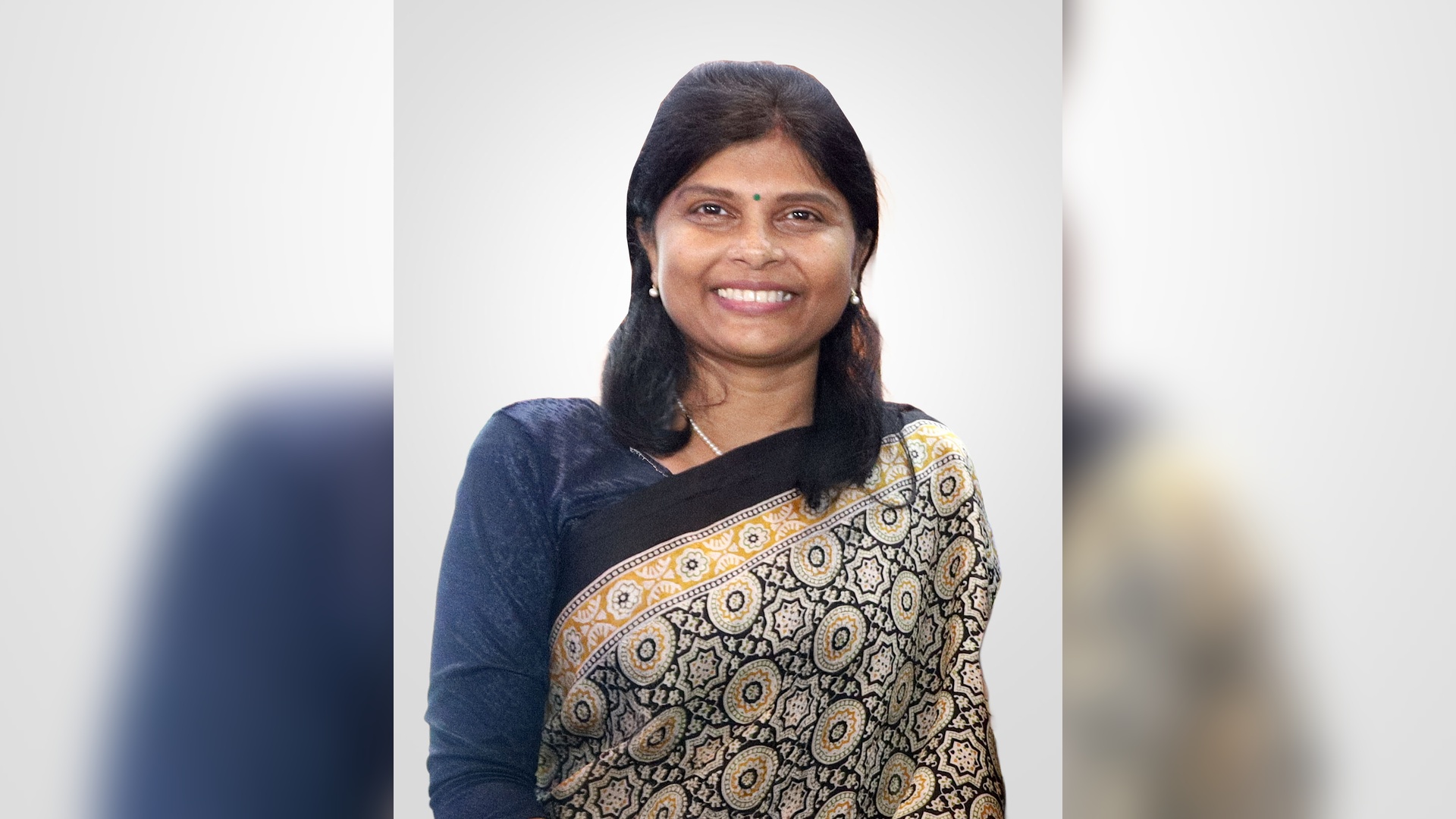
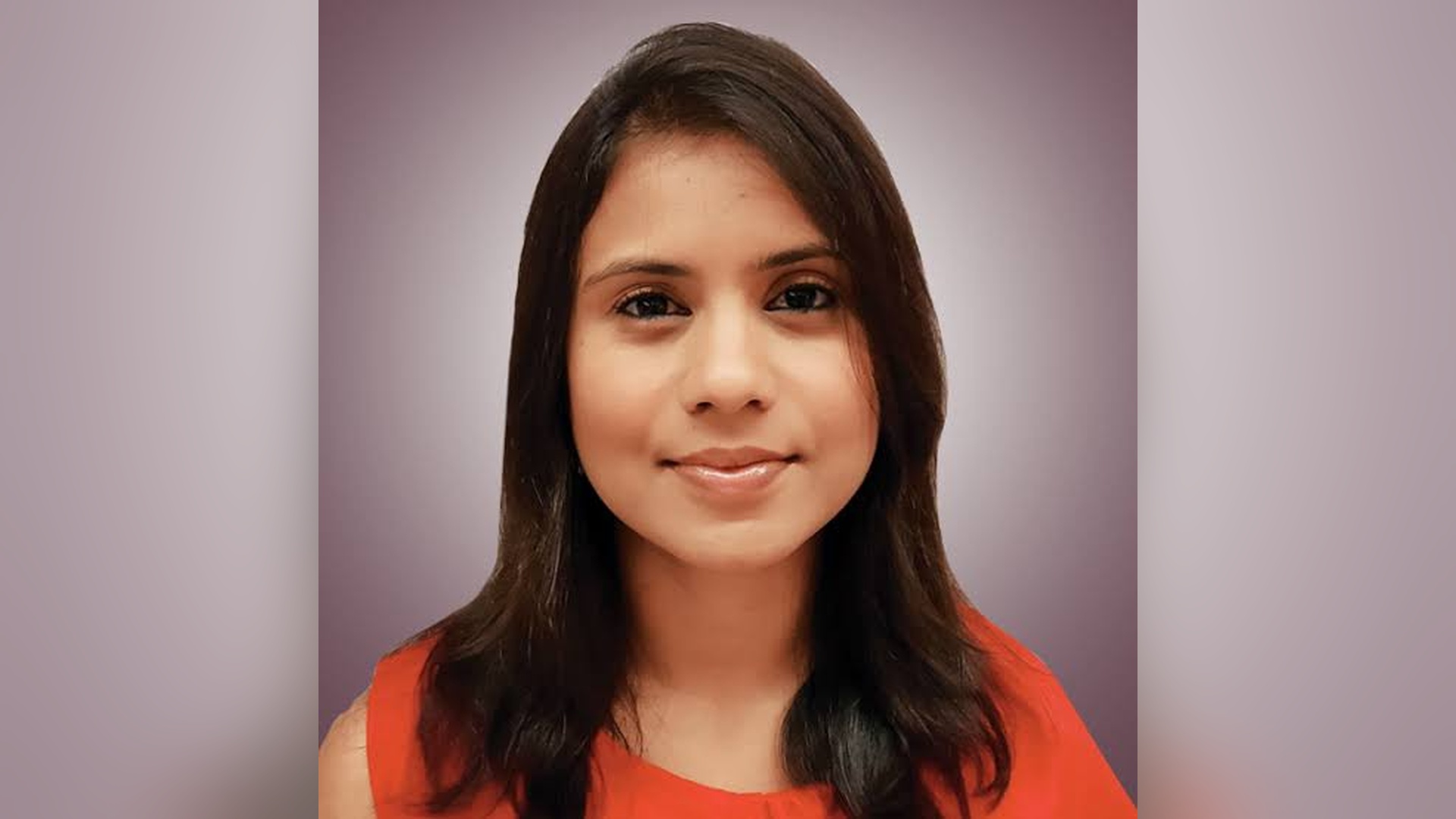
In this exclusive email interview with TheCSRUniverse, Ms. Jayatri Dasgupta, CMO, PayNearby and Program Director, Digital Naari, discusses the challenges of sustaining women-led micro-enterprises and the role of digital financial services in advancing women's livelihoods. The conversation explores income growth, customer trust, financial decision-making, CSR partnerships and the programme’s contribution to broader women’s empowerment initiatives.
Read the full interview below to understand how digital entrepreneurship can help women build independent livelihoods and stronger roles in their communities:
Q. Digital Naari has registered over 3.5 lakh women, with more than 80,000 transacting every month. Why do some registered Digital Naaris remain active while others drop off, and what does this reveal about the challenges of sustaining women-led livelihoods?
A. Digital Naari has registered over 3.5 lakh women, with approximately 75,000 to 80,000 women actively transacting every month. The difference between registrations and active participation reflects the realities of building and sustaining micro-enterprises, particularly for women in semi-urban and rural areas.
For many women in semi-urban and rural areas, developing the confidence to start and independently manage a micro-enterprise is a gradual process. Family responsibilities and household commitments may lead women to participate intermittently. Many Digital Naaris are still in the early stages of their entrepreneurial journey. The programme offers flexibility in terms of time and location, helping them accommodate their existing responsibilities. Moreover, the products cater to local demand.
While income generation is the primary motivation to begin, continuous training, capacity-building and mentoring help women remain active. Over time, they develop trust, confidence and recognition within their communities, emerging as community influencers.
Institutional partnerships with SHGs, NGOs and livelihood missions further strengthen their entrepreneurial journey.
Q. Digital Naaris reportedly earn an average of ₹5,000–7,000 per month. How much of this income translates into sustained household income, and what do you know about women’s control over how that money is spent or saved?
A. Income growth among Digital Naaris is gradual as they establish their businesses, build customer relationships and gain experience. During the first six months, women typically earn an average of ₹500 to ₹1,000 per month. As their businesses develop, their customer base expands and they become more familiar with the services, their average monthly income can increase to approximately ₹2,500 to ₹5,000 over 12 to 18 months.
Digital Naari creates an opportunity for women to build an independent source of income through their own entrepreneurial efforts. This not only enables them to contribute to household finances but also gives them greater ownership of their earnings and financial choices. Women already play an important role in managing household savings, irrespective of whether they have an independent source of income. With an income of their own, they can play a more active role in household financial decisions, gain recognition for their contributions and develop greater confidence in their abilities.
Women prioritise their children’s education, family medical expenses, household needs and personal aspirations. Their earnings give them a stronger voice within the household. Serving customers in their communities also helps them develop relationships and earn trust as local access points for digital and financial services. These interactions expand their social networks, enhance their standing in the community and add to their social capital. Thus, Digital Naari’s impact goes beyond income generation, enabling women to play a stronger role in shaping their households and communities.
Q. Beyond providing access to banking, insurance, credit and government services, how does the programme help women build the confidence and financial knowledge to make independent decisions about their money?
A. The idea behind Digital Naari is based on the understanding that women often find it easier to approach other women for financial services. Trust and familiarity are central to Digital Naari’s approach to financial inclusion for women across Bharat.
Our training and capacity-building modules focus on awareness, financial and digital literacy, along with continuous guidance. This helps women understand and confidently deliver the services. Products suited to local needs, such as insurance, credit, savings and health services, also expand their understanding of different offerings.
With regular use and practical experience, women gain confidence in handling financial services. As local influencers and trusted service providers, they help build trust within their communities. Their familiarity with these solutions encourages more people, especially women, to access digital and financial services.
Q. What are the main reasons some Digital Naaris struggle to generate regular income? How does PayNearby support them in building customer trust, expanding their services and sustaining their businesses over time?
A. More than 80,000 Digital Naaris transact month on month, with around 80% being first-time entrepreneurs. Regular training and capacity-building initiatives help build their confidence and understanding of service offerings. The platform’s easy-to-use interface, simple product discovery and multilingual capabilities make it easier for women to navigate and deliver services.
By understanding local customer needs, Digital Naaris offer relevant services and earn their customers’ trust. Doorstep cash-in and cash-out services also help customers, particularly those receiving Direct Benefit Transfers (DBT), pensions and other government benefits. New products enable women to diversify their offerings and expand their customer base. This growing adoption is reflected in women-led credit transactions, which grew by 152% in volume and 259% in value, while mutual fund participation increased three-fold and insurance transactions rose by 75%.
Q. As the Lakhpati Didi mission moves from 3 crore to 6 crore women, what lessons from Digital Naari could help reach women who have fewer existing livelihood opportunities and limited access to formal financial services?
A. Digital Naari aligns with the larger vision of the Lakhpati Didi mission to expand women’s economic participation and enable sustainable livelihoods. Through the programme, we take digital and financial services to the last mile while creating opportunities for women to become local service providers. We equip them with financial literacy and digital tools to offer services that meet local needs. This helps women build their own micro-enterprises and generate income while connecting their communities to the formal financial ecosystem.
Bringing these services closer to people across Bharat creates livelihood opportunities while improving access to essential services. Regular customer interactions and practical experience help women build confidence, grow their businesses and work towards sustainable livelihoods. They also become better equipped to make informed financial choices and exercise greater agency.
Q. How does PayNearby measure the programme’s impact beyond registrations and transactions? Do you track women’s income growth, business retention, savings, access to credit and their role in household financial decisions?
A. Digital Naari aims to create a lasting impact on women’s livelihoods by helping them build independent sources of income and grow as entrepreneurs. More than 80,000 Digital Naaris transact month on month, while nearly 65% continue beyond their first year. These figures reflect their business activity and continuity. We also look at engagement across services and markets, recognising that transaction patterns vary based on local demand and the nature of services offered.
The impact also extends to their lives beyond their businesses. Their earnings enable women to contribute to household needs, support their children’s education and pursue personal aspirations. Greater control over earnings, savings habits and access to financial products can strengthen their role in household financial decisions. As trusted service providers, they gain confidence, expand their social networks and gain recognition within their communities. Ultimately, the aim is to help women build sustainable livelihoods and participate more actively in their households and communities.
Q. What role can CSR partnerships play in helping Digital Naaris move beyond supplementary income towards more stable livelihoods?
A. CSR partnerships can play a role in accelerating Digital Naari’s mission. Organisations focused on improving women’s lives and strengthening their economic participation can collaborate with the programme. Such partnerships can extend the last-mile reach of livelihood opportunities, bringing this model to more women across underserved communities.
CSR partners can combine resources, expertise and institutional networks to help women develop the capabilities and access the support systems needed to sustain their businesses. These collaborations can also connect women with services and opportunities that respond to local needs. Ultimately, the goal is to help more women build sustainable livelihoods through independent sources of income, greater financial agency and active participation in their local economies.
Q. Digital Naari depends on women becoming trusted financial service providers in their communities. How do you ensure service quality, protect customers from fraud and help these women manage the risks and responsibilities that come with handling financial transactions?
A. We maintain full compliance with all applicable banking regulations. Regular training and capacity-building programmes ensure Digital Naaris stay on top of the service protocols, transaction processes and customer handling.
Continuous guidance for Digital Naaris further helps them navigate transaction-related responsibilities and resolve queries. This combination of verification, awareness and ongoing support enables women to serve responsibly, maintain trust and build credibility as financial service providers.
Q. What changes would you like to see in the way India measures women’s economic empowerment? How can programmes such as Digital Naari demonstrate that women are not just earning more, but also gaining greater control over their income, financial choices and future?
A. Income generation is the first step towards women’s economic empowerment. While income is an important indicator, it is equally important to understand whether women have greater control over their earnings, are building savings habits and accessing formal financial products. Empowerment, in fact, lies in the extent of financial agency women exercise. This includes their confidence to make independent financial decisions and contribute to household financial choices.
Today, Digital Naaris are trusted digital bankers and community influencers, giving them a sense of identity. This confidence encourages women to take a more active role in household decisions and exercise greater control over their financial choices and future. The programme creates greater financial awareness, confidence and economic participation. Ultimately, empowerment should be measured not only by how much women earn, but also by how much agency they have over their earnings and the economic decisions that shape their lives.





.png)