
From Community Needs to Lasting Impact: Vinati Organics’ Evolving CSR Journey

Corporate social responsibility is increasingly moving beyond standalone interventions towards a more holistic approach to community development. For companies operating in rural and industrial regions, creating lasting impact requires understanding local needs, building strong partnerships and addressing interconnected development challenges.
At Vinati Organics Limited, this approach is reflected in its CSR initiatives across education, healthcare, livelihoods, water conservation and environmental sustainability, with a focus on communities around its manufacturing locations in Mahad and Lote, Maharashtra.
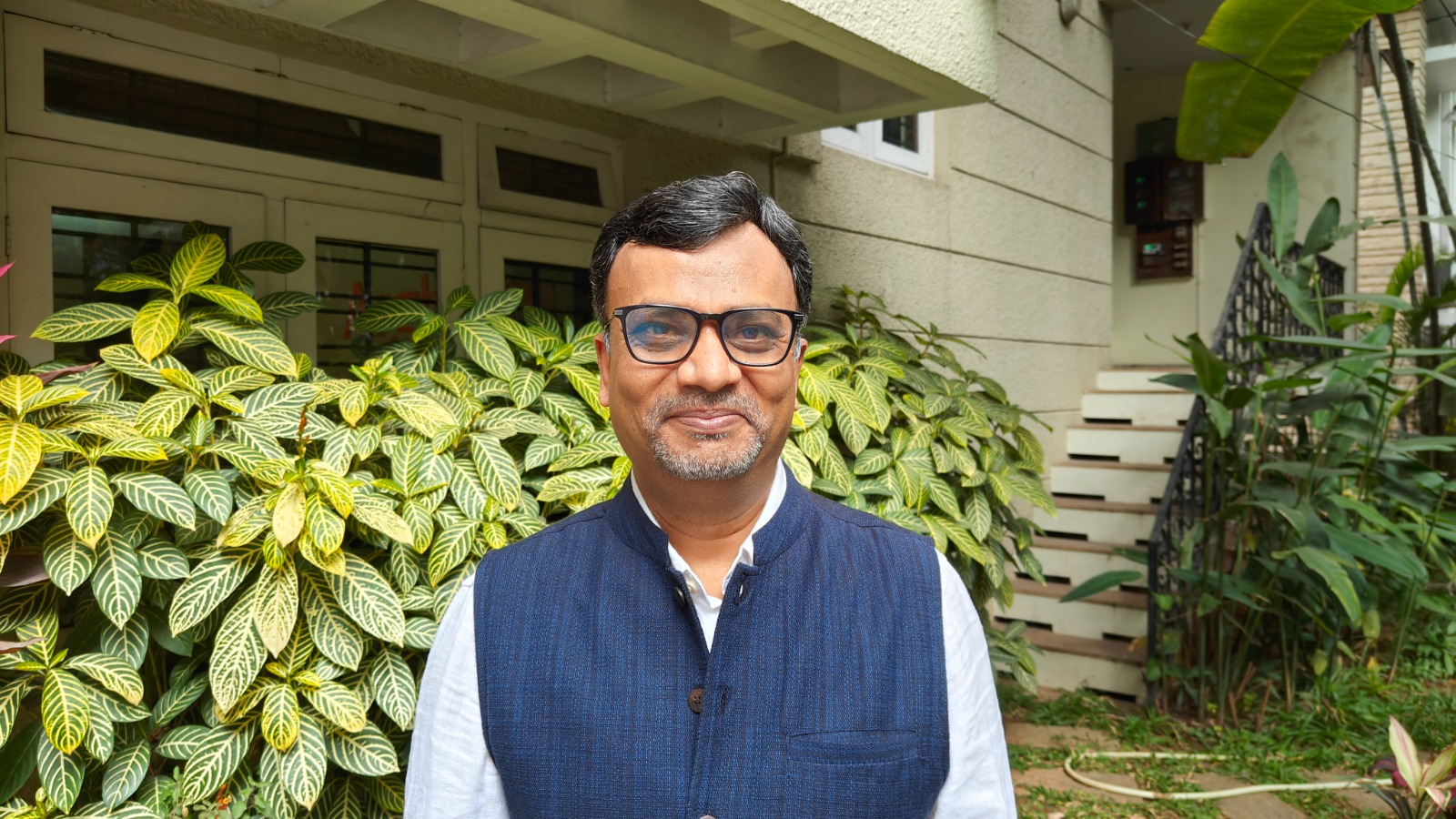
In this exclusive interaction with TheCSRUniverse, Ms. Viral Saraf Mittal, CSR Head, Vinati Organics Limited, discusses how the company's CSR vision has evolved from addressing immediate community needs to building healthier, more educated and self-reliant communities. She shares insights into the organisation's collaborations with grassroots partners, its initiatives in renewable energy for schools and water conservation, and the importance of community participation in sustaining development outcomes.
The conversation also explores the challenges of rural development, the role of women in shaping community-led solutions, and the importance of measuring CSR through meaningful, long-term outcomes. Looking ahead, Ms. Mittal reflects on emerging priorities such as climate resilience, water security, sustainable livelihoods and the need for stronger cross-sector partnerships to advance inclusive development.
Scroll down to read the full interview:
Q. You have been associated with Vinati Organics since 2009 and have also worked with organisations such as Pratham, Dasra and Social Venture Partners. What inspired you to build a career in social impact, and how have these experiences shaped your approach to CSR?
A. I have always believed that the true measure of development lies in the opportunities and quality of life we are able to create for people. This belief inspired me to pursue a career in the social sector. My experiences with Pratham, Dasra and Social Venture Partners gave me different perspectives on grassroots implementation, philanthropy, institutional development and collaborative problem solving. Since joining Vinati Organics in 2009, I have had the opportunity to bring these perspectives together and work closely with communities around our manufacturing locations. Over the years, I have learnt that sustainable change requires patience, strong partnerships and a deep understanding of local needs. My approach has therefore always been to listen to communities, understand their challenges and create solutions that have lasting value.
Q. How has Vinati Organics’ CSR vision evolved over the years, and what have been the key changes in the way the company approaches community development?
A. When we started our CSR journey, our approach was largely centred on addressing immediate community needs through individual initiatives. Over the years, this has evolved into a more structured and holistic approach to rural development. We believe that communities cannot develop in isolation, and progress in education, healthcare, sanitation, livelihoods and the environment are all interconnected. Our focus has therefore been on addressing multiple dimensions of development around our manufacturing locations in Mahad and Lote. We have also strengthened our engagement with grassroots organisations and focused on building long term partnerships rather than undertaking standalone activities. Today, our vision is to contribute towards creating healthier, more educated, resilient and self-reliant communities.
Q. Vinati Organics works across education, healthcare, livelihoods, skills, community infrastructure and wildlife conservation. How do you identify and prioritise the issues that need attention in the communities where you operate?
A. Our starting point is always the community and its specific needs rather than a predetermined sectoral focus. We engage with local communities, village representatives, government institutions and grassroots organisations to understand the challenges on the ground. We also assess existing infrastructure, access to essential services and gaps in government programmes. Based on these inputs, we prioritise interventions considering their urgency, potential impact, number of people who could benefit and long-term sustainability. Since our manufacturing facilities are located in rural areas, we recognise that development needs can vary significantly between villages. Our objective is to take a holistic view and support initiatives that address the most pressing local challenges while contributing to the overall development of the region.
Q. Vinati Organics has worked with more than 15 grassroots organisations and NGOs. What do you look for when choosing implementation partners, and what makes these partnerships effective?
A. For us, choosing the right implementation partner is as important as choosing the right initiative. We look for organisations that have a strong understanding of the local context, credible grassroots experience and a genuine commitment to community development. Their track record, governance practices, transparency, technical expertise and ability to deliver measurable outcomes are also important considerations. Equally, we value organisations that are willing to listen, adapt and work collaboratively rather than follow a one-size-fits-all approach. We believe effective partnerships are built on mutual trust, clearly defined responsibilities, regular monitoring and open communication. Most importantly, we look for partners who share our belief that the ultimate objective is to create sustainable change and build community ownership.
Q. Could you share one or two CSR initiatives that have been particularly meaningful for Vinati Organics? What impact have they created, and what have you learned from them?
A. Two areas of work that have been particularly meaningful are our interventions in renewable energy for schools and water conservation. Through solar energy initiatives in schools, we aim to improve access to reliable electricity while introducing communities to cleaner and more sustainable energy solutions. Our water conservation work has reinforced the importance of managing natural resources at the community level. These initiatives have taught us that development and environmental sustainability must go hand in hand. They have also demonstrated the value of working with specialised grassroots organisations that bring technical expertise and local understanding. One of our biggest learnings has been that the real impact of a project is determined not just by its implementation, but by how well the community adopts and sustains it.
Q. How do you balance immediate community needs with the need to create long-term and sustainable impact through CSR programmes?
A. I believe both immediate relief and long-term development have an important place in CSR. There are situations where communities need urgent support, particularly in healthcare, basic infrastructure and access to essential services. However, addressing immediate needs should also create an opportunity to build more sustainable solutions. For instance, rather than simply addressing a water shortage, we look at interventions that improve long-term water availability and community management of resources. Similarly, in education, our focus goes beyond providing infrastructure to improving the overall learning environment. We try to strike this balance by understanding the immediate challenge while asking ourselves what will make the intervention sustainable five or ten years from now. Community ownership, capacity building and strong local partnerships are central to this approach.
Q. How does Vinati Organics ensure that women and girls from vulnerable communities are not only beneficiaries of its programmes but are also empowered to participate in and shape solutions?
A. We believe that women's empowerment must go beyond providing benefits; it must create opportunities for women to participate in decision-making and become agents of change within their communities. Our approach includes supporting initiatives around girls' education, healthcare, awareness, skills development and livelihood opportunities. We also recognise the importance of addressing social barriers that restrict women's participation, including limited access to resources, information and economic opportunities. Wherever possible, we encourage women's participation in community-level discussions and programme planning so that their voices and priorities are represented. We believe that when women are economically independent, confident and actively involved in decisions affecting their families and communities, the impact extends across generations. Empowering women is therefore not a standalone intervention but an essential part of holistic rural development.
Q. As a woman leading CSR in the private sector, how has your own experience shaped the way you understand and address issues affecting women and marginalised communities?
A. Being a woman has given me a personal appreciation of the importance of access, opportunity, dignity and representation. I recognise that women from marginalised and rural communities often face multiple barriers, many of which are deeply rooted in social and economic structures. I have also learnt that empowerment cannot be imposed from the outside; it must be built by creating an environment where women have the confidence, resources and freedom to make their own choices. In my work, I try to approach these issues with empathy, without making assumptions about what communities need. I believe it is important to give people a voice, involve them in finding solutions and recognise their capabilities rather than view them only through the lens of vulnerability. Ultimately, meaningful inclusion is about creating equal opportunities and enabling people to shape their own futures.
Q. What are some of the key challenges you face while implementing CSR programmes, and how is Vinati Organics working to address them?
A. One of the biggest challenges in rural development is that communities are diverse, and solutions that work in one village may not necessarily work in another. Changing mindsets, encouraging community participation and ensuring continuity after a project is completed can also take considerable time. Another challenge is coordinating with multiple stakeholders, including government departments, local institutions and implementation partners. We address these challenges by investing time in understanding the local context and building relationships with the communities we work with. We also work with experienced grassroots organisations that bring the necessary expertise and local credibility. Most importantly, we recognise that development is a gradual process, and we remain flexible enough to adapt our interventions as community needs evolve.
Q. CSR in India is increasingly moving from activity-based initiatives towards measurable outcomes and long-term impact. How do you assess whether a CSR programme has created meaningful change?
A. We believe that the success of a CSR programme should be measured by the change it creates in people's lives, rather than simply the number of activities undertaken or beneficiaries reached. At the outset, we try to establish clear objectives, baseline information and measurable indicators that help us assess progress. Depending on the nature of the intervention, these could include improvements in learning outcomes, access to healthcare, water availability, livelihood opportunities or environmental sustainability. We also place importance on regular field visits, feedback from beneficiaries and discussions with implementation partners. Quantitative data is important, but qualitative changes in behaviour, awareness and community ownership are equally valuable. Ultimately, we assess success by asking whether the intervention has addressed a genuine need and whether its benefits are likely to continue beyond the duration of our support.
Q. Looking ahead, how do you see the role of CSR evolving in India, and what new priorities, initiatives or partnerships is Vinati Organics looking to explore in the coming years?
A. I believe CSR in India will increasingly move towards more strategic, collaborative and outcome oriented interventions. Companies will need to look beyond compliance and recognise their role in contributing to the development of the communities in which they operate. At Vinati Organics, we intend to continue our focus on holistic rural development around Mahad and Lote, while responding to emerging community needs. Areas such as climate resilience, water security, sustainable livelihoods, quality education, preventive healthcare and women's empowerment will continue to be important. We also see significant value in collaborating with specialised organisations, government institutions and other stakeholders to create larger and more sustainable outcomes. Our approach will remain rooted in the belief that there is no single solution to rural development; meaningful progress comes from addressing interconnected challenges through sustained and collective effort.




.png)