
The Health Cost of Air Pollution: Why Clean Air Must Become a Public Health and Corporate Responsibility Priority
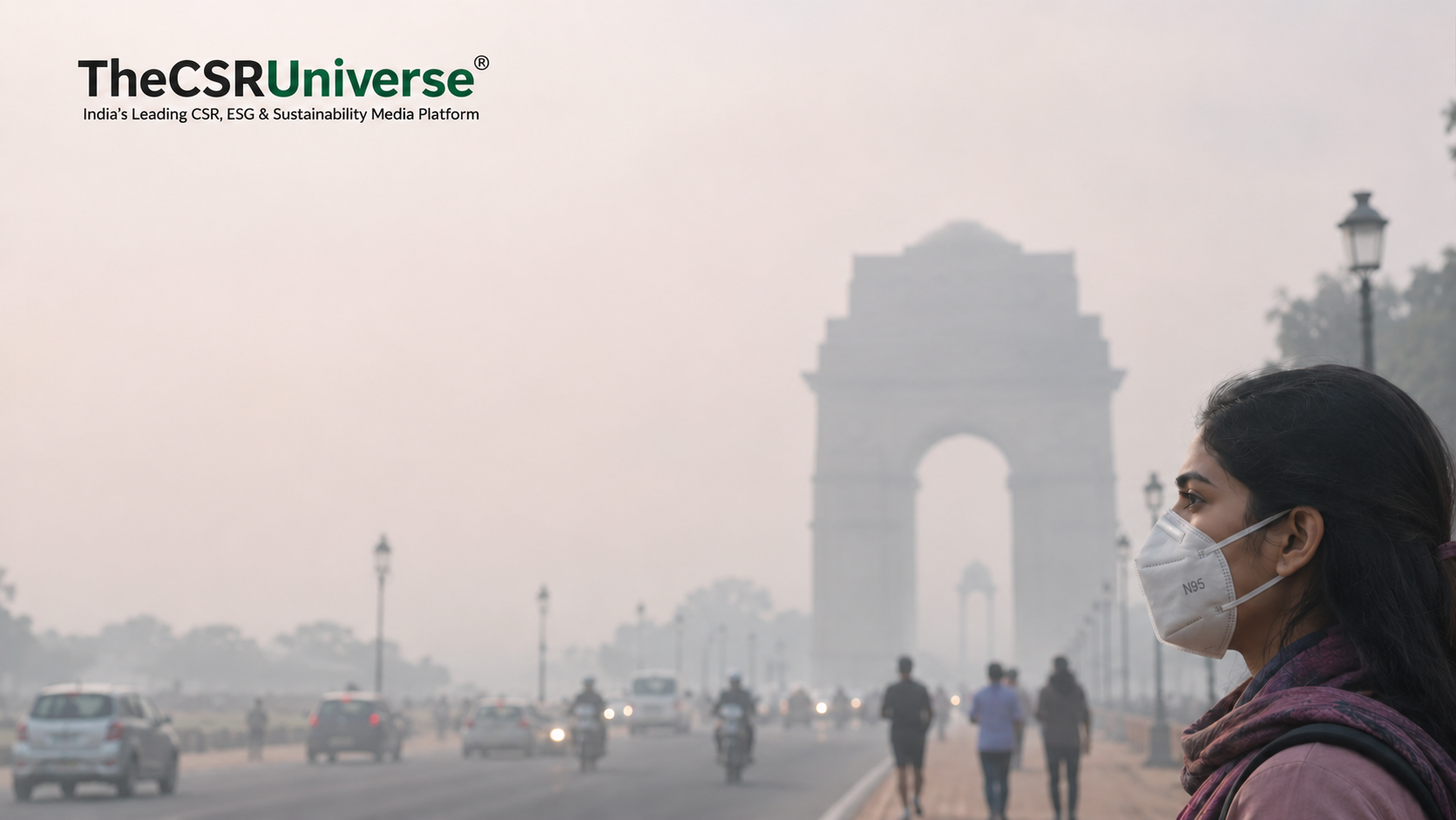
Delhi's lung cancer figures bring renewed attention to the long-term health consequences of air pollution, raising questions about preventive healthcare, workplace exposure and the role of businesses in protecting communities.
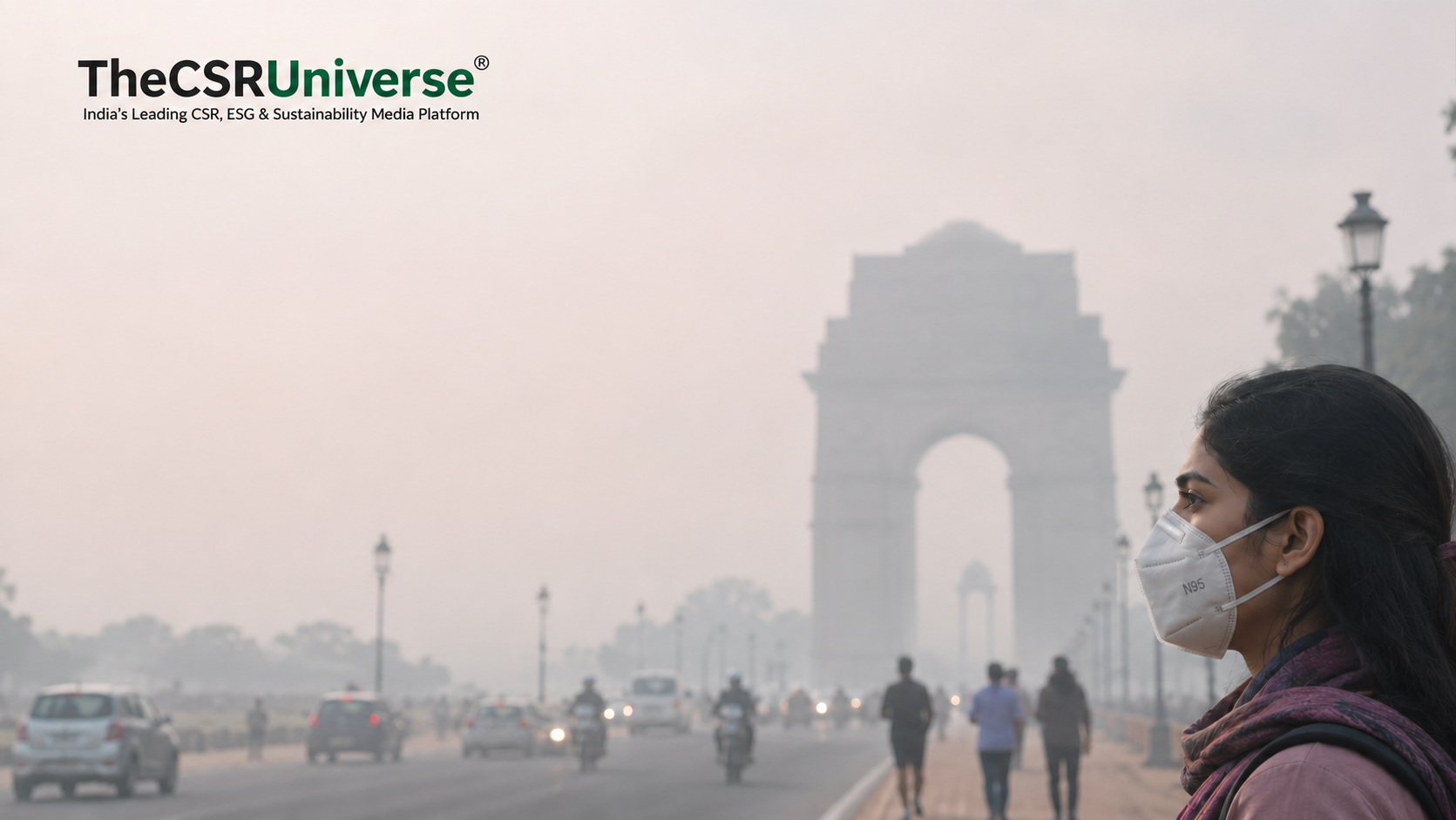
Delhi's persistent air pollution crisis is raising fresh concerns over its long-term public health consequences. Data obtained through Right to Information (RTI) applications from four major government hospitals in the national capital reveal 6,581 lung cancer cases and 913 deaths over approximately six-and-a-half years. The figures have renewed attention on the potential health risks of prolonged exposure to polluted air, particularly among younger people and non-smokers.
According to information reported by The Indian Express, the data covers the period from January 1, 2020, to July 31, 2026, and was provided by the All India Institute of Medical Sciences (AIIMS), Safdarjung Hospital, Dr Ram Manohar Lohia (RML) Hospital and the Delhi State Cancer Institute (DSCI).
The three hospitals providing case figures recorded an average of approximately 83 lung cancer patients every month. The combined death toll reported by the four institutions translates to roughly one death every three days.
AIIMS recorded 4,860 cases and 158 deaths between January 2020 and March 2026. The Delhi State Cancer Institute reported 1,613 cases and 354 deaths up to July 2026, while RML Hospital recorded 108 cases and eight deaths. Safdarjung Hospital did not provide its total number of cases but reported 393 deaths. The Delhi State Cancer Institute also reported 351 women diagnosed with lung cancer during the period and two children diagnosed with the disease in 2021.
These figures represent hospital-level data rather than the total number of lung cancer cases or deaths in Delhi. The hospitals also serve patients from neighbouring states, and their reporting periods are not identical. Importantly, the available information does not establish how many cases were directly attributable to air pollution.
Nevertheless, the figures draw attention to a larger public health concern: the cumulative impact of environmental exposure in a city where poor air quality has become a recurring feature of everyday life.
A growing concern beyond tobacco consumption
The data has also drawn attention to the changing profile of lung cancer patients. According to chest surgeon Dr Arvind Kumar, around 10% of his lung cancer patients are now in their thirties, with some in their late twenties. He has also observed a significant change in the smoking profile of his patients. While approximately 90% were smokers earlier, he now estimates that nearly half his patients are non-smokers.
These observations, reported by The Indian Express, are based on Dr Kumar's clinical experience and should not be interpreted as a finding from the hospital-level RTI data. None of the four hospitals provided a separate breakdown of patients by smoking history, despite this information being sought.
The observations nevertheless highlight the importance of examining environmental and occupational risk factors alongside tobacco consumption.
The International Agency for Research on Cancer (IARC), part of the World Health Organization (WHO), has classified outdoor air pollution and particulate matter as carcinogenic to humans. Its assessment establishes sufficient evidence of a causal relationship between exposure to outdoor air pollution and lung cancer.
Fine particulate matter, particularly PM2.5, is of particular concern because its tiny particles can penetrate deep into the respiratory system and even enter the bloodstream. Long-term exposure has been associated with an increased risk of lung cancer, alongside other respiratory and cardiovascular health impacts.
A systematic review and meta-analysis published in Environmental Health Perspectives also found an association between long-term exposure to outdoor particulate matter and lung cancer, including among people who had never smoked. This reinforces the importance of addressing environmental exposure while recognising that individual cancer cases can have multiple contributing factors.
Smoking remains a major risk factor, but the potential contribution of environmental exposure deserves greater attention, particularly in urban areas where residents may be exposed to polluted air over extended periods.
Occupational exposure adds another dimension
The health implications of air pollution are not limited to general ambient exposure. The nature of a person's work can also determine the pollutants they encounter and the duration of exposure.
Workers in construction, transport, manufacturing and certain industrial occupations may face exposure to dust, fumes and other airborne pollutants. Some occupational exposures, including diesel engine exhaust, asbestos and welding fumes, are recognised carcinogenic hazards. Their risks are distinct from, although potentially compounded by, exposure to ambient air pollution.
This makes workplace air quality and occupational health important components of the wider clean air agenda. Businesses need to pay attention not only to emissions released into the surrounding environment but also to the conditions in which employees and contract workers operate.
Appropriate exposure controls, safer technologies, workplace monitoring and protective measures are important for reducing occupational health risks. For industries with significant emissions or dust-generating activities, environmental management must extend beyond regulatory compliance to meaningful reductions in pollution.
From seasonal pollution to a year-round public health priority
Delhi's air pollution is influenced by multiple sources, including vehicular emissions, industrial activities, construction dust, waste burning and pollution originating beyond the city. While pollution levels often become more severe during winter, exposure is not confined to a particular season.
Although emergency restrictions and seasonal pollution-control measures remain important, the growing health concerns point to the need for sustained action throughout the year.
A coordinated Delhi-NCR approach is essential to reducing emissions, strengthening pollution monitoring and improving public health preparedness. This requires collaboration between government agencies, municipal bodies, environmental regulators, healthcare institutions and industries.
The reported figures also underline the need for stronger cancer surveillance systems. Better data on patients' age, smoking history, occupational exposure and residential background could help researchers understand the relationship between environmental pollution and cancer incidence more effectively.
At present, the absence of comprehensive information on patients' exposure histories limits the conclusions that can be drawn from hospital-level statistics. Improved disease registries, research partnerships and systematic monitoring could help identify vulnerable populations and strengthen evidence-based public health interventions.
Early diagnosis and access to appropriate treatment remain equally important. Persistent cough, coughing up blood, unexplained weight loss, chest pain and recurring respiratory infections can be warning signs of lung cancer and warrant medical evaluation.
However, the responsibility for addressing the health consequences of pollution cannot rest with healthcare institutions alone. Reducing exposure at its source must remain a central part of the response.
The role of CSR and corporate sustainability
The findings also raise important questions for India's corporate social responsibility and sustainability agenda.
Under Schedule VII of the Companies Act, 2013, promoting healthcare, including preventive healthcare, and ensuring environmental sustainability are recognised areas for CSR activities. The latter specifically includes maintaining the quality of soil, air and water.
This provides a framework through which companies can support interventions addressing the health and environmental consequences of pollution. Corporate foundations and businesses can contribute through programmes focused on respiratory health awareness, preventive healthcare, access to diagnostic facilities, research and community-level health initiatives.
CSR-supported healthcare programmes could also focus on communities facing higher environmental exposure, including those living near industrial areas or working in occupations with significant exposure to dust and emissions. Such interventions would need to be informed by local health assessments and designed around identifiable community needs.
There is also scope for CSR partnerships with public health institutions, research organisations and civil society groups to strengthen community health surveillance, improve awareness of respiratory illnesses and support research into the long-term effects of environmental exposure.
However, healthcare interventions alone cannot address the underlying causes of pollution. This is where corporate sustainability and operational responsibility become equally important.
Businesses must examine the environmental impact of their own operations, including industrial emissions, energy consumption, transportation, waste management and supply chains. Reducing emissions, improving energy efficiency, adopting cleaner technologies and strengthening environmental management systems are important components of this responsibility.
For businesses operating in and around Delhi-NCR, air pollution is therefore not merely an environmental compliance issue. It is also a concern for employee health, occupational safety, community well-being and long-term business sustainability.
The distinction between CSR and corporate operational responsibility is important. Investments in controlling pollution generated by a company's own operations and meeting regulatory requirements are ordinarily part of its business responsibilities and should not automatically be classified as CSR expenditure. The Companies (Corporate Social Responsibility Policy) Rules, 2014, exclude activities undertaken in the normal course of business from CSR activities.
CSR initiatives, on the other hand, can support eligible healthcare and environmental programmes that address wider community needs. A more integrated approach would bring together corporate emission-reduction commitments, responsible workplace practices and community-focused CSR interventions.
Making public health central to the clean air agenda
The reported hospital figures do not establish a direct causal relationship between Delhi's air pollution and the individual cancer cases. They nevertheless reinforce the importance of examining the long-term health consequences of poor air quality.
The challenge extends beyond managing seasonal pollution peaks or responding to days when air quality reaches hazardous levels. It calls for sustained emission reductions, stronger public health systems, better disease surveillance and greater attention to populations facing prolonged environmental and occupational exposure.
For India Inc., this means looking at clean air not only through the lens of environmental performance but also as a matter of public health and social responsibility. For CSR practitioners, it presents an opportunity to support preventive healthcare, research and community-level interventions, while recognising that corporate philanthropy cannot substitute for responsible environmental practices.
Protecting public health from the consequences of air pollution will require coordinated action by governments, healthcare institutions, businesses and civil society. Ultimately, the measure of progress must extend beyond improvements in air quality readings to the health and well-being of the communities exposed to pollution every day.