
A Road Crash Changes More Than One Life: Stories of Survivors and Families
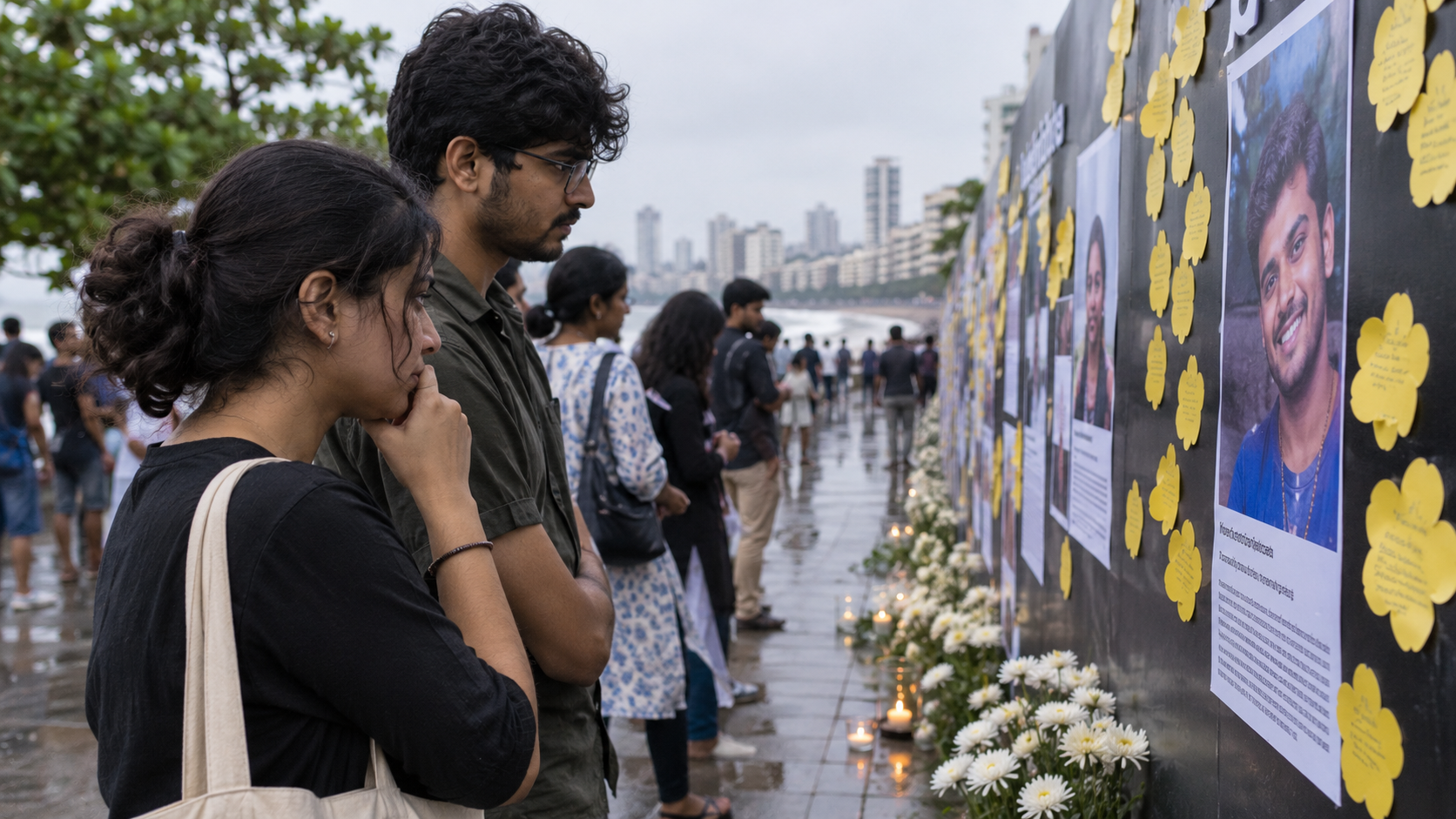
A Remembrance Wall initiative in Mumbai brings personal accounts of road crash survivors and affected families into public spaces, highlighting the lasting physical, emotional and financial consequences of road crashes and the need for sustained support.
India recorded 1,77,175 road fatalities and 4,71,441 injuries in 2024, according to the Ministry of Road Transport and Highways (MoRTH). This translates to nearly 485 deaths every day. Yet, the impact of road crashes extends well beyond those who lose their lives. Survivors often face permanent disabilities, prolonged rehabilitation, loss of livelihood and lasting psychological and financial difficulties. Their families, too, take on the responsibility of caregiving and bear the consequences of lives disrupted by a single incident.
While road safety discussions largely focus on preventing crashes, improving road infrastructure and strengthening enforcement, the experiences of survivors highlight another important aspect: what happens after a crash, when the immediate medical emergency is over but the process of recovery continues.
Bringing these experiences into public view, Parisar and the Road Safety Network (RSN), in collaboration with the Transport Commissioner's Office, Government of Maharashtra, organised a public Remembrance Wall on Mumbai's Marine Drive as part of the World Day of Remembrance for Road Traffic Victims 2026.
Displayed from 18 to 22 November, the installation featured personal accounts of survivors and families affected by road crashes. Through these stories, the initiative sought to encourage people to pause and recognise the human experiences behind road crash statistics, reminding them that every number represents a person, a family and a life changed.
The lives behind the numbers
The accounts featured on the Remembrance Wall illustrate how the consequences of a road crash can continue long after the initial incident.
Sameer Raahi was working as a Business Analyst in Pune when a road crash in Ladakh on 15 August 2024 changed his life. Hit by a truck and subsequently run over by a car, he sustained injuries that resulted in the amputation of his right leg through the knee. He also suffered a traumatic brain injury and has no memory of the crash itself.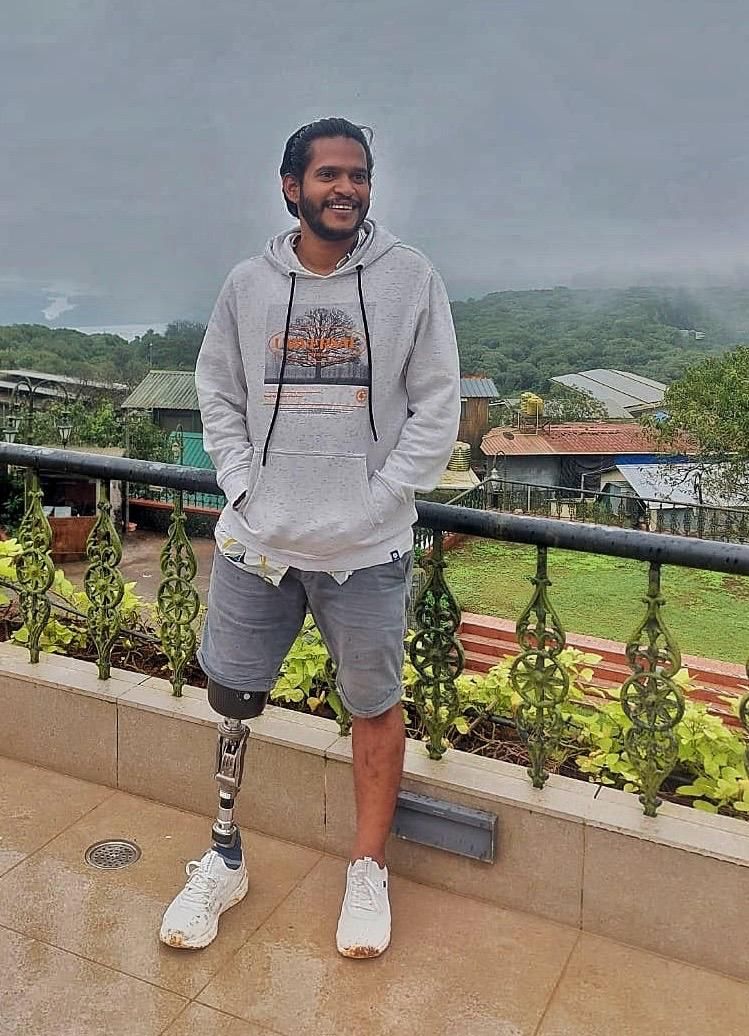
His recovery involved memory loss, sleeplessness and significant emotional and psychological challenges, including suicidal thoughts. Despite these difficulties, Sameer continued working towards rebuilding his life and completed the Everest Base Camp trek on 14 April 2026.
For Sonali Salunke, a road crash in Pune in May 2015 brought her working life and independence to a sudden halt. She was crossing the road after getting off a bus when a motorcycle carrying three young men, travelling on the wrong side, hit her. None of the riders was wearing a helmet.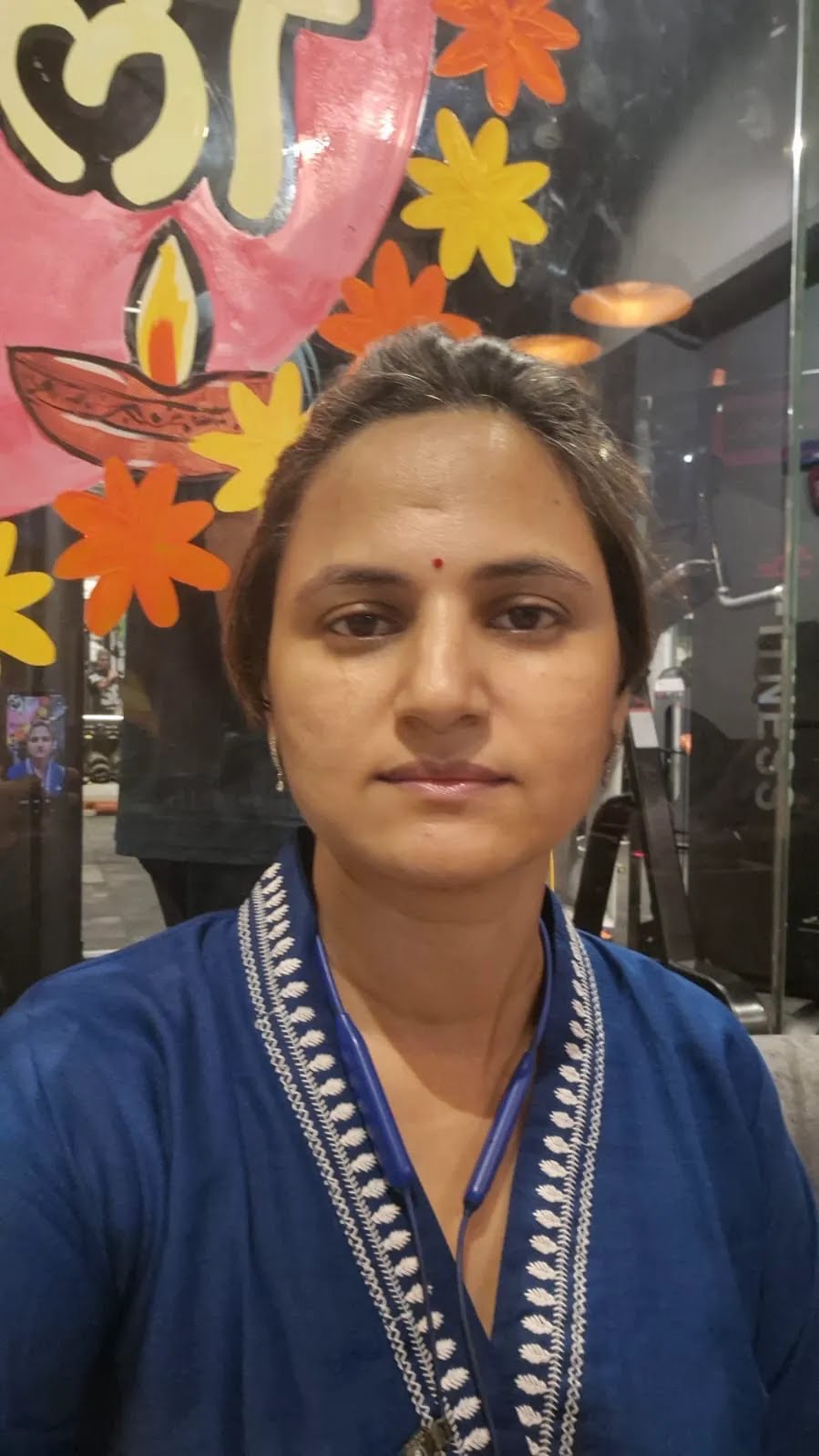
Sonali sustained fractures in her left arm and leg, along with a serious lower-back injury that left her bedridden for six months. She had to learn to walk again and was unable to work for nearly two years. The prolonged recovery also affected her mental health, leaving her uncertain about whether she would ever regain her ability to walk normally.
Her experience illustrates how reckless road behaviour can have consequences that extend far beyond the crash itself, affecting a person's ability to work, live independently and participate in everyday life.
Priyanka Dambarke's account brings attention to the importance of timely emergency response and medical intervention. In July 2024, while crossing the Kalamboli Highway in Navi Mumbai, she was hit by a truck that also struck a stationary bus.
She remained unconscious for two days. Several people at the scene, including a nurse from MGM Hospital, a member of the hospital's cleaning staff and an autorickshaw driver, came forward to help. The nurse reportedly performed CPR before Priyanka was taken to hospital.
She underwent emergency surgery for serious injuries, including damage to her spleen and right pelvis, and her spleen had to be surgically removed. She spent four to five days in intensive care and remained hospitalised for nearly two months.
Her recovery involved learning to walk again with the help of a walker. Although she returned to work around four months after the crash, she continues to experience physical limitations, including reduced flexibility in her legs and frequent cramps.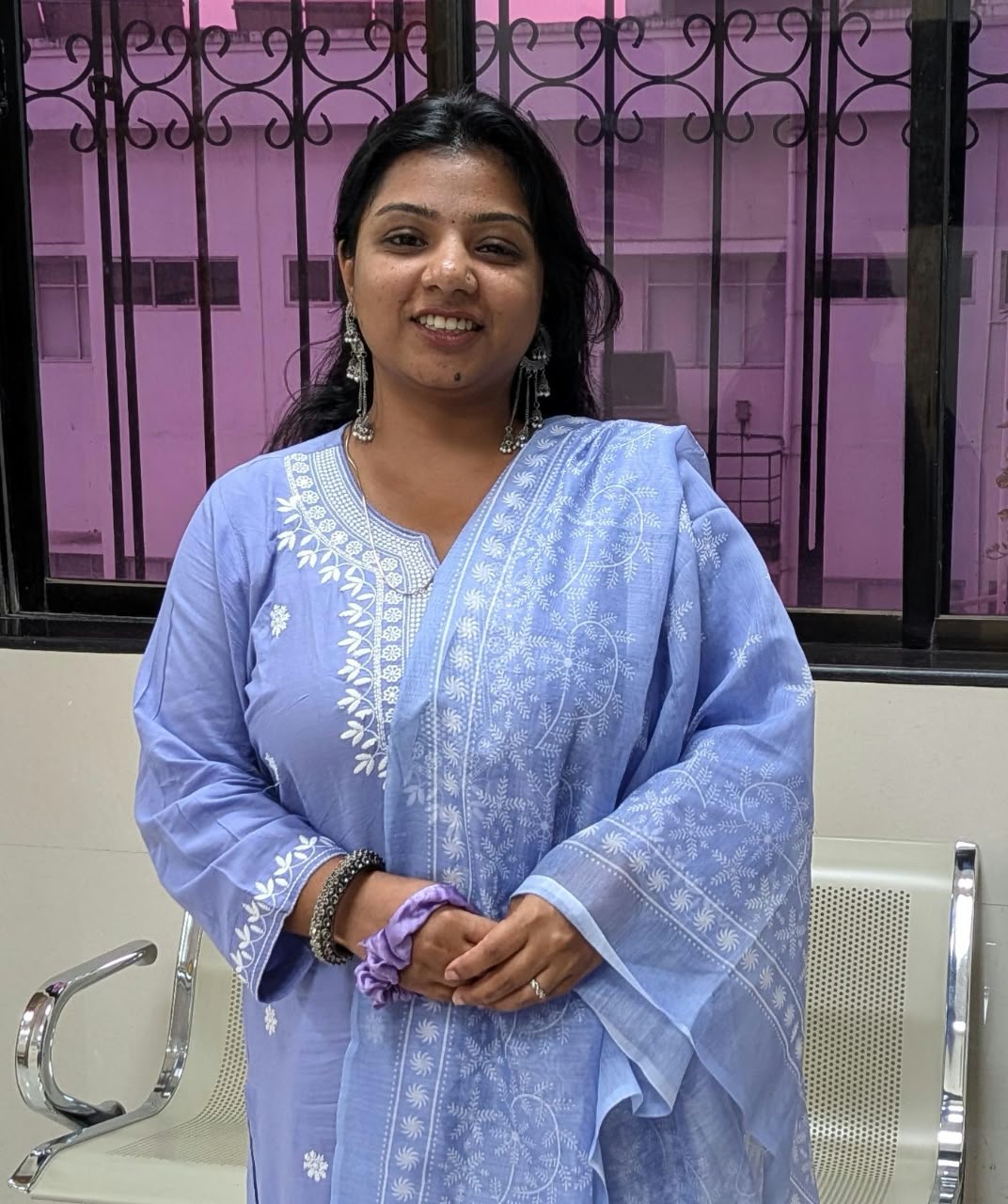
The accident also affected her family. Her parents remained by her side during treatment, while her mother had to give up work to care for her. The family faced considerable emotional, physical and financial difficulties during the recovery period.
Together, these accounts highlight that surviving a road crash is often only the beginning of a much longer journey involving medical care, physical rehabilitation, psychological recovery and the challenge of regaining financial independence.
When personal loss leads to public action
The Remembrance Wall also featured the story of Dadarao Bilhore, who lost his 16-year-old son, Prakash, in July 2015 after the motorcycle on which he was travelling pillion hit a rain-filled pothole on Mumbai's Jogeshwari-Vikhroli Link Road.
A month after his son's death, Dadarao began filling potholes across Mumbai using broken paver blocks, gravel and debris. What began as an effort to prevent other families from experiencing a similar loss grew into sustained work on road safety.
Over the years, he filled more than 1,450 potholes and came to be known as 'Pothole Dada'. His work also helped inspire the Fill in the Potholes Project and the Spothole app, which allows citizens to report potholes through photographs and GPS locations.
His story brings another dimension to the road safety conversation: the role of road infrastructure and the need for public authorities and communities to address unsafe road conditions before they lead to further loss of life.
The role of CSR in road safety and rehabilitation
The experiences of survivors also raise questions about the support available to people and families after a road crash. While emergency medical intervention can be critical to saving lives, recovery may involve months or years of rehabilitation, psychological support and livelihood assistance.
India's CSR framework already recognises road safety as an eligible area for corporate engagement. The Ministry of Corporate Affairs, through its General Circular No. 21/2014, clarified that road safety education, driver training and awareness activities can be undertaken under Schedule VII of the Companies Act, 2013. The clarification also recognises medical and legal aid and treatment for road crash victims under the healthcare provisions of Schedule VII.
The framework also covers the provision of aids and appliances for persons with disabilities under healthcare, while vocational skills and livelihood enhancement are recognised under the education and livelihood-related provisions.
This creates scope for companies to consider road safety as a sustained social development priority, rather than limiting their engagement to awareness campaigns. Structured CSR programmes could support access to rehabilitation, assistive devices, mental health services, vocational training and livelihood restoration for survivors, as well as assistance for families dealing with long-term caregiving responsibilities.
The Government has also introduced the Cashless Treatment of Road Accident Victims Scheme, 2025, which provides for cashless treatment of up to ₹1.5 lakh per victim for a maximum period of seven days from the date of the accident, subject to the scheme's provisions. This is an important measure for timely emergency care. However, the longer recovery journeys described by survivors point to the need for continued attention to rehabilitation and support after the immediate treatment period.
Making space for stories and remembrance
Through the Remembrance Wall, Parisar and RSN sought to create a public space where survivors and affected families could share experiences that often remain unheard.
Visitors and pedestrians at Marine Drive were invited to contribute their own stories, either as survivors or as people who had lost someone or knew someone affected by a road crash. They could write a few words on flower-shaped stickers and add them to the installation, gradually building a collective space for remembrance and solidarity.
Following its display at Marine Drive from 18 to 22 November, the installation was scheduled to be moved to the Tardeo Regional Transport Office (RTO), allowing the stories to remain accessible to people visiting the office beyond the World Day of Remembrance programme.
The stories on the Remembrance Wall bring attention to an aspect of road safety that is often less visible: the lives that continue to be affected long after a crash. For survivors, recovery may mean learning to walk again, adapting to permanent disabilities, returning to work or dealing with the psychological consequences of the incident. For their families, it can mean taking on new responsibilities, giving up employment and navigating financial uncertainty.
Recognising these experiences is essential to a more comprehensive approach to road safety, one that places equal importance on preventing crashes, saving lives and ensuring that survivors and their families have access to the support they need to rebuild their lives.





.JPG)