How Traditional Crafts Are Preserving India's Heritage and Strengthening Artisan Livelihoods
.JPG)
Every handcrafted product tells two stories. One is of India's rich cultural heritage, preserved through techniques passed down over generations. The other is of the artisan families whose livelihoods depend on whether those products ultimately find a market. While the first story is often celebrated, the second has increasingly become central to conversations around sustainability, economic inclusion and responsible business.
Across India, thousands of artisans continue to practise traditional crafts that have survived for centuries despite changing consumer preferences, industrialisation and the rise of mass produced alternatives. Their work not only preserves artistic traditions but also sustains local economies, generates rural employment and keeps indigenous knowledge systems alive. However, ensuring the future of these crafts requires more than preserving skills. It calls for sustained market access, stronger industry partnerships, design innovation, institutional support and informed consumers who recognise the value behind every handcrafted product.
Increasingly, businesses, CSR initiatives, industry platforms and governments are acknowledging that artisan development is not merely about preserving heritage but also about creating sustainable livelihoods. The experiences of artisans such as Raisuddin from the Khurja pottery cluster in Uttar Pradesh and Rakesh Petigara, a fourth generation practitioner of Gujarat's rare Sadeli Wood Craft, together with insights from Arun Roongta, Managing Director, HGH India, demonstrate how cultural preservation and economic empowerment can reinforce each other when supported by the right ecosystem.
Heritage and Livelihoods Go Hand In Hand
For Arun Roongta, the conversation around traditional crafts must extend beyond culture to focus equally on livelihoods and sustainability. "Culture is the soul of these crafts, but livelihood is what keeps that soul alive," he observes, explaining that behind every handcrafted product is a family, often spanning generations, whose income, dignity and future depend on whether that craft finds a market. He believes that when discussions remain limited to cultural appreciation, artisans are celebrated without necessarily creating opportunities to sustain their livelihoods.
Roongta views artisan development as sitting at the intersection of heritage preservation and economic inclusion. Supporting traditional crafts, he says, contributes to rural livelihoods, reduces migration to cities for unskilled work and strengthens sustainable supply chains rooted in natural and eco-friendly materials. In his view, artisan development is not only a cultural responsibility but also a responsible business imperative that contributes to India's broader sustainability and inclusive growth agenda. He maintains that artisans should not be seen merely as beneficiaries of support but as business partners whose skills contribute to India's sustainable economy.
This understanding is reflected in the journeys of artisans who continue to preserve age old traditions while adapting to changing markets.
Raisuddin, who has spent years preserving the legacy of Khurja pottery, sees the craft as both a cultural inheritance and a means of sustaining livelihoods. He says the continued appreciation for handcrafted pottery has inspired him to carry forward the tradition. Calling Blue Pottery "one of the most renowned forms of Mughal art," he says, "Even in today's highly computerized and modern world, there is no real substitute for handcrafted pottery." The enduring demand for handcrafted products has reinforced his commitment to preserving the craft while ensuring that its skills and knowledge are passed on to future generations. Seeing young artisans develop an interest in pottery gives him confidence that the tradition will continue. "This craft is not just a profession for us; it is an important part of our cultural identity and legacy," he adds.
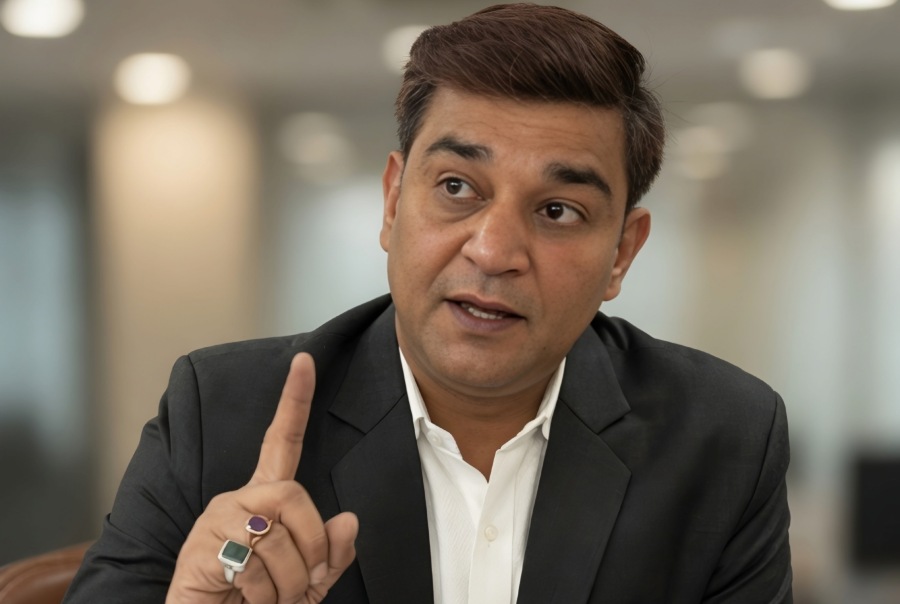
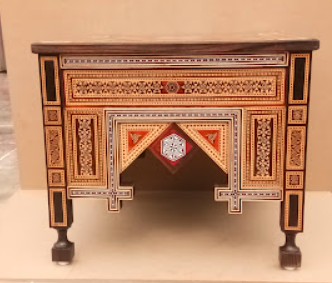
A similar sense of responsibility drives Rakesh Petigara, whose family has practised Sadeli Wood Craft in Surat for more than a century. Describing the craft as "my identity, my family's legacy, and an important part of Surat's cultural heritage," he recalls watching his father and grandfather patiently create intricate geometric patterns entirely by hand. As the number of practising artisans declined because of low incomes, changing markets, limited awareness and the time intensive nature of the work, he realised that preserving Sadeli would require far more than simply continuing a family tradition.
Instead of pursuing another profession, Petigara dedicated himself to reviving the craft through innovation, documentation, exhibitions, workshops and collaborations with designers and educational institutions. "My aim has never been just to continue a family tradition; it has been to ensure that this unique craft survives for future generations and receives the recognition it truly deserves both nationally and internationally," he says.
More Than Art, a Living Cultural Legacy
The value of India's traditional crafts extends far beyond their aesthetic appeal. They embody centuries of accumulated knowledge, cultural identity and craftsmanship that cannot easily be recreated once lost.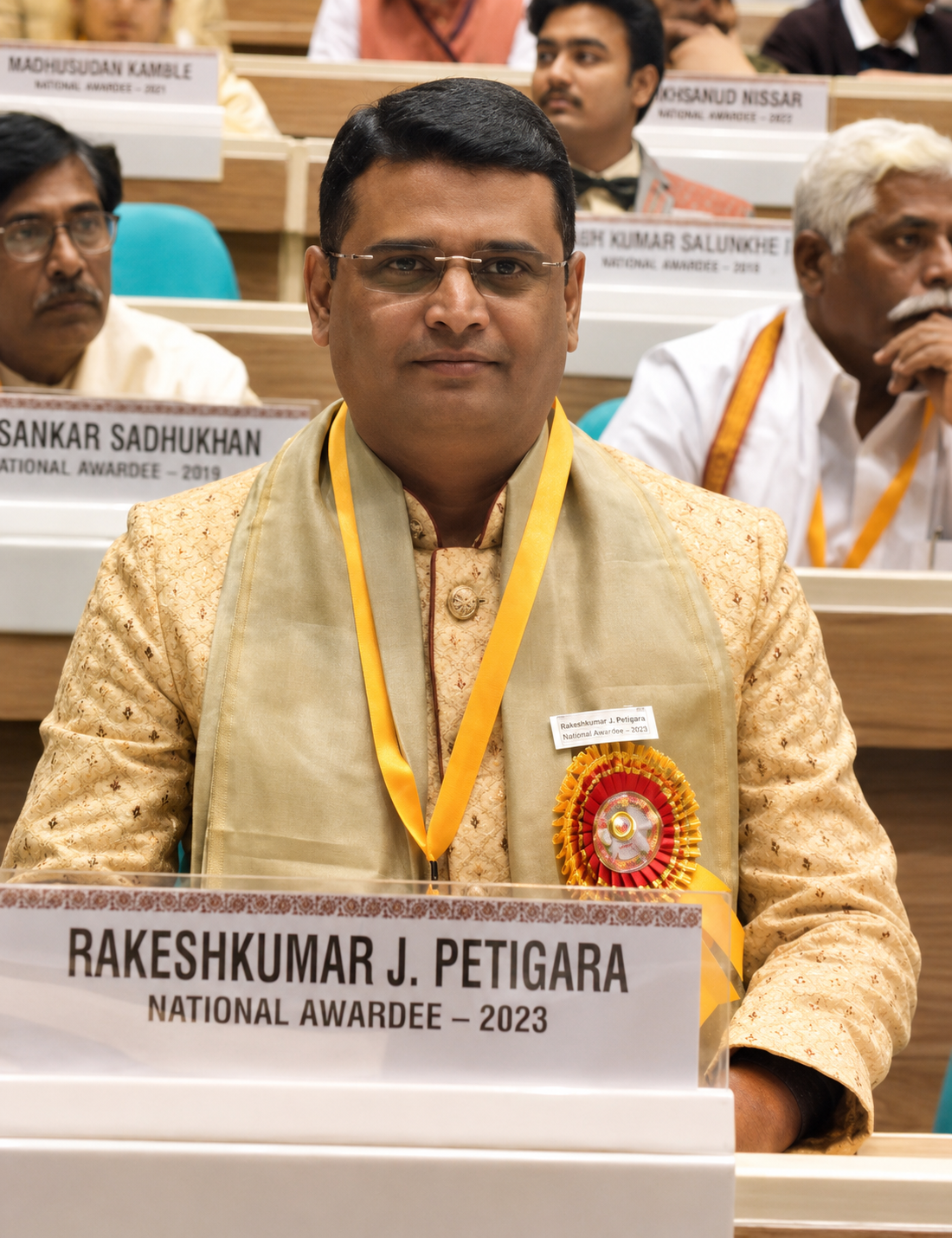
Petigara explains that every Sadeli creation reflects generations of mathematical precision, craftsmanship and cultural exchange while also representing Surat's historic role as a trading centre where Indian and Persian artistic traditions came together. This unique fusion of influences, he explains, makes Sadeli not merely a decorative craft but also a reflection of the rich history of Surat, where Indian and Persian artistic traditions blended together. "Artistically, we would lose techniques that cannot be replicated by machines," he says, explaining that every pattern is painstakingly assembled by hand using tiny pieces of different natural woods and requires years of specialised training to master.
He argues that losing such crafts would erase far more than artistic traditions. It would also mean losing valuable knowledge that connects communities with their history, ancestors and cultural identity. The social consequences would be equally significant as artisan families that have depended on these skills for generations gradually lose sustainable livelihoods, discouraging the next generation from continuing the craft. Preserving endangered traditions, he believes, therefore means protecting cultural identity, supporting employment, encouraging environmentally responsible handmade production and safeguarding India's extraordinary diversity of traditional knowledge.
Raisuddin shares a similar outlook. For him, preserving Khurja pottery means ensuring that future generations inherit a living tradition rather than one confined to museums or history books. Passing on these skills to younger practitioners, he feels, is essential if the craft is to flourish for years to come.
Balancing Tradition With Innovation
While traditional crafts are rooted in centuries old techniques, artisans have consistently adapted to changing consumer preferences without compromising authenticity.
 Raisuddin says consumer demand has evolved significantly over the years, particularly in the home décor segment where buyers increasingly seek products that are both functional and aesthetically appealing. In response, artisans have introduced new designs, colour combinations and product categories while retaining the craftsmanship that distinguishes Khurja pottery. The growth of e-commerce and digital platforms has further encouraged artisans to innovate and reach wider audiences. At the same time, he emphasises that every product continues to retain the handcrafted touch that makes Khurja pottery unique.
Petigara believes innovation has also been essential in keeping rare crafts such as Sadeli relevant. Through collaborations with designers and educational institutions, he has demonstrated that traditional craftsmanship can find contemporary applications while remaining faithful to its original techniques. Such partnerships, he says, not only introduce heritage crafts to new audiences but also encourage young practitioners to see them as viable and meaningful careers.
Craft Clusters That Strengthen Local Economies
The contribution of traditional crafts extends well beyond preserving India's cultural heritage. They generate employment, strengthen local economies and improve the quality of life for artisan families.
According to Raisuddin, the handicraft pottery sector directly and indirectly provides employment to more than 200 families in Khurja. For many households, pottery represents far more than a source of income. It is a legacy passed down through generations that has created opportunities for education, better living standards and greater financial stability. By generating employment locally, the industry also enables families to remain rooted in their communities instead of migrating elsewhere in search of work.
The wider Khurja pottery cluster today comprises more than 450 units and provides employment to approximately 25,000 workers, underlining the sector's importance as both a cultural and economic asset. Raisuddin is encouraged by the willingness of artisans to learn, innovate and adapt to changing times. He believes embracing new technologies, strengthening industry collaboration, improving market access and investing in skill development will help secure the future of Khurja pottery while preserving its traditional character.
Yet sustaining these livelihoods is becoming increasingly difficult as artisan communities face a range of structural challenges. Rising production costs, limited awareness, access to markets and attracting the next generation to traditional crafts continue to test the resilience of artisans across the country. Addressing these issues, the artisans believe, will require coordinated support from businesses, governments, industry platforms, CSR initiatives and consumers alike.
Addressing Persistent Challenges
Even as artisan communities continue to preserve centuries old traditions and adapt to evolving consumer preferences, they face several structural challenges that threaten the long term sustainability of their crafts.
For Raisuddin, one of the most pressing concerns for the Khurja pottery industry is the rising and unpredictable cost of firing fuel, which directly affects both production and transportation expenses. Smaller pottery units often find it particularly difficult to absorb these costs while remaining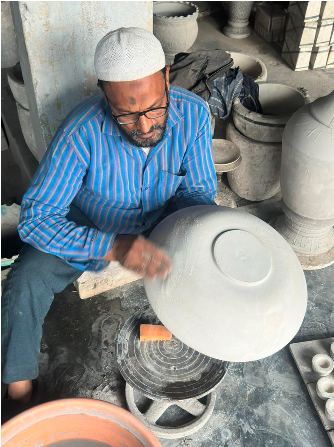 competitive. Increasing competition in the marketplace has also made it essential for artisans to continuously focus on quality and innovation.
Despite these challenges, Raisuddin remains optimistic about the future. He says younger artisans are increasingly bringing fresh ideas, contemporary designs and semi automated processes that improve efficiency while respecting traditional methods. Better training opportunities and improved market access, he believes, will enable artisans to overcome these challenges more effectively.
Rakesh Petigara identifies economic sustainability as the greatest challenge facing practitioners of Sadeli Wood Craft. The craft demands exceptional patience, precision and time, yet the financial returns often fail to match the effort involved. As a result, many young people are drawn towards careers that promise quicker and more stable incomes.
He also points to limited awareness as a major obstacle, observing that many consumers, and even designers themselves, have never encountered authentic Sadeli craftsmanship firsthand, limiting appreciation as well as demand.
Training presents another challenge because mastering the craft requires years of dedicated practice. Every stage, from preparing tiny wooden pieces to assembling intricate geometric patterns, demands specialised skills that cannot be acquired through short term courses.
In addition, artisans frequently struggle with access to quality raw materials, modern tools, branding, digital marketing and international markets. Addressing these issues, Petigara notes, will require structured training programmes, financial support, stronger design collaborations, educational initiatives, improved promotion and long term policy support that encourages young artisans to continue these valuable traditions.
Building Markets That Sustain Craftsmanship
If preserving traditional crafts begins with artisans, sustaining them ultimately depends on one critical factor: market access. Without consistent demand and meaningful commercial opportunities, even the finest craftsmanship struggles to survive.
Arun Roongta believes visibility alone cannot secure the future of artisan communities. "Visibility is only the first step," he notes, explaining that the Indian Heritage Pavilion at HGH India was created to transform recognition into tangible business opportunities. Over the last 11 editions, the Pavilion has enabled artisans to engage directly with retailers, architects, interior designers and institutional buyers who have the potential to place orders, establish long term sourcing relationships and introduce handcrafted products into contemporary retail and design spaces.
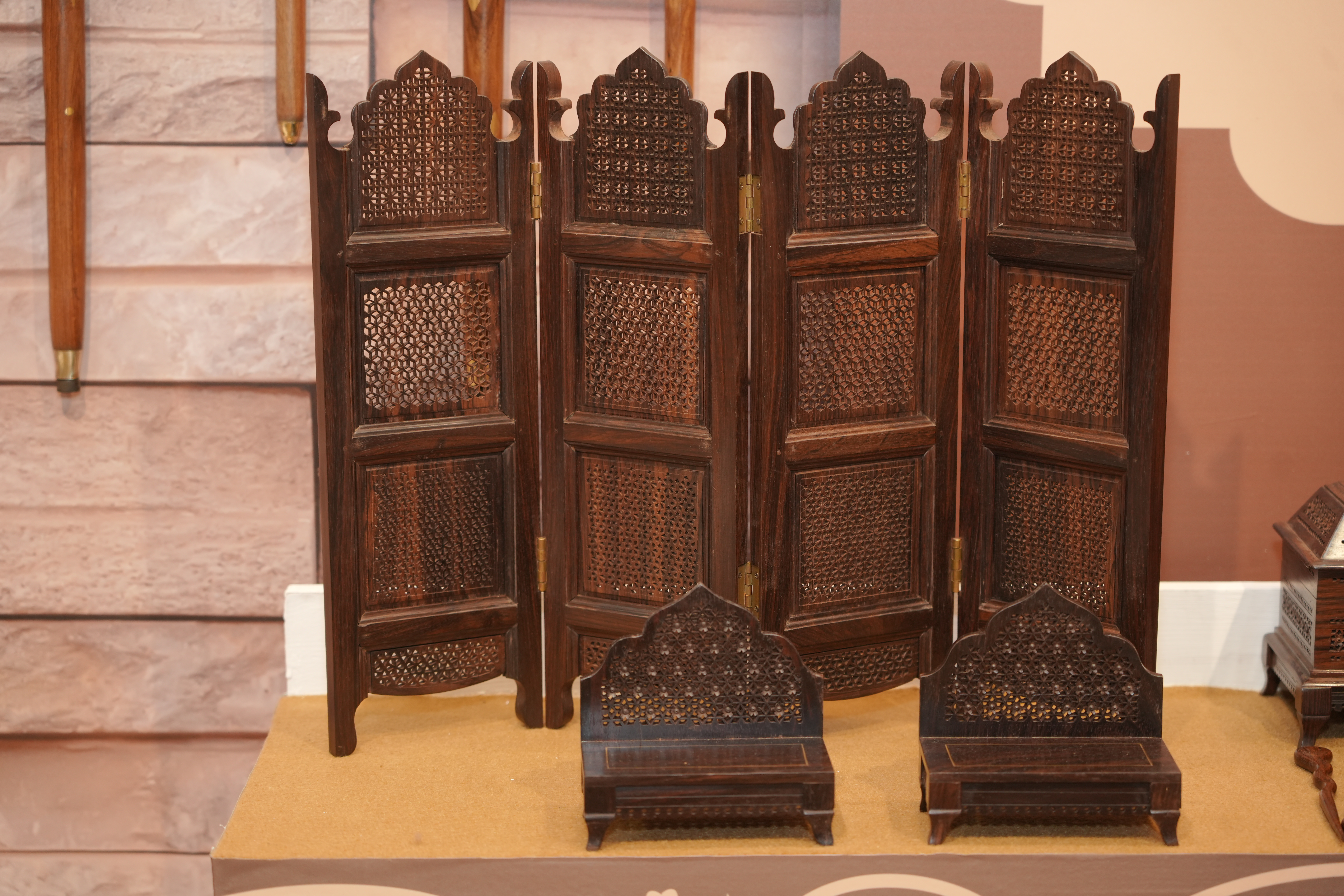
This year's Pavilion showcases an extensive range of handcrafted products across metal, wood, terracotta, ceramic, glass, bamboo, coir, jute, textiles and embroidery, all rooted in natural and eco-friendly materials. More importantly, Roongta points out that HGH India attracts more than 43,920 trade buyers from over 700 cities and towns across India and 32 countries, creating opportunities that extend far beyond product display. "The Pavilion isn't a display case, it's a genuine marketplace where artisans can generate real income and build sustainable buyer relationships," he says.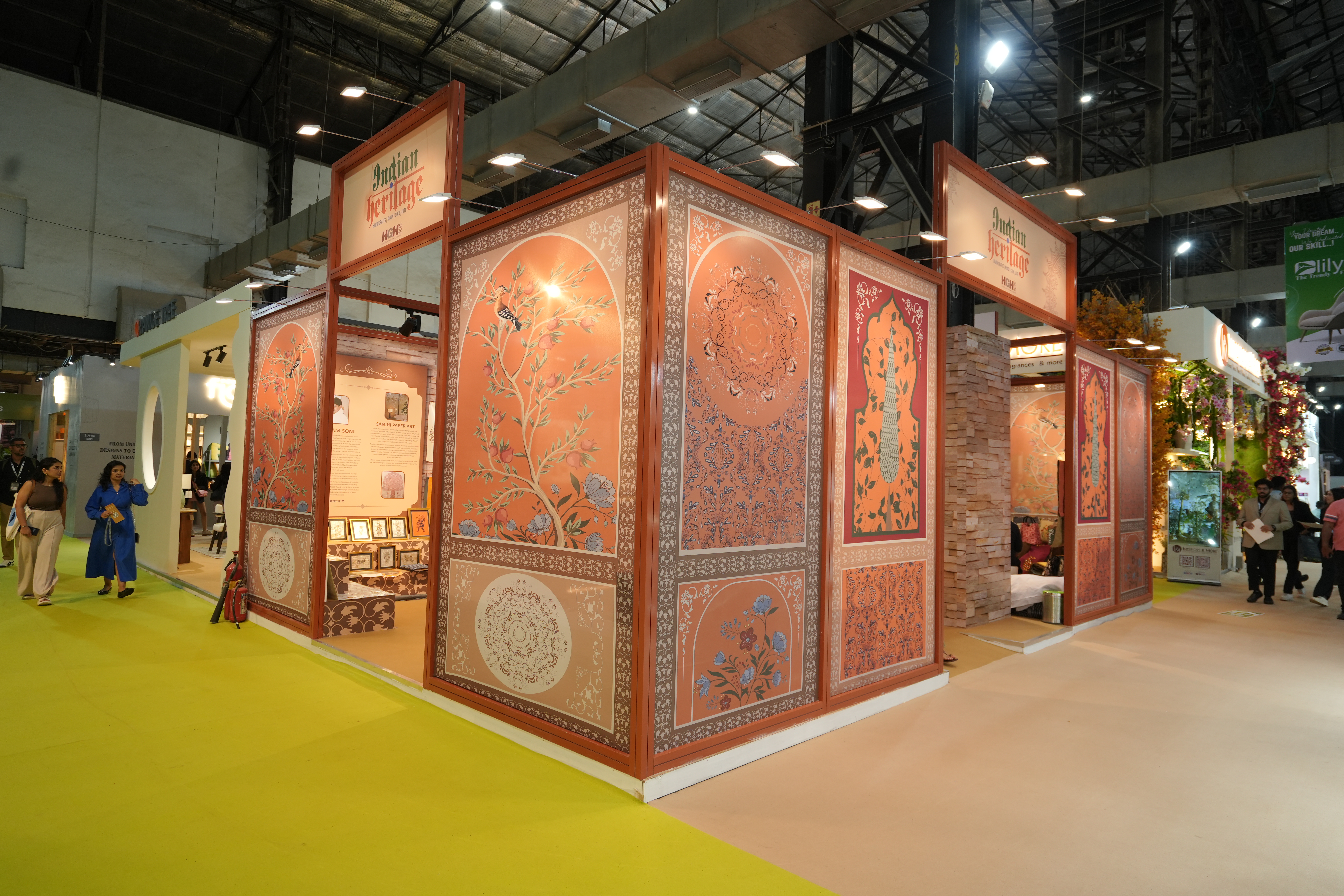
The value of such platforms is reflected in the experiences of artisans who have witnessed first hand how greater market exposure can transform livelihoods. Rakesh Petigara believes that no traditional craft can survive without sustained commercial viability. "No craft can survive purely on sentiment; it must also provide sustainable livelihoods for artisans," he explains, adding that buyers are far more likely to appreciate handcrafted products when they understand the story, skill, time and cultural significance behind every piece. According to him, exhibitions, museums, design fairs, media coverage and digital platforms all play an important role in educating consumers while creating opportunities for artisans to connect with domestic and international buyers. By telling the stories behind each craft, these platforms help consumers better appreciate the skill, time and cultural significance behind every handcrafted product, encouraging greater awareness and demand.
He also observes that international and luxury markets increasingly value authenticity, sustainability and craftsmanship. Connecting artisans directly with such markets not only improves incomes but also encourages younger generations to see traditional crafts as rewarding professions. In his view, every informed purchase directly supports artisan families while helping preserve centuries old knowledge systems. As global consumers increasingly seek handmade products with traceable origins and cultural value, traditional crafts such as Sadeli are well positioned to meet that demand if artisans receive adequate market access and branding support, Petigara points out.
Raisuddin shares a similar perspective. Although Khurja pottery has already found customers across India and overseas, he believes there is still tremendous scope for growth through stronger collaborations involving artisans, designers, retailers, exporters and government organisations. Such partnerships, he says, can strengthen product development, branding and market access while creating sustainable growth opportunities for artisan communities. Greater participation in trade fairs and international exhibitions would further showcase Indian pottery to global audiences, increasing recognition while generating additional employment and income.
Recognition That Opens New Doors
Recognition often becomes the foundation for wider opportunities, helping traditional crafts reach new audiences and markets. Reflecting on his own journey, Petigara says national exhibitions, international trade fairs and design collaborations have enabled him to interact directly with architects, interior designers, collectors, researchers, students and buyers who had never previously encountered Sadeli Wood Craft. These interactions have frequently developed into collaborations that combine traditional craftsmanship with contemporary design, demonstrating that heritage crafts can remain relevant in modern markets when supported appropriately.
Among the milestones that significantly enhanced the visibility of the craft, Petigara highlights receiving the National Handicrafts Award, which brought wider recognition to both his work and Sadeli Wood Craft. He also considers contributing to securing the Geographical Indication tag for Sadeli Wood Craft and its inclusion under the One District One Product initiative as major achievements that have strengthened the craft's identity while creating greater awareness among government agencies, institutions and consumers.
Every exhibition, collaboration and recognition, he believes, introduces new audiences to Sadeli while reinforcing the belief that traditional crafts can thrive in today's world when supported by sustained market opportunities and institutional backing.
Creating an Ecosystem for Sustainable Livelihoods
While artisans remain at the heart of India's craft traditions, ensuring their long term sustainability requires coordinated action from every stakeholder in the ecosystem.
According to Roongta, industry platforms such as HGH India provide an important meeting ground where artisans can connect with buyers and gain valuable market exposure. However, he believes no single stakeholder can secure the future of traditional crafts alone.
Corporates and foundations, he notes, can complement these efforts through CSR support for skill development, design innovation and working capital, enabling artisans to modernise without losing authenticity.
 Consumers also have an equally important role to play. As awareness grows about the effort, skill and cultural value behind handcrafted products, demand naturally follows. Looking ahead, Roongta emphasises that stronger coordination among industry platforms, corporates, foundations and other stakeholders, supported by better sharing of data on successful interventions and sustained long term commitment rather than one off initiatives, will be essential. Sharing evidence on successful models, buyer trends and livelihood outcomes can help stakeholders replicate what works and build more effective support systems for artisan communities across different craft clusters, Roongta adds. "When platforms, capital, and consumer consciousness move in the same direction, artisan ecosystems don't just survive, they grow," he emphasises.
Petigara echoes the need for collective responsibility. He believes preserving endangered crafts requires active participation from businesses, educational institutions, designers, museums, CSR initiatives, governments and consumers alike. He also suggests that CSR programmes can support artisan training centres, apprenticeships, documentation projects, design innovation and infrastructure development. Educational institutions can introduce traditional crafts into their curricula while organising workshops that encourage students to appreciate and engage with India's rich craft traditions.
Businesses can also collaborate with artisans to develop products suited to contemporary markets while respecting traditional techniques. Interior designers, architects and luxury brands have an important opportunity to integrate authentic handcrafted work into modern spaces, creating sustained demand for artisan communities.
Consumers, Petigara adds, contribute every time they choose genuine handmade products over mass produced alternatives. "The greatest support is creating long term opportunities rather than one time assistance," he says, explaining that consistent market access, fair pricing, recognition and respect give artisans the confidence to train the next generation.
His aspiration is for Sadeli to be recognised globally not merely as an endangered craft, but as a living symbol of India's extraordinary craftsmanship, innovation and cultural heritage.
A Shared Future
For Roongta, the way forward begins with changing how businesses perceive artisan communities. His appeal to corporate India is straightforward: "View artisans as business partners, not as recipients of goodwill."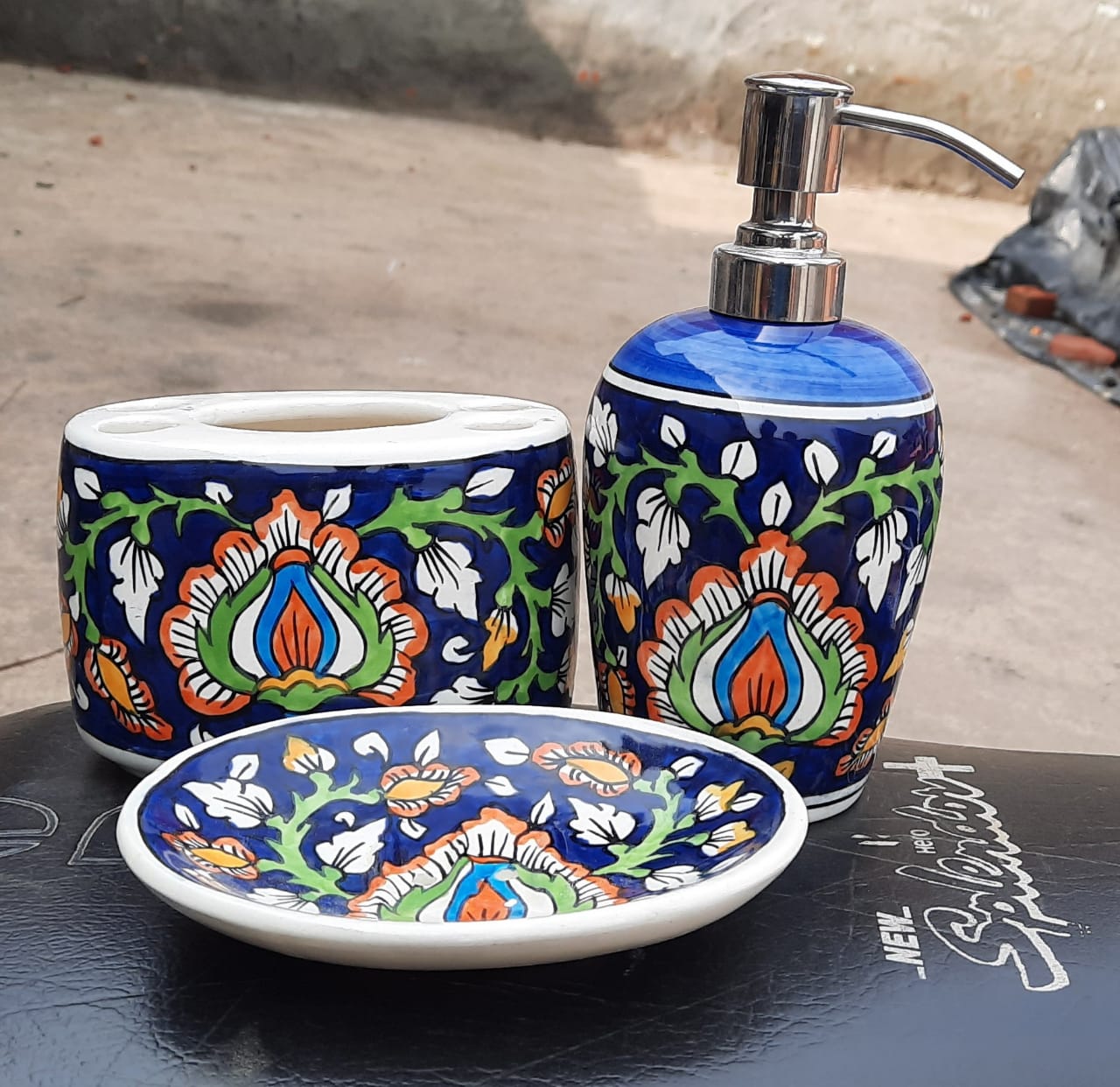
He believes corporate India possesses the resources, networks and market reach to transform artisan livelihoods through sourcing partnerships, sustained CSR investments and platforms that create meaningful market access.
"If even a fraction of that intent translates into consistent action, we can ensure that India's traditional crafts don't just survive as heritage, but thrive as a living, income generating part of our economy for generations to come," he says.
The experiences of Raisuddin and Rakesh Petigara demonstrate that India's artisans are already doing their part by preserving inherited skills, embracing innovation and adapting to changing consumer expectations. What they now require is an ecosystem that values their craftsmanship not only as a cultural asset but also as an important contributor to sustainable development and inclusive economic growth.
Every handcrafted product tells two stories. One reflects India's extraordinary cultural heritage, while the other speaks of the artisan families whose skills sustain that legacy. Ensuring that both stories continue together will require recognising artisans not simply as custodians of tradition, but as partners in sustainable development. As businesses, governments, industry platforms, CSR initiatives, educational institutions and consumers work together to strengthen market access, skills, innovation and long term opportunities, traditional crafts become more than symbols of India's past. They become engines of inclusive economic growth, resilient local economies and a living heritage that continues to shape the country's future.






.JPG)