
Making Employee Volunteering Count: TELUS Digital on Connecting People, Skills and Community Needs
Corporate volunteering is increasingly becoming an important part of how companies engage with social development. However, its value extends beyond the number of employees participating or the hours contributed. When aligned with community needs and supported by relevant resources, skills and technology, volunteering can complement wider CSR efforts and make employee engagement more purposeful.
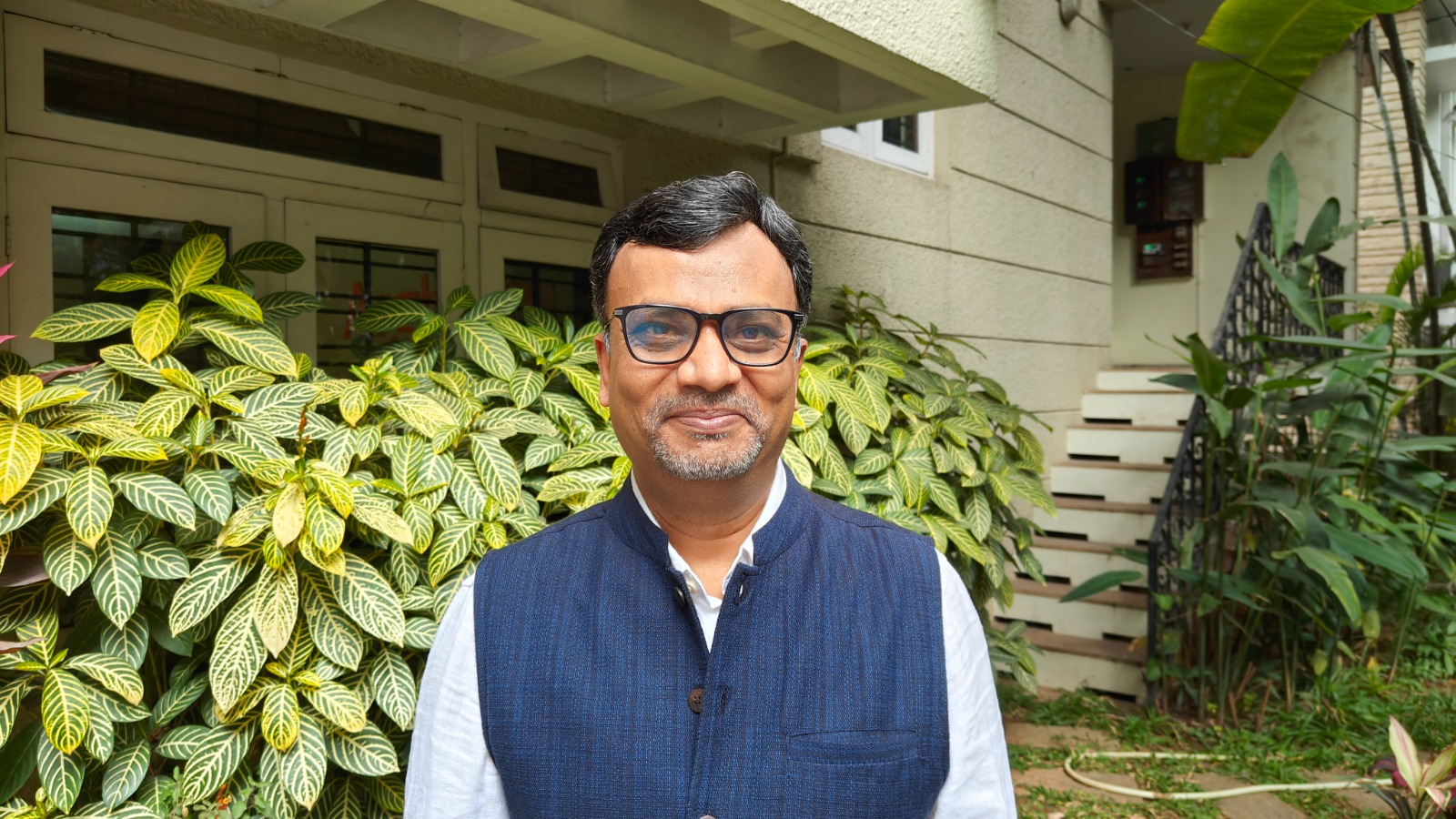
TELUS Digital's 2026 Days of Giving in India brought this approach to a government-aided school in Greater Noida, where employees worked alongside implementation partner iVolunteer to improve the learning environment through infrastructure upgrades, digital resources and student engagement. In this interview with TheCSRUniverse, Kapil Uniyal, Vice President, APACA for Digital Solutions and Global Head, Google Cloud Business, TELUS Digital, discusses how the company connects employee volunteering with its CSR priorities, integrates digital literacy and online safety into education initiatives, and seeks to assess impact beyond immediate project outputs. He also reflects on the role of corporate partnerships and how companies can make volunteering more responsive to community needs.
Scroll down for more insights:
Q. A conducive learning environment depends on more than classrooms and teachers. Access to sanitation, digital resources, reliable energy and sports facilities also shapes students' learning experiences. What gaps did TELUS Digital identify at Shri Gandhi Inter College, and how did these shape the intervention planned under TELUS Days of Giving 2026?
A. We approached this initiative by listening first. Working closely with the school administration and our partner iVolunteer, we identified specific gaps: classroom ceilings that needed waterproofing, an unreliable power supply, limited digital infrastructure, and basic amenities like seating and sanitation that needed attention.
We planned each part of the project around these findings. Our team renovated and waterproofed nine classrooms, installed a 10 kW off-grid solar system to give the school a dependable source of electricity, and donated 30 laptops for the computer laboratories. We also refurbished 250 benches, repainted five science laboratories and the library, and added a new water cooler and sports equipment. To complement the laptops, we introduced TELUS Wise so students could learn how to stay safe online.
Because these needs affect one another (laptops are only useful with reliable power, for example), we chose to address them at the same time, giving the school a stronger foundation for teaching and learning.
Q. How does TELUS Digital connect employee participation with community needs, and what makes volunteering a valuable part of its CSR approach?
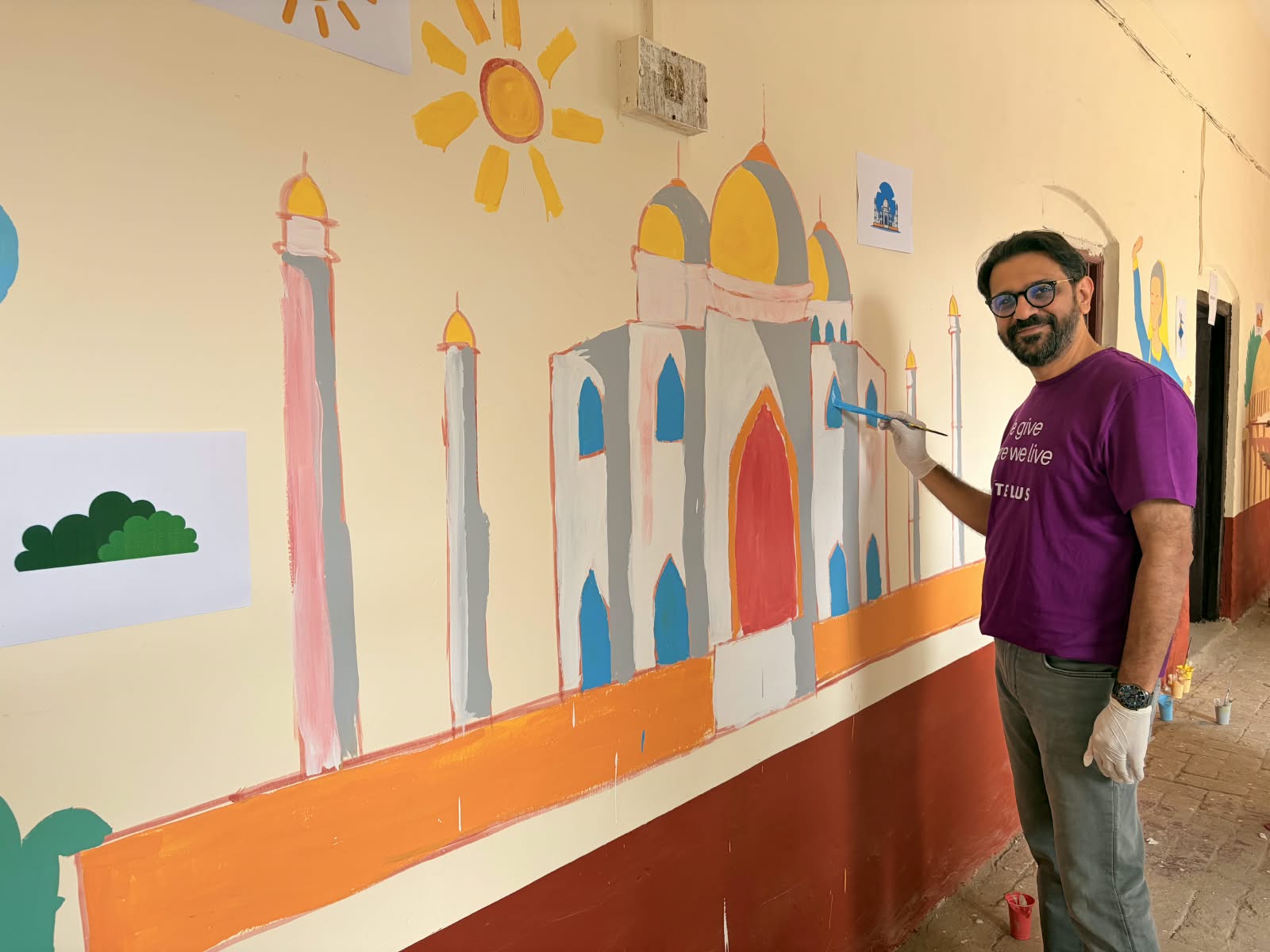
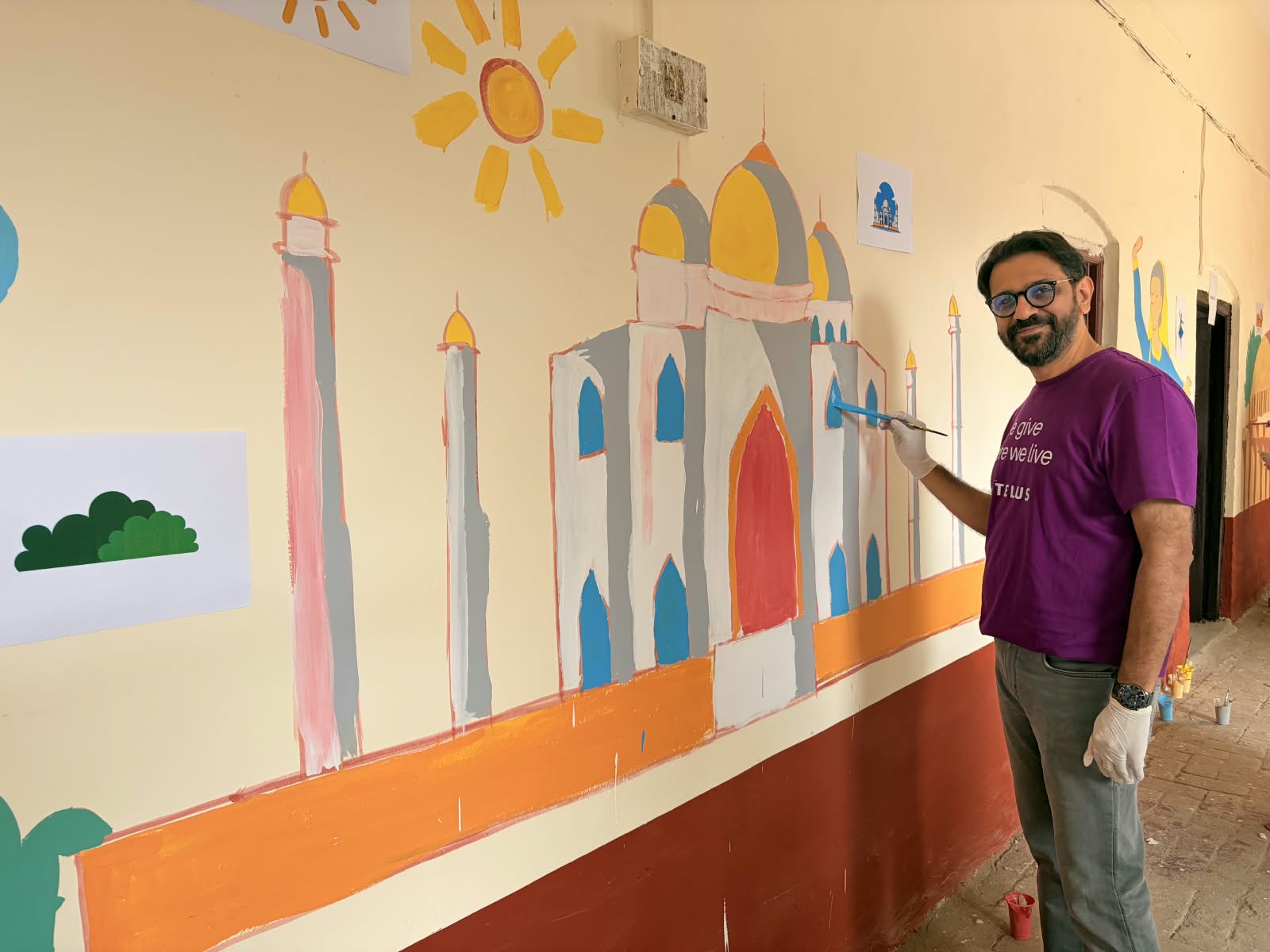
A. We find volunteering has the most impact when it responds to what a community has told us it needs. Before our 750-plus volunteers arrived, we worked with the school and iVolunteer to identify the support that would last. That included painting murals that also work as learning aids and refurbishing the benches students use every day, so our team members' time went into things that the school community could see and use.
Volunteering also creates connections that are difficult to build through funding alone. When colleagues spend a day painting hallways or speaking with students about digital safety, they see the results of their work directly and tend to feel more invested in the outcomes. For many of our team members, that experience carries over into longer-term engagement with community causes.
For us, effective CSR is about people showing up, listening and contributing their time meaningfully. That combination of needs-led planning and hands-on participation is what makes volunteering a cornerstone of our approach.
Q. The project combines infrastructure improvements with digital learning resources and solar energy. How does TELUS Digital ensure that these investments remain functional and support learning over the longer term?
A. We approach interventions like this one as interconnected systems rather than standalone projects. A few months ago, at the Government High School in Sarjapura, Karnataka, our 700 team members participated in a TELUS Day of Giving event focusing on revitalising the school and providing essential life and educational resources. We also had the opportunity to provide career guidance and interact with students, encouraging them to pursue their aspirations.
The physical upgrades and digital resources we provide are designed to complement each other. For example, we donated 30 laptops and helped install a 10 kW off-grid solar system so the school has reliable power to use the devices. Similarly, where possible, we design classroom and hallway murals around educational themes so the school walls can support what students are learning.
We also introduced TELUS Wise, our digital safety programme, alongside the laptop donation. Giving students access to technology is only one part, as they also need to know how to use it safely and responsibly. Pairing new equipment and energy improvements with digital literacy training is how we try to make sure the school gets lasting value from our efforts. We hope this helps the school keep building on these improvements well after the event.
Q. Corporate volunteering is often measured through participation numbers and volunteer hours. How does TELUS Digital assess whether its initiatives are translating into meaningful and lasting benefits for the communities they serve?
A. We recognise that renovated classrooms and donated equipment are meaningful starting points, but true impact is measured over time. Across our CSR efforts in India, our Community Board tracks engagement through the number of individuals directly benefited, volunteer hours contributed, and the number of projects supported each year.
This year alone, we have invested more than 30 million rupees across 14 CSR projects, directly benefiting over 7,000 individuals, with more than 1,700 team members contributing almost 5,000 volunteer hours.
For school-based initiatives specifically, we aim to build ongoing relationships rather than one-time engagements, so we can understand how improvements are being used and maintained over time.
Our hope is that we have started a long relationship with Shri Gandhi Inter College and its community so we can stay engaged and responsive to their evolving needs. We continue to refine how we track outcomes, and we see continued dialogue with schools and partners as an essential part of understanding lasting impact.
Q. Digital inclusion goes beyond access to devices. How does TELUS Digital integrate digital literacy and responsible online behaviour through initiatives such as TELUS Wise, particularly for students from underserved communities?
A. Digital inclusion requires equipping students with the knowledge to navigate the online world safely and confidently. TELUS Wise in India focuses on building awareness of online safety, security and responsible digital behaviour.
For many students at Shri Gandhi Inter College, this may be among their first consistent experiences with the internet, so we felt a responsibility to ensure those experiences start on the right foot. Our volunteers localised the programme's content, incorporating guidance aligned with the Indian Computer Emergency Response Team, so students receive practical, locally relevant knowledge on recognising risks such as identity theft and online fraud.
We believe that teaching digital citizenship today helps students become confident, responsible participants in tomorrow's digital world.
Q. Employee volunteering can mobilise valuable skills and resources, but its impact depends on continuity. What makes corporate volunteering effective beyond a single day of engagement, and how can companies sustain its benefits for communities?
A. TELUS Days of Giving is intentionally framed as part of a year-round culture of giving back. This year, our team members have supported initiatives across education, employment, health and environmental causes.
We find that volunteering is most effective when it's paired with genuine relationship-building with the community it serves. Lasting impact requires companies to stay engaged after an initial activity, whether through follow-up visits, continued support for programmes like TELUS Wise, or responding to changing needs identified by the community itself.
We believe this consistency, paired with listening to community needs over time, is what allows the benefits of volunteering to compound well beyond a single day.
Q. Individual CSR projects can address immediate gaps, but improvements in public education require sustained collaboration. How can companies work with government institutions, schools and civil society to strengthen existing education systems rather than create isolated interventions?
A. We have seen that meaningful impact comes from collaboration, not from companies acting alone. At Shri Gandhi Inter College, our approach was shaped by close coordination with the school administration and our implementation partner, iVolunteer, to ensure our support addressed the institution's actual priorities rather than imposing an external agenda.
This kind of partnership model, working alongside existing institutions rather than around them, helps ensure interventions are relevant, sustainable and respectful of local context. We see our role as complementing the work already being done within government-aided schools like Shri Gandhi Inter College, which has served its community for 78 years, rather than replacing or duplicating it.
Companies can contribute meaningfully by bringing resources, technology and volunteer energy to support priorities identified by schools and local stakeholders themselves. We see this as a model that other organisations can adopt when working with public education institutions.
Q. Beyond providing devices and connectivity, where can technology companies make the greatest contribution to equitable and inclusive development in India?
A. At TELUS Digital, we think one of the most useful things technology companies can do is make sure access comes with the skills and support people need to use it well. At Shri Gandhi Inter College, that meant pairing our laptop donation with a solar power system, so the school has reliable electricity to run the devices, and with TELUS Wise sessions to build students' awareness of online safety.
Digital literacy and online safety education are areas where we see particular need, especially in communities coming online for the first time. People who are new to the internet can be more vulnerable to scams and privacy risks, so practical guidance early on can help them use these tools with confidence.
There is also space for companies to invest in the basics that make technology usable, such as dependable power and well-equipped learning spaces. When these pieces are planned together, digital inclusion programmes are more likely to create lasting opportunities for the communities they're meant to serve.





.png)