Driving Sustainability Beyond the Showroom: Globe Toyota’s Roadmap to Circular and Responsible Dealership Operations
As India’s automotive sector evolves, sustainability is increasingly becoming an integral part of responsible and future-ready business operations. For automotive dealerships, this means looking beyond vehicles to address resource efficiency, waste management, water conservation, energy use and the broader environmental footprint of everyday operations.
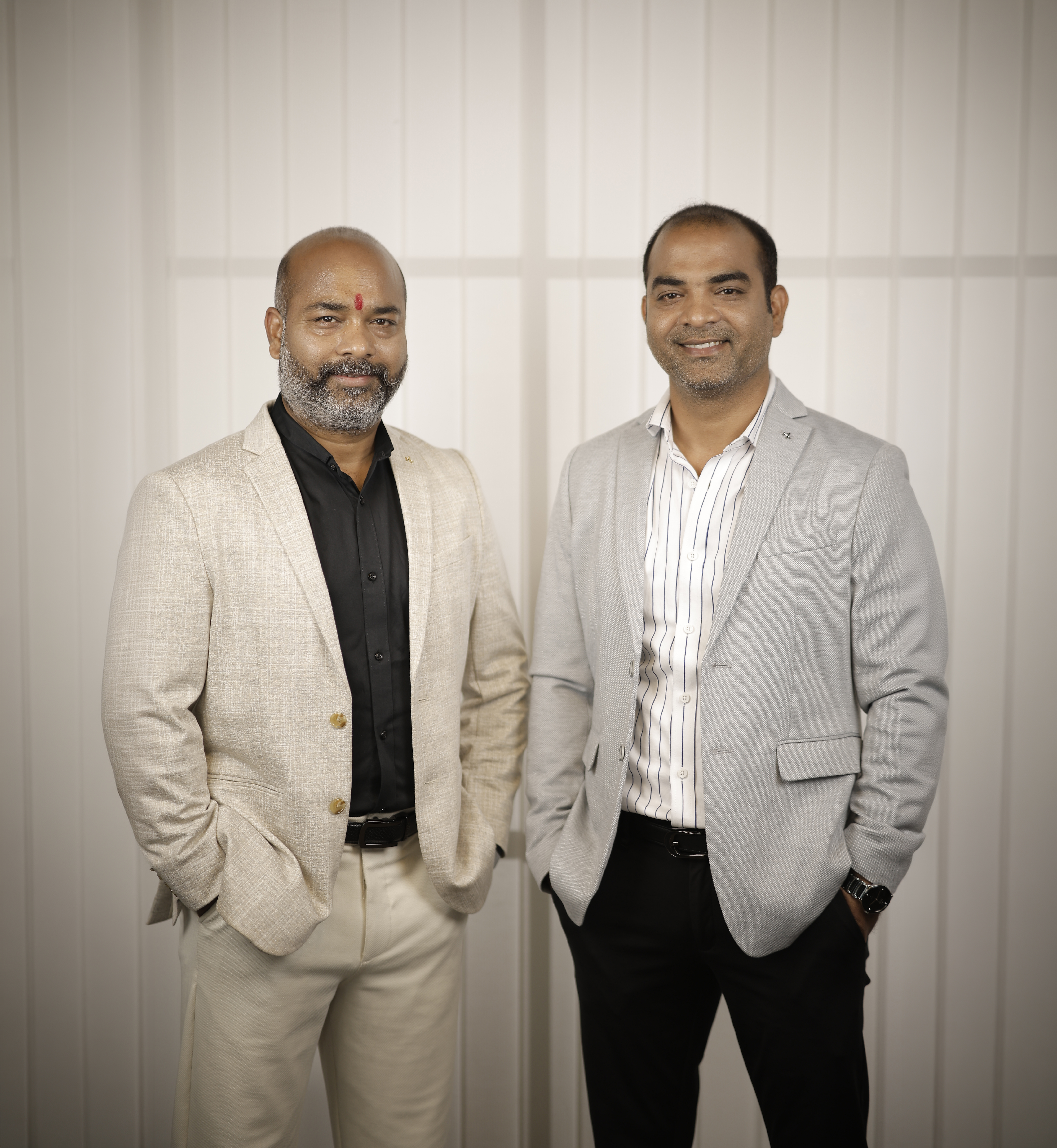
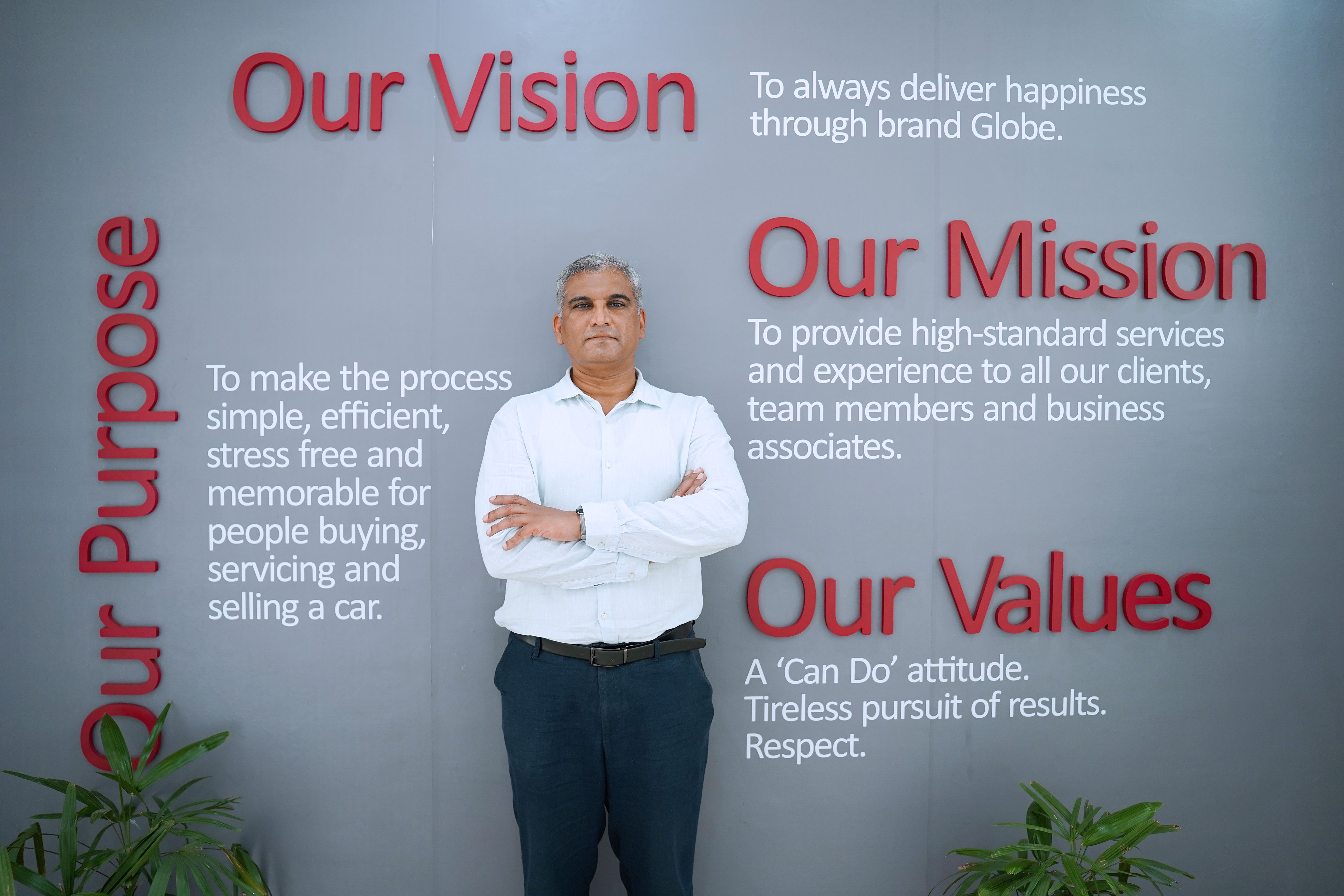
In this exclusive interaction with TheCSRUniverse, Mr. Vivek Datta, MD & CEO, Globe Toyota, a JCBL Group Company, shares insights into the company’s evolving sustainability journey and its partnership with BioTradX to strengthen resource recovery and circular waste management across its dealership network in Punjab and Haryana. The conversation explores how the responsible management of used engine oil, metal scrap and other recyclable materials can contribute to a more structured circular economy approach.
Datta also discusses Globe Toyota’s efforts in water conservation through effluent treatment and recycling systems, automated car wash technologies, renewable energy adoption and technology-enabled sustainability monitoring. He highlights the importance of embedding sustainability into everyday decision-making through employee engagement, training, measurable targets and accountability.
Looking ahead, Datta outlines Globe Toyota’s ambition to reduce its carbon footprint by 50% by 2030 and discusses potential avenues including battery recycling, plastic recovery and expanded circular resource management. He also shares his long-term vision of building a dealership network where environmental responsibility, operational excellence and customer experience work together to create lasting value.
Read the full interview below:
Q. What inspired Globe Toyota to partner with BioTradX, and what strategic value does this collaboration bring to your sustainability journey?
A. At Globe Toyota we believe sustainability has to be built into the way we do things and not as a stand-alone initiative. “We chose to partner with BioTradX because we share their dedication to responsible resource management and the circular economy. They have the experience and systems to recover valuable resources in a structured and compliant way. For us, this partnership is more than waste management – it develops our sustainability ecosystem, enhances operational responsibility and reinforces our dedication to delivering long-term environmental value for our customers and communities.
Q. How will this partnership strengthen resource recovery and circular waste management across your dealership network?
A. Our aim is to implement this initiative in a phased and systematic manner at all Toyota dealerships in Punjab and Haryana,” he added. BioTradX will collect, process and, where possible, reintroduce into the value chain, recoverable materials such as used engine oil, metal scrap and other recyclable waste. This allows us to reduce waste, recover valuable resources and make progress toward a more circular and sustainable operating model across our dealer network.
Q. Why is responsible management of used engine oil and other recoverable materials becoming increasingly important for the automotive dealership sector?
A. With the automotive industry evolving, environmental responsibility is becoming as important as operational excellence. The scientific method of handling and disposing of used engine oil should be adopted because it has a very serious impact on soil and water resources if not properly managed. At the same time, customers, regulators and industry stakeholders are increasingly demanding that companies adopt responsible environmental practices. Good resource management is thus not only an environmental responsibility but also a key factor in trust building and long-term business sustainability.
Q. Globe Toyota has made significant progress in reducing carbon emissions and water consumption. Which sustainability initiative has delivered the most meaningful impact so far, and why?
A. “One of the most meaningful and measurable of our sustainability initiatives has been water conservation. We have Effluent Treatment Plants (ETPs) which help us recycle and reuse water for washing vehicles and save thousands of liters of water every month. “We have invested heavily in automated car wash systems which optimize the use of water and detergent, and ensure better cleaning quality with minimum human interference. Combined, these efforts show how technology can be used to boost operational efficiency and protect valuable natural resources.
Q. How do you ensure that sustainability becomes part of everyday operations across your dealerships rather than remaining an ESG commitment on paper?
A. Sustainability will only have a real impact when it is embedded in the culture of an organization. We integrate sustainability in our daily operations through formal processes, training our employees, setting metrics for success and reviewing them regularly. We call on all dealerships to make measurable improvements in water conservation, waste management and energy efficiency. When held to the same level of accountability as any other business objective, sustainability becomes embedded in daily decision-making.
Q. What role do technology and digital platforms play in making sustainability initiatives more transparent, efficient and measurable?
A. Technology is the key to turning intentions into action for sustainability. We can monitor energy use, water recycling, waste recovery and other key environmental factors in real time through digital platforms.” This insight helps our teams understand areas for improvement, hold people accountable and make data driven decisions. Most importantly technology-enabled transparency helps to create an environment where sustainability performance is visible, measurable and continuously improved.
Q. How important are collaborations and partnerships in achieving Globe Toyota's long-term sustainability goals, and what do you look for in the right partners?
A. Sustainability is a collective responsibility and only through strong partnerships along the value chain can we make major progress. No single organization can tackle environmental issues alone. We are looking for partners that show regulatory compliance, operational excellence, innovation and a real commitment to responsible business practices. Equally important is values alignment. Sustainable partnerships are built on trust, transparency and a common vision for growth.
Q. What have been the biggest challenges in implementing sustainability initiatives across a large dealership network, and how have you addressed them?
A. The biggest challenge has been consistency across a geographically diverse dealer network. “Operational change alone is not enough; sustainable methods require behavioral change too. This has been achieved through continuous engagement with our employees, structured training programs, regular audits and recognition for dealerships with outstanding environmental performance. These initiatives have contributed to the evolution of sustainability from an initiative to a core part of our organizational culture over time.
Q. As Globe Toyota works towards reducing its carbon footprint by 50% by 2030, what are the key priorities that will drive this journey?
A. Achieving our carbon reduction targets will require a holistic long-term approach. Among our priorities are to speed up the deployment of renewable energies in our dealerships, reinforce our water recycling infrastructures, develop hybrid and electric mobility and improve circular waste management thanks to strategic collaborations such as our partnership with BioTradX. Parallel to these initiatives, we will continue to invest in operational efficiencies that reduce our overall environmental footprint and support sustainable business growth.”
Q. Do you plan to expand this partnership into other areas of circular resource management or introduce new sustainability initiatives in the near future?
A. We see this partnership as a starting point for broader activities in the circular economy.” In the future we will look at responsible battery recycling, plastic recovery and other green resource management programs. We already have substantial investments in solar energy systems at our dealerships and will continue to look for opportunities that enhance our environmental performance while creating long-term value to all stakeholders.
Q. What is your long-term vision for making Globe Toyota a benchmark for sustainable dealership operations in India?
A. We want Globe Toyota to be a benchmark for sustainable dealer operations in India, an organization that is known for delivering great customer experiences and for doing business the right way,” said Vivek Datta, Managing Director, Globe Toyota. We want to build a dealer network by 2030 that has sustainability embedded in every aspect of the business — from sales and service, to how resources are managed and communities engaged. We believe that long-term business success and environmental responsibility are inextricably linked and we work to create lasting value for today and for the future.
.png)