When a Highway Chose Nature Over Deadlines
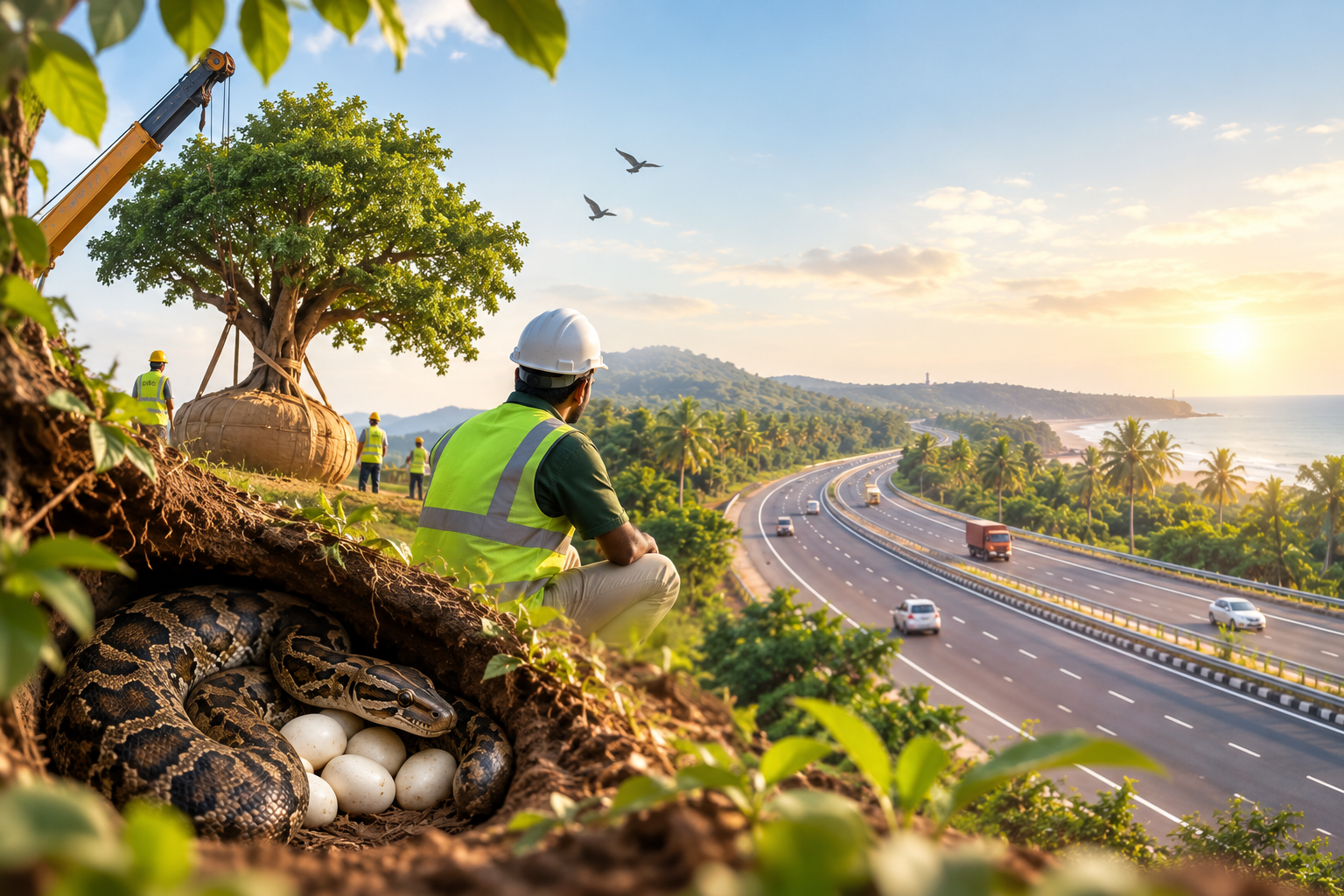
Highways are rarely remembered for the lives they leave untouched. More often, they are judged by how quickly they are built, how efficiently they connect places, and the economic opportunities they create. But along Kerala's Thalappady–Chengala stretch of NH-66, one highway is being remembered for a very different reason. Construction paused for 54 days so an Indian Rock Python could safely hatch its eggs. A heritage mango tree was carefully relocated instead of being felled. A rare native mango species was preserved rather than sacrificed in the name of progress.
At a time when India is rapidly expanding its infrastructure network, these decisions offer an important reminder that development need not come at the cost of nature. Executed by the Uralungal Labour Contract Co-operative Society (ULCCS), the project demonstrates that engineering excellence, ecological responsibility and community sentiment can go hand in hand. In this interview, Arun Baboo, Chief Operating Officer, ULCCS, shares how seemingly small decisions on the ground can shape a larger vision for sustainable infrastructure, and why protecting biodiversity and local heritage must become an integral part of India's development journey.
Scroll down for more insights.
Q&A
Q. What is ULCCS's broader vision for sustainable and responsible infrastructure development, and how does environmental stewardship fit into that vision?
A. At Uralungal Labour Contract Co-operative Society (ULCCS), we do not view infrastructure development and environmental stewardship as opposing priorities. Rather, we see them as complementary outcomes of responsible project execution. As a century-old workers' cooperative, our understanding of development has always extended beyond physical infrastructure. From the very beginning, we have believed that projects should create lasting value not only for the economy, but also for the communities and environments they serve.
When we talk about sustainability, we are referring to something far broader than green certifications or carbon metrics. For us, it means developing roads, bridges, and townships in a manner that respects the people, landscapes, and ecosystems they interact with. This philosophy is deeply embedded in our approach to planning and execution.
The Thalappady–Chengala six-lane stretch of NH-66 in Kasaragod is a strong reflection of this vision. It is the first of Kerala's 23 NH-66 upgradation packages to be completed, and ULCCS is the only Kerala-based organisation among all the contractors involved in the programme. While the project could have been approached purely through the lens of timelines and costs, we chose to view it as an opportunity to demonstrate how environmental responsibility, community engagement, and engineering excellence can work together. The project was completed ahead of schedule and was subsequently recognised with the National Highways Excellence Award.
For us, environmental stewardship is not an additional consideration layered onto an engineering project. It is an integral part of the engineering process itself.
Q. ULCCS has demonstrated that ecological considerations can influence critical project decisions, even in large-scale infrastructure development. What is the philosophy that guides ULCCS when environmental responsibility and project timelines or costs come into conflict?
A. Our guiding principle is straightforward: when a project pauses to protect ecological, cultural, or community assets, it is not a delay, it is responsible execution in practice. Timelines and costs are important considerations, and as an organisation known for its execution discipline, we take both very seriously. However, when a protected species, a heritage tree, or a community’s longstanding connection to a particular landscape is at stake, we do not view project schedules as the sole determinant of decision-making.
Equally important is the fact that these decisions are never made in isolation. We work closely with the Forest Department, horticultural research institutions, wildlife rescue experts, and local communities to fully understand the implications of each situation and determine the most appropriate course of action. This ensures that decisions to pause, modify, or redesign elements of a project are guided by expert assessment rather than individual judgement. It also provides confidence to all stakeholders, including our client, NHAI, that environmental considerations are being addressed with rigour and credibility.
In our experience, such interventions typically represent only a small fraction of a project's overall timeline. However, the trust and goodwill they generate among regulators, local communities, project stakeholders, and our own workforce create long-term value that extends well beyond the completion of the project itself.
Q. The project team paused construction for 54 days to protect an Indian Rock Python and its eggs. How was the situation managed, and what did the experience teach ULCCS about biodiversity conservation in infrastructure projects?
 A. This incident occurred during the construction of a culvert near Eriyal, close to the CPCRI campus, as part of the NH-66 widening project. During excavation activities, our team discovered an Indian Rock Python inside a burrow. Upon further inspection, the Forest Department confirmed the presence of eggs. As the Indian Rock Python is a Schedule I species under the Wildlife Protection Act, we recognised both our legal and ethical responsibility to ensure its protection. Work at the location was immediately suspended, and the Forest Department, along with an experienced local snake rescuer, was engaged to monitor the site and guide the conservation effort.
Over the next 54 days, the eggs were periodically monitored under expert supervision. Since python eggs typically require 60 to 65 days to hatch, the site was carefully managed to avoid any disturbance. Once the eggs began hatching, the mother's presence was no longer essential, and the clutch was safely relocated to facilitate successful hatching. All the eggs hatched successfully, and the hatchlings were subsequently released into a nearby forest habitat.
The experience reinforced an important lesson for us: biodiversity does not operate according to project schedules. Ecological considerations can emerge unexpectedly, whether in excavation zones, culvert locations, or other construction areas, and infrastructure projects must be prepared to respond responsibly and promptly. As a result, we have strengthened our approach to ground-level ecological assessments in environmentally sensitive areas. Our site teams are now trained to immediately flag any unusual wildlife sightings or ecological concerns to the relevant authorities rather than overlooking them. While this may seem like a small operational change, it can make a significant difference in ensuring that infrastructure development proceeds responsibly, compliantly, and with due regard for biodiversity conservation.
Q. How does ULCCS define environmental stewardship, and how do initiatives such as the conservation of the Payaswini mango tree and the propagation of a rare mango species fit into its broader sustainability vision?
A. For us, environmental stewardship is about recognising and protecting the ecological and cultural assets that exist within a project site, rather than viewing them as obstacles to development. This responsibility extends not only to local flora and fauna but also to elements of cultural and community significance that hold value for the people who live around them. Trees often represent much more than environmental assets; they can embody history, heritage, and collective memory.
Two initiatives involving mango trees along the Thalappady–Chengala stretch illustrate this approach. Near Mogral Puthur, the highway alignment required the removal of a rare mango tree that was approximately 40 years old. Rather than simply cutting it down, we collaborated with experts to preserve the species through scientific propagation. Plant material from the original tree was used to develop new saplings, which were subsequently distributed for planting. In this way, the project not only preserved the species but also contributed to its wider propagation.
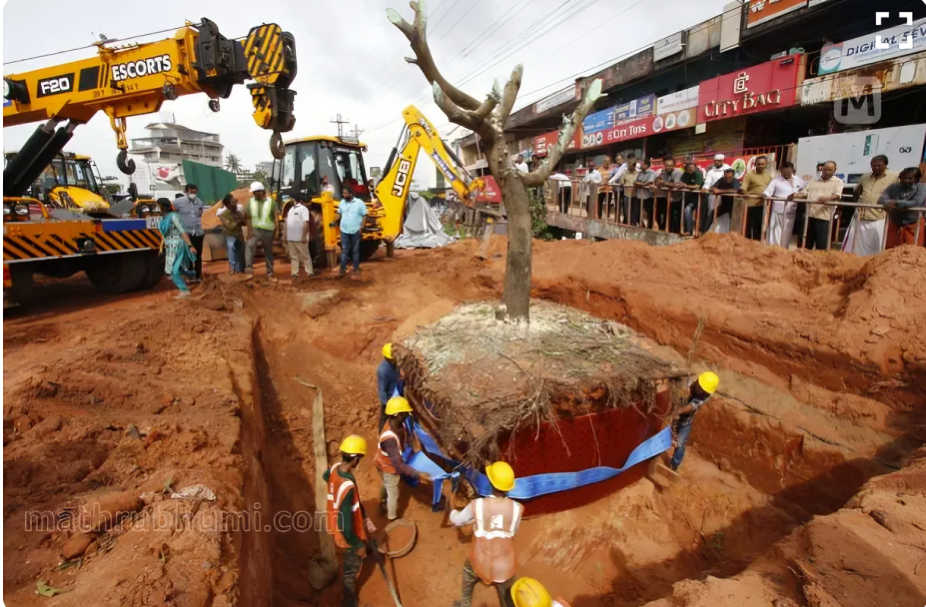
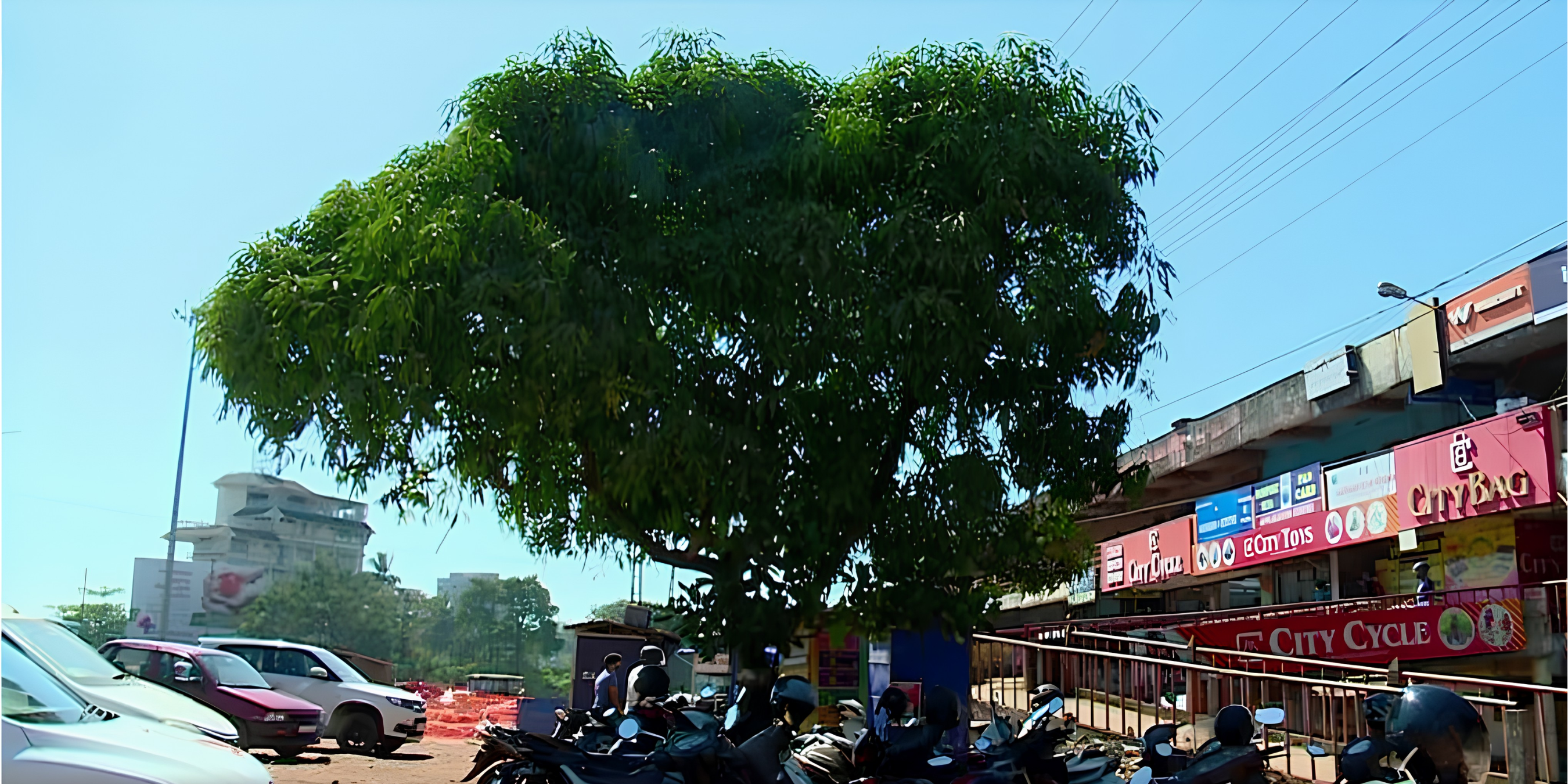
The conservation of the Payaswini mango tree presented a different challenge. Planted in December 2006 by renowned poet and environmentalist Sugathakumari near a bus stop in Kasaragod, the tree had become a place of remembrance and emotional significance for the local community. During highway construction, the proposed alignment directly impacted its location. Following requests from students of a nearby school to save the tree, we worked with experts to carefully transplant it to the school premises, ensuring that it remained accessible to the community while continuing to thrive in its new environment.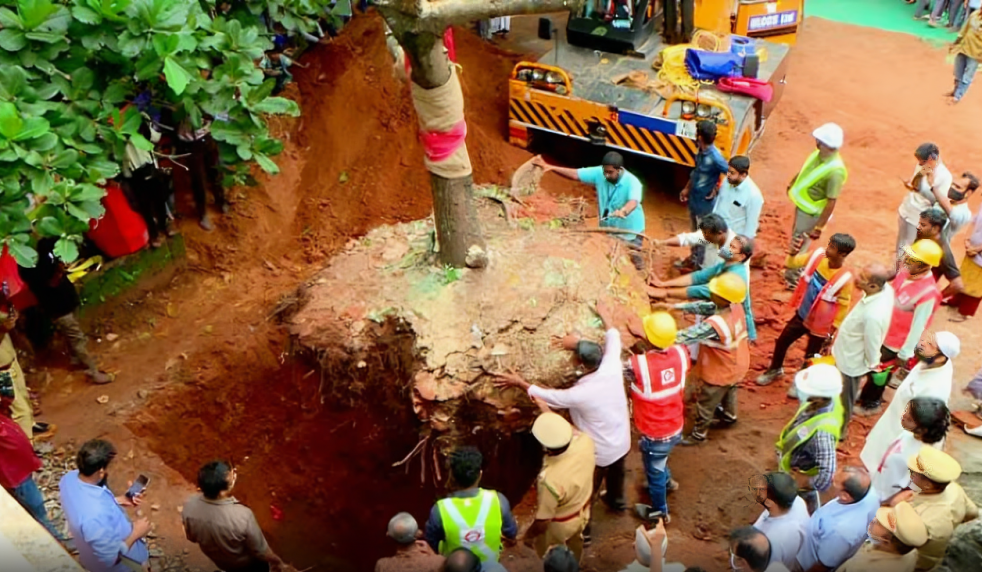
A similar approach was adopted for a date palm tree located near one of the bridge sites, where transplantation was preferred over removal. Across the project, mature trees were relocated wherever feasible, and compensatory plantation measures were undertaken where required. Importantly, these were not standalone conservation initiatives undertaken separately from the project. They were integrated into the overall planning and execution strategy from the outset.
At ULCCS, environmental stewardship means understanding the ecological, cultural, and community value of the assets that exist within a project corridor and taking responsible steps to protect them. Whether it is a rare mango species, the Payaswini tree, or a date palm with local significance, our objective is not simply to build infrastructure, but to ensure that development is undertaken in a manner that respects and preserves the environment and heritage that surround it.
Q. Infrastructure projects often face criticism for their impact on local ecosystems. What lessons from the Thalappady–Chengala project can help developers better identify and protect ecological assets during construction?
A. The Thalappady–Chengala project reinforced several important lessons for infrastructure developers seeking to better identify and protect ecological assets during project execution.
First, ecological and cultural assets are not always visible in project drawings or technical surveys. A wildlife habitat, a heritage tree, or a site of local significance may not appear on a map, yet they can be critically important. This highlights the need for thorough on-ground assessments and continuous engagement with local communities and site personnel before and during construction. Equally important is ensuring that workers are trained to recognise and report anything unusual rather than overlooking it in the interest of maintaining progress.
Second, ecological challenges cannot always be addressed through engineering solutions alone. Effective decision-making requires collaboration with subject matter experts, including the Forest Department, horticultural specialists, wildlife rescue professionals, and environmental organisations. Their expertise enables informed and credible decisions that are based on scientific understanding rather than assumptions.
Third, local communities should be viewed as valuable partners in the process. The conservation of the Payaswini mango tree is a good example of this. The initiative gained momentum because local schoolchildren voiced their concerns and highlighted the importance of the tree to the community. Had those perspectives not been heard, a very different outcome may have resulted.
Finally, our experience demonstrated that environmental stewardship and project efficiency are not mutually exclusive. Despite taking a 54-day pause to protect the Indian Rock Python and investing time and effort in tree conservation and transplantation activities, the project was completed ahead of several comparable NH-66 packages and became the first completed package in Kerala. The key is to anticipate such situations and incorporate flexibility into project planning rather than treating every unforeseen event as a disruption. When approached proactively, environmental responsibility can coexist with timely and successful project delivery.
Q. Sustainable development requires balancing the interests of communities, environmental experts, authorities, and project stakeholders. How did ULCCS engage these groups throughout the project, and what role did local communities play in shaping conservation outcomes?
 A. This project was shaped by the collective efforts of a broad group of stakeholders rather than by ULCCS alone. On the regulatory and technical front, we worked closely with the Forest Department, the Social Forestry Department, the Kerala Forest Research Institute, and the Krishi Vigyan Kendra at the Kasaragod Horticultural Research Centre. Each of these institutions contributed specialised expertise that complemented our engineering capabilities, whether in wildlife conservation, ecological assessment, or scientific propagation techniques. Our client, NHAI, along with the Kerala PWD, also played an important role by supporting these interventions and recognising their long-term value beyond immediate project considerations.
However, local communities were arguably the most influential stakeholders in several of the project's conservation outcomes. The relocation of the Payaswini mango tree, was initiated following requests from schoolchildren and members of the local community who highlighted its cultural and emotional significance. ULCCS responded to those concerns and worked with experts to ensure the tree could be preserved. Throughout the construction phase, we also remained focused on addressing the concerns of residents along the corridor, maintaining access routes wherever possible and responding promptly to issues arising from project activities.
What this experience reinforced for us is that meaningful conservation outcomes are rarely achieved through a purely top-down approach. They emerge when the perspectives of communities, environmental experts, government agencies, elected representatives, and project stakeholders are actively incorporated into the decision-making process. By treating these inputs as an integral part of project planning rather than a procedural formality, we were able to deliver infrastructure while also protecting assets that mattered deeply to the people and environment around us.
Q. As work progressed on the project, were there instances where environmental considerations required changes to engineering plans or execution strategies? Could you share some examples?
A. Yes, there were several instances where environmental considerations influenced execution strategies and project planning decisions.
One of the most notable examples was the relocation of the Payaswini mango tree. Under normal circumstances, a tree situated within the project alignment would likely have been removed. However, given its cultural significance and the community's desire to preserve it, we adopted a completely different approach. Relocating a mature 16-year-old tree with an extensive root system and canopy required careful planning, including selecting the appropriate transplantation window, preparing a suitable destination site with the required soil composition, and implementing a structured post-transplant care programme involving shading, regular watering, and continuous monitoring to ensure the tree's survival.
The Indian Rock Python conservation effort presented another example. Following the discovery of a python nest and eggs near a culvert construction site, work at that location was suspended for 54 days to allow the eggs to hatch safely under expert supervision. This required us to adjust construction sequencing and reallocate resources so that progress on other sections of the corridor could continue while conservation measures were being implemented.
Environmental considerations also influenced decisions at the material and planning levels. For example, the project utilised Portland Pozzolana Cement (PPC) instead of Ordinary Portland Cement, helping reduce the carbon footprint of construction activities while fully complying with NHAI's engineering specifications. Similarly, landscaping and afforestation measures were integrated into project planning, ensuring that vegetation removed due to the highway alignment was compensated through systematic replanting and restoration efforts.
Importantly, these were not major redesigns of the highway itself. Rather, they were thoughtful adjustments to construction methodology, project sequencing, material selection, and conservation planning. Such decisions are only possible when environmental considerations are incorporated into the project framework from the outset and are given equal importance alongside engineering, procurement, and execution priorities.
Q. What were some of the biggest challenges in convincing project teams and stakeholders that biodiversity protection was worth the additional time, effort, or cost?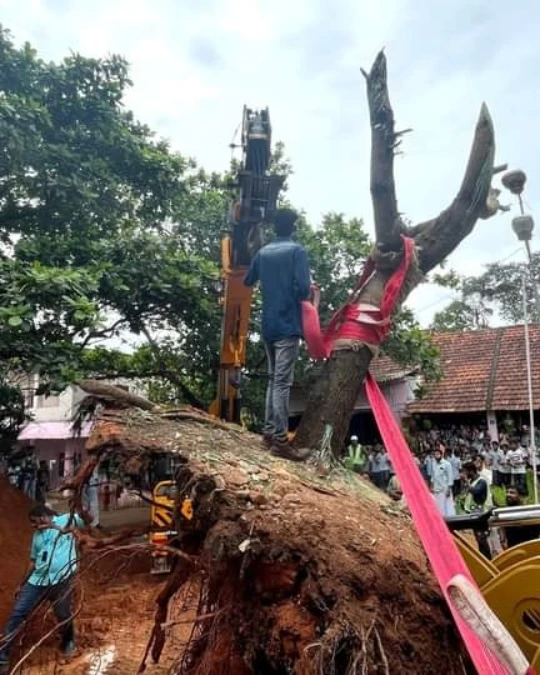
A. One of the biggest challenges was not external, but internal. In any large infrastructure project, site engineers and supervisors are naturally focused on progress, milestones, and delivery schedules. When an unexpected situation arises such as the discovery of a python habitat, the immediate instinct is often to determine how quickly the issue can be resolved so that work can continue. Shifting that mindset from “how do we move past this?” to “how do we address this responsibly?” requires sustained reinforcement from leadership and a culture that places equal importance on environmental responsibility and project execution.
There is also a practical and contractual dimension to such decisions. Measures such as pausing work for 54 days to protect a protected species or investing resources to relocate a mature tree involve genuine time, effort, and cost implications. In fixed-price or HAM-based projects, this requires transparent engagement with clients and stakeholders to communicate that certain environmental and legal obligations are non-negotiable and must be addressed responsibly. We were fortunate that NHAI and the relevant authorities approached these situations constructively and recognised the importance of taking the appropriate course of action.
Another challenge was maintaining confidence within the project ecosystem. The NH-66 upgradation programme involved 23 packages across Kerala, with significant public attention on project progress and completion timelines. In such an environment, deciding to pause a portion of work for conservation reasons requires institutional conviction and a long-term perspective. However, what ultimately reinforced these decisions was the positive response they received from the public, regulators, and project stakeholders. The conservation efforts were viewed not as signs of inefficiency, but as evidence of responsible project execution. That recognition has strengthened our confidence in making similar decisions whenever environmental considerations warrant them in future projects.
Q. With increasing national emphasis on green infrastructure, how do you see sustainability expectations evolving for infrastructure developers in India over the next decade?
A. I believe sustainability expectations for infrastructure developers are shifting from being a voluntary, reputation-driven initiative to becoming a core contractual, regulatory, and operational requirement. We are already witnessing this transition through the growing adoption of blended cement technologies such as Portland Pozzolana Cement (PPC), increasing scrutiny around emissions from construction equipment and mechanisation, and more rigorous environmental clearance and biodiversity assessment processes than were common a decade ago.
Over the next decade, I expect environmental and community considerations to become more formalised within project evaluation frameworks. Factors such as biodiversity protection, wildlife management protocols, heritage asset conservation, and afforestation commitments are likely to be integrated into bid requirements and monitored throughout the project lifecycle rather than being left solely to the contractor's discretion. Projects such as Thalappady–Chengala, and the public response to initiatives like the Indian Rock Python conservation effort and the preservation of the Payaswini mango tree, demonstrate that responsible infrastructure development is both achievable and increasingly expected by regulators, communities, and stakeholders.
For cooperative organisations such as ULCCS, this evolution aligns naturally with our operating philosophy. Our governance model has always required us to consider a broader set of stakeholders beyond purely commercial interests, making environmental and community accountability an integral part of the way we approach project delivery.
At the policy level, I believe there are opportunities to further accelerate this transition. One important step would be the introduction of a structured environmental rating system for large-scale infrastructure projects, similar to the frameworks used for green buildings. While rating systems such as IGBC and GRIHA have helped drive sustainability in the building sector, there is currently no equivalent mechanism to assess the environmental performance of highways, bridges, and other major civil infrastructure projects. A comprehensive framework evaluating factors such as biodiversity conservation, heritage protection, material selection, and community engagement would provide clear and measurable sustainability benchmarks for both clients and contractors.
In addition, there is a strong case for creating dedicated pilot and testing provisions within infrastructure projects for sustainable construction materials and technologies. Today, contractors often bear the full technical and commercial risk of introducing innovative, lower-carbon alternatives, which can discourage experimentation. If authorities such as NHAI and state PWDs were to designate specific project components for structured trials, supported through risk-sharing mechanisms or dedicated funding, it would encourage greater adoption of sustainable materials, construction methods, and emerging technologies.
Such an approach could also strengthen collaboration between contractors, research institutions, and material scientists, enabling successful innovations to be systematically evaluated and incorporated into future standards, specifications, and industry practices. In the long term, this would help create a more innovation-driven and environmentally responsible infrastructure ecosystem for the country.
Q. How should the success of a sustainable infrastructure project be measured beyond cost, timelines, and engineering outcomes?
A. For us, the success of a sustainable infrastructure project must be assessed through a broader lens than cost, timelines, and engineering outputs alone.
One important measure is whether a project can meet its delivery commitments while responsibly addressing environmental and social obligations. We consider timely completion to be a sustainability indicator. The Thalappady–Chengala project, for example, was the first among Kerala's 23 NH-66 upgradation packages to be completed, despite accommodating a 54-day pause for biodiversity conservation and the careful relocation of a heritage tree. This reflects not only execution efficiency but also effective planning and resource management.
A second measure is whether ecological and cultural assets affected by the project are demonstrably protected or enhanced. The successful hatching and release of the Indian Rock Python hatchlings, the preservation and continued growth of the Payaswini mango tree in its new location, and the conservation and propagation of a rare mango variety are all tangible outcomes that can be verified and measured.
Equally important is the relationship between the project and the communities it serves. A truly sustainable project is one where local communities feel they have been heard, respected, and actively engaged throughout the development process. The partnerships built with residents, schools, environmental experts, and government agencies should ideally create value that extends beyond the construction phase itself.
Finally, greater attention must be given to the environmental footprint of construction materials and methodologies. Decisions relating to material selection, replantation initiatives, resource utilisation, and equipment deployment all contribute to a project's overall sustainability performance, even though they are often overlooked by conventional project evaluation metrics.
Ultimately, a sustainable infrastructure project should be judged not only by what it successfully builds, but also by what it responsibly preserves along the way. That balance between development and stewardship is what defines long-term success.






.png)