
Veolia Foundation’s Clinic on Wheels Strengthens Last Mile Healthcare Access
Access to quality primary healthcare is shaped not only by the availability of medical services, but also by how easily communities can reach them. For people living in underserved areas, distance, travel costs and limited access to regular consultations can often delay treatment and preventive care. Bridging these gaps requires models that bring healthcare closer to communities while strengthening connections with the wider public health system.
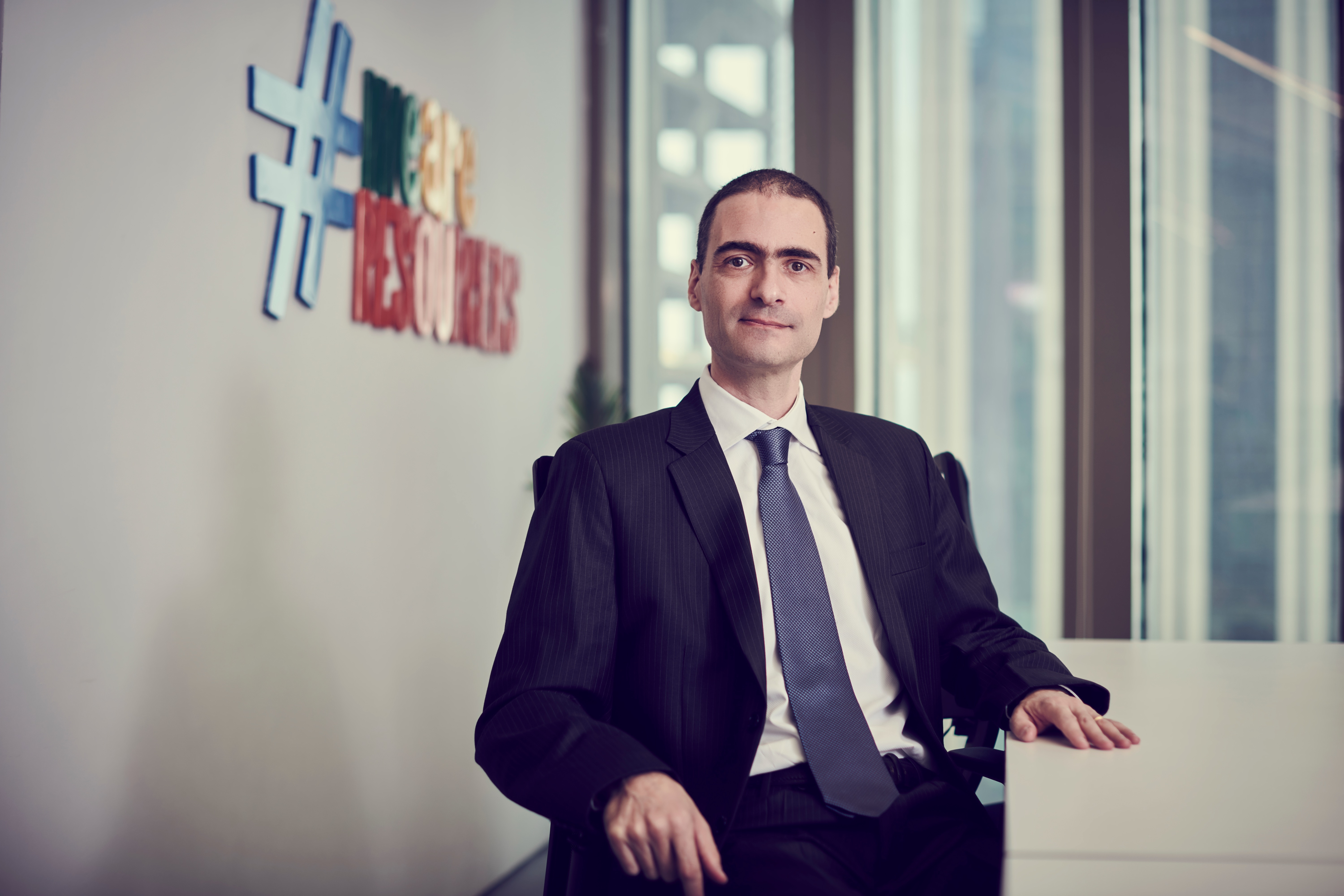
The need for such approaches is particularly relevant across India, where improving last mile access remains central to advancing equitable healthcare outcomes. Through its Clinic on Wheels initiative in the Jambusar and Ankleshwar regions of Bharuch district, the Veolia Foundation is exploring how mobile primary healthcare can combine consultations, preventive screening, health education and referrals within a sustained community based model. Mr. Guillaume Dourdin, CEO and Country Director of Veolia India, discusses how the Foundation approaches measurable social impact, the early evidence emerging from the initiative, the role of partnerships in delivering community healthcare, and the learnings that could inform its future development.
Scroll down to read the full interview:
Q. Corporate social responsibility is increasingly moving beyond philanthropy towards creating measurable social value. How does the Veolia Foundation define meaningful community impact, and what principles guide the selection of its social interventions across different geographies?
A. At the Veolia Foundation, meaningful impact begins with a clear purpose: serving communities and contributing to human development through practical action that responds to local needs. Since 2004, the Foundation has supported community-oriented, non-profit projects in three principal fields: humanitarian emergencies and development aid, environmental conservation and biodiversity, and social inclusion through work and social links.
The Foundation focuses on a limited number of projects that can be supported over the medium or long term. The relevance of the intervention, the strength and expertise of the partner, and the potential to create sustainable social impact are important considerations. We also value initiatives that generate practical learning and may be adapted to address similar needs in other communities.
Employee engagement is integral to this approach. Every project supported by the Foundation is sponsored by a Veolia employee, who serves as a link between the Foundation, the partner organisation and the communities concerned. Employees may also contribute their professional expertise through the Veoliaforce skills sponsorship programme. This combination of local partnerships, employee involvement and sustained support helps keep our interventions closely connected to the communities they serve.
Q. Healthcare accessibility remains one of rural India’s most persistent development challenges. From your perspective, what role can corporates play in complementing public healthcare systems without duplicating existing efforts?
A. Corporates can make a meaningful contribution by identifying specific access gaps and supporting solutions that complement the existing public healthcare system. In rural and underserved areas, the challenge is often not only the availability of healthcare infrastructure but also whether people can reach it regularly and at the right time.
Mobile healthcare programmes can help address this last-mile gap by bringing free primary care closer to communities. They can provide consultations, treatment, health screening and essential medicines, while referring patients who require further attention to the appropriate healthcare facilities. In this way, corporate-supported programmes can serve as a link to the wider healthcare system rather than seeking to replace it.
Corporates can also contribute through preventive health education, sustained community outreach and regular programme monitoring. The objective should be to work with experienced partners, respond to clearly identified local needs and help communities access regular healthcare with fewer geographical and financial barriers.
Q. The ‘Clinic on Wheels’ initiative focuses on addressing last-mile healthcare delivery. What were the key factors that influenced the Foundation’s decision to adopt a mobile healthcare model, and what unmet needs did your initial community assessments reveal?
A. The mobile healthcare model was chosen because it allows medical services to reach communities where distance, travel costs and the time required to visit a fixed facility can discourage people from seeking timely care. Instead of expecting patients to travel for every primary healthcare need, the Clinic on Wheels brings a qualified medical team, consultations, treatment and essential medicines closer to where people live.
The programme was launched to address gaps in access to primary healthcare among underserved communities in the Jambusar and Ankleshwar regions of Bharuch district. The needs identified at the outset, and reinforced by the programme’s early operational data, included access to treatment for common ailments, regular screening for chronic conditions and greater awareness of preventive healthcare.
During the first three months, the clinic treated conditions including joint pain, seasonal respiratory illnesses, gastric complaints and hypertension. Cases of hypertension and diabetes also highlighted the need for regular screening and continued follow-up for non-communicable diseases.
The initiative reached 25 villages during its first quarter and is designed to cover 25–30 villages and serve more than 20,000 residents annually. By providing free access to primary healthcare within communities, the programme seeks to encourage timely consultation and reduce some of the practical barriers that can delay care.
Q. Delivering healthcare is only one aspect of improving health outcomes. How has the programme balanced curative care with preventive healthcare, awareness generation, and long-term behavioural change within the communities it serves?
A. The programme has been designed to combine treatment with prevention and community outreach. The medical team addresses immediate health concerns while using its regular presence in the villages to encourage screening, follow-up and greater awareness of preventive health practices.
Between March and May 2026, the Clinic on Wheels recorded 4,227 patient consultations, including 3,465 new-patient and 762 follow-up consultations. Follow-up care is particularly important for patients who require regular healthcare, including those managing conditions such as hypertension and diabetes.
During the same period, the programme conducted 13 awareness sessions that reached 323 people. These sessions covered heart disease, hypertension, jaundice, heat-stroke prevention, hygiene and sanitation, diet and nutrition, women’s health, and communicable and non-communicable diseases.
Behavioural change takes time and requires consistent engagement. The programme therefore combines free medical care with regular, practical conversations about health. The aim is to help communities view healthcare not only as something to seek when they are unwell, but also as a regular part of protecting their long-term well-being.
Q. Partnerships are often central to successful CSR programmes. What has your collaboration with the Wockhardt Foundation taught you about building scalable, community-centric healthcare solutions, and what ingredients are essential for such partnerships to succeed?
A. Our collaboration with the Wockhardt Foundation has demonstrated the importance of bringing together complementary capabilities around a shared purpose. The Veolia Foundation has provided grant funding for the custom-built medical vehicle and equipment and supports overall coordination. Veolia in India covers the programme’s operational costs and leads local community engagement, while the Wockhardt Foundation manages the clinic’s day-to-day operations, medical team and programme reporting.
This clarity of roles enables each organisation to contribute its respective strengths while remaining accountable for shared objectives. Wockhardt Foundation’s healthcare experience, combined with Veolia’s local presence and the Foundation’s support, has helped establish regular services across the target villages.
Successful partnerships also require trust, transparent reporting, regular communication and a willingness to learn from operational data and community feedback. Scalability should not simply mean reproducing an identical model elsewhere. It should mean retaining the core strengths of the programme while adapting its services, routes, outreach and referral arrangements to the needs of each community.
The experience gained through this initiative can therefore provide useful learning for similar programmes serving other underserved or marginalised communities.
Q. The initiative has already reached over 4,200 patients across 25 villages in its first three months. Beyond these impressive outreach figures, which qualitative indicators or success stories have most convinced you that the programme is creating lasting change in people’s lives?
A. While the outreach figures are encouraging, one of the most important early indicators is the trust that communities are beginning to place in the programme. Of the 4,227 patient consultations recorded between March and May 2026, 762 were follow-up visits. This suggests that people are beginning to view the Clinic on Wheels as a regular and reliable healthcare service rather than as a one-time intervention.
The programme has also reached a broad cross-section of the community. Women and men have accessed the service in nearly equal proportions, while children, adults and elderly patients have all benefited. The significant use of the service by elderly people is especially relevant, as they may face greater mobility-related barriers when seeking healthcare.
Participation in awareness sessions is another encouraging sign. Community members are engaging not only with treatment but also with discussions on hygiene, nutrition, women’s health, seasonal illnesses and non-communicable diseases. In addition, the referral mechanism has enabled patients requiring further medical attention to be directed to higher-level healthcare facilities.
It is too early to draw firm conclusions about long-term behavioural change. However, repeat consultations, follow-up care and participation in health education are positive signs on which the programme can continue to build. For us, sustainable social impact begins when communities trust a service, use it regularly and feel more confident about seeking timely care.
Q. The programme has maintained a 94% operational uptime while facilitating specialist referrals and follow-up care. Could you share more data on patient demographics, the most common health conditions treated, referral outcomes, and any early trends that have emerged through the initiative?
A. Between March and May 2026, the Clinic on Wheels recorded 4,227 patient consultations across 25 villages. These included 3,465 new-patient consultations and 762 follow-up consultations. The programme maintained an average operational uptime of 94%, supporting a regular and dependable presence in the communities.
Gender participation was nearly balanced, with women accounting for a slightly higher proportion of patients during March and April. Adults above the age of 15 formed the largest beneficiary group. At the same time, there was significant utilisation by elderly patients, while children below 15 also received preventive and curative care.
The most frequently reported conditions included joint pain, common cold, sore throat, respiratory tract infections, gastric and liver-related complaints, hypertension and renal pain. Cases of hypertension and diabetes highlighted the importance of strengthening screening and long-term follow-up for chronic conditions.
A total of 152 patients were referred for further medical attention during the quarter. As the programme develops, strengthening referral tracking and follow-up mechanisms will be an important priority. This will help provide a clearer understanding of whether referred patients complete the next stage of care and what further support they may need.
The early trends reinforce the importance of combining free access to primary healthcare with regular follow-up, preventive screening, health education and sustained community engagement.
Q. Healthcare needs differ significantly across regions and communities. Based on the learnings from Jambusar and Ankleshwar, how adaptable is the ‘Clinic on Wheels’ model to other underserved geographies, and what factors determine its scalability?
A. The model can be adapted to other locations because it brings regular primary healthcare closer to communities that face access barriers. However, successful replication involves more than deploying a medical vehicle. Each programme must be designed around the health profile, geography and existing healthcare infrastructure of the location it serves.
Several factors determine scalability. These include a credible local healthcare partner, a clear assessment of community needs, reliable operating routes, a qualified medical team, access to essential medicines and an effective referral network. Community outreach is equally important: people need to know when and where the clinic will be available and must feel confident using its services.
The experience in Jambusar and Ankleshwar is helping us understand the operational requirements of the model and the importance of continuity of care. The learning generated through this initiative can inform similar programmes in other underserved or marginalised communities. Any replication, however, would need to be considered carefully and adapted to local circumstances.
Q. Veolia’s global expertise lies in water, waste management, energy, and environmental services, all of which are closely linked to public health. How do you envision integrating environmental sustainability with healthcare-focused CSR initiatives to create more holistic community development models?
A. Human health and environmental health are closely connected. Access to safe water, sanitation, hygiene, responsible waste management and a healthy local environment all influence the well-being of communities. Addressing healthcare without considering these wider factors would provide only a partial response.
The Clinic on Wheels already reflects this connection through awareness sessions on hygiene and sanitation, diet and nutrition, seasonal illnesses and communicable diseases. These sessions complement medical consultations by helping community members understand some of the environmental and behavioural factors that can affect their health.
Veolia’s expertise also provides a useful perspective on the links between water, sanitation, hygiene, environmental conditions and public health. Over time, bringing healthcare access and environmental awareness together can support a more holistic approach to community development. It allows us to respond to immediate medical needs while also helping communities understand and reduce some of the factors that contribute to poor health.
This integrated approach supports our wider purpose of contributing to human development and improving living conditions in the communities we serve.
Q. Looking ahead, what is the Veolia Foundation’s long-term vision for strengthening healthcare access in India, and what measurable social impact goals or expansion targets has the organisation set for the ‘Clinic on Wheels’ initiative over the next three to five years?
A. The Veolia Foundation is committed to supporting initiatives that strengthen social inclusion and improve the living conditions of vulnerable populations. Expanding access to regular healthcare supports this purpose by contributing to the long-term health and development of communities.
Our immediate priority is to consolidate the Clinic on Wheels initiative and ensure that it continues to provide regular, free and high-quality primary healthcare. The programme is designed to cover 25–30 villages across the Jambusar and Ankleshwar regions and serve more than 20,000 residents annually.
Beyond overall reach, we will continue to monitor indicators such as operational uptime, new and follow-up consultations, preventive screening, referrals and participation in community awareness sessions. Strengthening screening for hypertension, diabetes and other chronic conditions, improving referral tracking, and expanding health education on nutrition, hygiene and lifestyle are among the priorities identified through the programme’s first quarter.
Over the longer term, the Foundation sees value in learning from this initiative and considering how the model could be adapted to other underserved communities. Any future expansion would need to be guided by demonstrated community needs, credible local partnerships, operational feasibility and evidence that the programme is creating sustainable social impact.
Our focus is on building a reliable, community-centred model before considering wider replication. By improving free access to regular healthcare, supporting preventive care and strengthening community outreach, we aim to contribute to social inclusion and human development in the communities we serve.