From Local Action to Global Impact: Rotary’s Vision for a Changing World
Real change begins when people come together with a shared purpose—and turn that purpose into action. For more than a century, Rotary has demonstrated how volunteerism, community leadership and global partnerships can address some of the world’s most pressing challenges, from disease prevention and immunisation to peacebuilding, education and sustainable development.
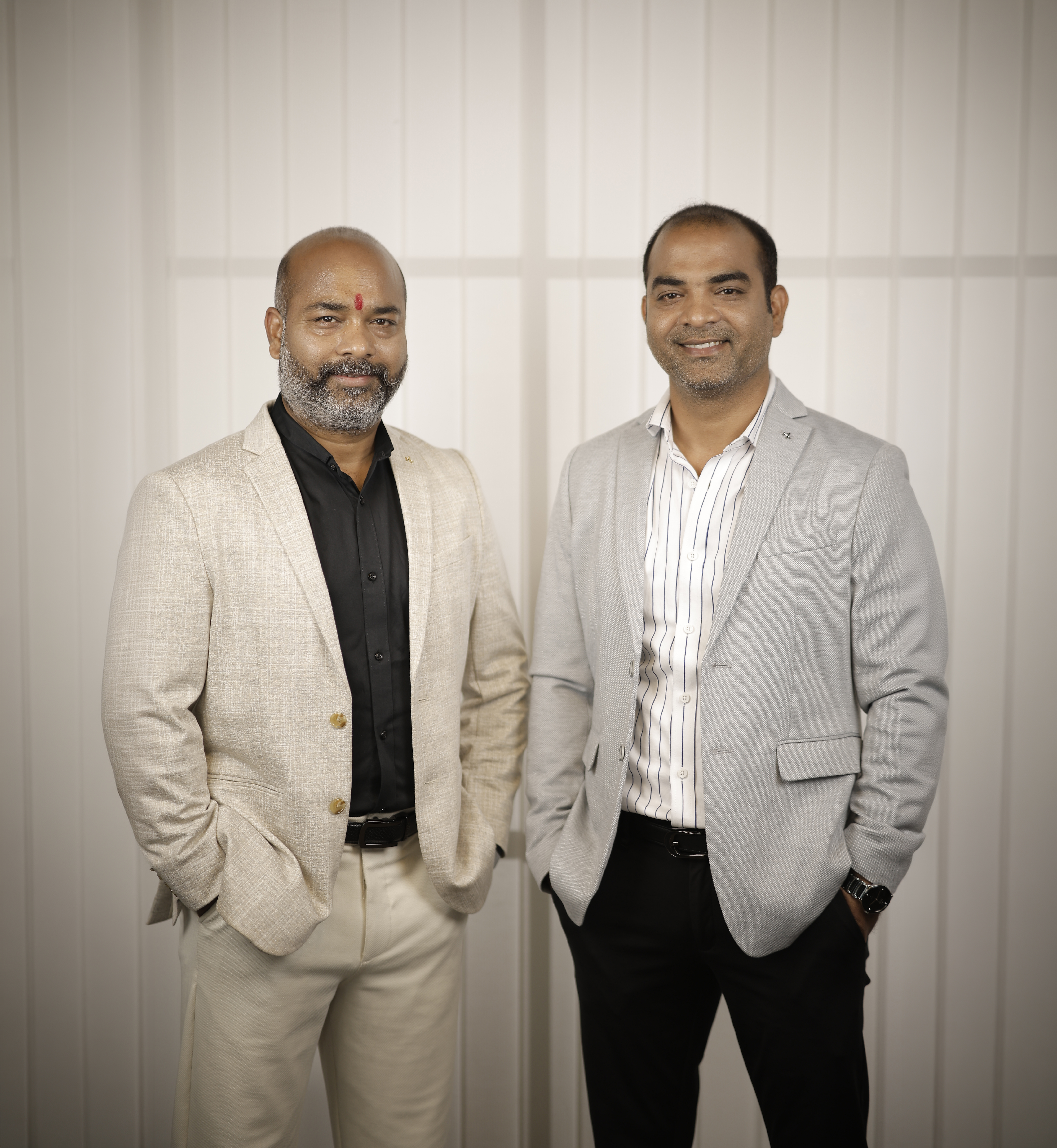
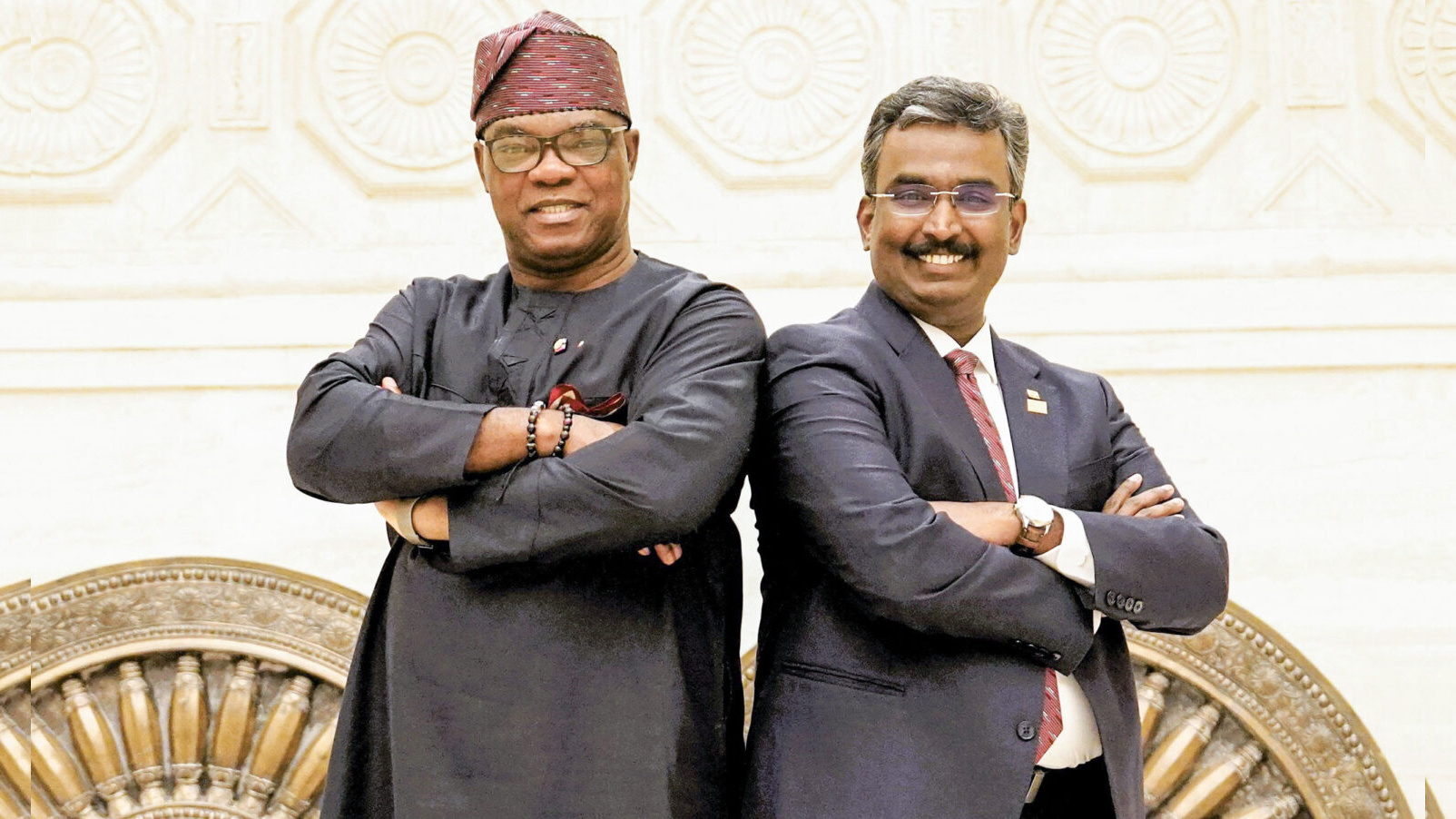
In this exclusive interview, Olayinka Hakeem Babalola, President, Rotary International (2026–27), and Muruganandam M. (MMM), Vice President and Director, Rotary International, discuss Rotary’s vision for the years ahead and the role of communities in creating lasting social impact.
The conversation explores Rotary’s Programs of Scale, its continuing efforts to eradicate polio, the growing focus on HPV vaccination and cervical cancer prevention, and the organisation’s plans to strengthen peacebuilding through the Rotary Peace Center in Pune. The leaders also share insights on India’s contribution to Rotary’s global mission, youth leadership, and the potential of CSR partnerships to take proven community-led solutions to scale.
At its heart, the interview highlights a simple but powerful idea: when communities, governments, businesses and civil society work together, local action can create global impact.
Scroll down to read more:
Q. What is the bigger ambition behind Rotary’s Programs of Scale, and how do you see these initiatives changing the way global development challenges are addressed at the community level?
A. The ambition behind Rotary’s Programs of Scale is to take proven, high-impact solutions and help them expand to more communities. Rather than starting from scratch, the programme identifies proven, evidence-based, Rotary member-led initiatives that can be scaled over three to five years through strategic partnerships.
For example, in India, the Partners for Water Access & Better Harvests programme is working in 250 villages across Rajasthan, Madhya Pradesh, Uttar Pradesh and Maharashtra on water conservation, climate-smart agriculture and sustainable livelihoods. Over the last two years, it has established more than 700 water conservation structures, planted over 720,000 trees and trained more than 2700 farmers. The larger lesson is that community-led solutions, when supported by the right resources, evidence and partnerships, can become models for governments and Corporate social responsibility partners to replicate at a much larger scale.
PWABHI began with baseline data to establish a clear understanding of the communities, water availability, agricultural practices and livelihoods before interventions were introduced. This provides a benchmark against which the programme can measure its impact. As implementation progresses, regular assessments are conducted to track results, identify what is working and make course corrections where necessary.
Importantly, PWABHI is also documenting the processes and learning from implementation through standard operating procedures (SOPs). As the programme learns what works across different communities and geographies, these processes can be refined and documented, creating a practical roadmap for future implementation.
Q. The Rotary Peace Center at Symbiosis International University brings together future leaders from diverse countries, cultures and professional backgrounds. How do you see this platform shaping the next generation of peacebuilders?
A. The Peace Center in Pune represents an important expansion of Rotary’s global peacebuilding mission in South Asia. Welcoming its inaugural cohort in 2027, it will offer a fully funded, one-year postgraduate diploma in Peace and Development Studies to 40 mid-career professionals from across Asia each year. What makes the programme particularly meaningful is the combination of Rotary’s global mission with Symbiosis International University’s philosophy of “Vasudhaiva Kutumbakam”, the world is one family. Since 2002, more than 1,800 Rotary Peace Fellows have graduated and are working in more than 140 countries, including in governments, the United Nations, NGOs and conflict-resolution organisations. The Pune centre will add a new generation of leaders who can translate peacebuilding principles into practical solutions within their communities and across the region.
Q. As Polio eradication moves closer to the finish line, what are the biggest challenges that remain, and what will it take to ensure the final cases are eliminated?
A. We have come extraordinarily far, with wild polio cases reduced by more than 99.9% from the late 1980s. As of 1 September 2026, there remain 22 cases of wild polio to date this year—19 cases in Afghanistan and 3 cases of wild polio in Pakistan.
But the last mile is often the most difficult. Afghanistan and Pakistan remain the only countries where wild poliovirus is endemic, and population movement across their shared border makes coordinated vaccination and surveillance particularly important. In Afghanistan and Pakistan, reaching mobile, remote and underserved populations, overcoming access and vaccine acceptance challenges, and ensuring that every child is repeatedly vaccinated remain critical. The final push requires sustained political commitment, strong surveillance, reliable vaccination systems, community mobilisation and continued financing. Rotary and its partners continue to support vaccinators, community mobilisation and efforts to reach mobile populations in both countries. India’s experience demonstrates what is possible when governments, communities, vaccinators, civil society and global partners work together.
Rotary will continue to provide advocacy, funding and grassroots mobilisation to help interrupt transmission in the remaining endemic areas and sustain a polio-free world.
Q. What key lessons from Rotary's immunization initiatives can help strengthen vaccine confidence and improve routine immunization coverage globally?
A. One of the most important lessons is that vaccination is not only about delivering a vaccine; it is also about building trust and reaching communities effectively. India's polio experience showed the value of trusted community voices, social mobilisation, strong surveillance, cold-chain systems and networks of trained health workers. Rotary volunteers worked with political, bureaucratic and religious leaders, used local communication tools and helped reach children who had previously been missed. That infrastructure and experience now have broader value. The networks created through polio eradication can support routine immunisation and other health priorities, including measles, rubella and cervical cancer prevention. Media channels like the Rotary Voices podcast further amplify these solutions-focused stories to build global awareness and public trust.
Q. India has made notable progress through Mission Indradhanush. How can Rotary further contribute to increasing vaccine uptake and public awareness across communities?
A. Rotary can build on what worked during the polio programme: community mobilisation, trusted local voices, advocacy, volunteer networks and last-mile outreach. India has a particularly strong Rotary network, with 1.78 lakh members across more than 4,700 clubs - gives us significant grassroots presence. Rotary can work alongside government programmes by helping communicate the importance of vaccination, addressing concerns through trusted community influencers and supporting efforts to reach underserved and mobile populations. The objective is not to create parallel systems, but to strengthen and complement public-health infrastructure already in place.
Q. With cervical cancer largely preventable through HPV vaccination, what role can Rotary play in expanding awareness and improving access to the vaccine?
A. Rotary can contribute across the entire prevention continuum, from awareness and vaccination to screening and treatment. Globally, The Rotary Foundation has funded more than 125 Global Grants worth over US$11 million across 40-plus countries to prevent and eliminate cervical cancer. Rotary is also using lessons and infrastructure developed through its polio work to support cervical cancer vaccination and other health initiatives, highlighting these medical moonshots on platforms like the Rotary Voices podcast.
In India, Rotary clubs are supporting HPV vaccination and awareness initiatives across various parts of the country. Just last year, nearly 20,000 girls and young women in and around Dindigul, Tamil Nadu, were vaccinated; around 1,700 girls received HPV vaccinations through a month-long drive across Chandigarh, Punjab, Himachal Pradesh and Uttarakhand, while in Dharwad, Karnataka, another project is targeting 2,500 girls in rural communities. These initiatives bring together Rotary clubs, healthcare institutions, community partners and sponsors to improve awareness and access.
The broader opportunity is to work with governments, healthcare institutions, schools, communities and CSR partners to improve awareness, address vaccine hesitancy and expand access, particularly among populations that may otherwise be missed.
Q. As community needs continue to evolve, what do you see as Rotary International's most important priorities for the next decade?
A. Our priorities remain anchored in Rotary's core areas of focus: peacebuilding, disease prevention, clean water and sanitation, maternal and child health, basic education, economic development, and environmental sustainability. But equally important is how we deliver that work.
Rotary’s Action Plan focuses on increasing our impact, expanding our reach, enhancing participant engagement and increasing our ability to adapt. As community needs continue to evolve, our ability to listen, adapt and build on what has worked will be critical.
Rotary's strength is bringing people together across cultures, professions and generations. We want to remain open to changing community needs while building on what has worked. Ultimately, our work, from fighting disease to supporting education and protecting the environment, is about creating the conditions in which peaceful and resilient and thriving communities can flourish.
Q. What message would you like to share about the power of collective action in driving meaningful and lasting change?
A. The biggest lesson Rotary has learned is that lasting change rarely comes from one organisation working alone. It happens when communities, governments, civil society, businesses and global partners bring their strengths, expertise, resources and connections together around a shared goal.
Polio is perhaps the clearest example. Rotary, governments and international partners came together through the Global Polio Eradication Initiative to reduce a disease that once affected hundreds of thousands of children every year by more than 99.9%. Today, only Afghanistan and Pakistan remain endemic for wild polio.
Rotary brings together more than 1.2 million members across more than 45,000 clubs in over 200 countries and areas. Our strength comes from combining this global reach with local knowledge, community relationships and the expertise of our partners.
That is the power of collective action: when people bring different strengths to a shared purpose, we can move from individual efforts to lasting, sustainable solutions that create impact far beyond what any one organisation could achieve alone.
Q. How can Rotary and CSR partners collaborate more effectively to create sustainable, scalable impact for communities?
A. The strongest partnerships begin with a shared understanding of the community's needs and a clear focus on measurable outcomes. Rotary brings local networks, volunteers, technical expertise and experience in implementing community-driven projects, while CSR partners can bring resources, institutional capabilities and the ability to support scale. Rotary Foundation (India) has already collaborated with 550-plus corporates, implementing more than 900 CSR projects worth US$41.5 million across its seven areas of focus. The next step is to move beyond one-off interventions towards longer-term programmes where CSR investment can help proven models reach more communities and become sustainable.
Q. What role can CSR partnerships play in helping Rotary broaden the reach and effectiveness of its key global initiatives?
A. CSR partnerships can be a powerful multiplier. Rotary has community-level presence and implementation experience, while corporate and foundation partners can provide the resources, expertise and scale required to expand successful models. Globally, corporate and foundation partnerships are an important stakeholder relationship for Rotary. Rotary’s Programs of Scale demonstrate this approach, supporting proven, evidence-based, member-led programmes that can be expanded through partnerships with private institutions, government entities and other organisations. These partnerships contribute to programme design, implementation, monitoring, evaluation and sustainability.
In India, the formal CSR framework provides an additional opportunity for this collaboration. Rotary Foundation (India) is registered with the Ministry of Corporate Affairs as an eligible implementing agency for CSR activities and has worked with corporates to implement projects across Rotary’s areas of focus. By combining Rotary’s grassroots reach and volunteer networks with responsible corporate investment and expertise, we can move from individual projects to sustainable solutions that benefit entire communities.
.png)