Making Every First Day Count: TCSRD’s Vision for Inclusive and Meaningful Education
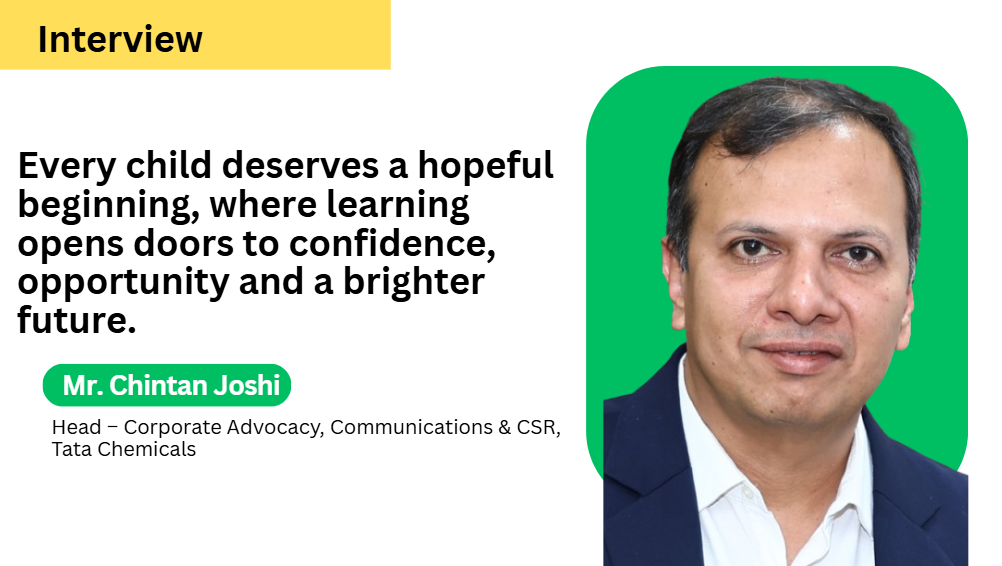
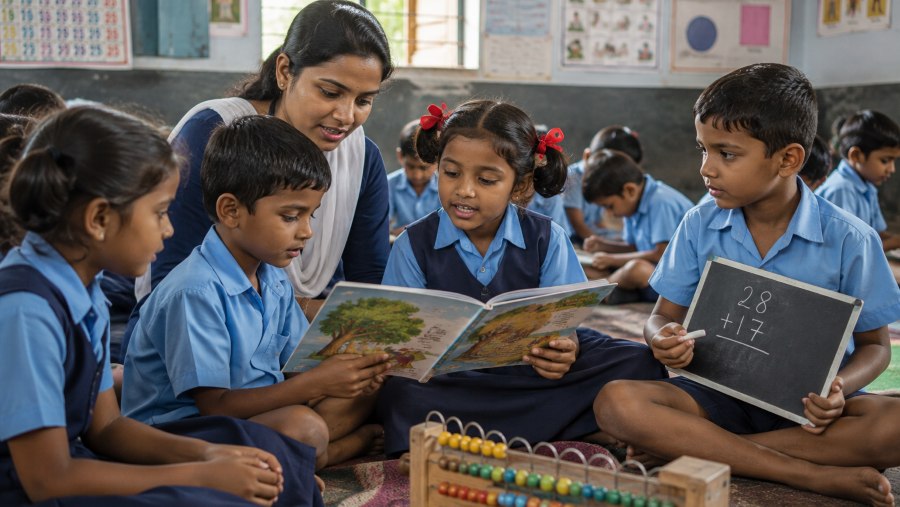
Every child deserves a first day of school filled with hope, confidence and the promise of a better future. Yet, for many children in rural and underserved communities, ensuring enrolment is only the beginning of their educational journey.
In this interview, Mr. Chintan Joshi, Head – Corporate Advocacy, Communications & CSR, Tata Chemicals, discusses how Tata Chemicals Society for Rural Development (TCSRD) is supporting Shala Praveshotsav 2026 across Gujarat’s Okhamandal region. The initiative supported 2,534 newly enrolled students through educational kits and brought together employees, schools, government representatives, parents and local communities to make the transition into school more meaningful.
Mr. Joshi shares insights into the importance of early enrolment, school readiness, parental involvement and community participation in strengthening foundational education. He also explains how employee volunteering can deepen the impact of CSR initiatives and highlights the role corporates can play alongside governments in improving access to quality education, particularly in rural India.
The conversation offers a broader perspective on how collaborative, community-led efforts can help children not only enter school, but also feel supported and motivated to continue learning.
Scroll Down to Read More:
Q. Through Tata Chemicals' CSR initiatives, what are the key gaps in early education and community development that you are trying to address, and how does supporting Shala Praveshotsav contribute to this vision?
A. At TCSRD, we believe that access to quality education begins with ensuring that every child enters school with confidence, support, and a sense of belonging. In many rural communities, gaps still exist around early enrolment, school readiness, parental awareness, and sustained community participation in education. These challenges can influence a child's long-term learning outcomes.
Supporting Shala Praveshotsav aligns closely with our vision of strengthening foundational education. The initiative not only encourages first-time enrolment into Class 1, Balvatika and Anganwadi centres but also mobilises parents, educators, local institutions and community members around a shared goal of ensuring every child begins their educational journey on a positive note. By supporting newly enrolled students and creating an encouraging environment from the very first day, we aim to help build stronger foundations for lifelong learning.
Q. Shala Praveshotsav focuses on welcoming children into schools while encouraging community participation. Why was it important for TCSRD to support this initiative?
A. Education is most effective when schools, families and communities work together. Shala Praveshotsav embodies this approach by transforming school enrolment into a community-led celebration that recognises the importance of education in every child's life.
The programme provides an opportunity to engage directly with students and their families at a critical stage in a child's development. By participating alongside government institutions and local stakeholders, we can help create greater awareness about the value of education while ensuring children are welcomed into a supportive learning environment from day one
Q. Beyond distributing educational kits, how does TCSRD ensure that its interventions contribute to sustained school attendance and a positive learning experience for children?
A. Our approach focuses on creating an enabling ecosystem around children through continued collaboration with schools, parents, local communities and government institutions.
We recognise that factors such as parental involvement, student motivation, school environment and community support play a significant role in attendance and retention. Through our broader education initiatives, we seek to strengthen these connections and encourage a culture that values learning. The objective is not only to facilitate enrolment but also to support an environment where children feel encouraged, engaged and motivated to continue their education.
Q. Employee volunteering is an important part of this initiative. How does involving employees strengthen the impact of your education-focused CSR programmes?
A. Employee volunteering brings an important human dimension to community initiatives. When employees interact directly with children and parents, they help create a more welcoming and inspiring experience for young learners beginning their educational journey.
During Shala Praveshotsav 2026, employees from more than 20 departments are contributing over 350 volunteering hours, demonstrating a collective commitment to education. Such participation helps create meaningful engagement, builds trust within communities, and reinforces the idea that education is a shared responsibility that extends beyond institutions alone.
Q. Girls' education continues to be a key focus of enrolment drives. What approaches has TCSRD found effective in encouraging greater participation and retention of girls in schools?
A. Creating awareness about the long-term benefits of educating girls, encouraging equal access to learning opportunities, and fostering supportive environments are all critical factors.
Programmes such as Shala Praveshotsav play an important role by emphasising inclusive enrolment and ensuring that girls are welcomed into the education system from an early stage. Equally important is continued engagement with parents and community stakeholders to build confidence in education as a pathway to greater opportunities and empowerment for girls.
Q. TCSRD works closely with government institutions and local communities. How has collaboration with your current partners helped strengthen the implementation and impact of initiatives like Shala Praveshotsav?
A. Collaboration is essential for achieving scale and sustainability in social development programmes. The Government of Gujarat's leadership through Shala Praveshotsav provides a strong platform for collective action, while schools, local administration, community members and development partners bring valuable grassroots insights and engagement.
By working together, we are able to reach a larger number of beneficiaries, improve programme effectiveness and ensure that interventions reflect local needs and priorities. Such partnerships help create a stronger support system around children and enable greater community ownership of educational outcomes.
Q. Based on your experience in Okhamandal, what are some of the key lessons that can help make school enrolment drives more meaningful and community-driven?
A. Making the first day of school a memorable and positive experience helps build excitement and confidence among children and families.
Another important learning is the value of local participation. When parents, teachers, community leaders, government representatives and volunteers come together, there is greater ownership of educational outcomes. Finally, sustained engagement after enrolment is equally essential to ensure that children remain motivated and supported throughout their learning journey.
Q. What broader role do you believe corporates can play in supporting foundational education alongside government efforts, particularly in rural and underserved regions?
A. Corporates can play a significant complementary role by bringing resources, innovation, community engagement and long-term commitment to educational development. While governments provide the framework and scale necessary to reach large populations, corporates can help strengthen local implementation and address specific community needs.
This can include supporting foundational learning, encouraging school readiness, promoting inclusive education, investing in educational infrastructure, mobilising employee volunteers, and fostering stronger community participation. The greatest impact is achieved when corporates, governments and communities work together with a shared focus on ensuring that every child has access to quality learning opportunities and the chance to realise their full potential.



.png)