Growing Green: How Greenply is Building a More Sustainable Future Through Innovation
As one of India's leading interior infrastructure companies, Greenply Industries Limited has consistently placed sustainability at the heart of its business strategy. Guided by its Green Vision, the company is redefining responsible manufacturing through initiatives that span sustainable timber sourcing, renewable energy adoption, resource-efficient operations, healthier building materials, and community empowerment. By integrating environmental stewardship with business excellence, Greenply continues to demonstrate that sustainable growth and long-term value creation can go hand in hand.
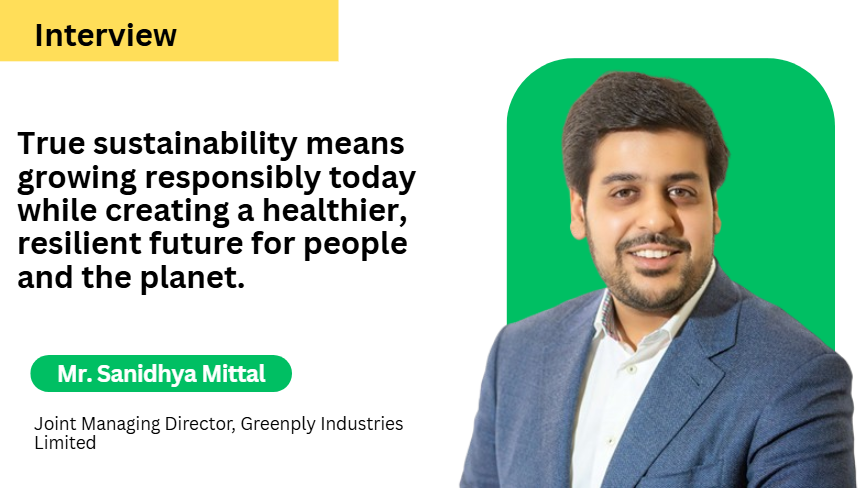
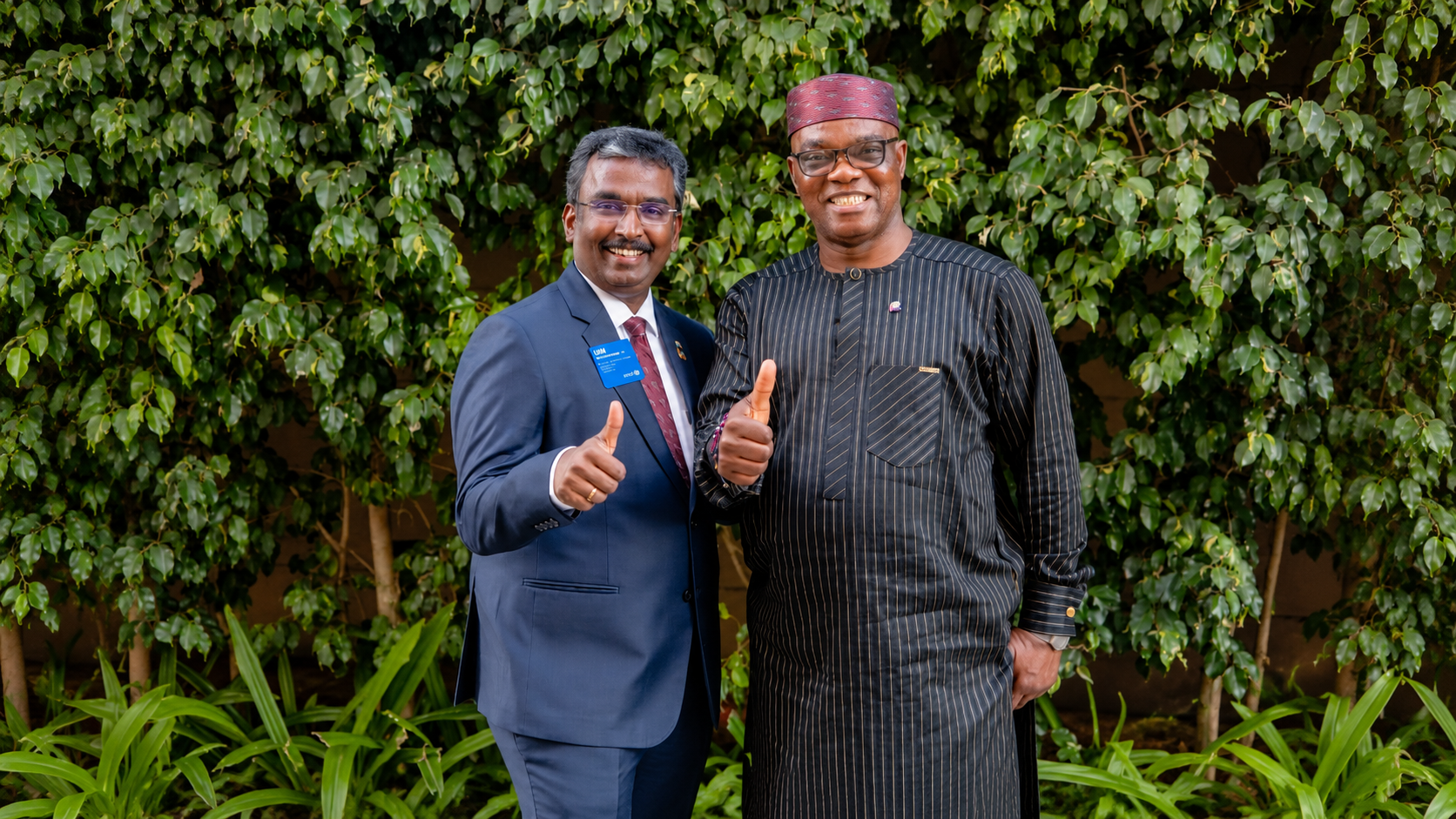
In this exclusive interaction with CSR Universe, Mr. Sanidhya Mittal, Joint Managing Director, Greenply Industries Limited, shares his perspective on the evolving role of sustainability in India's manufacturing sector, Greenply's pioneering initiatives in agroforestry and clean energy, and the company's commitment to building a future that is responsible, resilient, and inclusive for communities, customers, and the environment alike.
The interview offers valuable insights into how innovation, responsible manufacturing, community care, and sustainability can come together to create resilient businesses and a better future.
Scroll down to read more:
Q. What is the vision behind Greenply's sustainability initiatives, and what key gaps are you aiming to address through them?
A. At Greenply, sustainability is an integral part of the way we operate. As demand for wood-based products continues to grow, we believe businesses have a responsibility to ensure that growth is supported by responsible sourcing, resource efficiency, cleaner manufacturing, and products that are better for people and the environment.
Our focus is on reducing our environmental footprint, strengthening a sustainable supply chain, increasing the use of renewable energy, and developing products that contribute to healthier living spaces.
We see sustainability not as a compliance requirement, but as an opportunity to innovate, build resilience, and create long-term value. Our aim is to contribute meaningfully to India's environmental goals while continuing to deliver quality products and sustainable growth.
Q. Greenply has committed to planting one tree for every sheet of plywood manufactured. What inspired this agroforestry model, and what impact have you seen so far for both the environment and farming communities?
A. Being a wood-based manufacturing company, we recognised early that responsible sourcing is fundamental to our long-term growth. This inspired us to invest in agroforestry as a sustainable solution that benefits both the environment and farming communities.
Today, Greenply has facilitated the plantation of over 90 million trees across states including Nagaland, West Bengal, Andhra Pradesh, Gujarat, Rajasthan, Odisha and Uttar Pradesh., working with more than 30000 farmers , Along with promoting tree plantations, we work closely with farmers by providing technical guidance on plantation management, intercropping, irrigation, and harvesting practices. In a nutshell we are with them from Pre nursery to Post harvest stages .
The initiative has helped expand green cover, protecting the natural forests, and can create an additional source of income for farmers through timber cultivation and carbon credits. At the same time, it has strengthened a responsible and traceable timber supply chain for our business.
Q. How does agroforestry help create sustainable livelihoods for farmers while also supporting responsible sourcing of raw materials?
A. Agroforestry creates long-term value for both farmers and industry. It enables farmers to diversify their income by integrating tree cultivation with existing agricultural practices, allowing them to earn from seasonal crops while building a valuable long-term asset through timber plantations.
Greenply supports this journey through technical guidance on plantation management, species selection, irrigation, supply of quality planting material maximising the timber yield per unit area and sustainable cultivation practices. This helps improve productivity while creating an additional source of livelihood.
For us, agroforestry also strengthens responsible sourcing by creating a dependable supply of timber grown outside natural forests. It is a model that supports rural prosperity while ensuring a sustainable raw material ecosystem for the industry.
Q. Greenply has taken significant steps towards renewable energy, including a sector-first Power Purchase Agreement. What role do you see clean energy playing in the future of manufacturing in India?
A. Clean energy will play a defining role in the future of manufacturing in India. As industries grow, improving energy efficiency and reducing emissions will become increasingly important for long-term competitiveness.
At Greenply, we have invested in renewable energy through initiatives such as our sector-first Power Purchase Agreement, along with greater integration of solar and wind energy across our operations. These efforts help reduce our environmental footprint while making our manufacturing processes more resilient.
The transition to clean energy is no longer driven only by environmental goals. It also makes sound business sense by improving efficiency, reducing long-term energy risks, and preparing businesses for a more sustainable future.
Q. Indoor environmental quality is gaining attention globally. Why do you believe healthier indoor spaces are becoming an important sustainability issue, and how does Greenply's E0-grade plywood contribute to this goal?
A. People today spend a significant amount of time indoors, making indoor air quality an important aspect of health and wellbeing. As awareness grows, consumers are increasingly looking for products that contribute to healthier living and working spaces.
Greenply's E0-grade plywood addresses this need through near-zero formaldehyde emissions while complying with globally recognised standards such as CARB and EPA. It enables customers to create healthier indoor environments without compromising on quality or durability.
For us, responsible manufacturing is not only about reducing environmental impact. It is also about developing products that positively influence the everyday lives of the people who use them.
Q. Many skilled workers in the construction ecosystem face occupational health risks. What motivated Greenply to invest in health and eye-care initiatives for carpenters and craftsmen?
A. Carpenters and craftsmen are an integral part of our ecosystem. Their skill and expertise help transform our products into homes and workplaces, yet the physical demands of their profession often mean that health takes a back seat.
At Greenply, CARE is one of our core values, and we believe our responsibility extends beyond manufacturing quality products. It also includes supporting the wellbeing of the people who contribute to our journey.
This belief has inspired our health and eye-care initiatives for carpenters and craftsmen. By promoting preventive healthcare and creating greater awareness around health and safety, we hope to support their wellbeing and help them continue pursuing their livelihood with confidence. For us, caring for the people who help build India is just as important as the products we manufacture. Adherence with the govt policy on QCO has also given significant positive contribution in this field.
Q. From your experience, why is it important for businesses to invest in the wellbeing of the communities that support their operations, beyond their core products and services?
A. Businesses do not operate in isolation. Their success is closely linked to the wellbeing of the people and communities that contribute to their growth.
Investing in community wellbeing goes beyond fulfilling a social responsibility. It is about building trust, strengthening relationships, and creating an ecosystem where everyone can grow together. When communities thrive, businesses become stronger and more resilient.
At Greenply, CARE is one of our core values. Whether it is supporting farmers, carpenters, or local communities, we believe meaningful progress is built on empathy, respect, and long-term partnerships. Creating shared value has always been an important part of how we approach responsible business.
Q. Greenply has been conducting Health & Wellbeing Camps for its extended community. What inspired this initiative, and how does it reflect Greenply's values?
A. At Greenply, we prioritise the wellbeing of everyone in our extended community. We believe good health is the foundation of stronger, more inclusive communities, and that belief inspired our Health & Wellbeing Camps.
Through these camps, we organise free medical check-ups, provide guidance on preventive healthcare, and create awareness around safe and healthy practices. The objective is to ensure that participants feel supported, informed, and empowered to take charge of their health.
The initiative reflects one of Greenply's core values, CARE. We hope these efforts encourage a culture of preventive healthcare while reinforcing our commitment to the people who have been an integral part of our journey.
Q. Could you share how Greenply's collaborations with farmers, community organisations, healthcare partners, or other stakeholders have helped strengthen and expand the impact of these initiatives?
A. Meaningful impact is created through collaboration. By working closely with farmers, healthcare professionals, community organisations, and other stakeholders, we are able to design initiatives that address real needs and create lasting value.
Our agroforestry programme has grown through continuous engagement with farming communities, while our Health & Wellbeing Camps are strengthened through partnerships with healthcare professionals who support medical check-ups and awareness programmes.
These collaborations help us expand our reach, improve programme delivery, and ensure our initiatives remain relevant to the communities they serve. We believe long-term impact is always stronger when businesses and communities work together towards a shared purpose.
Q. As India advances towards its climate and sustainability goals, how can companies balance industrial growth, innovation, and environmental responsibility?
A. India's growth story presents a significant opportunity for businesses to demonstrate that economic progress and environmental responsibility can move forward together.
Achieving this balance requires sustainability to be integrated into everyday business decisions through responsible sourcing, cleaner technologies, renewable energy adoption, and efficient manufacturing practices. Innovation will continue to play a key role in helping industries reduce their environmental footprint while remaining globally competitive.
I believe the companies that will lead tomorrow are those that view sustainability not as a compliance requirement, but as a driver of innovation, resilience, and long-term growth. By embracing this approach today, businesses can contribute meaningfully to India's climate ambitions while creating lasting value for society.





.png)