From Sustainability to Shared Value: Building Resilient Communities Through Integrated CSR and ESG
.png)
Sustainability today is no longer limited to reducing environmental footprints; it is increasingly about creating an ecosystem where environmental responsibility, social development, and long-term business value reinforce one another. For rural and underserved communities, this means going beyond isolated interventions to build stronger foundations through healthcare, education, livelihoods, water security, and infrastructure.
At Shree Cement, this integrated approach is reflected in a CSR and sustainability framework that connects environmental stewardship with community development. The organisation's initiatives span rural healthcare, education, women's empowerment, agriculture, sanitation, water conservation, and support for vulnerable communities. Programmes such as Shree Swasthya Yojana, Shree Shakti Yojana, Shree Khet Baag Yojana, Project Naman, and community-focused water interventions demonstrate an emphasis on creating opportunities and strengthening self-reliance rather than dependency.
The environmental dimension of this journey is equally significant, with Shree Cement focusing on renewable energy, waste heat recovery, alternative fuels, water stewardship, and circular economy practices. Its green power capacity has reached 634.5 MW, while the company reports avoiding more than 7.3 million tonnes of CO₂ emissions during the year. At the community level, its water initiatives combine technical expertise with local participation to strengthen long-term water security.
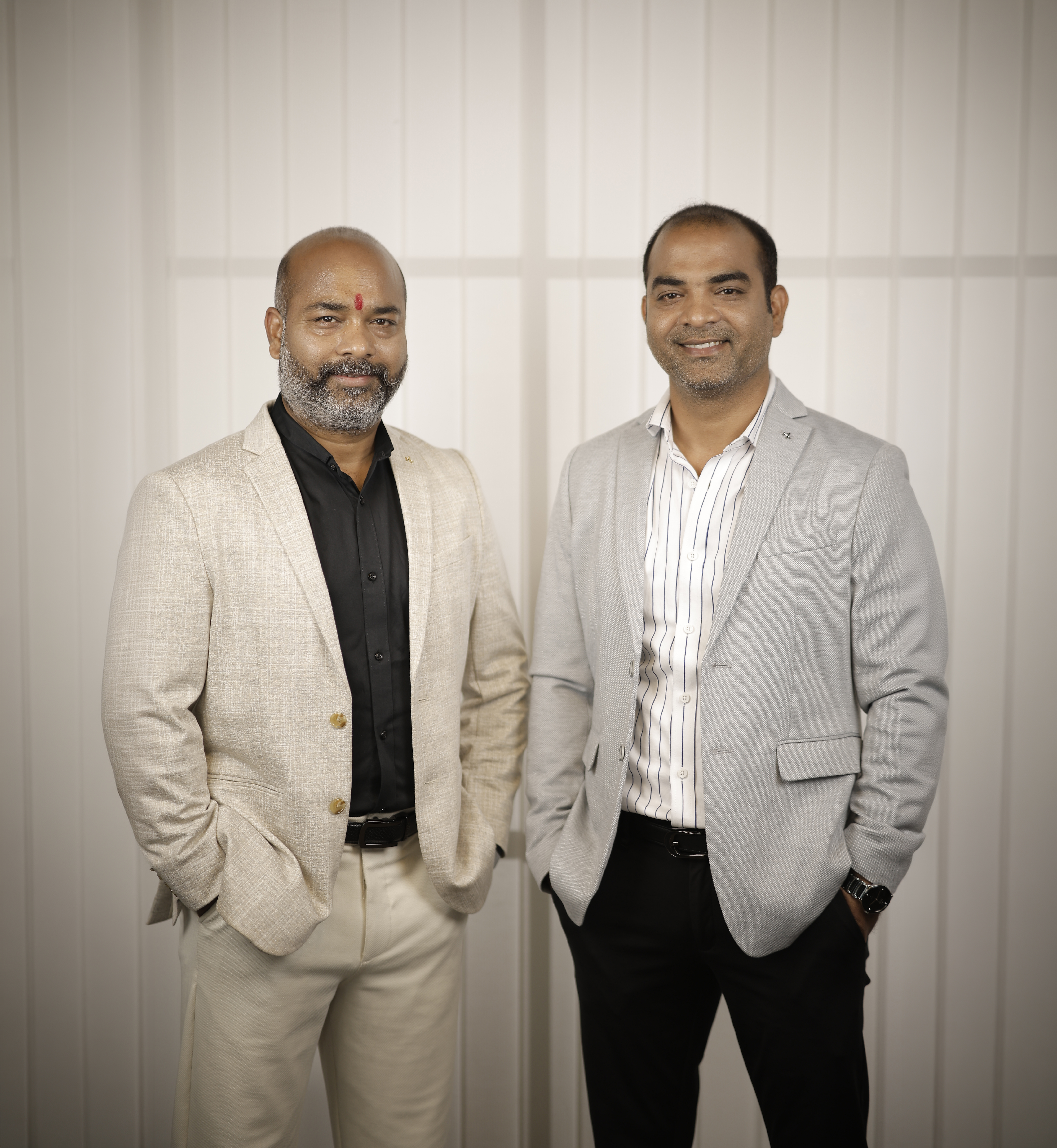
In this exclusive email interview with TheCSRUniverse, Mr. Vishal Bhardwaj, Head of Corporate Social Responsibility, Shree Cement, discusses how the company is bringing CSR and ESG together to create long-term value for communities and the business. He also shares insights into measuring social and environmental impact, building community ownership through partnerships, strengthening rural healthcare and livelihoods, advancing water security, and shaping the company's future sustainability priorities.
Scroll down to read the full interview and explore how an integrated, community-first approach can contribute to a cleaner, more inclusive, and resilient future.
Q. Shree Cement's sustainability journey combines environmental stewardship with community development. How do you ensure that your ESG and CSR strategies complement each other to create long-term value for both communities and the business?
A. Sustainability creates the greatest impact when environmental responsibility and community development reinforce one another rather than operate as separate priorities. That's the philosophy that shapes our approach at Shree Cement. ESG and CSR are governed through a common framework under our Board-level CSR and Sustainability Committee. We use a structured materiality assessment to identify key issues shaping stakeholder expectations and business performance. By assessing economic, environmental, and social impacts, we ensure our strategy remains focused, relevant, and aligned with collective priorities.
The results reflect the strength of this integrated approach. We have expanded our green power capacity to 634.5 MW, achieved over eight times water positivity and avoided 7.3 million tonnes of CO₂ emissions. At the same time, we invested ₹55.76 crore in CSR initiatives during the year, exceeding our statutory requirement and positively impacting nearly 8.8 lakh lives through healthcare, education and rural infrastructure. For us, environmental stewardship strengthens the trust that enables sustainable business, while meaningful community development builds enduring relationships that support long-term growth. The two are inseparable, and together they create value that extends well beyond our operations.
Q. Shree Foundation Trust now impacts close to a million lives. How does Shree Cement identify community priorities and design interventions that address local development needs while ensuring measurable and sustainable outcomes?
A. Meaningful community development begins with listening. Every geography has its own challenges, aspirations and priorities, so we avoid a one-size-fits-all approach. Before designing any intervention, we conduct structured needs assessments that allow us to understand local realities directly from community members and other stakeholders. This enables us to tailor programmes across healthcare, education, water access, livelihoods and infrastructure based on actual requirements, whether that means improving drinking water access in one village or strengthening educational infrastructure in another. Our pilot partnership with Haqdarshak has further strengthened this approach by combining beneficiary profiling with digital financial literacy, helping more people access government welfare schemes.
Equally important is measuring whether these interventions are creating meaningful change. We focus on outcomes rather than simply counting activities. Select programmes undergo independent impact assessments, while community surveys, structured monitoring systems and grievance redressal mechanisms help us evaluate progress and continuously improve implementation. One lesson we've consistently learnt is that lasting impact comes from listening first and measuring rigorously afterwards. That discipline ensures our programmes remain relevant, responsive and sustainable over the long term.
Q. Healthcare is a key focus area through initiatives such as Shree Swasthya Yojana and the Shree Swasthya Vahini mobile medical unit. What gaps in rural healthcare are these programmes addressing, and how are you measuring their impact on community well-being?
A. Access to quality healthcare continues to be one of the most pressing challenges in many rural parts of India, particularly for maternal and neonatal well-being and for communities located far from dependable medical infrastructure. Our healthcare initiatives are designed to bridge these gaps by bringing essential medical services closer to the people who need them most. Through programmes such as Shree Swasthya Yojana, Mamta Camps, Shree Swachhata Projects, Mega Health Camps and Health Camps, we provide doctor consultations, diagnostic services, medicines and preventive healthcare directly within underserved communities. More recently, the launch of Shree Swasthya Vahini, our mobile medical unit at the Ras and Beawar plants in collaboration with Aster DM Foundation, has further strengthened this effort and is expected to benefit over 70,000 people over the next four years through consultations, screenings and continued medical support.For us, impact is measured not only by the number of camps organised but by the difference they make in people's lives. We closely track indicators such as individuals reached, healthcare services delivered, institutional deliveries facilitated and awareness generated through our interventions. This year alone, our health camps reached nearly 9,770 individuals across more than 115 villages. Healthcare, in our view, is not a one-time intervention but an ongoing commitment to strengthening community well-being. The real measure of success is whether people gain more reliable access to quality healthcare and experience lasting improvements in their quality of life.
Q. Your CSR initiatives span education, women's empowerment, agriculture, sanitation, and rural infrastructure. How do these programmes collectively contribute to building self-reliant and resilient rural communities rather than creating dependency?
A. For us, meaningful community development is about creating opportunity, not dependency. The real success of any CSR initiative lies in enabling people to improve their own lives long after the programme has concluded. That's why our interventions are designed as an interconnected ecosystem, where education, livelihoods, healthcare, sanitation and infrastructure complement one another to strengthen the resilience of rural communities.
Our education initiatives, including Shree Shiksha Yojana, Shree Ki Pathshala and Anganwadis equip children with the knowledge and skills needed for a brighter future. Through Shree Shakti Yojana, women receive health awareness, education and livelihood training that helps them become financially and socially independent. Similarly, Shree Khet Baag Yojana supports farmers with improved agricultural practices and better resources, enabling farming to become a more sustainable and productive source of income. These efforts are further reinforced through investments in sanitation and rural infrastructure, creating the basic conditions that allow communities to thrive.
The impact becomes visible in everyday life. Road improvements, drainage systems and borewell installations have strengthened connectivity and access to clean water, while classroom renovations and teacher support have enhanced learning opportunities for children. Our Needle and Thread initiative has helped many women transition from vocational training to sustainable livelihoods, with over 1700 women moving into self-employment. Ultimately, self-reliance isn't created through a single programme. It's built by giving people the skills, confidence and infrastructure they need to shape their own future.
Q. Project Naman is a distinctive initiative supporting veterans, war widows, and families of armed forces personnel. What inspired this programme, and what has been its broader social impact on the beneficiary communities?
A. Project Naman reflects our belief that the nation's gratitude towards its Brave-Hearts should be expressed through meaningful and enduring action. At Shree Cement, we wanted to create an initiative that addressed a real need while leveraging our core strength as a cement manufacturer. We recognised that owning a home is one of the most significant aspirations for any family, but it can become especially challenging for the families of Armed Forces and paramilitary personnel who have lost their primary earning member in the line of duty. By providing cement free of cost, we sought to ease that burden and support them in building a permanent home that offers security, dignity and stability.
The initiative is implemented in partnership with the Kendriya Sainik Board under the Ministry of Defence, enabling eligible families across the country to receive cement free of cost for the construction of homes on plots of up to 4,000 sq. ft. Beneficiaries can access cement from any of our manufacturing facilities, ensuring that the programme has a truly national reach. This collaborative model has helped us translate intent into meaningful action while making the process simple and accessible for families.
The broader impact of Project Naman goes beyond supporting home construction. A permanent home provides families with long-term security and reduces a significant financial burden at a difficult stage in their lives. More importantly, the initiative is a tribute to the courage and sacrifice of our Armed Forces and paramilitary personnel. It reflects our belief that businesses can create lasting social value by applying their core capabilities to address meaningful societal needs and by standing alongside those who have given so much in service of the nation.
Q. Water conservation and responsible resource management remain critical challenges for both industry and society. How is Shree Cement integrating its environmental expertise with community-based water conservation initiatives to strengthen local water security?
A. Water stewardship has always been about looking beyond our plant boundaries. The same principles that guide our operations, such as water circularity, rainwater harvesting, water recycling and Zero Liquid Discharge, also shape the way we engage with communities. Our objective is not just to improve access to water, but to strengthen long-term water security by combining technical expertise with community participation.
This approach is reflected in initiatives such as our WASH programmes, where we have strengthened drinking water infrastructure and installed RO water plants around our Guntur operations, providing more than 20,000 residents with access to safe drinking water. More recently, we signed an MoU with the Government of Rajasthan under the Mukhyamantri Jal Swavlamban Abhiyan, extending our focus from water access to watershed development and natural resource management. Through CSR-led interventions in villages around our Ras and Beawar plants, we aim to enhance groundwater recharge, improve water availability, support agriculture and livestock, and build greater resilience against water stress.
Q. Shree Cement has emerged as a leader in renewable energy, alternative fuel usage, waste heat recovery, and circular economy practices. How are these sustainability initiatives creating value not only for the company but also for surrounding communities and India's climate goals?
A. For us, sustainability is not an initiative that sits alongside manufacturing; it is embedded in the way we manufacture. Today, our green power capacity stands at 634.5 MW, meeting over 62% of our captive power requirements. Our Waste Heat Recovery Systems generate nearly 950 million units of electricity annually, while our increasing use of alternative fuels enables industrial by-products such as fly ash and slag to replace conventional fuels. Plant-specific substitution rates have now reached 14–15% and continue to grow, reflecting the industry's broader transition towards circular resource utilisation.
During the year, we avoided more than 7.3 million tonnes of CO₂ emissions, supporting India's climate ambitions as we continue progressing towards our RE100 commitment of achieving 100% renewable power by 2050. We see the circular economy as much more than efficient resource use. It is about creating shared value where environmental responsibility, business performance and community well-being advance together.
Q. As ESG expectations continue to evolve from compliance to measurable impact, what frameworks or indicators does Shree Cement use to evaluate the effectiveness of its environmental and social initiatives?
A. We believe that measuring impact matters just as much as creating it. As ESG expectations shift from ticking compliance boxes to showing real outcomes, Shree Cement has built its evaluation approach around external validation and internal rigour. Each year, we file our Business Responsibility and Sustainability Report in line with SEBI's requirements, assessed against the nine principles of the National Guidelines on Responsible Business Conduct. We also conduct a double materiality assessment aligned with GRI Standards, shaped by stakeholder and expert input. Our non-financial data is assured by an independent third party too. Our progress is validated externally as well: our S&P Global CSA Score under DJSI improved to 74 this year, and CARE ESG Ratings assigned us a score of 70.8, rated CareEdge-ESG 1.
Internally, we track outcomes just as closely. Our decarbonisation targets are validated under the Science Based Targets initiative, tied directly to management performance. Our environmental and safety systems are ISO 14001 and ISO 45001 certified. CSR programmes are tracked through theme-wise indicators, with select initiatives undergoing independent impact assessments. All of this sits under the oversight of our Board-level CSR and Sustainability Committee.
Q. Successful CSR often depends on collaboration. How does Shree Cement work with local communities, government agencies, NGOs, and other stakeholders to ensure ownership, transparency, and long-term sustainability of its programmes?
A. Shree Cement believes lasting impact only comes when communities are true partners, not just beneficiaries. Our Stakeholder Engagement Policy guides how we work with local communities, government bodies and NGOs. It's built around structured stakeholder identification, regular dialogue and transparent grievance redressal, so community concerns genuinely shape our response. On the ground, this takes shape through partnerships suited to each need. We work with Aster DM Foundation to expand rural healthcare through our mobile medical unit, with GHE Foundation to bring solar electrification to remote Meghalaya communities and with Vision Spring to deliver vision care camps and with Apollo Tyres Foundation to strengthen preventive healthcare for truck drivers. We also stay closely coordinated with government departments to align with public schemes.
Ownership is something we build in from the start. Community meetings help us understand priorities directly, while village elders and local representatives are often present at the point of delivery, reinforcing accountability and trust. This collaborative model is what lets our programmes remain relevant well beyond the initial intervention, creating change communities can sustain themselves.
Q. What is your long-term vision for Shree Cement's CSR and sustainability journey, and what emerging social or environmental priorities do you believe will shape the company's future interventions?
A. At Shree Cement, we don't see our CSR and sustainability journey as separate paths, but as one direction, we're building towards year on year. Environmentally, our focus is clear. We're working towards our RE100 commitment of 100% renewable power by 2050. We're scaling circular economy practices, using more industrial and municipal waste as alternative fuel. And as water scarcity becomes a growing concern for both operations and communities, we're deepening our focus on water stewardship too. On the social side, healthcare access in remote and underserved areas is becoming a bigger priority for us, reflected in newer efforts like Shree Swasthya Vahini and our upcoming ambulance deployment in Meghalaya.
Looking ahead, we believe technology-enabled, community-first approaches will shape what comes next. Our partnership with Haqdarshak, connecting communities to government schemes through digital tools, points to where we're headed: solutions that are locally rooted but built to scale. At the heart of it, our vision stays simple. We want to help communities grow more self-reliant over time, while making sure our own operations lead by example in India's shift towards a cleaner, more inclusive future.
.png)