
From Skills to Sustainable Livelihoods: Reimagining India’s Workforce for an AI-Driven Future
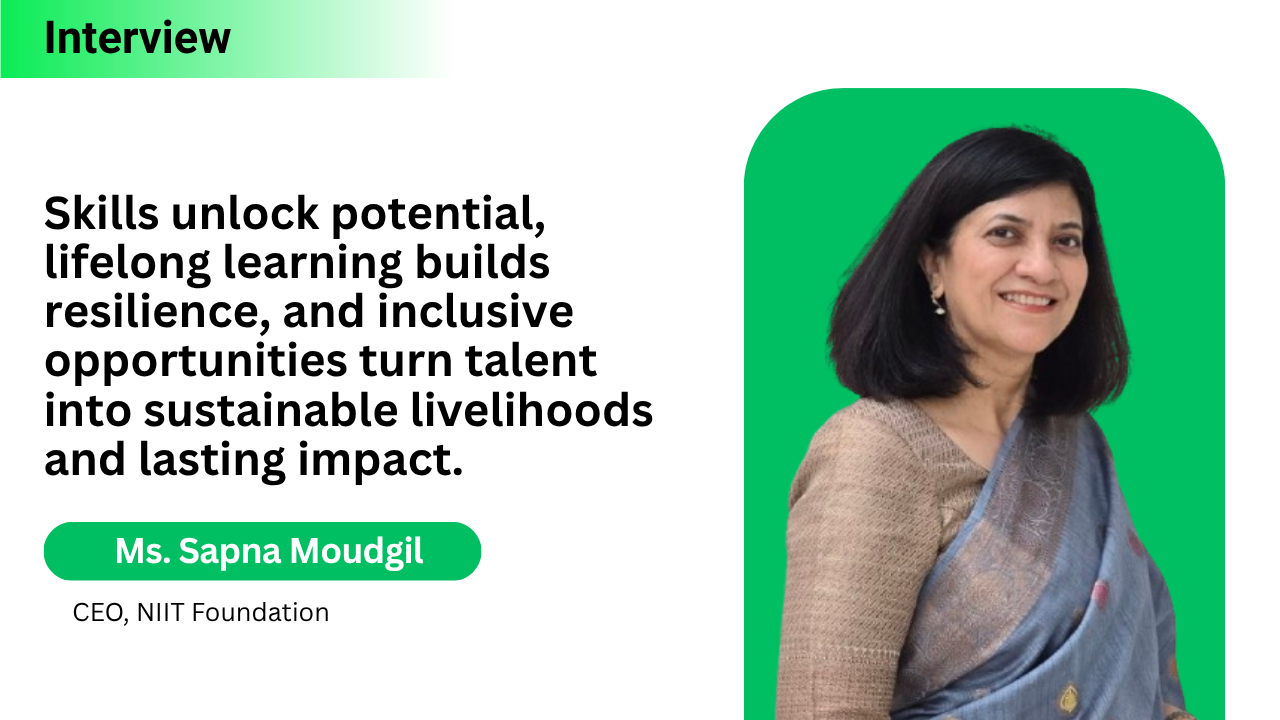
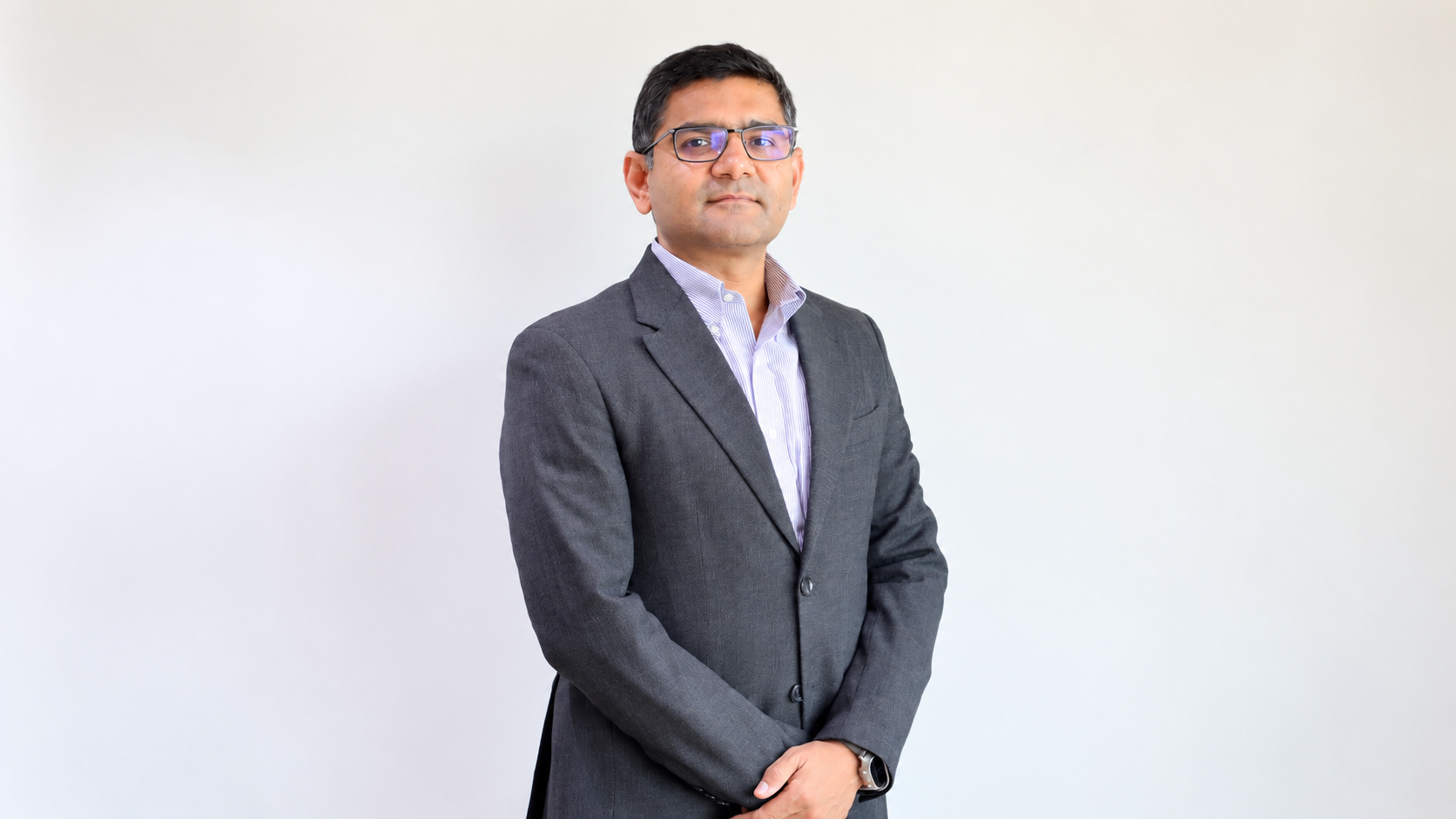
India stands at a defining moment in its workforce journey, where the shift from traditional qualifications to skills, adaptability and lifelong learning is becoming increasingly critical. In this exclusive conversation with Ms. Sapna Moudgil, CEO, NIIT Foundation, TheCSRUniverse explores how inclusive skilling can become a powerful catalyst for social and economic transformation.
Drawing on her experience of working at the intersection of education, technology and social impact, Ms. Moudgil reflects on why India must move towards skills-first hiring, stronger industry-academia collaboration and learning models that evolve with the changing world of work. She also examines the opportunity Artificial Intelligence presents—not merely as a technological disruption, but as a potential tool for inclusion, particularly for underserved communities and first-generation learners.
The conversation goes beyond employability to explore how skilling can create sustainable livelihoods, strengthen economic mobility and contribute to environmental sustainability. Ms. Moudgil also shares her perspective on measuring CSR impact beyond training and placement numbers, the role of partnerships in scaling inclusive skilling, and the challenges of maintaining quality and relevance across diverse geographies.
From the inspiring journey of a learner who transformed her skills into entrepreneurship to NIIT Foundation’s vision for the next five years, the interview offers a compelling perspective on building a skilled, inclusive and future-ready India.
Scroll down to read the full interview:
Q. What inspired you to dedicate your career to advancing education, skilling, and social impact, and what continues to drive your vision as CEO of NIIT Foundation?
A. One lesson that has stayed with me throughout my career is that talent is universal, but opportunity is not. I have met young people who were the first in their family to complete school, women returning to work after years at home, and individuals who had almost given up on finding meaningful employment. What struck me was never a lack of ability. It was the absence of access and the confidence that someone believed in their potential.
Those experiences shaped my belief that education and skilling are about much more than helping someone secure a job. They restore dignity, build confidence, and often transform the future of an entire family. Watching someone discover what they are capable of is one of the most rewarding parts of this journey, and it continues to inspire my work every day.
At NIIT Foundation, our purpose extends beyond delivering training programs. We strive to create pathways to sustainable livelihoods for youth, women, persons with disabilities, and other underserved communities by equipping them with skills, confidence, and opportunities to thrive. Every learner who secures meaningful employment, starts an enterprise, or becomes digitally empowered reinforces my belief that inclusive skilling is one of India's strongest drivers of equitable growth.
Today, that vision is also shaped by the pace at which the world of work is evolving. Artificial Intelligence and digital technologies are transforming industries faster than ever before. Our responsibility is to ensure that this transformation expands opportunities instead of deepening inequalities. By combining future-ready skills with empathy, inclusion, and strong industry partnerships, we aspire to build a workforce that is not only employable but also resilient, adaptable, and prepared for lifelong learning.
For me, social impact has always been about unlocking human potential. When people are given the opportunity to learn, earn, and grow with confidence, they don't just transform their own lives—they become catalysts for change within their families and communities.
Q. Why do you believe India needs to shift from degree-based hiring to a skills-first approach, and what will it take for employers to embrace this change?
A. Some of the most talented young people I have met over the years have not struggled because they lacked ambition or ability they struggled because the hiring system often judged them by their qualifications rather than their capabilities. At the same time, I have spoken with employers across industries who tell me they are looking for people who can solve problems, adapt quickly, collaborate effectively, and keep learning. That disconnect tells us something important: a degree may open the first door, but it is skills that determine how far someone goes.
This is especially significant for a country like India. We have one of the world's youngest workforces, yet many young graduates still find it difficult to secure meaningful employment because there is a gap between what they learn and what the workplace expects. The India Skills Report 2026 reinforces this reality, with only 56.35 percent of graduates considered employable. It is a powerful reminder that qualifications alone can no longer be the primary measure of talent.
Moving towards a skills-first approach requires a collective shift in mindset. Employers need to adopt competency-based hiring, strengthen apprenticeships and project-based learning, and recognise industry-certified skills alongside academic qualifications. Equally important, industry, skilling institutions, and policymakers must work together to ensure learning remains aligned with the future of work while enabling businesses to build a more agile and future-ready workforce. Ultimately, the question is not whether degrees matter, they always will. The real question is whether we are willing to recognise talent wherever it exists and create opportunities based on what people can do, not just on the certificates they hold.
Q. How can Artificial Intelligence become a tool for inclusion rather than a barrier, especially for underserved communities and first-generation learners?
A. Whenever people ask me whether Artificial Intelligence will replace jobs, I tell them we are asking the wrong question. The real question is whether AI will remain accessible only to a privileged few or become a tool that enables everyone to learn, work, and grow. The answer depends entirely on the choices we make today.
Artificial Intelligence has the potential to become one of the greatest democratising forces of our time, but only if access to AI knowledge and tools is made equitable. If AI remains confined to a small section of society, it risks widening existing social and economic divides. However, if introduced thoughtfully, it can significantly expand opportunities for underserved communities and first-generation learners. The first step is ensuring universal digital literacy. Learners must not only know how to use technology but also understand how Artificial Intelligence can improve productivity, learning, entrepreneurship, and employability. Equally important is developing critical thinking and ethical awareness so that individuals can use AI responsibly and confidently.
At NIIT Foundation, we believe Artificial Intelligence should complement human potential rather than replace it. This philosophy is reflected in our recently introduced AI-enabled micro-credential programs, which equip learners with practical digital productivity and data management skills aligned with industry needs. By embedding AI into mainstream skilling, we are helping learners become creators, informed users, and confident professionals rather than passive consumers of technology.
Technology will continue to evolve, but inclusion will always be a human choice. Our goal is not simply AI literacy, it is AI confidence, so that every learner, regardless of background, has the opportunity to participate in the future economy.
Q. What changes are needed to better align India's skilling ecosystem with the evolving needs of industry and the future of work?
A. Every time I visit one of our learning centers, I am reminded that the world outside is changing much faster than any classroom can. Learners are preparing for careers that are evolving in real time, while employers are searching for skills that often did not exist a few years ago. That is why keeping the skilling ecosystem aligned with industry has become one of our biggest priorities.
Training programs must move away from static curricula and evolve into dynamic learning models that are regularly updated to reflect technological advancements and changing labour market demands. Industry also needs to play a much larger role in curriculum design, assessments, internships, apprenticeships, and mentoring. When employers become active partners in the learning process, learners develop practical competencies that businesses genuinely value rather than theoretical knowledge alone.
Equally important, skilling programs must go beyond technical capabilities. Communication, teamwork, problem-solving, adaptability, and digital fluency have become indispensable in today's workplaces, and these skills need to be embedded into every learning journey. Another important shift is towards modular, stackable learning pathways that allow individuals to upskill and reskill throughout their careers. As technology continues to reshape jobs, lifelong learning will no longer be optional; it will become the norm.
At NIIT Foundation, this commitment is reflected in our quality-led approach. Our programs are aligned with industry requirements, supported by NCVET-recognised courses, and delivered through robust quality systems backed by ISO certification. We believe the closer industry and the skilling ecosystem work together, the better prepared our learners will be not just for their first job, but for careers that continue to evolve throughout their lives.
The future of work is changing too quickly for skill to remain static. Our responsibility is to ensure that learning evolves just as fast as the opportunities we are preparing people for.
Q. Which skills do you believe will be most critical for young people to succeed in an AI-driven and rapidly changing economy?
A. I often begin conversations with young people by asking questions that often surprises them. Instead of asking, "What job do you want?" I ask, "How prepared are you to keep learning?" In today's world, careers are no longer defined by a single degree or qualification. They are shaped by an individual's willingness to adapt, evolve, and continuously acquire new skills.
Success in an AI-driven economy will depend on striking the right balance between technological proficiency and distinctly human capabilities. While digital literacy and familiarity with Artificial Intelligence tools are becoming essential across industries, technical skills alone will not be enough. The future belongs to those who can think critically, communicate effectively, collaborate across teams, solve problems creatively, and embrace change with confidence.
Young people must also learn to work alongside Artificial Intelligence rather than fear it. Understanding how AI can be used responsibly for research, productivity, data analysis, and decision-making will soon become a baseline expectation across professions. At the same time, qualities such as creativity, empathy, leadership, and ethical judgement will become even more valuable because these are the strengths that technology cannot replicate. At our NIIT Foundation, this philosophy guides the way we design our learning programs. Alongside digital literacy, cybersecurity, and employability initiatives, we are expanding AI-enabled learning opportunities that prepare learners not only for today's jobs but also for careers that will continue to evolve. Ultimately, the greatest competitive advantage will not be mastering one technology; it will be cultivating the curiosity and confidence to keep learning throughout life.
Q. How can skilling programs simultaneously create social impact, economic opportunities, and environmental sustainability?
A. One of the most fulfilling moments in this journey is seeing how one opportunity can transform far more than one life. I have seen learners walk into our centers searching for employment and leave with something much bigger confidence, financial independence, and the belief that they can shape their own future. In many cases, that single opportunity changes the trajectory of an entire family.
That is why I believe skilling has the unique ability to create impact across multiple dimensions when it is designed with communities and future needs at its center. Employment generation remains an important objective, but truly transformative programs also strengthen social inclusion, drive economic mobility, and contribute to sustainable development. For us, social impact begins with expanding access. NIIT Foundation reaches underserved groups, including persons with disabilities, LGBTQIA+ communities, senior citizens, women, and first-generation learners, ensuring that opportunities reach those who have traditionally remained outside the formal economy. As individuals secure sustainable livelihoods, the benefits naturally extend to their families through better education, improved healthcare, greater financial resilience, and stronger communities. Environmental sustainability is another important dimension of the future workforce. As sectors such as renewable energy, electric mobility, sustainable manufacturing, waste management, and climate-smart agriculture continue to grow, they are creating entirely new employment opportunities that require specialised skills. Integrating environmental awareness and sustainable workplace practices into skilling programs ensures that learners are prepared not only for today's economy but also for tomorrows.
For me, the real success of a skilling program is never measured by the number of people trained. It is measured by the ripple effect that follows, when one person earns a sustainable livelihood, entire families gain stability, communities become stronger, and society moves closer to inclusive and sustainable growth.
Q. How can CSR investments in skilling be designed to create long-term livelihoods instead of focusing only on training and placement numbers?
A. Over the years, I have learned that training someone is the easiest part. Helping that individual build a meaningful and lasting career is where the real work, and the real impact begins. That is why I believe CSR investments should be evaluated not only by the number of people trained or placed, but by the lives they continue to transform years later.
Enrolment figures, certifications, and placement numbers are certainly important, but they tell only part of the story. The true measure of success is whether individuals are able to build stable careers, increase their incomes, adapt to changing opportunities, and continue progressing over time. Through our initiatives such as ChangeMaker Academy, we have learned that meaningful impact is created not only by helping people find jobs but also by enabling them to create jobs for others. Effective skilling programs begin with understanding local livelihood opportunities and industry demand. They combine technical training with digital literacy, financial literacy, life skills, career counselling, and continuous mentorship so that learners are equipped not just to secure employment but to build fulfilling careers with confidence and resilience.
When CSR investments focus on long-term capability instead of short-term outputs, they create stronger individuals, more resilient communities, and a workforce that is prepared to thrive in a rapidly changing economy. That is the kind of impact that endures long after a program has concluded.
Q. How are collaborations with corporates, governments, industry, and development organisations helping NIIT Foundation scale its impact, and what lessons have emerged from these partnerships?
A. We all know that meaningful social transformation is never the work of a single organization. The challenges we are trying to solve are too complex, and the opportunities too significant, for any one institution to address alone. The most lasting impact comes when different stakeholders come together with a shared purpose and complementary strengths.
That belief is at the heart of NIIT Foundation's approach. Our partnerships with corporates, governments, industry bodies, and development organisations enable us to create solutions that are both scalable and sustainable. Corporate partners bring valuable industry insights, emerging skill requirements, technology, and employment opportunities, ensuring that our programs remain closely aligned with the evolving world of work. Government collaborations help us expand our reach, align with national priorities, and strengthen institutional support for inclusive skilling. Development organisations contribute deep grassroots understanding, allowing us to design interventions that respond to local realities and reach underserved communities more effectively.
These partnerships extend across funding, implementation, outreach, curriculum design, and employment pathways, ensuring that learning translates into meaningful livelihood opportunities rather than ending with certification.
Our experience of over 29 years has taught us that successful partnerships are built on shared purpose, trust, and a willingness to learn together, not on transactional engagement. When stakeholders jointly define outcomes, remain flexible, and continuously learn from implementation, programs become far more impactful and sustainable.
These collaborations have enabled NIIT Foundation to build a strong national presence across 28 States and 3 Union Territories, while continuously innovating our learning models to meet diverse regional needs. Ultimately, partnerships are not just about expanding our reach—they are about creating opportunities that no single organisation could have created on its own.
Q. Could you share a success story that best demonstrates how NIIT Foundation's skilling initiatives have transformed the lives of individuals or communities?
A. The greatest privilege of this role is witnessing how a single opportunity can completely change the course of someone's life. While we often talk about skilling in terms of programs and outcomes, what stays with me are the stories of individuals who rediscover confidence and begin to believe in themselves again. Those are the moments that remind us why this work matters.
One such story is that of Aditi Mehra from Jammu and Kashmir. Like many young people, Aditi had aspirations, but circumstances forced her to put them on hold. She stepped away from her education to support her brother's studies and was searching for a way to rebuild her own future.
When she joined NIIT Foundation's Retail and Inventory Management program, she gained much more than technical skills. She developed confidence, workplace readiness, and, most importantly, the belief that she could shape her own future. Instead of simply securing employment, Aditi went on to establish her own Aesthetic Academy, creating opportunities not only for herself but also for others in her community. Stories like Aditi's remind me that the true impact of skilling cannot be measured by placement numbers alone. It is reflected in financial independence, entrepreneurship, stronger families, and the confidence to create opportunities for others. When one individual succeeds, the benefits often ripple across entire communities, inspiring many more people to pursue education, skilling, and self-reliance.
That is what continues to motivate all of us at NIIT Foundation. Every learner's journey reinforces our belief that when we invest in people, we create lasting social and economic impact that extends far beyond one individual.
Q. What are the biggest challenges in delivering inclusive and future-ready skilling programs at scale, and how is NIIT Foundation addressing them?
A. As we have grown, I have realised that scaling impact is not simply about reaching more people. It is about ensuring that quality, relevance, and inclusion grow alongside scale. Reaching thousands of learners is meaningful only if every individual receives the support and opportunities they need to succeed.
Perhaps the biggest challenge is the incredible diversity of the learners we serve. Their educational backgrounds, digital exposure, language preferences, and socio-economic realities vary significantly, making a one-size-fits-all approach ineffective. This becomes even more important when delivering programs across 28 States and 3 Union Territories, each with its own local context, employment landscape, and learner aspirations.
Another challenge is the speed at which technology and industry requirements continue to evolve. Skills which are relevant today may need to be updated within months, which means our learning models must continuously evolve alongside the changing world of work.
At NIIT Foundation, we address these challenges through learner-centric approaches that combine technology with personalised support. Our programs are designed to adapt to local contexts while maintaining a consistent focus on equipping learners with the skills, confidence, and resilience needed to participate meaningfully in the economy. We continuously work with industry partners to ensure our curriculum remains relevant and aligned with emerging opportunities.
Ultimately, future-ready skills are about much more than preparing someone for their first job. It is about helping individuals develop the adaptability, confidence, and lifelong learning mindset needed to build careers that will continue to evolve. For us, scale has value only when it is accompanied by quality, inclusion, and lasting impact.
Q. What is your vision for NIIT Foundation over the next five years, and how do you see it contributing to India's journey towards becoming a skilled, inclusive, and globally competitive workforce?
A. Whenever I think about the future of NIIT Foundation, I don't begin by thinking about numbers. I think about possibilities. I think about the millions of young people whose potential is waiting to be unlocked if they are given the right opportunities at the right time. India's greatest strength has always been its people, and our responsibility is to ensure that every individual has the opportunity to realise that potential.
My vision is for the NIIT Foundation to strengthen its role as a catalyst for inclusive workforce development by ensuring that every individual, regardless of geography, gender, or socio-economic background, has access to opportunities that prepare them for the future of work. The next phase of India's growth must be built on a workforce that is skilled, adaptable, and ready to thrive in an increasingly digital economy.
Over the next five years, we will continue expanding our AI-enabled learning ecosystem, deepen our partnerships with industry, and strengthen programs in digital inclusion, cybersecurity, and employability so that future-ready skills remain accessible to those who need them most. Equally important, we will continue working closely with governments, corporates, and development organisations to build scalable models that respond to India's diverse regional and economic realities. I also see NIIT Foundation playing a larger role in shaping the national conversation around skills-first employment, digital inclusion, and lifelong learning. As technology continues to reshape industries, creating opportunities will require not just training people for today's jobs but preparing them for careers that will evolve throughout their lives. I remain deeply optimistic about India's future. Our youth is out biggest strength, but its true value will be realised only when every young person has the skills, confidence, and opportunity to contribute meaningfully to the nation's progress. Our vision is simple yet ambitious. To ensure that no individual's future is limited by where they come from. When people are empowered to learn, earn, and grow with dignity, they don't just transform their own lives. They help build a stronger, more inclusive, and globally competitive India.

.jpg)