From Degrees to Capabilities: Pravesh Dudani on Building a Skills-First India
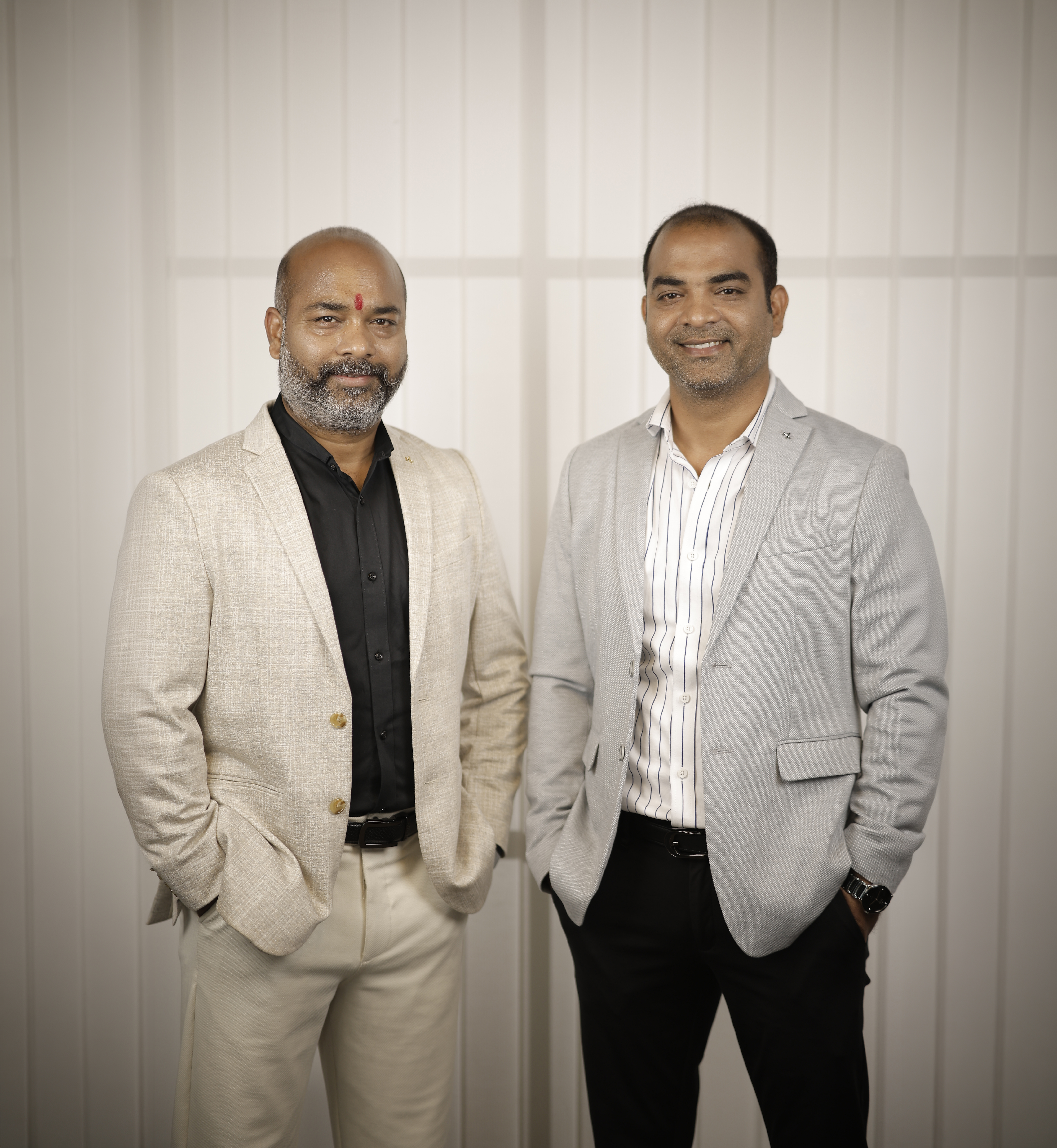
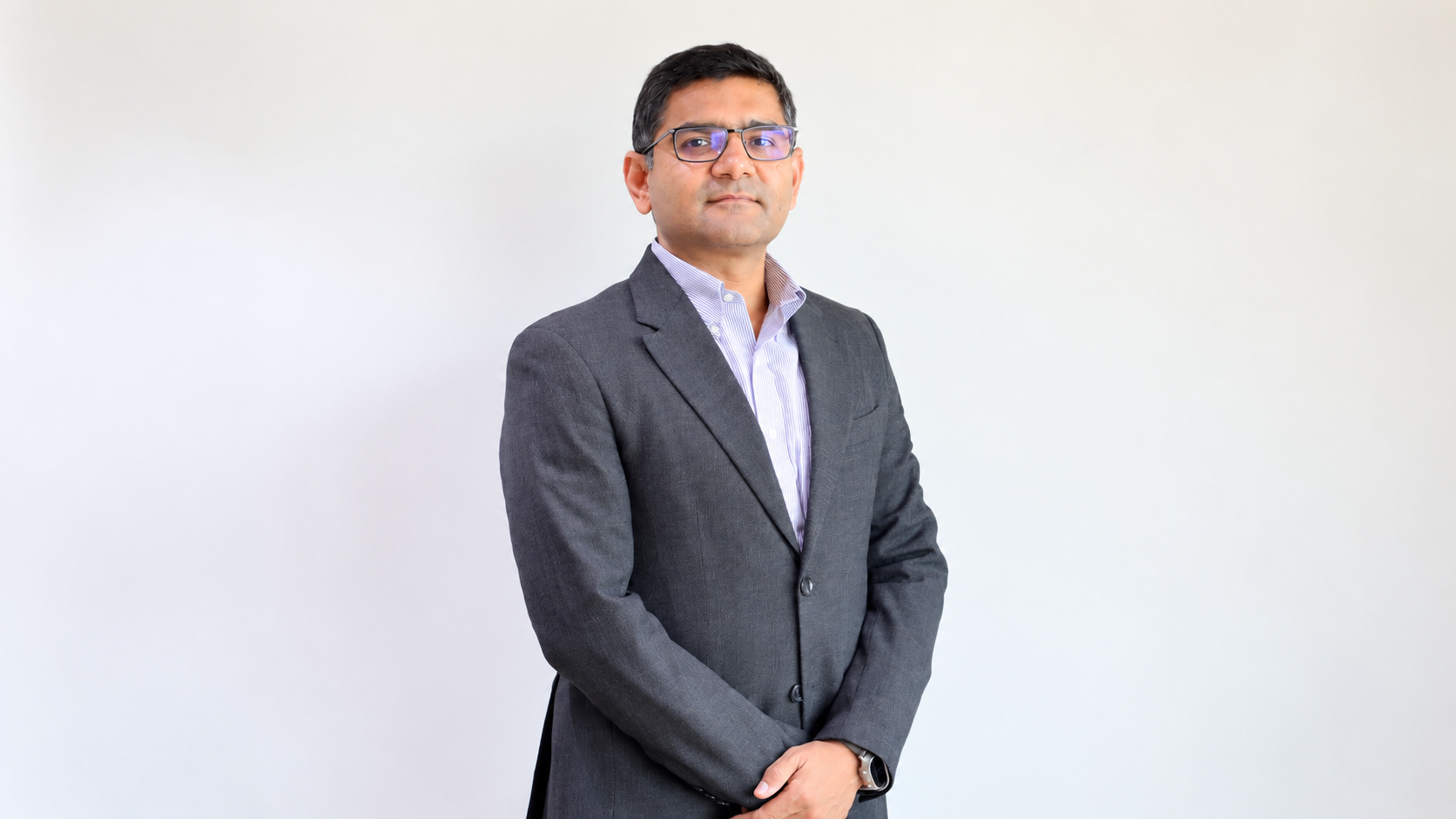
India’s demographic dividend will depend not only on expanding access to education, but also on how effectively young people can translate learning into skills, skills into work, and work into sustainable livelihoods. The gap between academic qualifications and workplace readiness remains a critical challenge, particularly as technology and the nature of jobs continue to change. In this conversation with Mr. Pravesh Dudani, Founder & Chancellor, Medhavi Skills University, TheCSRUniverse explores what it will take to build a more employment-oriented and future-ready higher education ecosystem.
Mr. Dudani reflects on his journey from recognising the disconnect between education and industry requirements to developing an approach centred on a Skills-First India, where academic learning is integrated with workplace experience and economic opportunity. He discusses Medhavi Skills University’s Work Integrated Skill-Based Higher Education (WISE) model and how “earn while you learn” can make higher education more accessible while giving students practical exposure and greater confidence.
The conversation also examines the changing role of industry-academia partnerships, the need for CSR to move beyond short-term training towards longer-term economic mobility, and the capabilities young people will need in an era shaped by AI and automation. Dudani also shares his vision for a university where education, skills, industry and livelihoods are more closely connected, and where students leave with not just qualifications, but the practical capabilities and experience needed to participate meaningfully in the world of work.
Read the full interview below for more insights.
Q. What inspired your commitment to skill-integrated education, and how has your vision evolved over the years as India's education and employment landscape has changed?
A. For me, it started with a fairly fundamental question: why should students spend years acquiring education and still have to prove that they are ready for work? When we started Medhavi Foundation in 2012, we were already seeing the disconnect between the employability of young people and the skills that industry actually needed.
Over time, that experience changed how we looked at education itself. We realised that skilling could not remain a parallel system outside mainstream education. It had to become part of the way young people learn, experience work and build their careers. That thinking led us to build Medhavi Skills University and, today, to think about the larger education-to-employment ecosystem.
Our vision has therefore evolved from simply making education more skill-oriented to asking a larger question: how do we make learning translate into capability, capability into opportunity, and opportunity into livelihood? That is at the heart of our belief in a Skills-First India.
Q. Higher education is increasingly being judged by employability outcomes. How do you see the role of skill-integrated universities in bridging the long-standing gap between academic learning and industry expectations in India?
A. The fundamental issue is that we have traditionally treated education and work as two separate stages---first you learn, and then you work. That model worked reasonably well when the world of work was more predictable. It is no longer adequate.
A skill-integrated university brings the two closer together. Industry should not enter a university only when it is time to recruit; it should be present when curriculum is designed, competencies are defined, projects are created and students experience the workplace.
At MSU, our approach is to combine academic rigour with practical learning, apprenticeships, industry exposure and real-world problem solving. The objective is not to make universities glorified training centres. It is to make academic learning more applied, contextual and connected to outcomes.
Ultimately, we should stop asking whether a student has simply earned a degree and start asking: what can this young person actually do because of what they have learnt? That is the real test of employability.
Q. Medhavi Skills University has championed the Work Integrated Skill-Based Higher Education (WISE) model, enabling students to earn while they learn. What inspired this approach, and what impact have you seen it create for learners who might otherwise struggle to access higher education?
A. WISE came from understanding the reality of the young people we were trying to serve. For many families, the barrier to higher education is not only tuition fees. It is the opportunity cost of spending three or four years studying without earning.
We therefore asked ourselves: why can't education work differently? Why can't a young person learn in a classroom, apply that learning in the workplace, earn an income and build experience at the same time?
That is what WISE attempts to do. It brings together a degree, skills, workplace exposure and earning. But the deeper impact is the sense of agency it creates. A student is not simply preparing for a job at some distant point in the future; they are already experiencing the world of work while they are learning.
One of the things that stays with me is seeing students who begin their journey with limited confidence gradually become comfortable in a professional environment, take responsibility and start contributing to their families. For us, “earn while you learn” is therefore not just a financial proposition. It is a way of making higher education more accessible, more relevant and more connected to real life.
Q. What have been some of the most important lessons from this journey that now influence the university's academic philosophy and institutional vision?
A. The first lesson is that learning becomes much more powerful when it has context. A student understands a concept differently when they can see where it is applied and what problem it solves.
The second is that industry cannot simply be the destination at the end of education. It has to be a participant in the learning process. That means bringing practitioners into classrooms, designing programmes and curriculum with employers involved at every stage and empowering students better with opportunities to work on real problems.
The third, and perhaps most important, is that access is only the beginning. Getting a young person into education matters, but what happens after that matters just as much. Do they develop confidence and perform in the workplace? Can they earn and continue to grow?
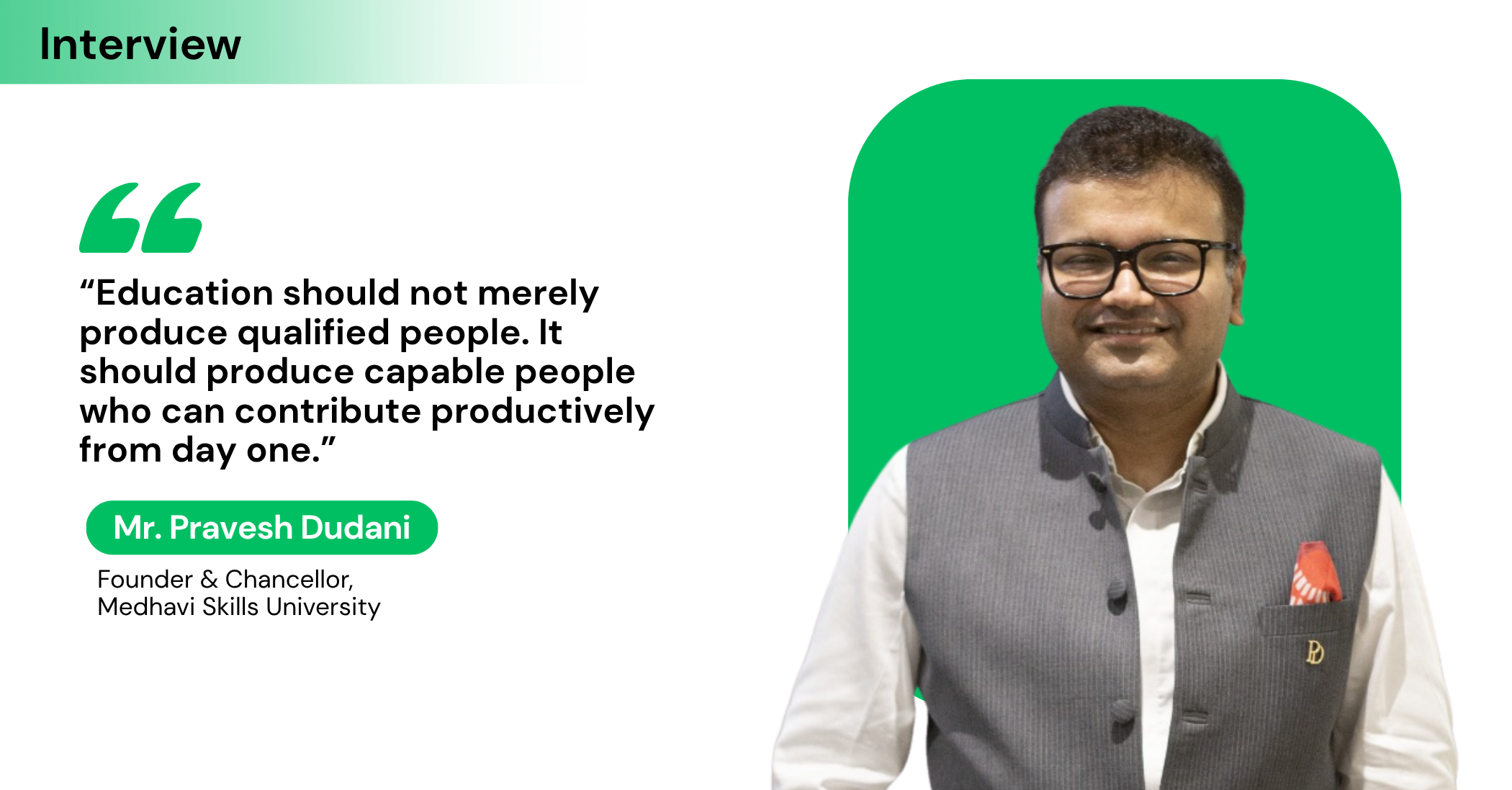
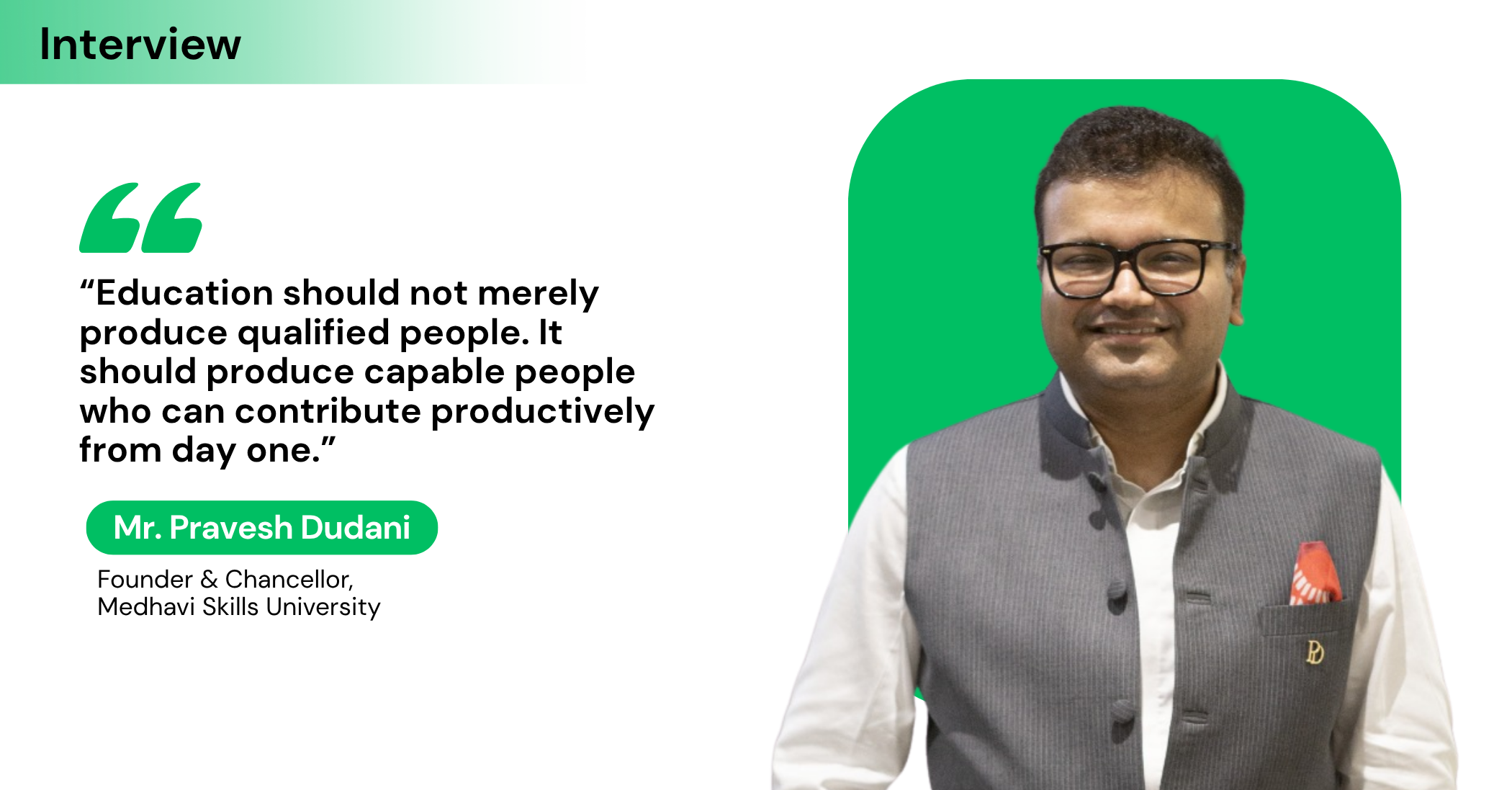
Those very questions have shaped our philosophy at MSU: education should not merely produce qualified people. It should produce capable people.
Q. The latest NITI Aayog report suggests that there are about 8 crore young people in our country who are neither working nor studying/training. How do you look at this as a challenge or opportunity?
A. I would look at it as a very large opportunity wrapped inside a serious challenge.
The NITI Aayog report estimates that around 8.7 crore young people aged 15–29 fall into that category. We should be careful not to equate that directly with unemployment, because the category includes young people who are not studying, working or training for a variety of reasons. But the scale tells us something important: there is a very large part of India's young population that is not connected to the pathways through which capability becomes economic participation.
For India, that is too much potential to leave disconnected. The answer cannot simply be more training programmes. We need accessible pathways that connect learning to skills, skills to work and work to progression.
This is where the context of demographic dividend becomes extremely interesting. A young population is not automatically an economic advantage. It becomes one only when young people have the capabilities and opportunities to participate productively in the economy.
Q. What does meaningful industry-academia collaboration look like in today's context, and how can it move beyond placements to become a true co-creation model?
A. I think we need to fundamentally change the way we define industry-academia collaboration. If the only interaction between an institution and an employer happens during campus placements, that is not collaboration; it is recruitment that is transactional.
True collaboration starts much earlier. Industry should have a voice in shaping curriculum, competency frameworks, technology exposure, projects, apprenticeships and assessment. Faculty and students, in turn, bring academic depth, curiosity and the ability to think beyond immediate business requirements.
The relationship should move from “industry hires our graduates” to “industry and academia help create the graduates of the future.”
That is the model we are trying to build at MSU. Our partnerships are increasingly about creating industry-integrated learning environments and talent pipelines, not simply placing students after they graduate. The NephroPlus partnership, for example, combines academic structure with domain expertise, workplace learning, stipends and recruitment pathways. That is much closer to co-creation.
Q. The Medhavi Foundation has worked with corporates, governments, and development agencies across skill development, apprenticeships, and livelihoods. From a leadership perspective, how do you see the role of CSR evolving from funding short-term training programmes to enabling long-term pathways for education, employability, and economic mobility?
A. I believe CSR has an opportunity to move from funding interventions to building pathways.
Training someone for three or six months is important, but it is only one part of the journey. The more meaningful question is: what happens next? Does that person transition into work? Does their income improve? Can they continue learning? Can they build a more secure future for themselves and their family which in turn leads to some change in the overall socio-economic mobility of the nation?
That requires CSR to think beyond programme completion and towards outcomes and economic mobility.
We have seen through our work with Governments, corporates and development partners that the strongest interventions are those that connect skills with actual demand and create a pathway into sustained livelihoods. CSR can play an important catalytic role here, bringing together capital, industry, government and implementation capability to create pathways that last beyond a single project cycle.
For us, social impact ultimately means helping people move from potential to productivity and from productivity to greater economic opportunity. The idea, at the end of the day, is to leverage the Skills-First approach for greater socio-economic inclusion.
Q. As technologies such as AI, automation, and digital platforms continue to reshape the world of work, what skills and competencies do you believe will be most critical for the next generation, and how is Medhavi preparing students for this transition?
A. AI will change the nature of many jobs, but I don't believe the answer is to simply teach young people another set of technical tools. Technology will continue to change. The more enduring capability is the ability to learn, adapt and work with technology.
Professionals of the future will need digital and AI fluency, but equally strong capabilities in communication, problem-solving, critical thinking, collaboration, creativity and adaptability. We also need to place much greater emphasis on what I would call the ability to learn, unlearn and relearn.
Our approach at MSU is therefore increasingly about building professionals who can operate in changing environments rather than training people narrowly for mere job descriptions.
AI should also allow educators to focus more on the human dimensions of learning. As I have said before, technology can bring consistency and scale to certain aspects of education, but it cannot replace human judgement, context and emotional intelligence. The future is not human versus AI; it is humans who know how to work effectively with AI.
Q. There are so many courses around skill training which need sustained upgradation every few years due to the advent of new technologies. If you were to suggest 2-3 fields in particular, what courses would you advise young people to opt for that have high demand across the country?
A. I would be cautious about telling students and learners to chase the “hottest” course of the moment. Technology cycles are becoming shorter, and today's high-demand skills can change quickly.
Instead, I would look at fields where long-term economic demand and technological transformation intersect. AI and data are obvious areas. Advanced manufacturing, automation and industrial technologies are another. Cybersecurity, cloud and digital infrastructure are also likely to remain important as India's digital economy expands.
But the more important principle is to build strong foundations rather than narrow tool-based skills. Someone who understands the fundamentals of data, computing, engineering or a particular industry can continuously adapt as the technology changes.
The question young people should ask is not just, “What job is in demand today?” It should be “What capabilities will allow me to remain relevant as the job title and descriptor changes?”
Q. Going forward, what is your vision for Medhavi Skills University's contribution to this skill training revolution? What are your future plans regarding expansion and also bringing new and relevant courses to your university?
A. Our ambition is larger than simply expanding the number of programmes or campuses. We want to help redefine what a university can be in a Skills-First India.
MSU was built around the belief that education cannot be divorced from work and learning cannot be disconnected from real outcomes. Going forward, we want to deepen that model through more industry-integrated programmes, stronger apprenticeship and work-based learning pathways, alongside new-age programmes aligned with sectors where India is creating significant economic opportunity.
We also want to make this model more accessible geographically and economically, particularly for young people outside the traditional metropolitan and elite education ecosystems. India's demographic dividend will not be realised only by the top end of the talent pyramid; it will depend equally on what we do for Middle India and the grassroots. That is a conviction that has increasingly shaped our thinking.
Ultimately, our aspiration is for MSU to become a place where education, skills, industry and livelihoods converge and where a student leaves not merely with a qualification, but with the capability, confidence and experience to contribute productively from day one.
That, to me, is what a truly Skills-First university should stand for.
.png)


.jpg)