From Care to Community: How Urja is Redefining Senior Living in India
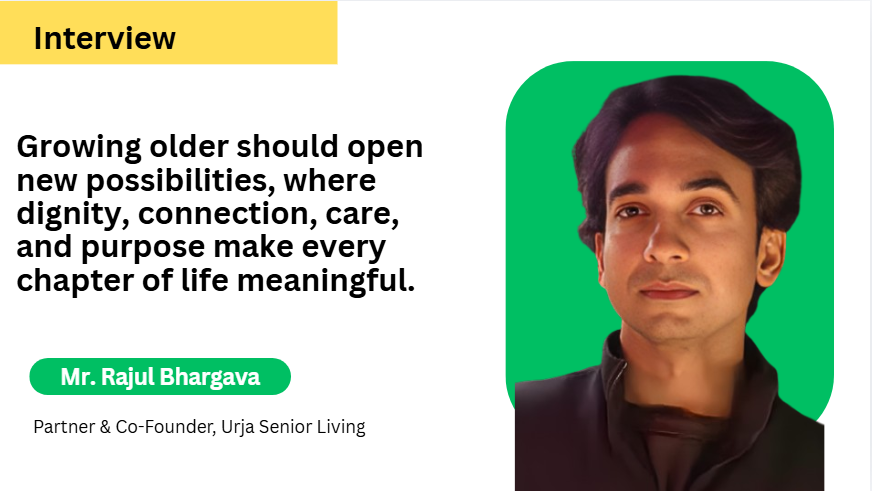
Growing older should never mean growing smaller in life. As India’s ageing population rises, the idea of senior living is changing from simply providing a place to stay to creating communities where older adults can live with dignity, independence, connection, and access to quality care.
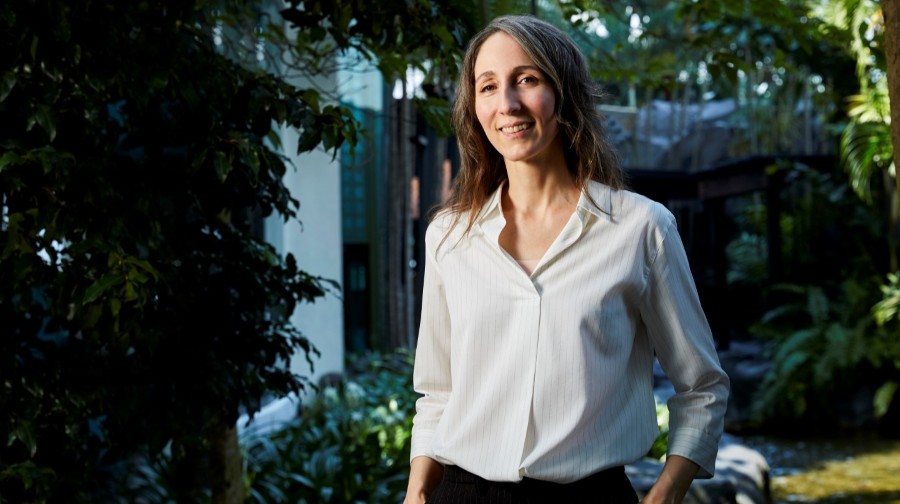
In this insightful interview, Mr. Rajul Bhargava, Partner & Co-Founder, Urja Senior Living, shares the vision behind CHL Urja, a healthcare-integrated senior living community in Indore developed by the family behind CHL Hospitals. Drawing on more than two decades of healthcare experience, he explains why senior living needs to move beyond the traditional retirement-home model.
The conversation explores the importance of healthcare-integrated communities, active ageing, social connection, age-friendly cities, and dignified retirement. Bhargava also discusses how technology, private-sector participation, PPP models, CSR, and supportive government policies can help build a stronger senior care ecosystem in India. At its heart, the interview presents a simple idea: senior living should not be about slowing down, but about creating the right environment for older adults to continue living healthy, meaningful, and connected lives.
Scroll down to read more:
Q. Urja Senior Living has been developed with a healthcare-first approach to senior living. What was the vision behind this initiative, and what gap in India's senior care ecosystem were you aiming to address?
A. Running CHL Hospitals for 22 years, healthcare is in our DNA — so when we started exploring senior living, we naturally approached it healthcare-first. At the time, there was no community like this in Madhya Pradesh. We visited several senior living communities in Florida to study how mature markets had solved this, and came back convinced: the gap isn't in one city, it's everywhere. Every Indian city needs this model.
Q. Senior living in India is often associated with retirement homes. Why do you believe this perception needs to change?
A. Most people still picture senior living as a retirement home — a place you go to slow down. Our idea is different: Senior Care, 360 degrees, spanning everything from active living to palliative care. We're not builders selling real estate. We're service providers, and that distinction is the whole point.
Q. Healthcare is becoming an integral part of senior living. In your view, what difference does a healthcare-integrated community make compared to conventional senior housing?
A. If a community like Urja can let the children of our residents sleep peacefully wherever they are, knowing our 24/7 ICU-trained nursing staff is monitoring their parents, that's success. Good technology makes this kind of integration possible in a way it simply wasn't before.
Q. As India's elderly population continues to grow, what changes do you think cities and urban planners need to make to become more age-friendly?
A. A simple test: can a senior in your city take public transport, run an errand, meet a friend, and come home without breaking a sweat? In the West, buses kneel to let elderly passengers board, and social security guarantees free healthcare. India needs the same intent — starting with concrete steps like tax-free retirement home purchases for seniors, and urban infrastructure built with them in mind, not as an afterthought.
Q. Active ageing is increasingly becoming a key focus in senior care. From your experience, what are the essential elements that help older adults lead healthier, more independent, and fulfilling lives?
A. Seniors want community and experience, not just care. A township with a solid monthly activity calendar, real spaces to unwind with peers, and support with the daily chores they're tired of doing after a lifetime — that solves most of the puzzle.
Q. Many families are still hesitant about senior living communities. What are the biggest misconceptions you come across, and how can they be addressed?
A. Some families feel guilty for not living with their parents because of work in another city. But even under the same roof, if a senior isn't socializing with people their own age, ask yourself if that's really serving them. Communal life — dining together, festivals, clubs, shared celebrations — is core to how people thrive. We owe our parents that.
Q. How does CHL Urja differentiate itself from conventional senior living communities currently available in India?
A. Our edge is 22 years of running hospitals — we're not a real estate company adding a clinic, we're a healthcare company building a community. That means an in-house clinical team, ICU-trained nursing, and protocols built the way a hospital builds them, not the way a builder builds an amenity. Everything else in the community is designed around that clinical backbone.
Q. What were the key considerations while conceptualising a senior living community that combines healthcare, hospitality, and community living?
A. Getting residents who share a similar mindset from day one matters enormously — and that starts with getting the fundamentals right: clear norms and SOPs, a strong healthcare team, a dedicated service team, and shifting the mental model so this feels like a resort township with a healthcare layer underneath, not the other way around.
Q. As India's ageing population grows, what role can the private sector play in building a stronger senior care ecosystem?
A. The sector has to keep building — but a PPP model is essential. Private players alone can only go so far; we need to come together and engage government directly on policy support.
Q. How can CSR initiatives contribute to promoting active ageing, senior wellbeing, and age-friendly communities in India?
A. This is where India's CSR law can do real work. Platforms like Let It Count (www.letitcount.com) can identify not-for-profit senior living homes and connect them with corporate donors — opening a funding door that doesn't exist today.
Q. What policy interventions and collaborative efforts between government, healthcare providers, and corporations do you believe are needed to strengthen India's senior living ecosystem?
A. If the government simply asked: what does a senior citizen need to live a healthy, productive life in India? — most of the answers would follow. Cheaper real estate for senior care, subsidized services, tax holidays for senior care startups, and technology partnerships with corporations could form a real ecosystem.


.png)