From Barren Land to a Thriving Urban Forest: Restoring Ecology at Harit Upvan, Sorkha
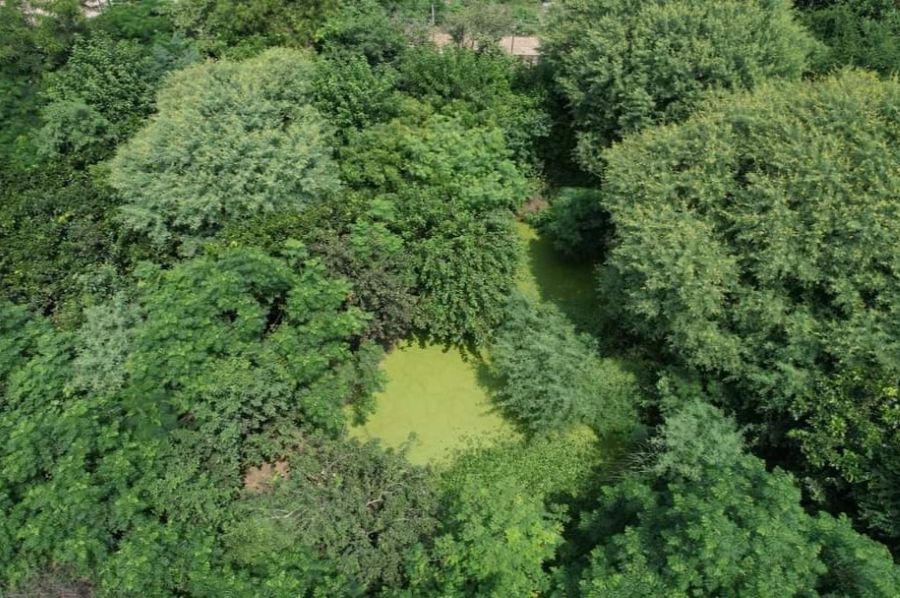
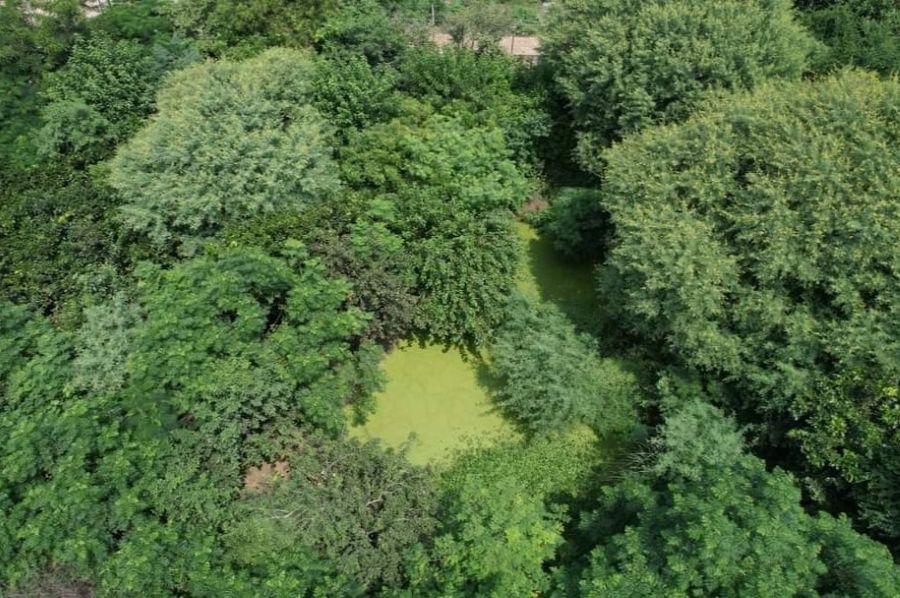
In one of Uttar Pradesh's fastest urbanising districts, a neglected stretch of land once buried under construction debris and community waste has evolved into a flourishing urban forest. Spread across 12.5 acres in Sorkha Village, Gautam Buddha Nagar, Harit Upvan demonstrates how long-term ecological restoration, strategic partnerships and community participation can reverse environmental degradation. Since the project began in 2017, more than 88,000+ native trees have been planted, transforming a barren landscape into a biodiverse ecosystem that now supports dozens of bird, butterfly, mammal and reptile species while improving environmental resilience for surrounding communities.
The Challenge: A Rapidly Urbanising Landscape Losing Its Green Cover
Gautam Buddha Nagar has undergone dramatic urban expansion over the past two decades, gradually transitioning from a predominantly agricultural landscape to a densely built industrial and residential hub. This rapid transformation has come at the cost of shrinking green spaces, fragmented habitats and declining biodiversity.
The site identified for Harit Upvan reflected these challenges. Covered with construction waste and debris, the land had little ecological value and contributed to environmental concerns such as soil degradation, reduced groundwater recharge, rising temperatures, deteriorating air quality and increasing vulnerability to climate change. Restoring this degraded landscape presented an opportunity not only to improve the local environment but also to demonstrate how urban ecological restoration can contribute to sustainable city development.
The Intervention: Building an Urban Ecosystem from the Ground Up
Following the allocation of the land by the District Administration of Gautam Buddha Nagar in October 2017, HCL Foundation, in partnership with Give Me Trees Trust and the district administration, initiated an ambitious habitat restoration programme to convert the degraded site into a sustainable urban forest.
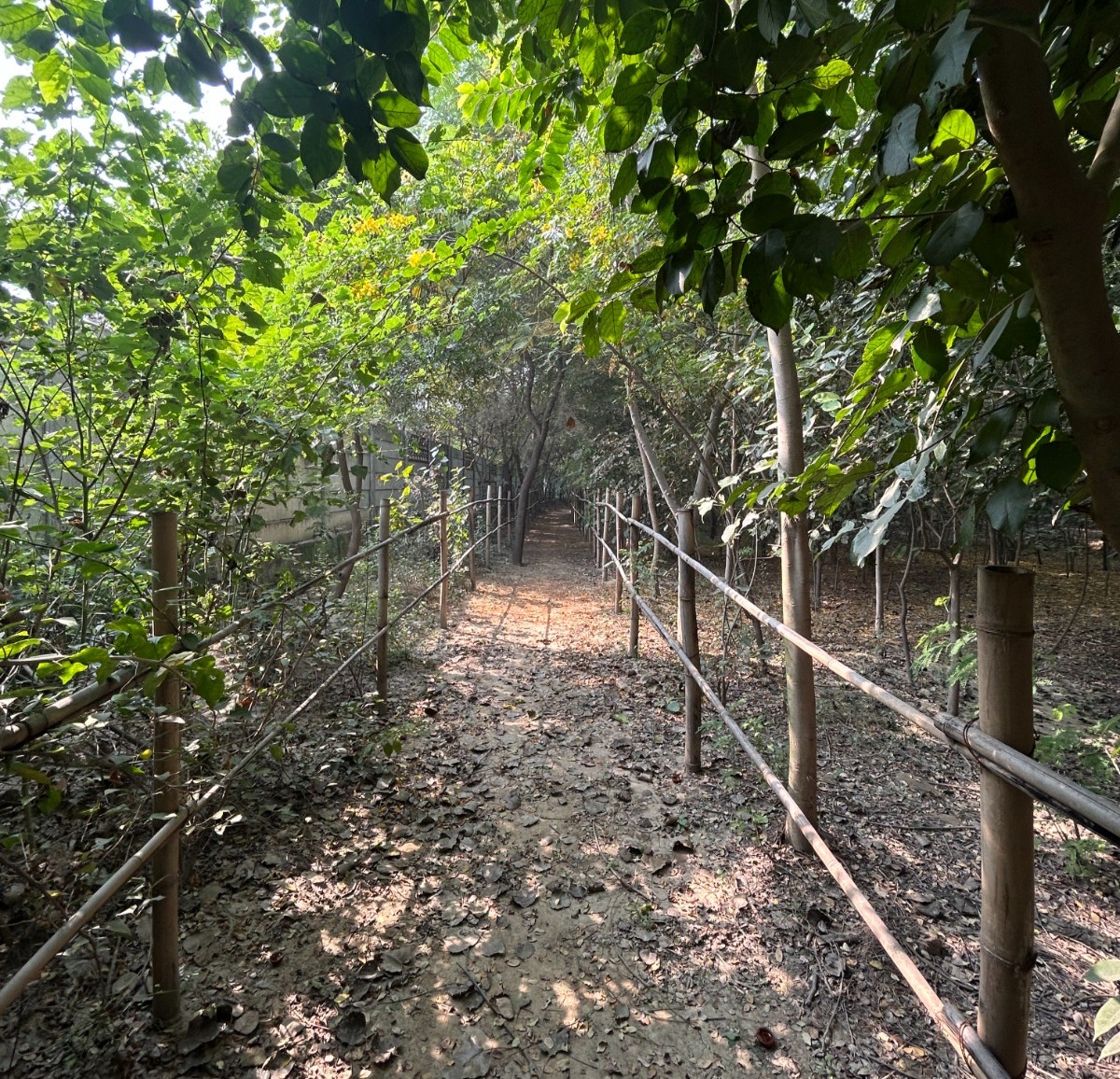 The intervention extended well beyond plantation activities. Native and climate-resilient tree species were carefully selected to suit the local ecosystem, while natural soil restoration measures helped improve land fertility and moisture retention. Microhabitats, including insect hotels and biodiversity-supportive spaces, were developed to encourage wildlife. Regular ecological monitoring—including biodiversity assessments and Air Quality Index (AQI) tracking—enabled the team to evaluate ecosystem recovery over time. Community awareness campaigns and volunteer-led plantation drives ensured that local residents became active participants in protecting and nurturing the restored landscape.
Growing Biodiversity, One Native Species at a Time
Over nearly a decade of sustained restoration efforts, Harit Upvan has evolved into an important urban biodiversity hotspot. The site now hosts 88,442 native plants and supports a diverse range of wildlife, including 82 bird species, 40 butterfly species, 10 mammal species, 10 reptile and amphibian species, 15 moth species, 14 dragonfly species and six spider species.
The increasing diversity of flora and fauna reflects the gradual recovery of ecological processes within the restored habitat. Improved vegetation has created shelter and food sources for wildlife while contributing to healthier soil, better moisture retention and enhanced pollinator activity. The expanding green cover has also helped moderate local microclimatic conditions and strengthen the area's resilience against environmental stress.
Community at the Heart of Restoration
Harit Upvan's success extends beyond ecological outcomes. Community participation has remained central to the initiative throughout its journey. Residents, students, volunteers and partner organisations have contributed to plantation drives, habitat restoration, biodiversity monitoring and environmental awareness programmes.
As the forest matured, it also became a shared community space where people reconnect with nature while actively contributing to its conservation. This collective ownership has strengthened environmental stewardship and demonstrated that long-term restoration efforts become sustainable when communities are directly involved in protecting natural assets.
Impact Beyond Green Cover
The restoration of Harit Upvan has generated multiple environmental and social benefits. Ecologically, it has increased green cover, restored biodiversity, improved soil stability and moisture retention, and created habitats that support urban wildlife and pollinators. Environmentally, the growing forest contributes to reducing dust, mitigating the urban heat island effect, improving local air quality and strengthening climate resilience.
Equally significant is the project's social impact. By creating a healthier and greener public space, Harit Upvan has enhanced the quality of life for nearby communities while fostering greater environmental awareness and citizen participation in conservation efforts.
Leadership Perspective
Reflecting on the initiative, Swami Prem Parivartan (Peepal Baba), Founder, Give Me Trees Trust emphasises that the project represents more than ecological restoration.
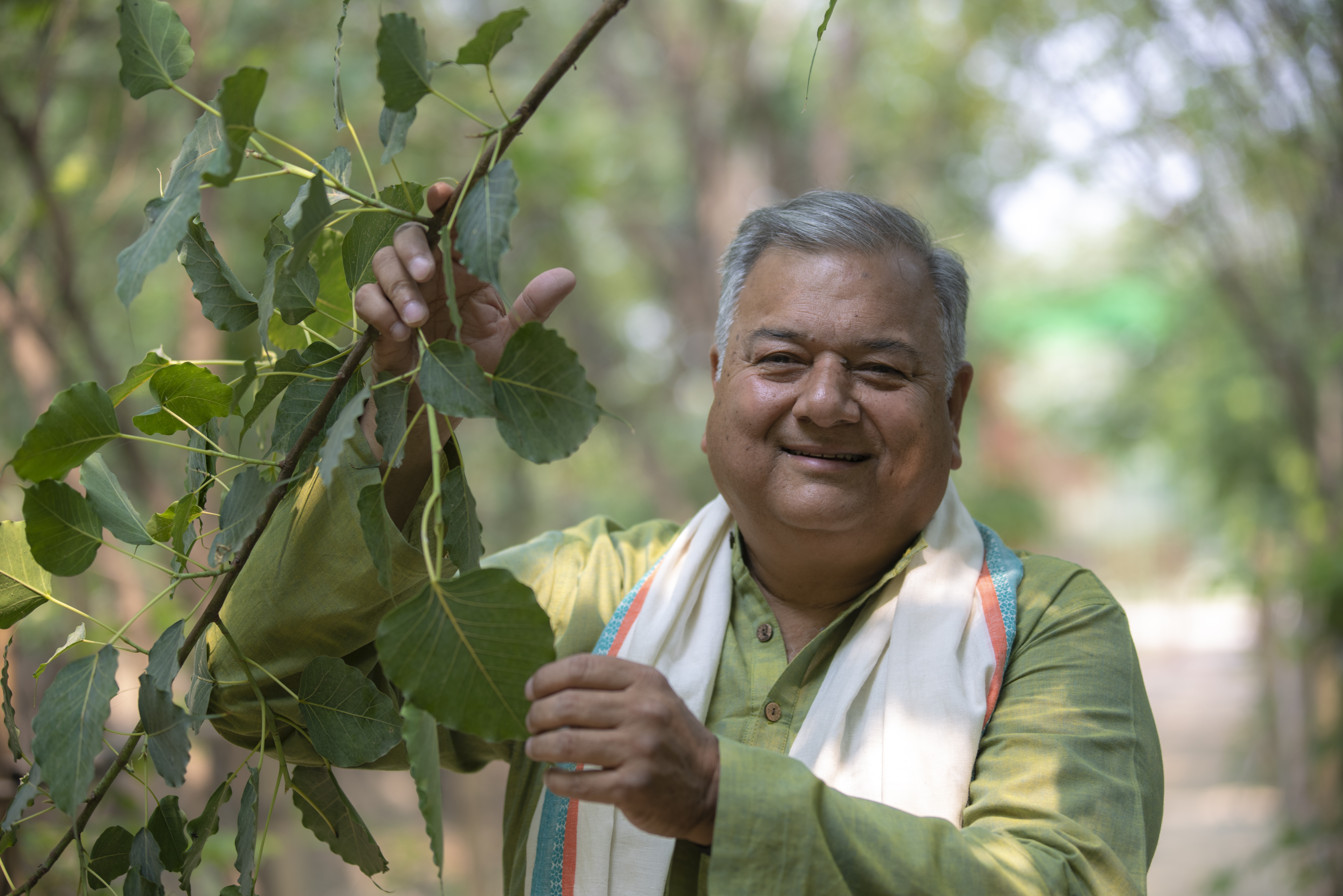 "Harit Upvan is not just about restoring a piece of land; it is about restoring the relationship between people and nature. When we protect our forests, water, and biodiversity together, we create a healthier and more secure future for generations to come."
Sharing the project's broader lesson, he adds,"Nature has an incredible ability to heal itself when we give it care, patience, and protection. Harit Upvan has shown that even the most neglected land can become a thriving ecosystem through collective effort and long-term commitment."
A Model for Urban Ecological Restoration
The transformation of Harit Upvan demonstrates how degraded urban land can be reclaimed through sustained ecological restoration, scientific planning and community engagement. What was once an abandoned site has become a living ecosystem that supports biodiversity, improves environmental quality and provides valuable green infrastructure for a rapidly expanding city.
As urban centres across India continue to grapple with shrinking green spaces and mounting climate pressures, Harit Upvan offers a practical and replicable model for integrating habitat restoration into urban development. It illustrates that with committed partnerships, patient stewardship and local participation, even the most degraded landscapes can be transformed into resilient ecological assets for future generations.



.JPG)