Beyond the Lake: Reviving the Water Structures that Sustain Village Life
Traditional water systems have historically played a central role in sustaining rural communities across India. While lakes are often viewed as the primary source of water security, smaller interconnected structures such as stepped wells, feeder channels and embankments are equally important in supporting agriculture, livestock, sanitation and daily household needs. Over the years, many of these systems have deteriorated due to neglect, silt accumulation and changing patterns of water use. This case study from Karnataka’s O-Mittur Gram Panchayat explores ongoing efforts to rejuvenate these traditional structures through community participation and institutional support, while also highlighting their wider impact on livelihoods, biodiversity and local resilience.
Beyond the Lake: Reviving the Water Structures that Sustain Village Life
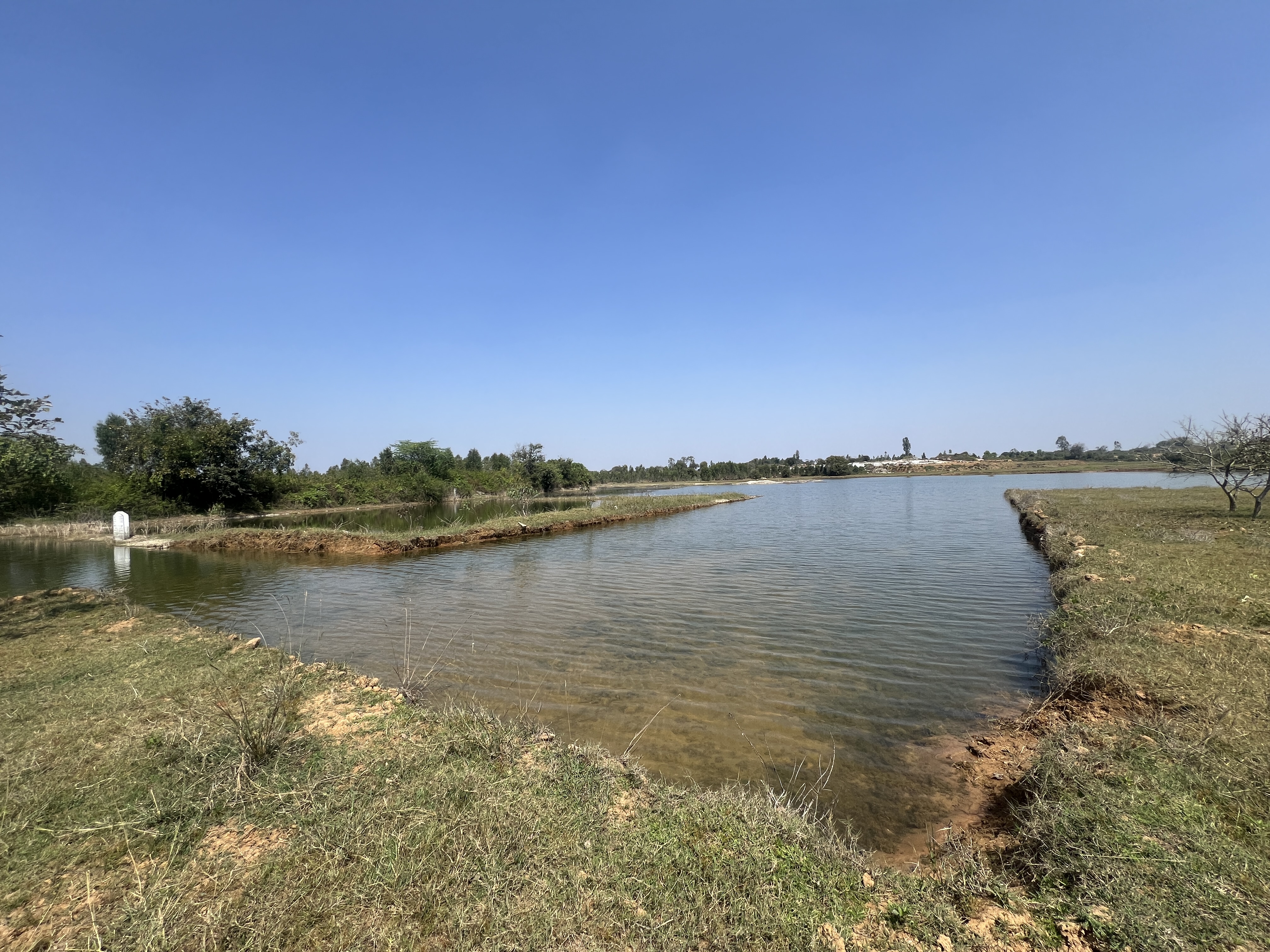
In drought-prone regions, lakes are often seen as the centre of rural water security. But sustaining village life depends equally on the interconnected structures around them — kalyanis (stepped wells), bunds (embankments or walls) and kaluves (feeder channels) that help store, carry and distribute water across communities. That is what has been unfolding across O-Mittur Gram Panchayat in Karnataka, which encompasses a cluster of villages including Bandahalli, Pichguntalahalli and Batlabhavanahalli. Efforts to rejuvenate the kalyanis, bunds and kaluves are being implemented through a partnership between Biome Environmental Trust and Arohana Grameenabhivruddi Samsthe, a women-led NGO, with support from Carrier Abound, part of Carrier Global Corporation.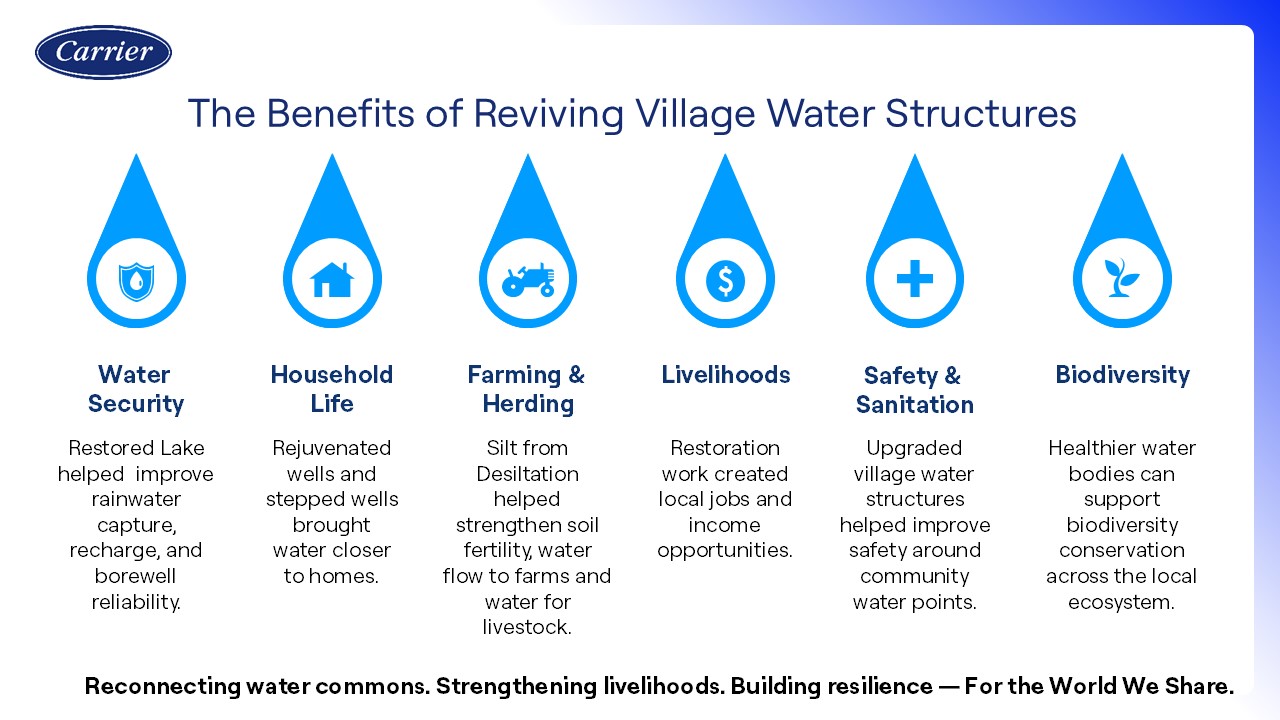
The initiative builds on earlier restoration efforts by extending attention beyond lakes to the smaller supporting structures that villagers depend on in their daily lives. While lakes often dominate discussions around rural water conservation, open wells and kalyanis have historically served as trusted sources of water for drinking, bathing and household use, long before borewells and overhead tanks became common.
Over time, many of these traditional systems fell into neglect. Silt accumulated, waste was dumped, and dense overgrowth made several structures unsafe or difficult to access. Gradually, many slipped out of regular use. Restoring them may not always be visible or glamorous work, but it helps reconnect water systems to the everyday rhythms of village life — from kitchens and schools to farms and livestock.
Rejuvenating Traditional Water Structures
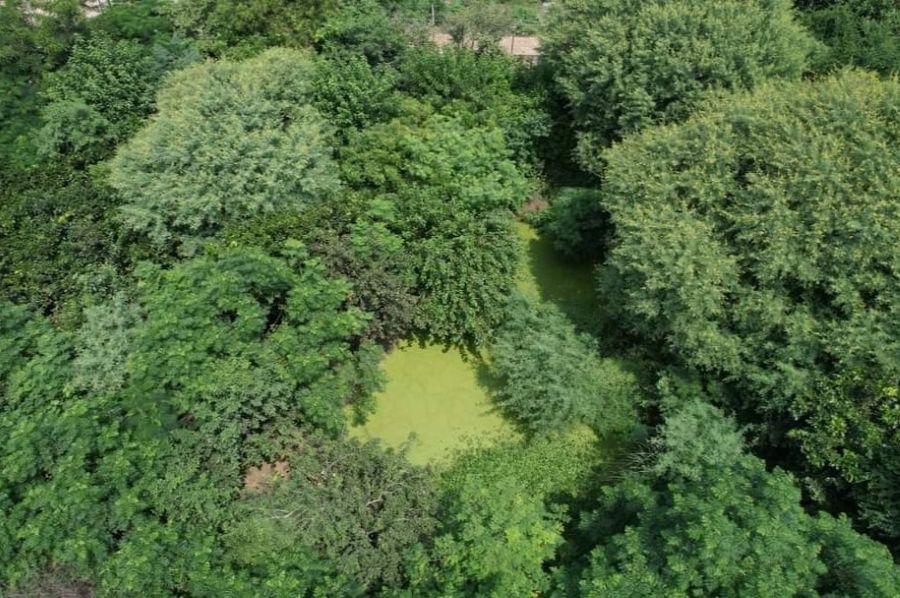
In Pichguntalahalli village, this shift came into focus around a small kalyani. Between 2024 and 2025, the stepped well was rejuvenated to a depth of 18 feet, employing twenty villagers over a period of 30 days. One village representative described the reasons behind rejuvenating the kalyani and the process that followed:
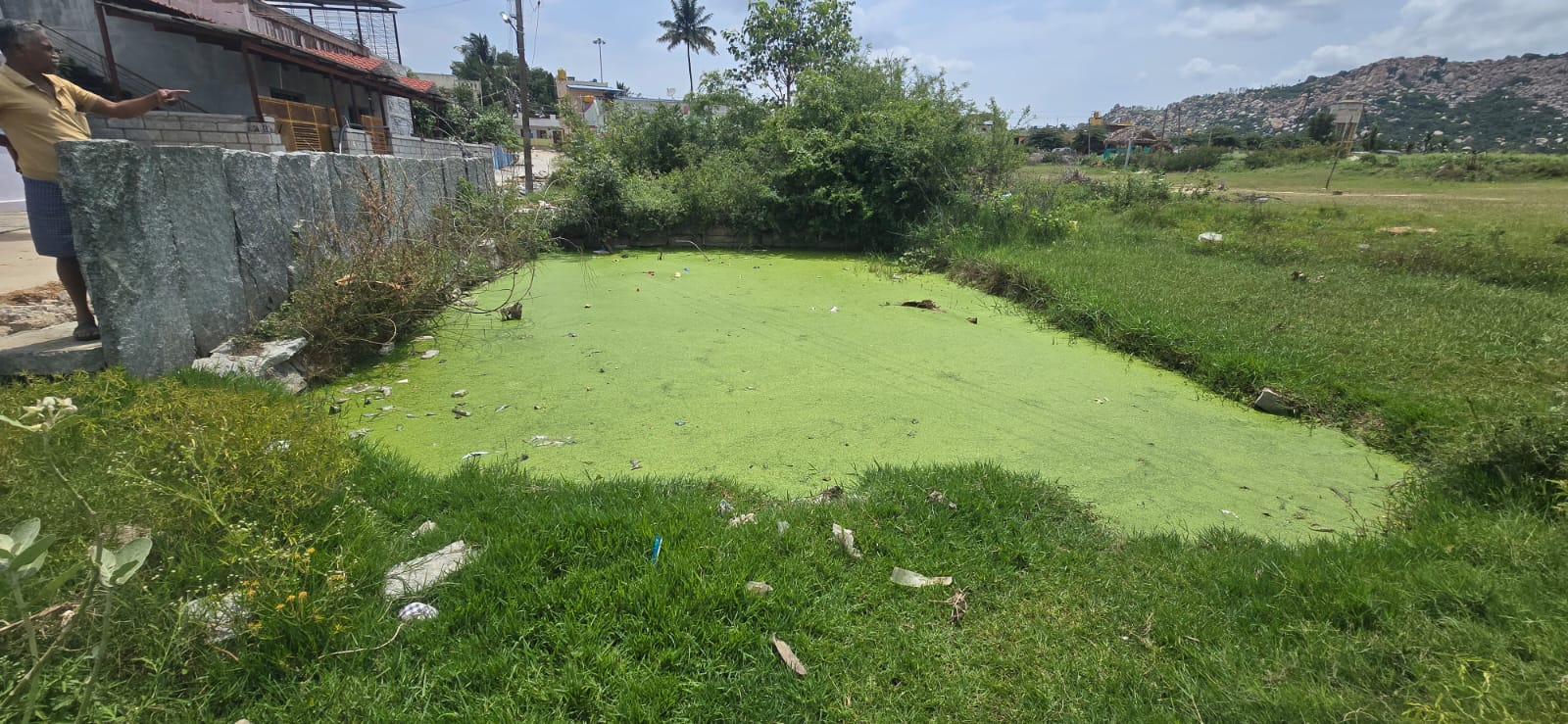 “There are 120 houses in this village. The area was in bad condition, and we needed to clean it up. We worked on the lake project and realised we also needed to do something for this Kalyani. The villagers wanted action and urged that the area be restored. Eventually, with the help of donations, we were able to clean it.
Earlier, our ancestors grew leafy vegetables and coriander around this Kalyani. They would use the overflowing water for their gardens. Now, the village is very happy that we can once again attempt this. People are also planning to use the water for drinking and bathing purposes. The donations have been put to good use, and the villagers are happy.” – Vishwanath
The villager’s account reflects how the intervention did not begin as a top-down initiative; it emerged from a local demand, supported by Gram Panchayat representatives and carried forward through partnerships that could help translate those demands into action.Villagers have also observed additional benefits from desilting efforts. The silt collected from the Bandahalli Doddakere lakebed has been described as fertile, with some farmers saying they are able to reduce chemical fertiliser use and improve crop yields by applying the silt to their fields.
Nagaraj, a local farmer, shared that he previously harvested only one or two sacks of paddy, but now harvests ten to twelve sacks using only the lake silt and no external fertiliser. The impact is not limited to agriculture alone. Improved farm productivity can strengthen livelihoods, improve living standards and encourage continued engagement with farming, thereby supporting local employment as well.
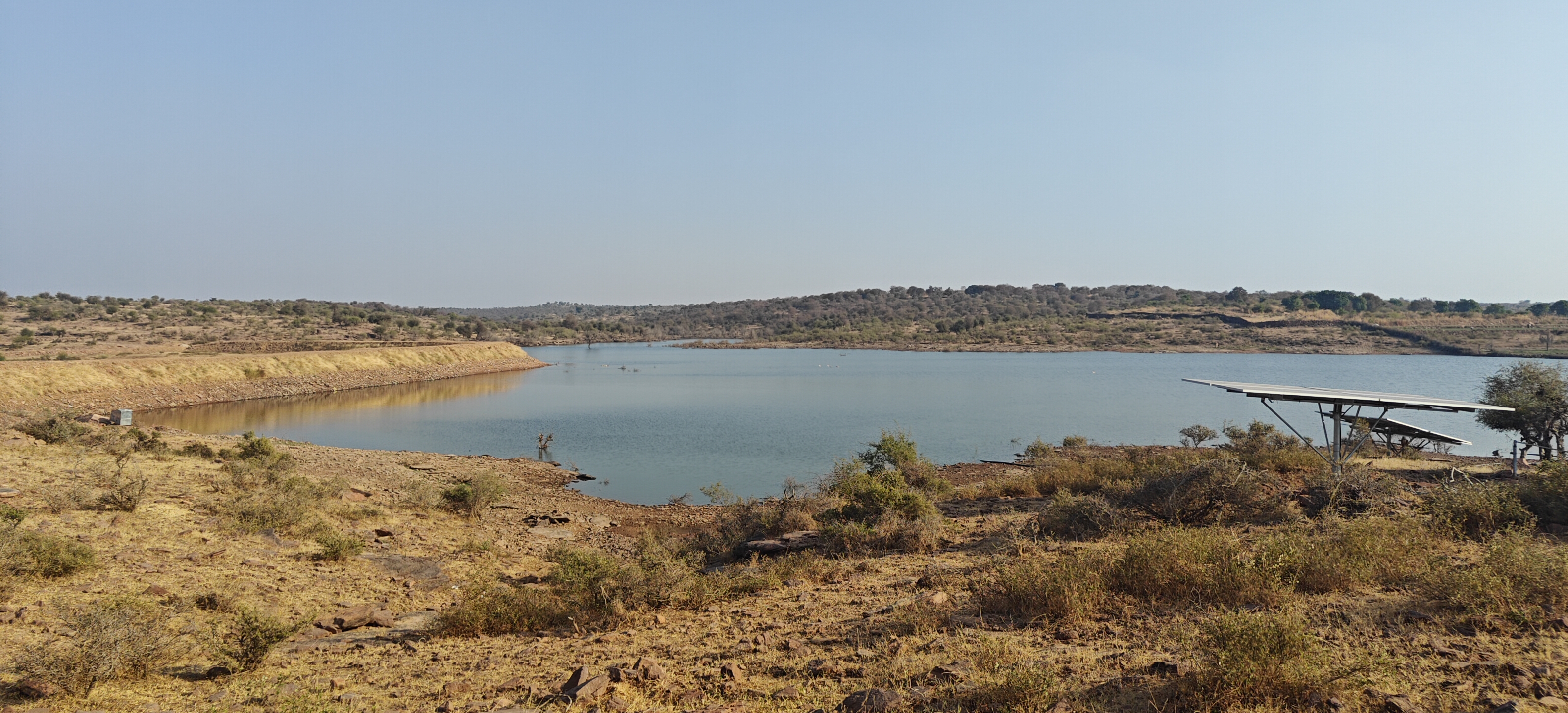
Additionally, the increased water capacity of the Pichguntalahalli lake now supports more than 1,800 sheep and goats during the summer months, while also providing relief to herders who previously struggled with water scarcity. Villagers have also observed an increase in birds, insects and fish around the lakes, indicating improvements in local biodiversity.
Restoring Water Flow, Safety and Sanitation
In Batlabhavanahalli village, the restoration story has unfolded somewhat differently, with water rejuvenation intersecting with safety and sanitation concerns. Between 2024 and 2025, the project rejuvenated both an open well and a kalyani, creating direct household-level benefits. The open well, measuring 9 ft x 28 ft, now supports the water needs of around 30 households, while the rejuvenated kalyani, measuring 32 ft x 25 ft x 10 ft, has contributed to improved sanitation and safer access to water for nearly 30 children and 7 households.
%20before%20and%20after%20cleaning.JPG.jpg) Additionally, between 2025 and the first few months of 2026, more than 1,550 metres of kaluves connected to the Batlabavanahalli Doddakere lake were desilted. These inlet channels carry rainfall runoff from the catchment area into the lake, and their restoration helped improve water flow while employing thirty villagers over a period of 20 days.
Additionally, between 2025 and the first few months of 2026, more than 1,550 metres of kaluves connected to the Batlabavanahalli Doddakere lake were desilted. These inlet channels carry rainfall runoff from the catchment area into the lake, and their restoration helped improve water flow while employing thirty villagers over a period of 20 days.
This combination of restoring storage structures and improving water flow highlights an important aspect of the programme’s approach. A well or kalyani may be cleaned and deepened, but unless rainwater can travel effectively through the larger system, the intervention cannot fully succeed. This is why feeder channels remain central to the restoration efforts.
Livelihoods and Community Impact
Desilting and rejuvenation activities have also created temporary local employment opportunities. One impact story from the Bandahalli initiative describes a mother and daughter who earlier travelled long distances daily in search of work. When desilting work began on the local kaluves in their village, they joined the effort and were eventually able to save enough money to purchase a cow.
Cattle ownership, in turn, brought a steadier source of income through milk sales and contributed to greater financial stability for the family. At the time of writing, the cow had also given birth to two female calves. This story reflects how water restoration initiatives can create wider socio-economic benefits alongside improving local water systems. Future plans for the rejuvenation project include further desilting work around Uppukunte Lake, spread across approximately nine acres, with expected benefits for around twenty farmers across two villages.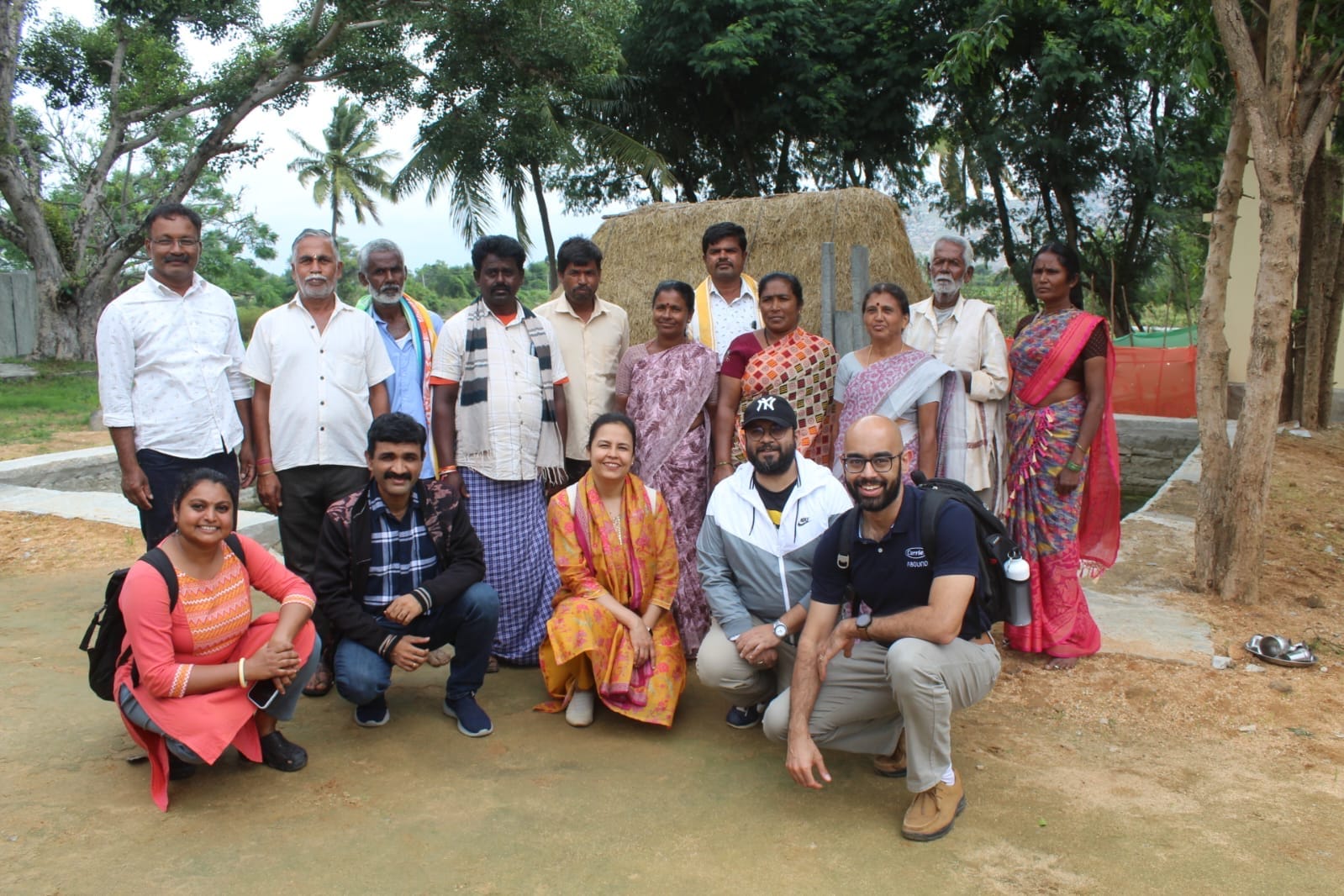
As the rejuvenation work expands across surrounding communities, the initiative continues to demonstrate how restoring traditional water systems can contribute not only to water security, but also to livelihoods, biodiversity and community resilience. The work also highlights the importance of community participation in sustaining rural ecosystems and strengthening local resource management practices over the long term.
(Disclaimer: Inputs, impact narratives and photographs used in this case study are courtesy the organisation and its implementation partners.)






.JPG)