
Can Algae-Based Technology Help Cities Build Year-Round Clean-Air Infrastructure?
India’s clean-air conversation has largely focused on emission control, afforestation and seasonal responses to deteriorating air quality. But as cities become denser and land for green infrastructure becomes increasingly constrained, an important question remains: what can complement these efforts in the spaces where conventional interventions cannot easily reach?
This is the space Mushroom World Group is exploring through AlgaeTree, a microalgae-based photobioreactor system designed for carbon capture and air purification in urban and industrial environments. Headquartered in Bhopal, AlgaeTree began operations in 2026 with a deployment in the city, followed by a collaboration with Indian Oil Corporation at its Gujarat Refinery. The company combines microalgae cultivation, renewable energy and AI-enabled monitoring, positioning the technology as a complement to, rather than replacement for, natural green cover.
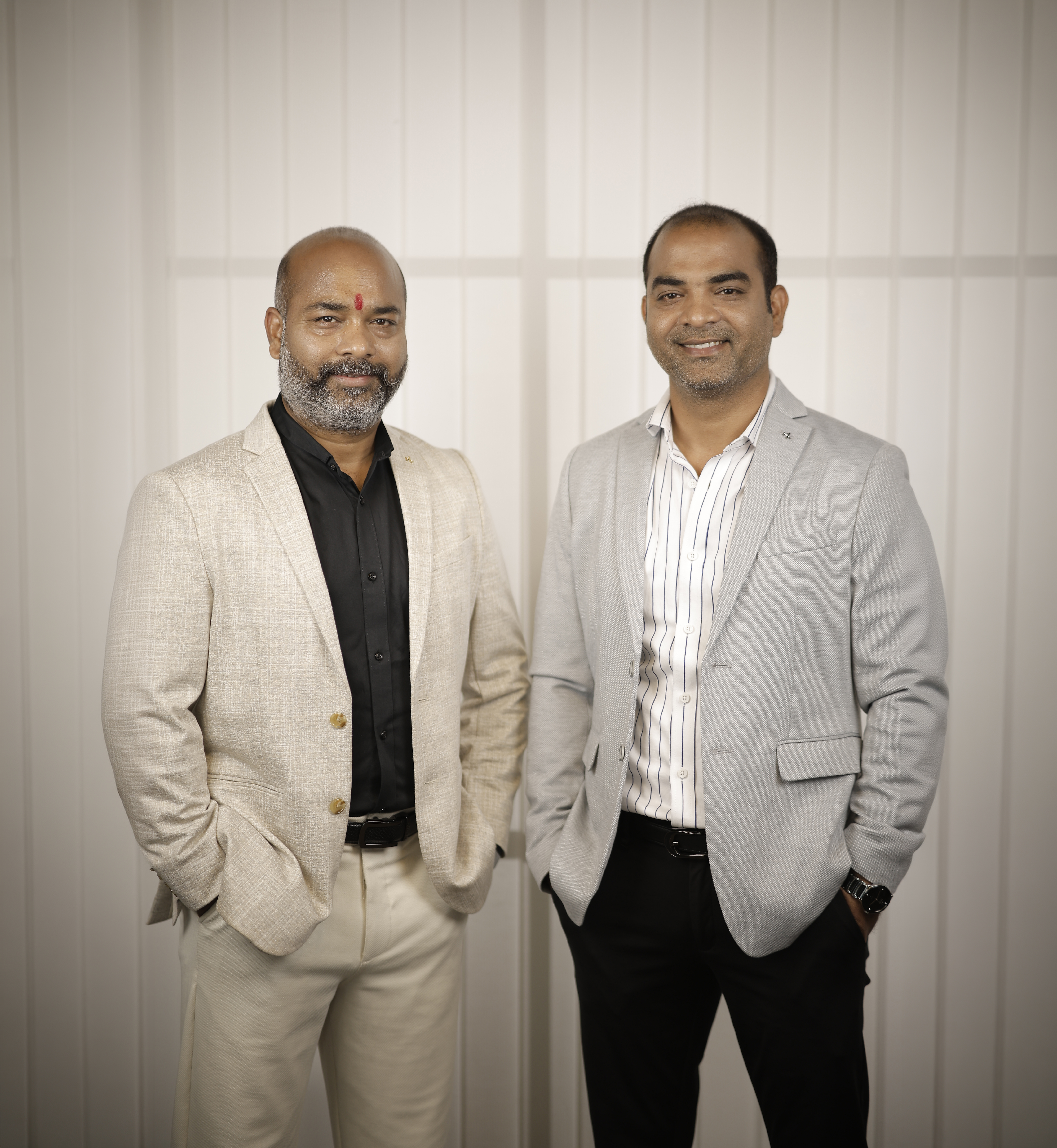
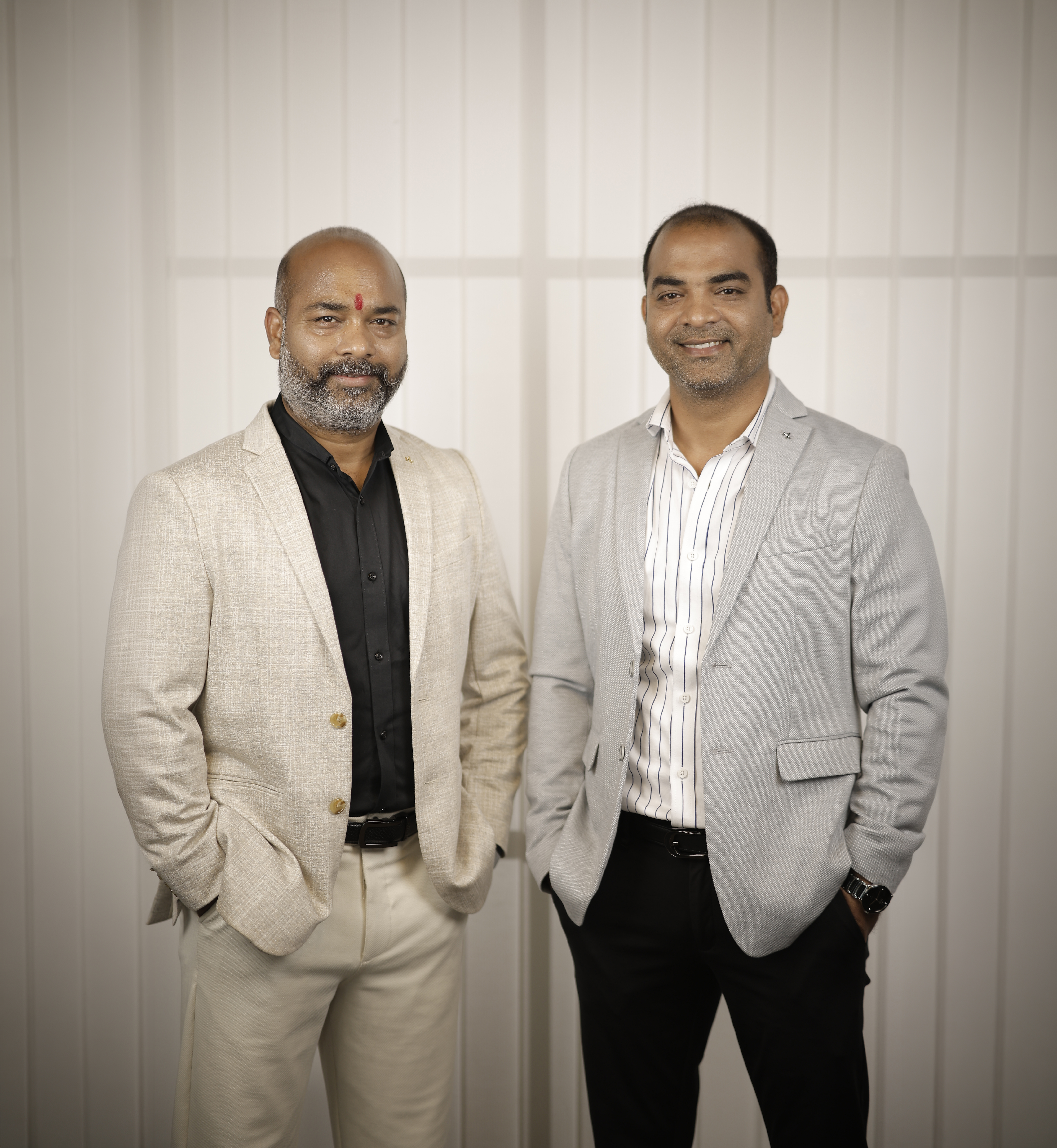
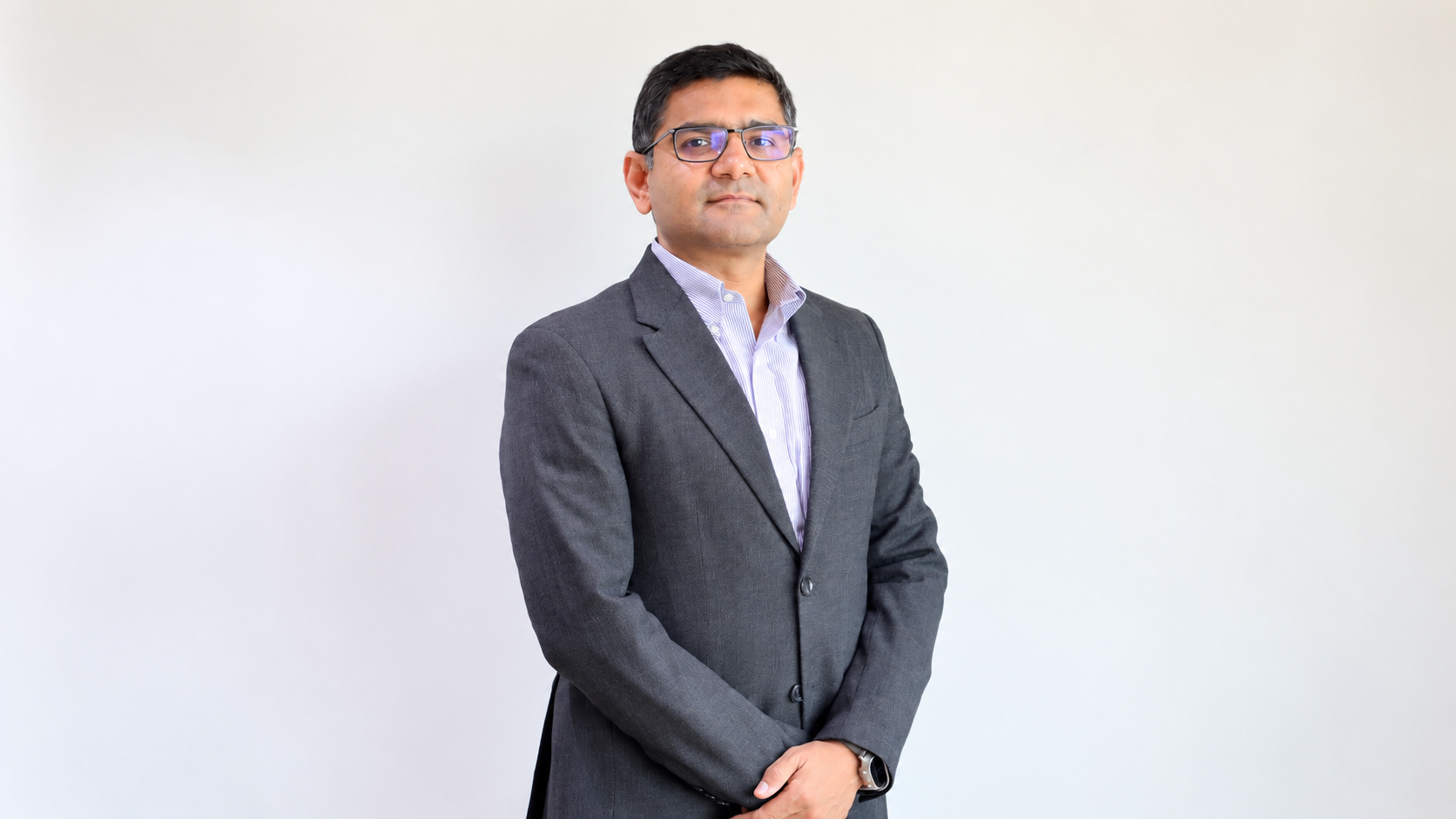
In this interview with TheCSRUniverse, Sameer Sagar, Founder & Director, Mushroom World Group, and Shakti Sagar, Director, Mushroom World Group, discuss the technology’s early deployments, the role of industry and CSR in scaling climate innovation, and what it would take to make clean air a year-round urban priority.
Scroll down to read the full interview:
Q. AlgaeTree aims to address air pollution and carbon emissions in space-constrained urban environments. What gap in India’s current approach to clean air and urban sustainability were you trying to address?
A. The conversation around clean air in India has largely centred on two levers: vehicular emission control and afforestation. Both are vital, and afforestation in particular remains one of the most effective long-term tools we have. But it needs land and time to mature, and dense urban centres are often short on both.
The question we kept returning to was what could be done in the spaces those levers cannot reach in the near term, not as a substitute for what afforestation achieves, but as something that could operate from day one in places where planting simply isn't an option. That is where AlgaeTree came from.
Q. You describe AlgaeTree as a complement to afforestation rather than a replacement for it. How can cities integrate such technology with natural green infrastructure?
A. We've always been clear that AlgaeTree is meant to sit alongside afforestation, never instead of it. Trees do things our units cannot; they manage groundwater, provide shade, support biodiversity and work at a scale we're not trying to replicate.
What they cannot always do is operate with the same consistency through every season, since tree cover and its effectiveness naturally fluctuate through the year, whereas our units are designed to run year-round regardless of weather.
We see integration working in layers: parks and green belts continue doing the long-term ecological work, while photobioreactor units can be deployed in the pockets those green belts cannot reach, such as transit hubs, industrial corridors and commercial districts. Planned together, a city gets both breadth and density of coverage.
Q. AlgaeTree uses microalgae-based carbon capture, AI-enabled monitoring and renewable energy. What evidence from your early deployments demonstrates its potential as a scalable urban climate solution?
A. Our first deployments in Bhopal and at IOCL's Gujarat Refinery have given us something arguably more useful at this stage than a single number: proof that the same core unit can be installed and operated reliably in two completely different environments, a public urban space and a live industrial facility.
Each unit runs on renewable energy and is monitored continuously through our AI-enabled system, giving us real-time visibility into performance rather than periodic snapshots. That operational consistency across very different use cases gives us confidence that the model is replicable and forms the foundation of our scale-up data.
Q. Your deployments in Bhopal and with Indian Oil at Gujarat Refinery offer an opportunity to test the technology in very different settings. What have these experiences taught you?
A. The two deployments have mainly taught us how much a site's physical conditions shape performance.
In Bhopal, much of the work has been around calibration, understanding how ambient temperature and light availability affect the microalgae day to day and refining our monitoring routines accordingly.
The refinery site brought a different set of variables. It is an active industrial facility with its own power infrastructure, safety protocols and uptime expectations. The same core unit had to be installed and maintained without disrupting ongoing operations.
What this has told us is that the technology holds up across very different physical and operational environments. That matters more for scale than any single site's output because each new deployment builds on what we already know rather than starting over.
Q. India’s Net Zero 2070 ambition requires measurable action on the ground. Where do you see technologies such as AlgaeTree contributing to this transition?
A. We don't think Net Zero 2070 is going to come down to one single breakthrough. It will be the sum of many smaller, localised efforts adding up over time.
At the city level, technologies such as ours can help address the gap created by land constraints, giving urban local bodies a way to pursue measurable carbon and air-quality improvements in areas that are already identified as priorities under initiatives such as the Smart Cities Mission and NCAP.
At the industrial level, our IOCL collaboration is an example of how a legacy energy company can begin building carbon capture into its own operations as part of its longer-term net-zero roadmap, rather than treating it purely as an offset exercise.
The big structural shifts, such as the renewable grid transition and EV adoption, will carry most of the weight. But emerging technologies have a role in closing the gaps those shifts cannot reach on their own.
Q. What role can industry, CSR and public-private partnerships play in taking climate and air-quality innovations from pilot projects to wider applications?
A. A technology like ours can prove itself in a pilot fairly quickly, but the jump from pilot to city-wide or sector-wide deployment needs capital, land access and institutional trust that early-stage climate-tech companies rarely have on their own.
That is where industry partners, CSR budgets and public-private frameworks matter, not as one-off funding, but as a way to de-risk deployment at scale, access sites such as refineries or municipal land, and build the long-term data sets that policymakers and future partners will want to see.
We would like to see more Indian industries treat climate innovation partnerships as core infrastructure investment rather than a one-time initiative.
Q. Beyond technology, what changes in urban planning, policy and investment are needed to make clean air a year-round priority?
A. Right now, clean air becomes a headline every winter in North India and then quietly drops off the agenda for the rest of the year. That cycle needs to break, and it has to happen through planning, not just awareness campaigns.
Air quality needs to be a factor in urban design in the same way traffic flow or water supply already is. It should be embedded in building codes, industrial corridor planning and public-space design from the start, rather than retrofitted after AQI crosses a threshold.
On the investment side, we would like to see more consistent, long-horizon funding for air-quality infrastructure instead of reactive spending that spikes around Diwali and the winter smog season. Clean air is a 365-day public-health issue; the planning and capital behind it should reflect that.
Q. What is your long-term vision for AlgaeTree and Mushroom World Group, and what would meaningful scale and impact look like over the next five years?
A. Over the next five years, meaningful scale for us looks like AlgaeTree units becoming a familiar part of India's urban and industrial landscape, present across multiple cities and industrial sectors.
We would also like AlgaeTree to become a reference point when people talk about India's homegrown CCUS capability internationally, not just domestically.
Ultimately, success for us is measured in tonnes of carbon captured and cleaner air in the places where people actually live and work. Everything else is a means to that.





.jpg)