
Novartis India’s Water Stewardship Project Benefits 1,030 Farmer Families in Telangana

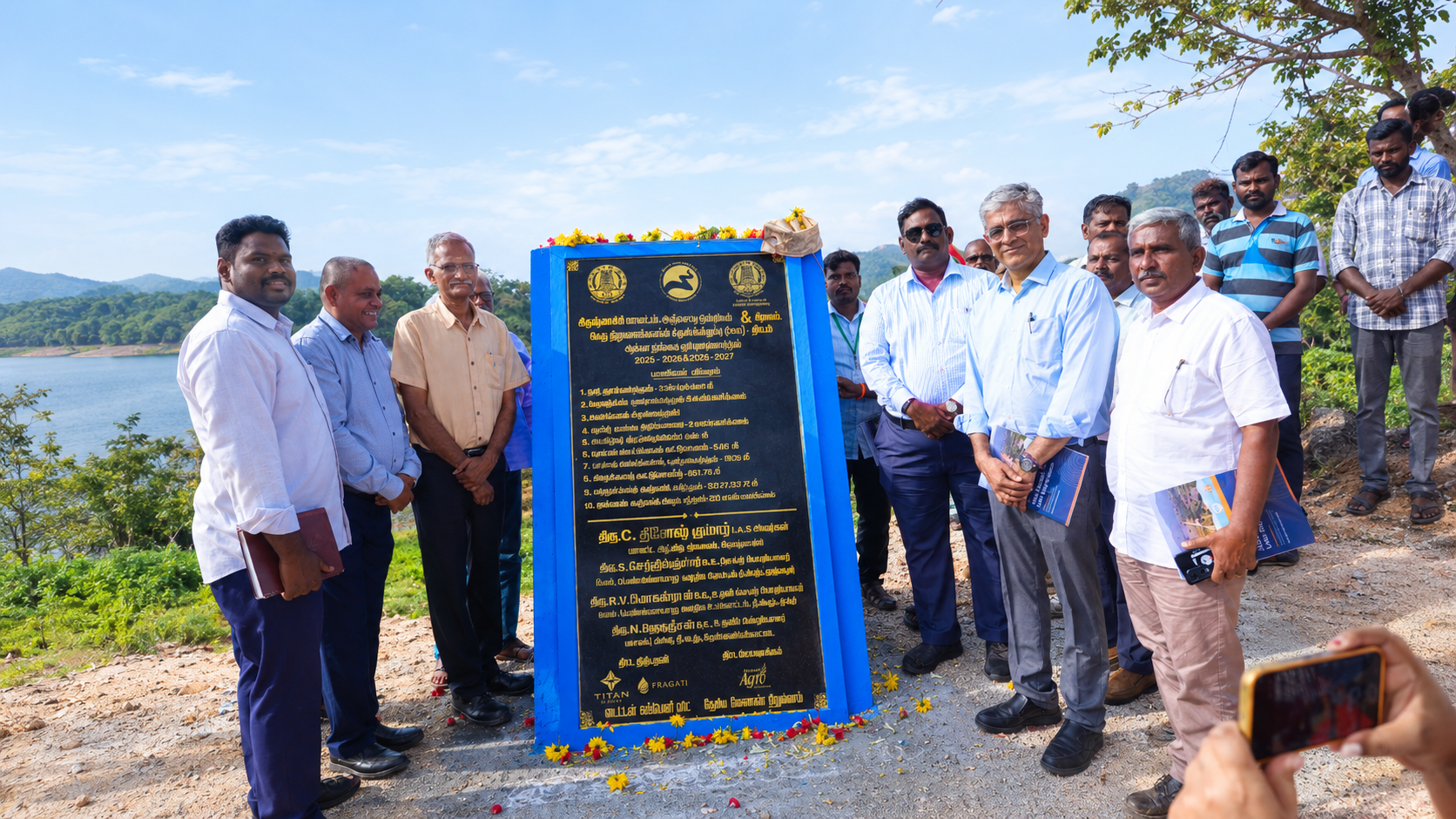
Telangana: Novartis India, in partnership with the National Agro Foundation, is implementing a community-led watershed development project in water-stressed regions of Telangana to improve water availability, strengthen agricultural livelihoods and support rural communities.
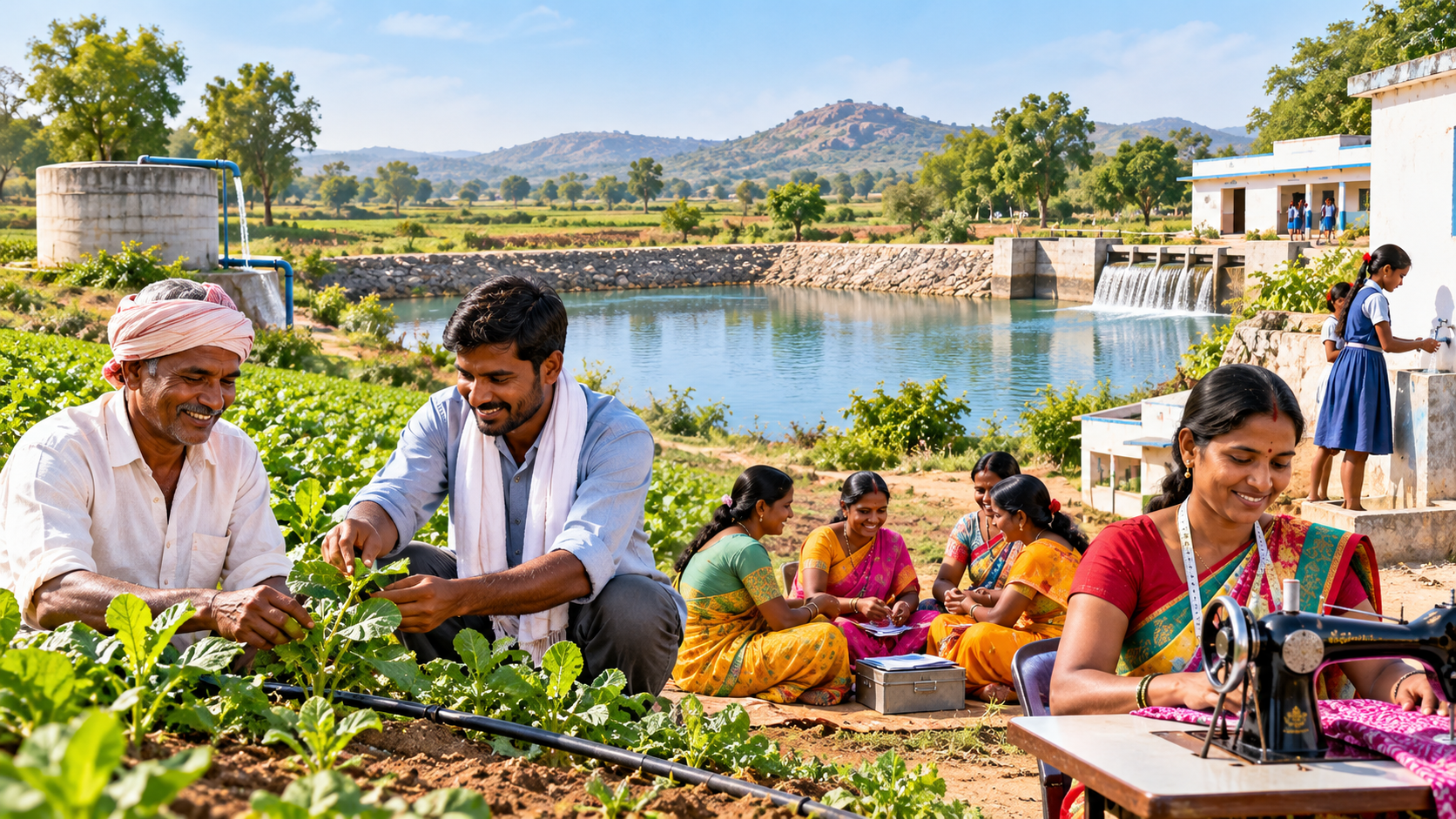
The initiative adopts an integrated approach to water management, recognising the links between water scarcity, agricultural productivity, household incomes and community wellbeing. It combines water conservation and infrastructure development with measures to improve water use, expand livelihood opportunities and strengthen access to essential services.
The programme focuses on four areas. These include developing ponds, dams and other water infrastructure to improve water availability; helping farmers adopt techniques for more efficient water use; supporting higher agricultural yields and income opportunities, including microfinance for women-led businesses; and improving access to clean drinking water, sanitation facilities, handwashing stations and school infrastructure.
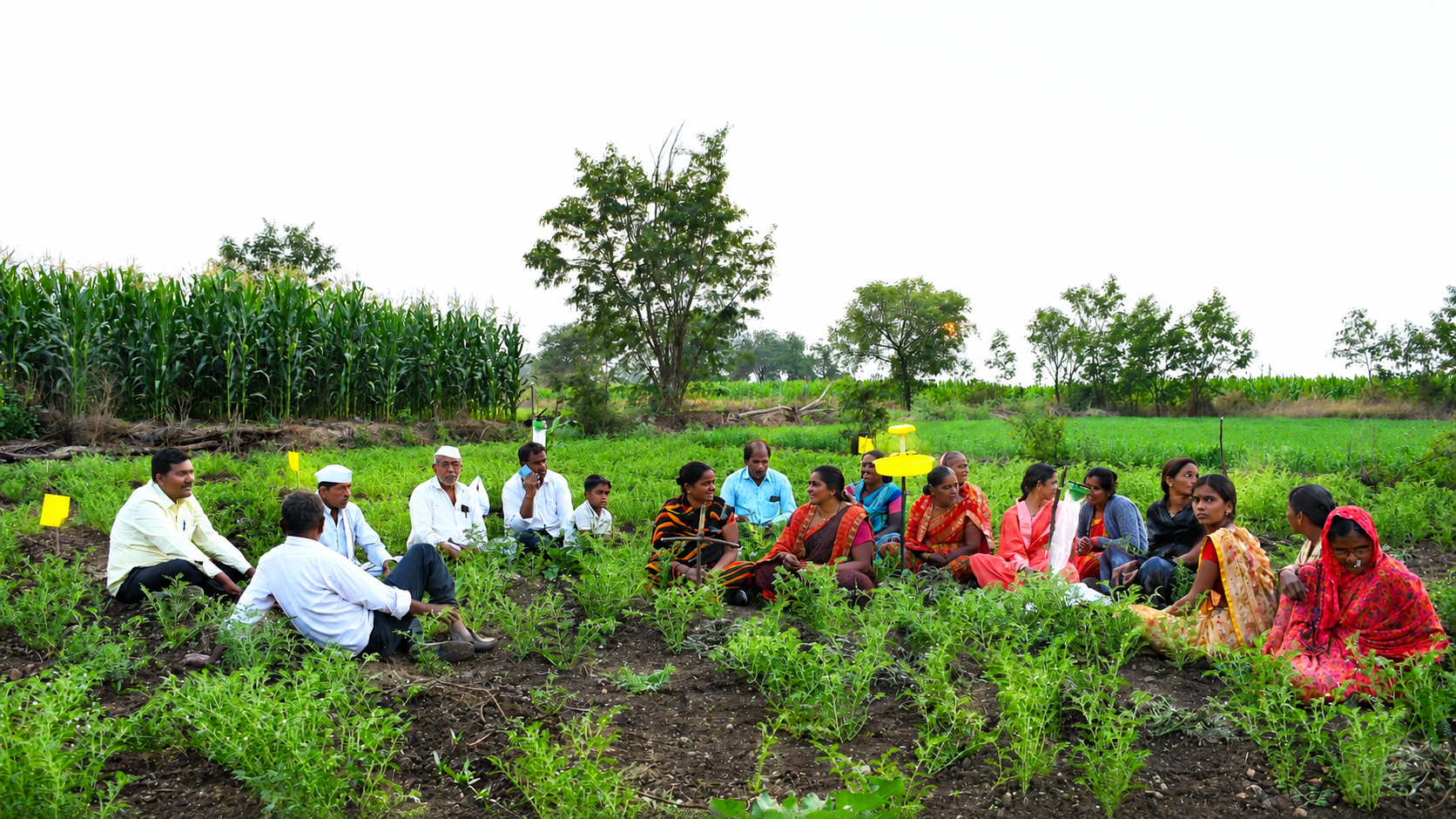
According to the programme's reported impact figures, the initiative has reached more than 2,000 people, with 1,030 farmer families benefiting from the intervention. Its published indicators also point to improvements in water availability and groundwater levels.
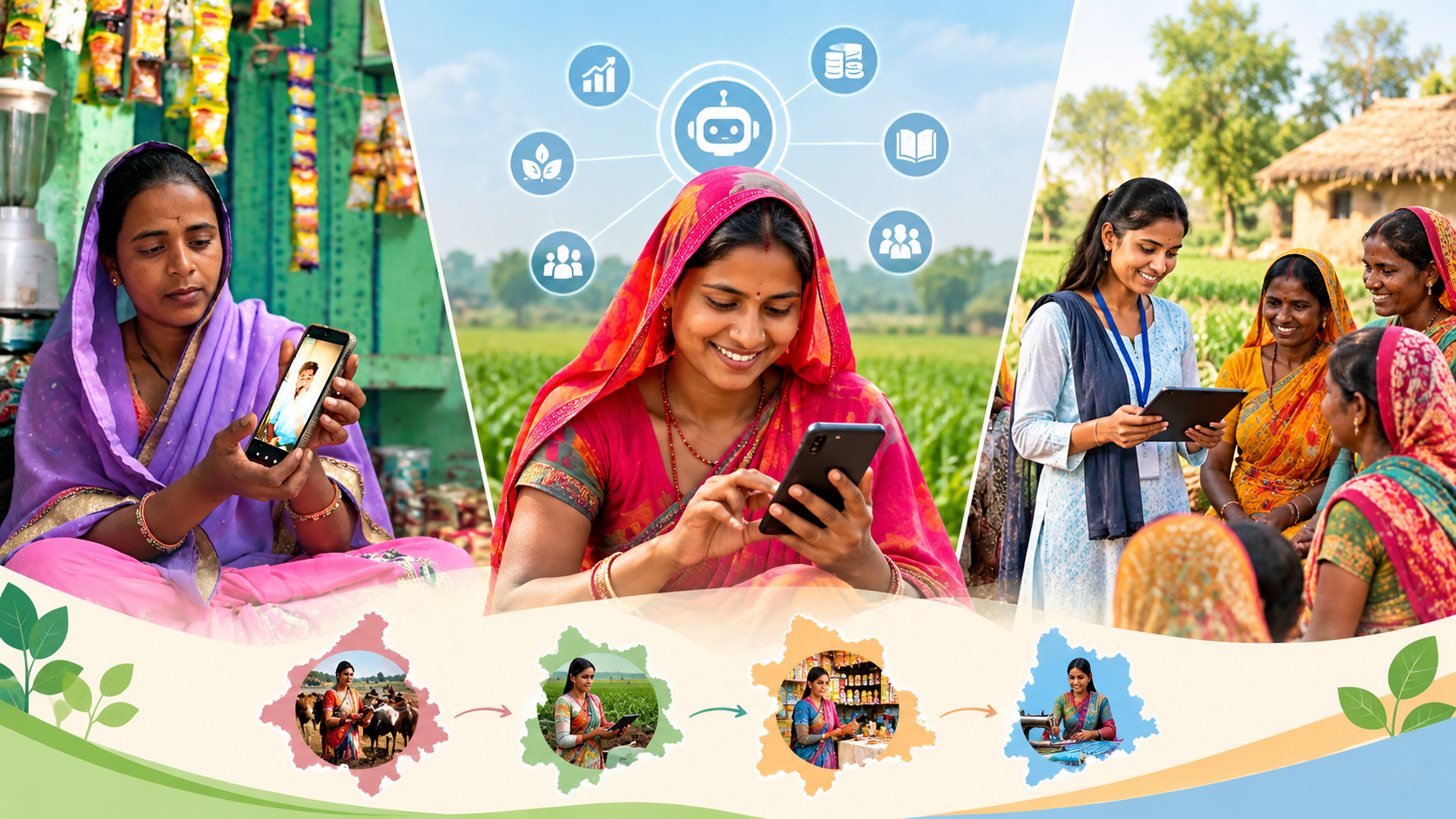
The project has also supported livelihood opportunities, particularly for women. Divya, who previously ran a small tea stall and earned approximately ₹5,000 per month, expanded her business into a tiffin service, increasing her monthly income to ₹20,000.
Similarly, K. Balamani used financing through a self-help group to establish and expand her tailoring business, creating an additional source of income. These examples illustrate how access to financial support and livelihood opportunities can complement water management interventions in rural communities.
Through the partnership with the National Agro Foundation, Novartis India is combining watershed development with agricultural support and community-level interventions. The approach seeks to address water-related challenges while supporting household incomes and access to basic services in rural areas.