
Leap 300 Partners with Four States to Support Rural Women Entrepreneurs Through AI
New Delhi, October 28, 2026: Government programmes in Bihar, Punjab, Uttar Pradesh and Haryana are partnering with Leap 300 to support more than five lakh rural women entrepreneurs through an artificial intelligence (AI)-powered business development model. The initiative aims to provide women with business planning tools, personalised guidance and on-ground support through existing government networks.
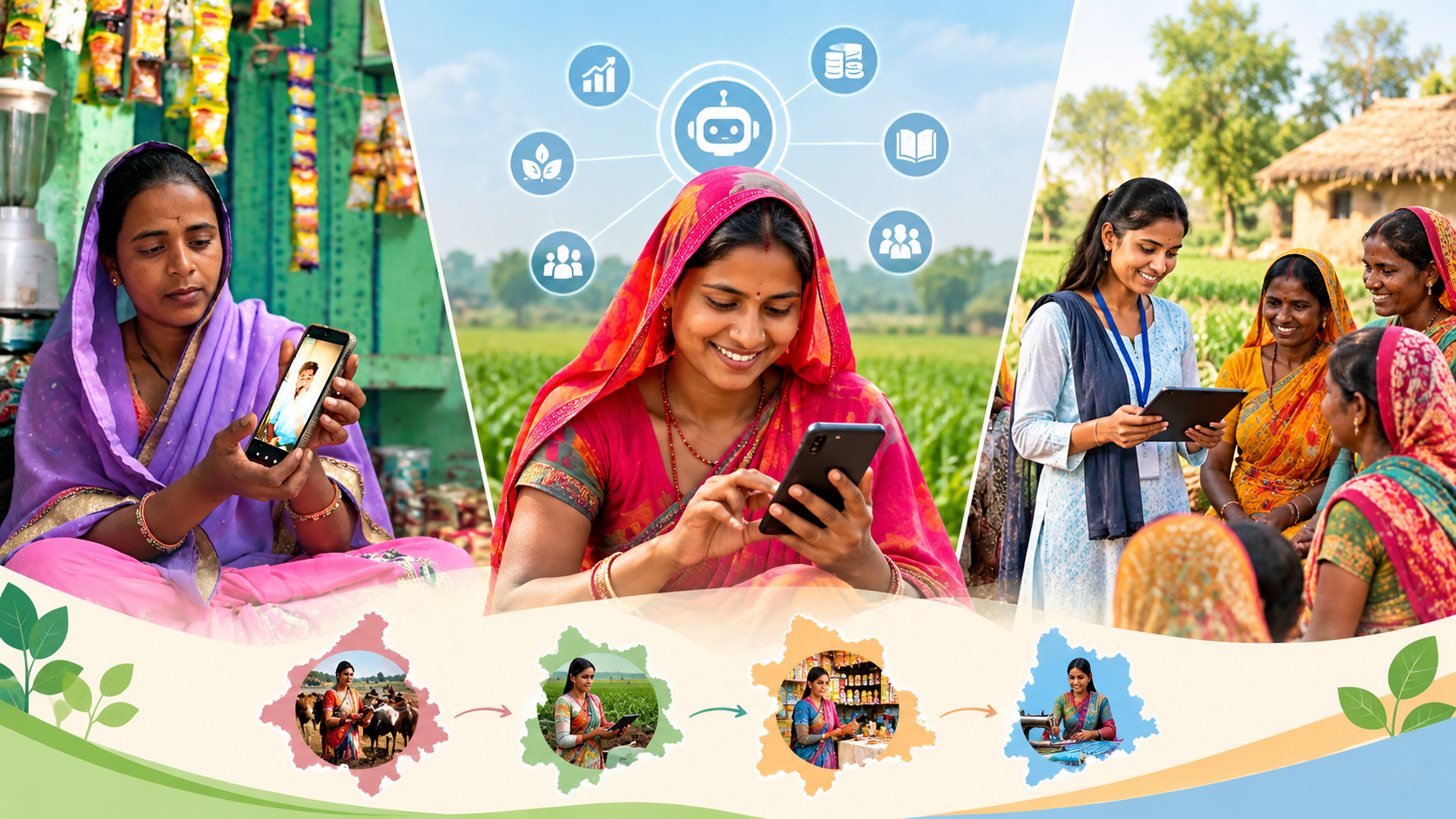
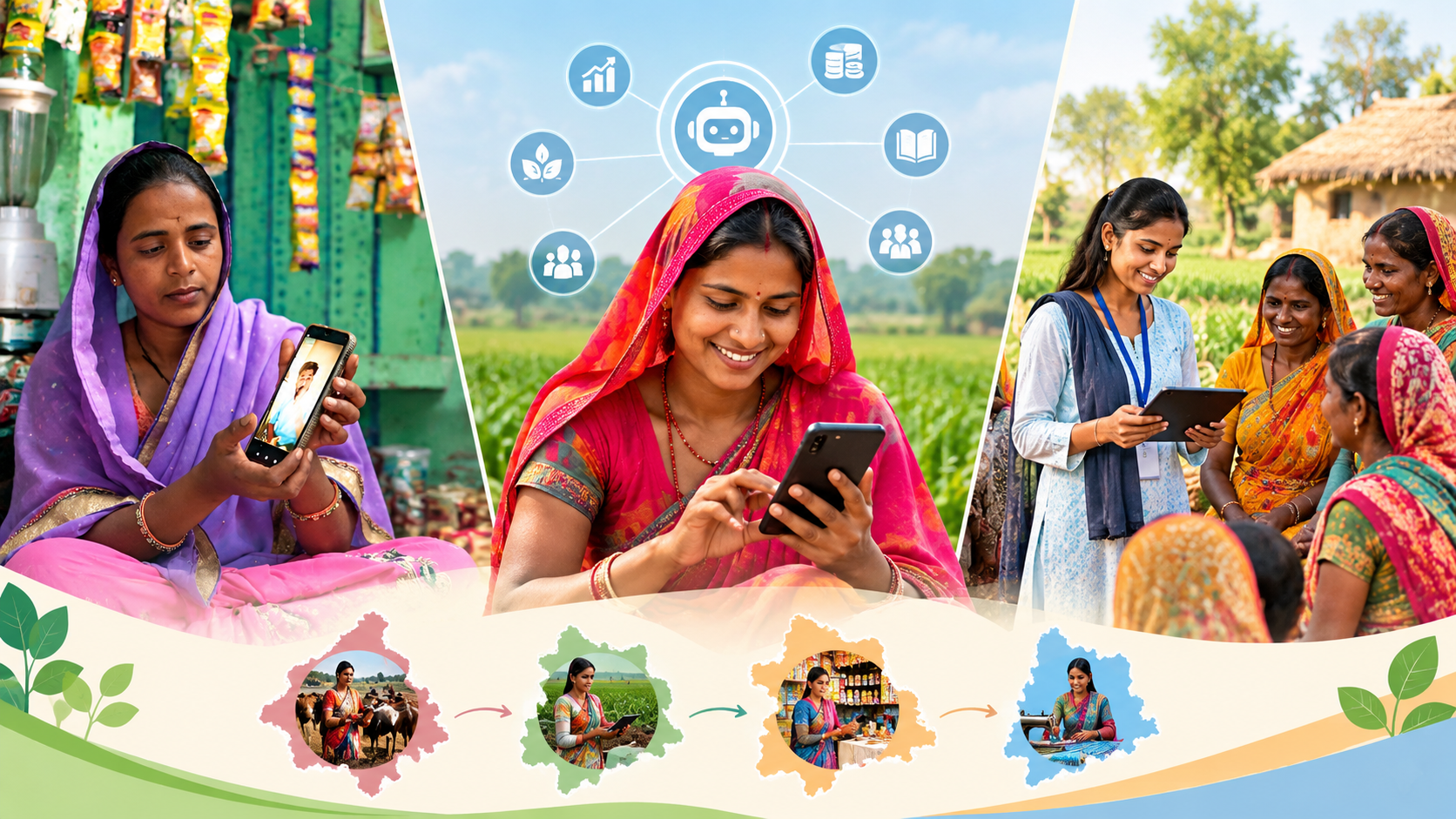
Leap 300’s technology platform is designed to support women through a structured 300-day entrepreneurship journey, from business selection to income growth. Through its beneficiary app, participants can develop and submit AI-assisted business plans, access business skills training through a voice-based learning management system and manage daily finances using digital accounting tools.
The platform also features an AI-based advisor, Vyapar Mitra, which offers personalised recommendations and on-demand business guidance in local languages. In addition, Leap 300 is introducing AI-powered training for government field workers to help them provide consistent support to entrepreneurs across programme locations.
“India has already built one of the world's largest networks for reaching rural women. The next breakthrough is making personalised business expertise available to every woman through that network. With AI, a first-time entrepreneur can identify what her village needs, make better business decisions and receive guidance whenever she needs it. Our vision is to help governments build millions of successful rural women entrepreneurs.” said Vinod Raghuwanshi, Co-Founder, Leap 300.
In Bihar, the initiative is being implemented through JEEViKA's Satat Jeevikoparjan Yojana (SJY). According to Leap 300, approximately 60% of businesses in the broader programme across the same blocks were livestock-based, compared with less than 1% in its pilot. Women participating in the pilot have instead established businesses across retail, food and skilled services.
As of September 2026, 87% of relevant trained participants had used AI Vyapar Mitra, while 95% were regularly recording business accounts digitally. Separately, JEEViKA's MMRY/JHUUM collaboration has a wider roadmap covering three lakh households.
In Punjab, the partnership is linked to the credit-based PEHEL programme. Leap 300 reported that monthly loan throughput increased from four to 25 per block, a 6.25-fold rise, while the time taken to launch a business declined from approximately three months to 12 days. The share of first-time entrepreneurs increased from 15% to 45%, with participants operating 51 types of businesses.
Women with at least three months of business history recorded approximately 1.5 times their baseline income, while the programme reported 100% loan repayment to date. Punjab's longer-term target is to support 1.5 lakh women entrepreneurs.
In Uttar Pradesh, Leap 300 is working with the state Planning Department under the Zero Poverty Programme. The collaboration targets one lakh households over three years, including 50,000 in the first year. The initiative could be extended across approximately 12.36 lakh identified Zero Poverty households.
In Haryana, a planned collaboration with the Haryana State Rural Livelihoods Mission aims to support 1,200 women entrepreneurs over three years. The proposed programme will combine access to credit with business planning, AI-powered guidance and trained field support.
Leap 300 has also reported a 90% graduation rate and average income growth of approximately 3–4 times across its broader programme. The partnerships with the four state governments are intended to extend access to business guidance and support for rural women through established public delivery systems.