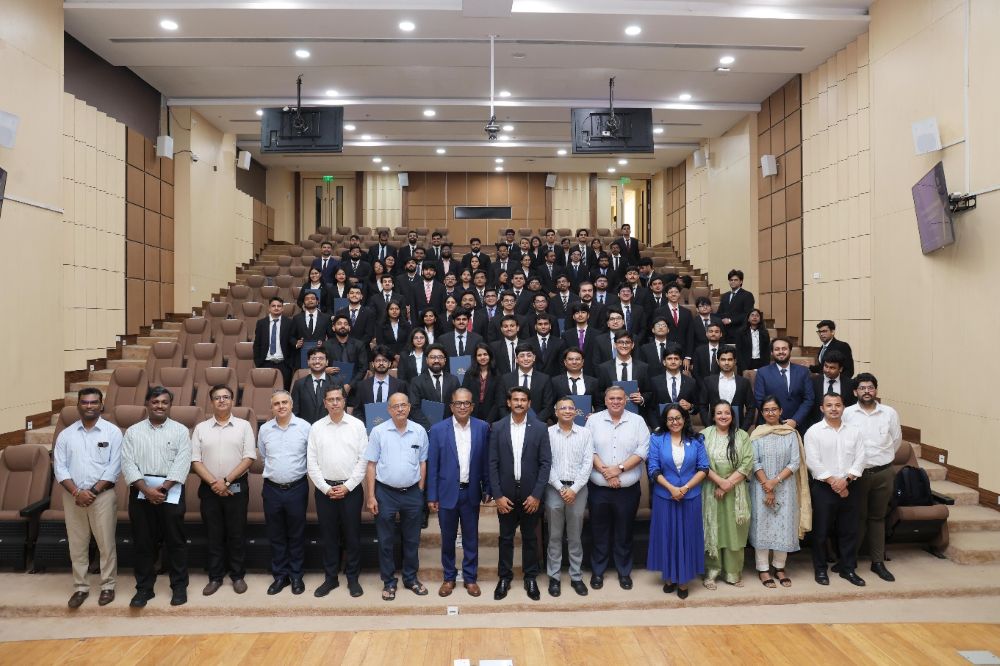

Reckitt and IIPS Report Highlights 11.4-Year Life Expectancy Gap Among Sanitation Workers

New Delhi, November 19, 2026: Reckitt and the International Institute for Population Sciences (IIPS) have released a report examining the life expectancy gap faced by sanitation workers in India, highlighting occupational health risks and measures to improve their safety and wellbeing. Titled Bridging the Life-Expectancy Gap of Sanitation Workers in India, the report was released on World Toilet Day and uses demographic and economic modelling by IIPS to assess the health and economic impact of the challenges faced by the workforce.
The report estimates that sanitation workers in India have a life expectancy of 63.8 years, which is 11.4 years lower than that of professional and managerial workers. The gap is 9.6 years compared with agricultural and manual workers with similar levels of schooling and income. It further estimates that this disparity results in an annual economic loss equivalent to approximately 1.03% of India's GDP.
According to the findings, 30.2% of recorded deaths among sanitation workers are linked to toxic gas exposure and poisoning. The report also notes that only 1% contribute towards health insurance, leaving many workers and their families vulnerable to high healthcare expenses.
The study identifies skilling, mechanisation, access to healthcare and insurance, stronger employer accountability and wider adoption of protective technologies as key areas for intervention. It also highlights the potential of wearable toxic-gas detectors, low-cost monitoring systems and digital safety training to reduce occupational risks. Six strategic priority areas outlined in the report include reducing hazardous manual entry through mechanisation, improving workforce records, supporting sanitation-worker households and strengthening livelihood security.
The findings also highlight the work of Reckitt's Harpic World Toilet College (HWTC), which has trained 2,50,000 sanitation workers across India since its launch. Each participant completes a structured 16-contact-hour programme covering occupational safety, safe sanitation practices, personal protective equipment, health and wellness, sanitation innovation, soft skills and employment readiness.
Based on the report's modelled estimate of a 4.8-year gain in life expectancy through reduced occupational risks, the interventions have the potential to advance approximately 1.2 million life-years. An independent impact assessment cited in the report estimates that every ₹1 invested generates ₹25 in social value.
Harpic World Toilet College has also collaborated with the Administrative Staff College of India (ASCI) to explore low-cost toxic gas sensors through the SAFER (Sanitation Worker Assistance for Fatality Elimination & Risk Reduction) Challenge. The initiative is also supporting a policy roadmap focused on worker safety, healthcare access and livelihood security. Participants in the training programme receive safety kits and a Suraksha Passport documenting their training, while also being connected with government welfare schemes and professional development opportunities.
Gaurav Jain, Executive Vice President, South Asia, Reckitt, said, "At Reckitt, we exist to deliver better health in more hands, every day. Sanitation workers play a critical role in safeguarding public health, yet many continue to face risks that impact their health, safety and livelihoods. As we focus on moving from life span to healthier life, this report highlights both the scale of the challenge and the opportunity to drive meaningful change. Through Harpic World Toilet College, we have worked to equip sanitation workers with skills, safety knowledge and livelihood opportunities that support safer and more secure futures. The findings reinforce our belief that improving outcomes for sanitation workers requires a combination of skilling, technology, stronger social protection and collaborative action. By translating evidence into action, we can help create healthier lives, safer workplaces and greater dignity for the sanitation workers."
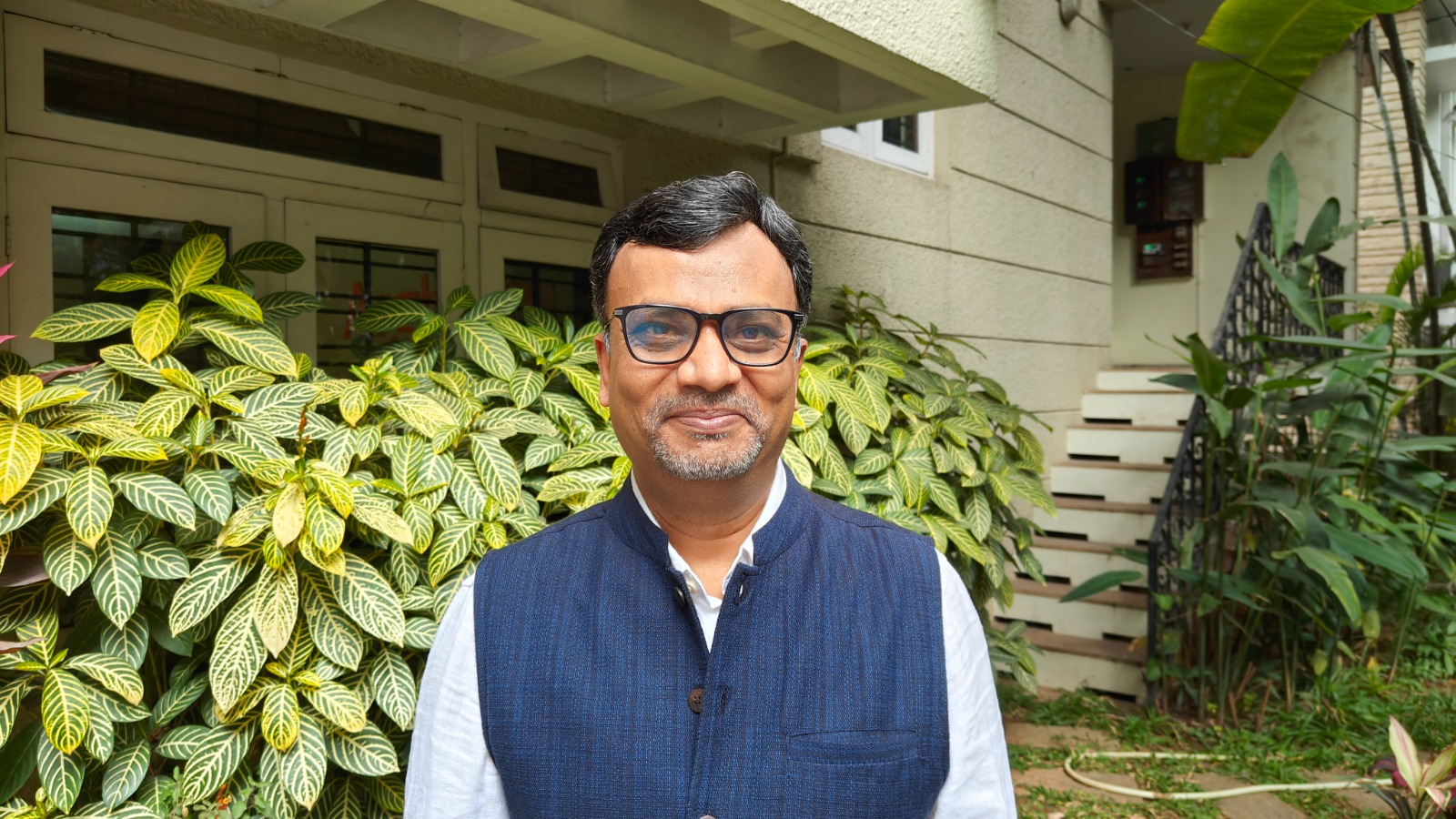
Dr Srinivas Goli, Associate Professor, International Institute for Population Sciences (IIPS), Mumbai, said, “India has added years to life over recent decades, but not for everyone. A sanitation worker’s life expectancy is 63.8 years. That is 11.4 years less than a professional, and 9.6 years less than farm and manual workers with much the same income and schooling. Poverty alone does not explain this gap. For every other occupation we studied, living in a city adds years to life. For sanitation workers, it does the opposite. Urban men in this work have the lowest life expectancy we measured, 62.3 years, about nine years below urban men nationally. About three in ten recorded deaths among sanitation workers are poisoning deaths, against roughly one in twenty in other occupations. When excess deaths cluster in one cause like that, it points to a specific exposure at work, and one that mechanisation and gas detection can remove.”
The report was released under the World Toilet Day 2026 theme, "Safe Toilets. Equal Futures." Reckitt said it would continue working with policymakers, industry, research institutions and implementation partners to support initiatives aimed at improving sanitation workers' health, safety and livelihoods.











.jpg)

.png)
.png)