
Amazon, IIT Delhi and I4C Announce RAKSHAM Hackathon Winners
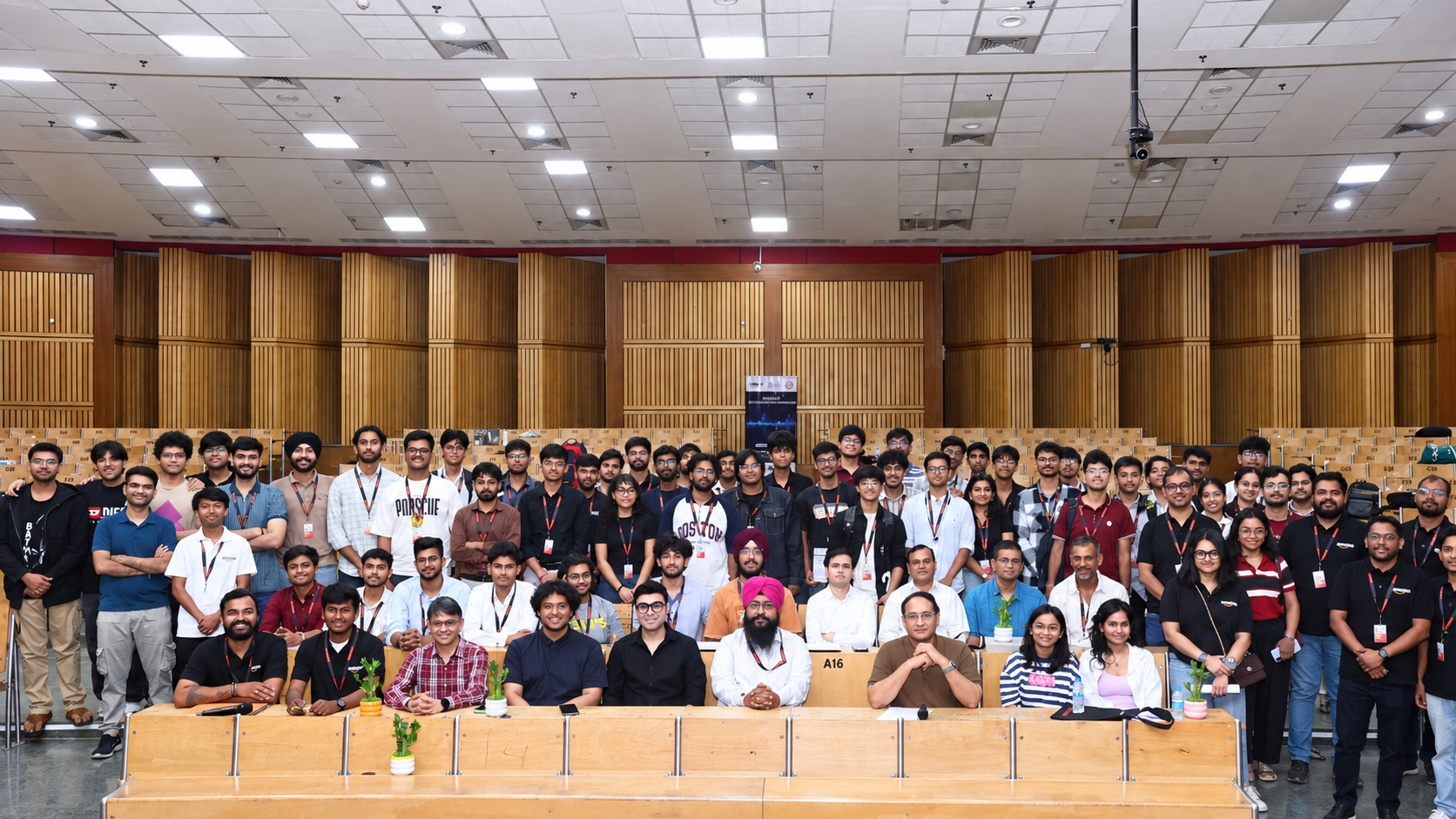
New Delhi, October 30, 2026: Amazon India, IIT Delhi and the Indian Cyber Crime Coordination Centre (I4C), under the Ministry of Home Affairs, Government of India, have announced the winners of RAKSHAM – National AI Cybersecurity Hackathon. The initiative brought together young innovators to develop artificial intelligence (AI)-based solutions to address emerging cyber threats and strengthen digital safety.
The hackathon attracted nearly 5,000 student submissions from across 14 states. Following an initial online submission process and two rounds of jury evaluations conducted over two days, 30 teams were selected as finalists, from which five winning teams were identified. The winners received cash prizes ranging from ₹25,000 to ₹2 lakh.
Participants were challenged to develop solutions addressing cybersecurity concerns such as voice cloning, fraud detection, AI-driven scam-pattern interception and deepfake detection. The top five teams will also have the opportunity to showcase their solutions at Amazon Smbhav 2026 on December 10 at Bharat Mandapam, New Delhi, before senior Amazon leaders and representatives from government, industry and academia.
Amit Gupta, Second-in-command (NCR & IC), Indian Cyber Crime Coordination Centre (I4C), Ministry of Home Affairs, Government of India, said: “As AI makes digital services more accessible, it is also creating new avenues for cybercriminals to exploit citizens through deepfakes, voice cloning and increasingly sophisticated scams. Our focus at I4C is not only to strengthen responses to cybercrime but also to identify threats early and help prevent harm. RAKSHAM brings together the operational experience of government, the expertise of industry and academia, and the fresh thinking of young innovators to address this challenge. I hope the participants take their ideas beyond the prototype stage and build reliable, scalable solutions that can make a tangible difference to cybercrime prevention and citizen safety. We thank Amazon for conceptualizing the hackathon and getting it ideated and implemented by student technical clubs — ARIES and Dev Club, IIT Delhi, and the Office of Academic Outreach and New Initiatives, IIT Delhi.”
Rakesh Bakshi, Amazon, said: “At Amazon, we believe innovation is most meaningful when it solves problems that matter to people. As more people participate in the digital economy, it is essential to bring together technology, research and awareness to help them do so with confidence and trust. RAKSHAM is a great example of how collaboration between industry, academia and government can empower young innovators to address real-world challenges. I would like to thank IIT Delhi for their partnership, and I4C for its continued collaboration with us on online safety and scam awareness. Congratulations to all the winning teams, and thank you to every participant for bringing their creativity and ingenuity to this initiative. I am delighted that the top five teams will have the opportunity to showcase their solutions at Amazon Smbhav on December 10. We hope this platform inspires them to take their ideas further and explore how AI can contribute to a safer digital ecosystem and strengthen customer trust.”
Prof. Pradyumna S., Dean of Student Affairs, IIT Delhi, said: “The rapid advancement of AI has made cybersecurity a challenge that is both urgent and increasingly complex. When voices, images, and videos can be convincingly manipulated, distinguishing authentic content from fabricated content is no longer straightforward. Addressing these challenges requires not just awareness, but innovative technologies that can help identify threats and protect people. RAKSHAM has given students an opportunity to apply their technical skills to a problem with real societal impact. We are delighted to partner with Amazon and I4C to bring together student talent, academic expertise, and industry experience in pursuit of a safer digital future.”
The hackathon focused on solutions that could help identify fraudulent activity, detect manipulated content and recognise scams before they cause harm. Participants were encouraged to move beyond demonstrations and develop solutions that could be tested in authorised environments, operate reliably and scale responsibly while respecting privacy.
The winning teams were selected by a jury comprising Amit Gupta and Harman Singh from I4C, Kishore Thota from Amazon, and Shobhit Taneja from EasySocial.
The initiative builds on the ongoing collaboration between Amazon and I4C to promote safe internet use and strengthen awareness of online scams. Through the partnership, the organisations aim to encourage responsible technology adoption and support efforts to protect citizens against evolving digital threats.