Restoring Sight, Transforming Lives: Amit Goel on KNAM Group’s Mission for Community Impact
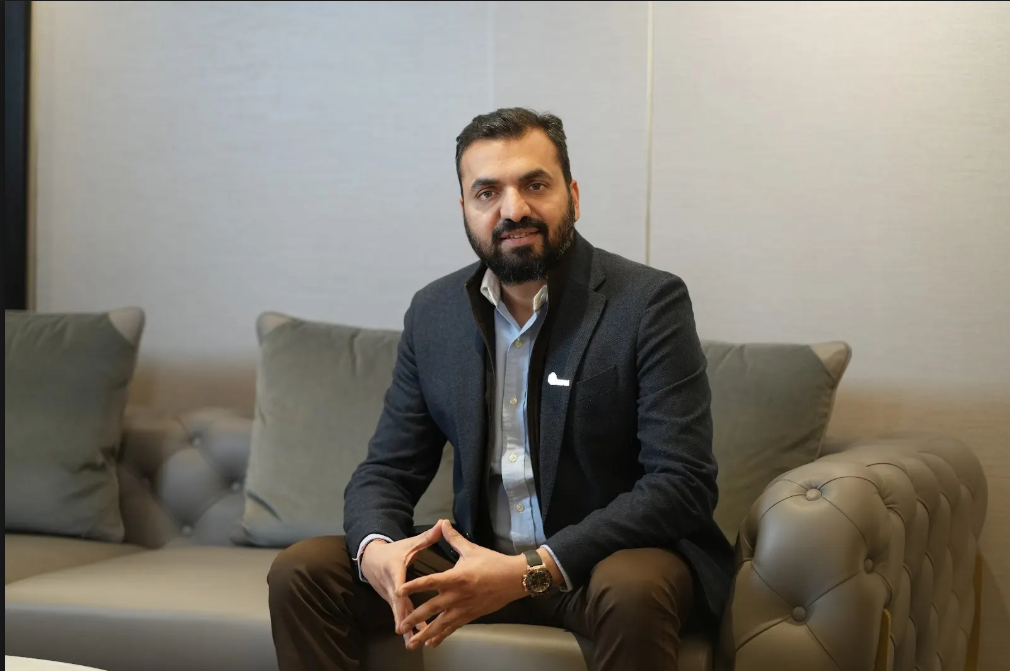
Sometimes, the greatest gift you can give someone is the ability to see the world again. For thousands of underserved families across India, access to basic healthcare and quality education remains a daily challenge. While businesses are often measured by their financial success, some are choosing to create a lasting impact far beyond the balance sheet.
In this interview, Amit Goel, Founder and Managing Director of KNAM Group, shares how the company is combining business growth with meaningful social responsibility through the initiatives of the SKG Foundation. From organizing large-scale free eye and cataract camps that restore sight to vulnerable communities, to supporting underprivileged children with educational resources and opportunities, the Group is working to address critical gaps in healthcare and education.
The conversation explores the vision behind the eye care initiative, the challenges of delivering healthcare at the grassroots level, the importance of community partnerships, and the lessons learned from transforming lives through simple yet impactful interventions. Amit Goel also discusses KNAM Group’s long-term commitment to building sustainable, community-driven models that create opportunities, dignity, and hope for future generations.
Scroll down to read more:
Q. What is the vision behind the Free Eye & Cataract Camp initiative, and what key gaps are you trying to address through it?
A. The vision behind the Free Eye & Cataract Camp initiative is rooted in the belief that quality healthcare should never be a privilege limited by geography or financial circumstances. After understanding the alarming scale of preventable blindness in India through various healthcare studies and cataract-related data highlighted by organizations such as Lenskart Foundation, we recognized a critical gap affecting thousands of elderly and economically vulnerable individuals who continue to suffer from preventable vision loss due to limited access to timely diagnosis and affordable treatment. Reports suggest that cataract accounts for nearly 66% of blindness cases in India, underscoring the urgent need for focused intervention.
These insights encouraged us to take meaningful action through SKG Foundation, which is fully supported and 100% sponsored by KNAM Group. Our objective is not only to restore eyesight through surgeries but also to restore dignity, independence, confidence, and a better quality of life for underserved communities affected by preventable vision problems by making essential eye care more accessible to those who need it most.
Q. Preventable blindness continues to affect thousands of underserved families in India. What motivated KNAM Group and the SKG Foundation to focus on eye care interventions at this scale?
A. What motivated us was the realization that cataract-related blindness remains one of the most treatable yet neglected healthcare challenges in underserved communities. During our community outreach efforts, we met many senior citizens who had been living with blurred vision for years because they could not afford surgery or travel to a hospital.
That experience deeply impacted us. We understood that even a single initiative such as restoring someone’s eyesight can positively change not only an individual’s life, but also bring confidence and independence back to their families. This encouraged us to scale our eye care interventions in a more meaningful and sustainable way.
Q. Executing large-scale free cataract surgeries requires significant coordination and resources. What have been some of the key operational and logistical learnings from organizing these camps?
A. Organizing large-scale free cataract camps has taught us the importance of detailed planning, teamwork, and strong community partnerships. Successful execution requires seamless coordination between hospitals, medical professionals, volunteers, local administration, awareness teams, and transportation support for beneficiaries.
One of our biggest learnings has been that community trust and local support play an equally important role alongside medical infrastructure, especially while working at the grassroots level. We would also like to specially acknowledge and thank Baba Bansi Wala Kawar Sewa Dal, and Bharat Vikas Parishad for their valuable support and cooperation in helping us organize and execute these initiatives smoothly and effectively. Their involvement greatly contributed towards making the camps more accessible and impactful for the community.
Q. How do you balance the rapid growth of a global enterprise with the responsibility of creating meaningful grassroots social impact?
A. We believe business growth and social responsibility should go hand in hand. As a global enterprise expands, its responsibility toward society should also deepen. At KNAM Group, we see social impact not as a parallel activity but as part of our organizational philosophy. Sustainable growth is meaningful only when it contributes positively to communities.
At KNAM Group, education remains one of our primary focus areas because we strongly believe it creates long-term and meaningful change. Through SKG Foundation, we continue to support initiatives related to education, healthcare, and community welfare, helping build stronger opportunities for future generations. We ensure this balance by building long-term CSR initiatives that are measurable, community-driven, and aligned with real grassroots needs rather than one-time interventions.
Q. Beyond healthcare, KNAM Group is also supporting underprivileged children through educational and nutritional initiatives. What inspired this broader approach to community welfare?
A. Our broader approach to community welfare is rooted in the understanding that the challenges faced by underserved communities are deeply interconnected. Healthcare alone cannot create lasting change if children lack access to education, and essential support systems.
At KNAM Group, education remains one of our primary focus areas because we strongly believe it has the power to drive long-term and meaningful social progress. Through SKG Foundation, fully supported by KNAM Group, we aim to build a more holistic model of social development by supporting children from underserved backgrounds with better educational opportunities, and essential learning resources.
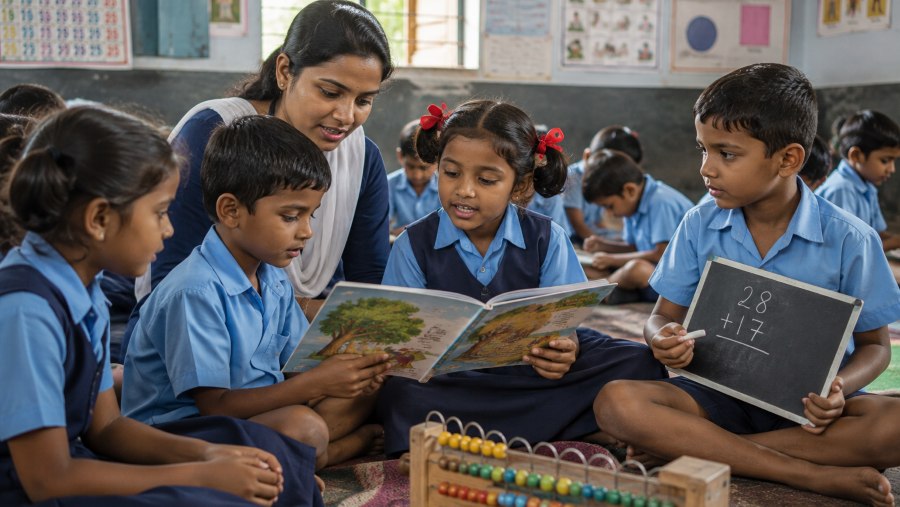
Our initiatives include providing school bags, uniforms, books, stationery, and other basic educational essentials that help children continue their education with dignity and confidence. We believe that even small support systems can make a significant difference in encouraging children to stay connected with education and work towards building a better future.
Q. From your experience, what are the most pressing challenges currently faced by underserved communities in accessing quality healthcare and education?
A. One of the biggest challenges underserved communities face is accessibility—both physical and financial. Many people still live far from quality healthcare facilities or educational institutions. Even when services exist, affordability, lack of awareness, and social barriers prevent access. In healthcare, delayed diagnosis and inadequate preventive care remain major concerns. In education, issues such as digital inequality, financial instability, and limited learning resources continue to affect children’s growth, particularly in rural and economically weaker sections.
Q. Can you share any stories or experiences from beneficiaries that have personally reinforced the importance of these interventions for you and your team?
A. There have been many moments that reaffirmed why this work is so meaningful. One particularly emotional experience was meeting an elderly beneficiary after a successful cataract surgery who shared that, after several years, he could finally see his grandchildren clearly again. Another memorable moment was watching children receive school supplies with immense excitement, knowing it allowed them to continue their education without adding financial pressure on their families.
What brings me especially great joy is our focus on education. Through our efforts, we have been able to support several bright students who are now successfully pursuing careers as Chartered Accountants and lawyers. Their achievements serve as a strong source of motivation not only for us, but also for other students within the community. These stories remind our entire team that even small interventions can create life-changing impact for individuals and families.
Q. Could you elaborate on how collaborations with current partners—such as hospitals, NGOs, local administration, or community organizations—have helped strengthen and expand your efforts?
A. Collaboration has been one of the strongest pillars of our initiatives. Partnerships with hospitals, medical experts, NGOs, associations like Baba Bansi Wala Kawar Sewa Dal, Bharat Vikas Parishad, local administration, and community organizations help us identify beneficiaries, improve outreach, and ensure smoother execution of initiatives.
Local administration has also played an important role in mobilization, permissions, and awareness support. These collaborations allow us to scale our efforts more effectively, improve operational efficiency, and ensure the support reaches the people who need it the most.
Q. Looking ahead, how do you see KNAM Group and the SKG Foundation evolving their social impact initiatives over the next few years?
A. Looking ahead, KNAM Group and SKG Foundation aim to further strengthen their initiatives with a continued focus on education and healthcare support for underserved communities. Education will remain one of our primary focus areas, where we will continue supporting students through school bags, uniforms, shoes, books, stationery, and other essential learning resources. In the coming years, our focus will be on building long-term community partnerships, increasing awareness-driven interventions, and creating scalable models that can deliver measurable impact across multiple regions.
It has been extremely fulfilling to see students supported through our initiatives go on to pursue professional careers, including becoming CA and lawyers. Such experiences motivate us to continue supporting deserving and talented students while also expanding our healthcare and community outreach initiatives in a more impactful and sustainable manner.



.png)