Reimagining Education for a Future-Ready India: Inside Global Schools Group’s Vision for Skill-Based Learning
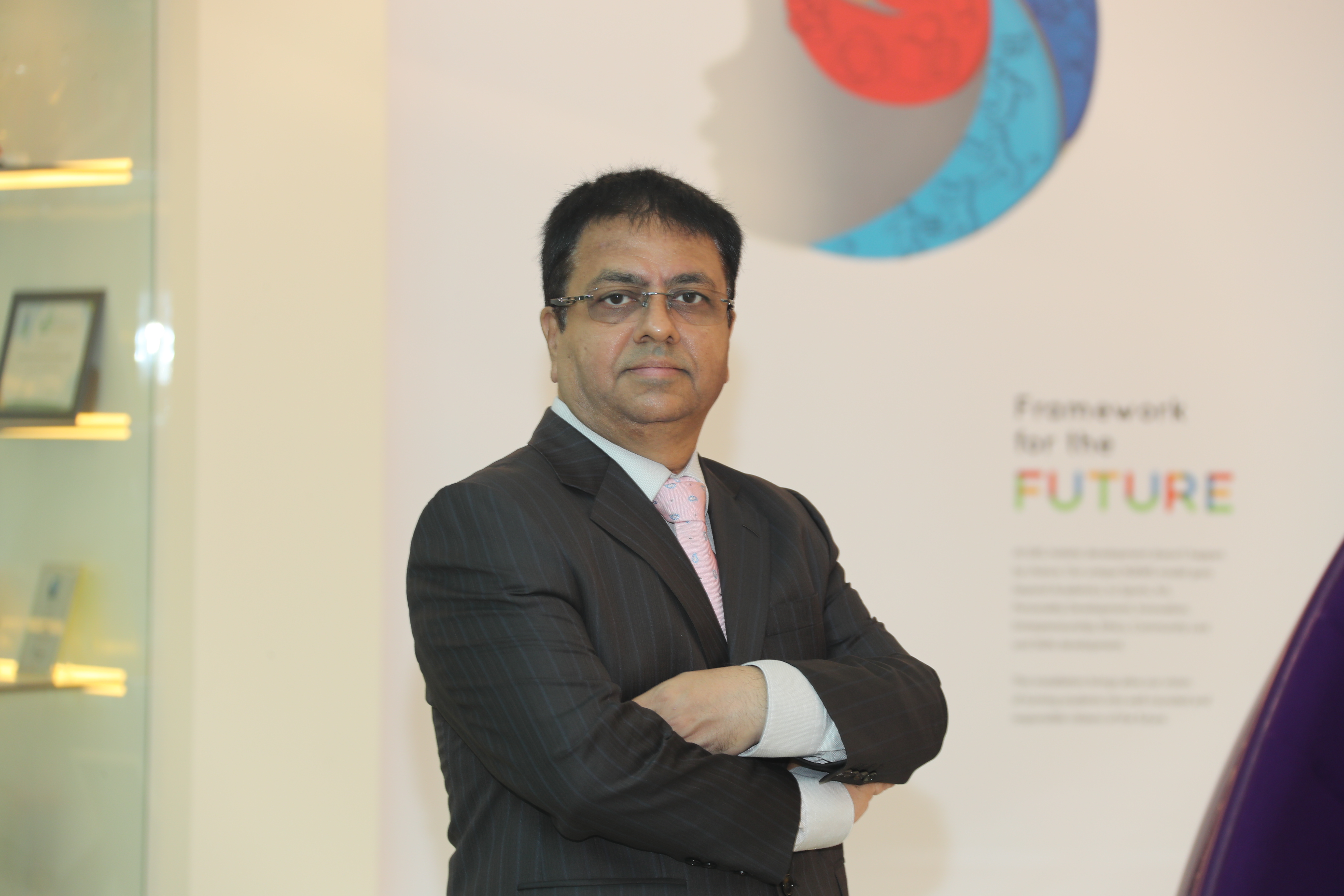
As India’s education ecosystem undergoes a transformative shift toward skills, technology, and global alignment, Global Schools Group is positioning itself at the forefront of this evolution. In this exclusive interaction with TheCSRUniverse, Mr. Atul Temurnikar, Chairman of Global Schools Group, shares insights into the Group’s ambitious plans to reshape K-12 education through its “Deeksha” initiative—an approach that integrates academic learning with real-world competencies.
The conversation delves into GSG’s significant ₹1,051-crore investment in Uttar Pradesh, highlighting why the state presents a strategic opportunity for building future-ready learning ecosystems. Mr. Temurnikar discusses how the initiative aims to bridge critical gaps in traditional education by focusing on STEM integration, employability skills, and technology-enabled learning environments.
Scroll down to read the full Interview:
Q. Could you briefly explain the core idea behind the Global Schools Skills Project “Deeksha”? How is it different from traditional K-12 schooling in India?
A. The Global Schools Skills Project “Deeksha” is designed to integrate academic learning with real-world skills, ensuring that students are not only knowledgeable but also future-ready. Unlike traditional K-12 models in India that have largely been textbook-driven, Deeksha focuses on competency-based learning, STEM integration, and technology-enabled education pathways. The idea is to move beyond rote learning and enable students to develop critical thinking, problem-solving abilities, and practical skills that are essential in today’s evolving global environment.
Q. Global Schools Group has announced a ₹1,051-crore investment in Uttar Pradesh. What was the key reason for choosing Uttar Pradesh for this initiative?
A. Uttar Pradesh represents one of India’s most dynamic growth markets, with rapid urbanisation and the emergence of new economic hubs such as Noida, Greater Noida, and the upcoming regions around Jewar. As these communities expand, the demand for high-quality, future-ready education is increasing significantly. We see this as the right time to contribute to the state’s education ecosystem by bringing globally benchmarked schooling models that align with both local aspirations and global standards.
Q. What specific gaps in the current education system in Uttar Pradesh is this project aiming to address?
A. Uttar Pradesh has been the epicentre of education in the olden days, and it still retains its prowess as a knowledge powerhouse. What we are trying to do is enhance their existing capabilities with our own signature edutech offerings. Through 21st century infrastructure and skills-based learning environments, we will try to add to the current landscape to bring futuristic capabilities to the rapidly developing urban and semi-urban regions. Education models have moved to place greater emphasis on skills, technology integration, and holistic student development. We also see an opportunity to bridge the gap between academic learning and employability by creating learning environments that are more aligned with the expectations of a modern economy.
Q. What is the larger vision behind this expansion, and how does India fit into GSG’s global growth strategy?
A. Our vision goes beyond setting up schools; it is about building integrated learning ecosystems that prepare students for a rapidly evolving global economy. With a presence across multiple countries, GSG brings global best practices in education, and India continues to be a key strategic market within our growth journey. This expansion reinforces our commitment to strengthening India’s education landscape while positioning it as a hub for skill-driven, globally aligned schooling.
Q. How will your schools combine global curriculum standards with local needs and context?
A. Our approach is to maintain a strong foundation in nationally recognised curricula such as CBSE, while also incorporating international academic frameworks where relevant. This ensures familiarity and acceptance among Indian families, while offering global exposure. At the same time, we focus on contextual relevance by integrating local aspirations, cultural understanding, and region-specific needs into the learning experience, creating a balanced and adaptable education model.
Q. With a focus on STEM, digital integration, and industry-linked programmes, what specific competencies will students gain to enhance long-term employability?
A. Students will develop a range of future-focused competencies, including data literacy, critical thinking, problem-solving, and decision-making. Through STEM-led learning environments and technology integration, they will also gain exposure to innovation-driven thinking. Industry-linked programmes will further help bridge the gap between academics and real-world applications, ensuring that students are better prepared for evolving career pathways and long-term employability.
Q. What investments and strategies are being planned for teacher training and continuous professional development?
A. Teacher capability will be central to the success of this initiative, and we are committed to making sustained investments in professional development. Our approach will include structured induction programmes, ongoing pedagogical training, exposure to technology-enabled teaching tools, and continuous upskilling aligned with evolving curriculum needs. We also intend to create a strong culture of professional learning within the Group through exchange programmes which give teachers access to the expertise of mentors beyond their country, and allow them to collaborate with global peers to access global best practices in teaching and learning.
Q. Beyond direct employment, how do you see this initiative contributing to local economic development and community upliftment?
A. Beyond generating direct and indirect employment, this initiative will contribute to the broader development of human capital in the region. By improving access to high-quality, skill-oriented education, we aim to empower students with capabilities that enhance their long-term economic prospects. Additionally, the presence of modern educational infrastructure often acts as a catalyst for community development, supporting local economies and improving overall social outcomes.
Q. How has the collaboration with the Government of Uttar Pradesh shaped the project’s design and execution roadmap? Are there plans to expand such public-private partnerships further?
A. The collaboration with the Government of Uttar Pradesh has been instrumental in aligning the project with the state’s vision for skill-based education and infrastructure development. The partnership enables a structured approach to expanding high-quality schooling in emerging regions. We believe that public-private partnerships can play a critical role in strengthening education delivery in India, and we remain open to exploring similar models that combine governance, quality, and scalability.
Q. What are some of the anticipated challenges in setting up and scaling 10 campuses across multiple cities, and how is GSG preparing to address them?
A. Consistency in quality, building strong leadership teams, recruiting and training the right talent are the biggest challenges alongside adapting to the needs of different local communities. GSG is preparing for this through a phased and well-structured implementation approach. We have robust operating frameworks to build campuses from the ground up, supported by experienced mentors who focus on developing strong teams and ensuring quality. We will also tap into local communities and talents to customize our offerings as per society’s needs without compromising on global excellence.
Q. Looking ahead, how do you see GSG contributing to India’s evolving education landscape, particularly in advancing skill-based learning and human capital development?
A. India’s education system is undergoing a significant shift towards holistic, skill-based learning, supported by policy reforms and technological advancements. GSG aims to contribute to this transformation by integrating global best practices with innovative learning models that emphasise skills, flexibility, and student-centric development. Our focus will remain on nurturing well-rounded individuals equipped with the knowledge, competencies, and mindset required to thrive in a rapidly changing world.



.png)