
Empowering Women Through Skills: How PNB MetLife is Building Sustainable Livelihoods
When a woman gains the right skills, she doesn’t just transform her own future—she creates opportunities for her family, her community, and the generations that follow. In India, despite improving workforce participation, many young women from underprivileged backgrounds continue to face barriers such as limited access to quality education, formal employment, and market-relevant skills.
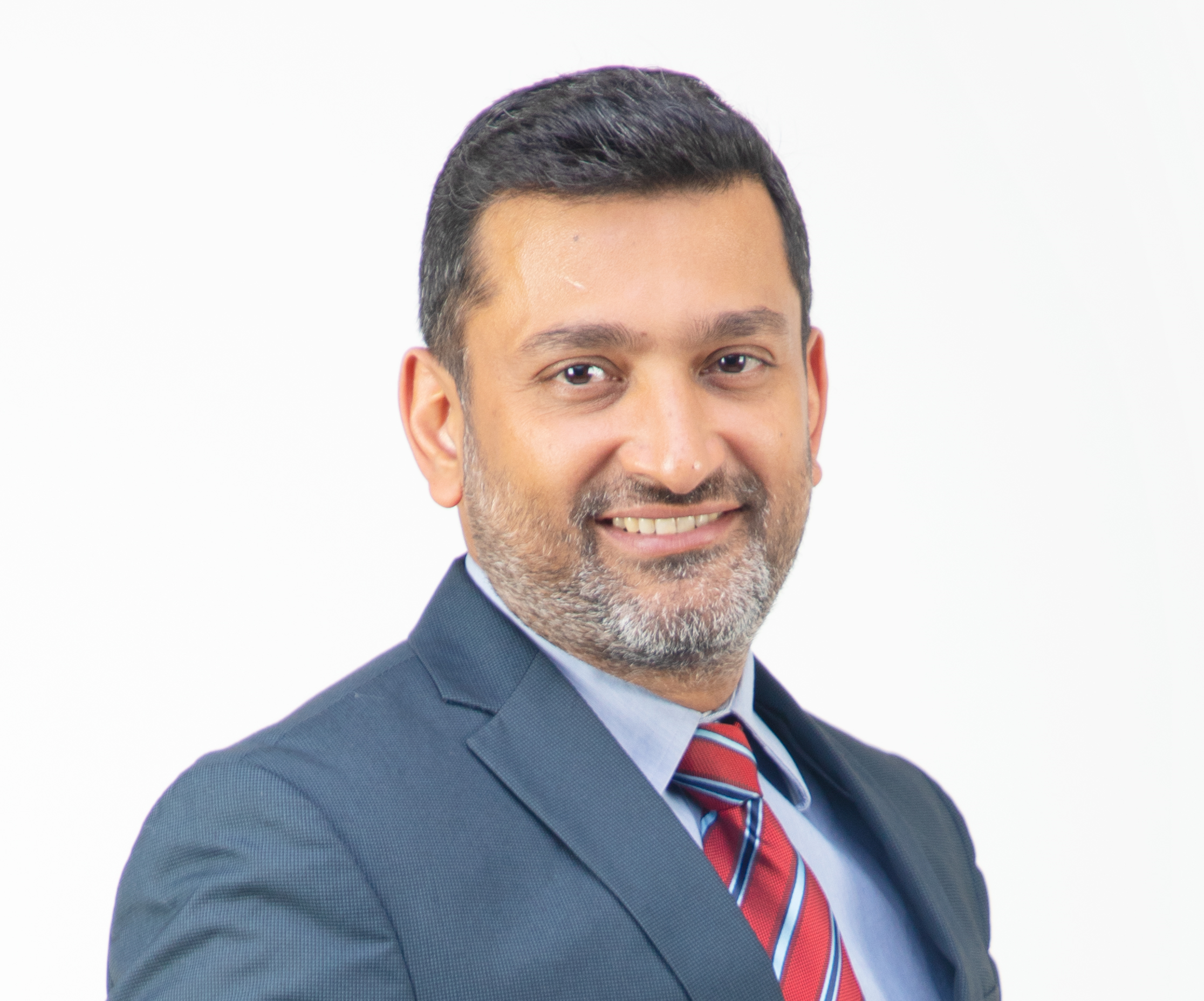
In this exclusive interview, Sourabh Lohtia, Chief Marketing & Communications Officer, PNB MetLife, explains how the company's Damini CSR program is helping bridge these gaps through targeted skill development and livelihood initiatives. He shares how programs such as Kshamta, Future Ready, and Sakshi Swavalamban are equipping women with industry-relevant skills in digital marketing, customer care, coding, and entrepreneurship, enabling them to secure sustainable livelihoods and become financially independent.
The conversation also highlights the importance of aligning skill-development programs with evolving industry needs, the role of corporate-NGO partnerships in creating lasting impact, and how empowering women with the right skills can contribute to inclusive economic growth and stronger communities across India.
Scroll down to read more:
Q. What is the vision behind the Damini CSR program, and what key gaps are you trying to address through these initiatives?
A. PNB MetLife’s Damini CSR program is designed to create sustainable livelihoods for young women by equipping them with industry-relevant skills and improving their access to formal employment opportunities.
The program is rooted in PNB MetLife’s purpose, “Always with you, building a more confident future”, and focuses on addressing the structural barriers that limit women’s participation in the workforce. These include limited access to skills training, low exposure to formal employment, and gender disparities in workforce participation.
Through initiatives such as the Kshamta program with Responsenet, PNB MetLife has trained 500 young women in customer care, data entry, and digital marketing. Around 70% of participants have secured sustainable livelihoods, with an average monthly income of approximately INR 17,000.
The company has also launched ‘FutureReady – Skilling for Employability’ in partnership with AIC GUSEC and Xcelevate Skills Foundation, where selected beneficiaries undergo intensive training and mentorship to prepare for employment. Additionally, the Sakshi Swavalamban program with Drishtee Foundation has trained over 2,700 women across rural communities, supporting microenterprise creation and income generation.
Creating sustainable livelihood opportunities for women is one of the most effective ways to enable financial inclusion and strengthen communities at scale.
Q. Why do you believe targeted skill development is critical in bridging the employment gap, particularly for underprivileged young women in India?
A. Targeted skill development is critical because it equips underprivileged young women with practical, job-ready skills that enable them to transition into formal employment and achieve long-term economic independence.
India’s employment landscape continues to reflect a gender gap, with underprivileged women facing barriers such as limited access to quality education, restricted mobility, and low exposure to formal job opportunities.
Targeted skilling helps bridge this gap by giving women the capabilities for real employment, allowing them to move from informal or unpaid work into structured, income-generating roles. This transition plays a key role in building both economic independence and long-term resilience.
The importance of skilling is further reinforced by shifts in the job market, where employers increasingly prioritize practical skills, certifications, and real-world competencies. When aligned with market demand, these programs become powerful enablers of financial inclusion by ensuring that underserved women are not left behind in India’s growth story.
Q. Through initiatives like Kshamata and Future Ready, women and students are being trained in areas such as digital marketing, coding, and customer care. How important is it to align skilling programs with evolving market and industry requirements?
A. Aligning skilling programs with evolving market demand is essential to improving employability, as it ensures that participants develop skills that are immediately relevant to employers.
As industries evolve rapidly, employers increasingly prioritize candidates who are equipped with practical, job-relevant capabilities. Training programs aligned with real-world demand significantly improve an individual’s chances of securing employment. Global research too indicates that skill training can improve employment outcomes by 2–6% and increase earnings by around 8%, especially when linked to industry demand.
Market-aligned skilling also expands opportunities beyond traditional employment, including freelance work, remote roles, and entrepreneurship -options that can be valuable for women who may face mobility or socio-cultural constraints.
Programs such as Kshamta and Future Ready are designed to respond to this dynamic environment by preparing participants with both in-demand and emerging skill sets.
Q. How are these initiatives helping create long-term livelihood resilience and inclusive economic growth for women in semi-urban and rural communities?
A. These initiatives are driving inclusive economic growth by enabling women to transition from informal roles to recognized economic contributors within their communities.
By connecting women to credit, markets, and enterprise opportunities, the programs help participants build sustainable income streams. This strengthens financial independence and enables women to gain greater control over their income, assets, and decision-making.
Increased financial independence also contributes to improved social standing, allowing women to have a stronger voice within their families and greater participation in their communities. Over time, this creates a multiplier effect, where more women emerge as entrepreneurs, leaders, and contributors to local economic growth.
Q. What have been some key learnings from implementing livelihood and employability programs across different regions and community contexts?
A. One of the key learnings is that livelihood programs must be localized and tailored to the specific socio-economic and cultural context of each region.
Each community has unique challenges and access barriers, making it essential to customize not only the curriculum but also delivery models, training formats, and placement strategies.
Another important insight is that technical training alone is not sufficient. A holistic support system—including mentorship, confidence-building, career guidance, and post-training engagement—is critical to ensuring long-term employability and sustained impact. For example, PNB MetLife employees have hosted several mock interview sessions with beneficiaries through our CSR programs, to help them build confidence, sharpen interview readiness, and better navigate the transition into the workforce.
Mentorship, confidence-building, career guidance, and continuous engagement are equally important to help participants navigate challenges and fully realize their potential.
Q. How has PNB MetLife collaborated with nonprofit partners such as ResponseNet, AIC GUSEC, Xcelevate, and Drishtee to create sustainable livelihood opportunities, and how have these partnerships enhanced your overall efforts?
A. PNB MetLife’s partnerships with nonprofit organizations have been critical in scaling skill development initiatives and ensuring strong on-ground impact.
While PNB MetLife provides funding, strategic direction, and industry expertise, nonprofit partners contribute deep community engagement and operational capabilities. This complementary approach ensures that programs are locally relevant, scalable, and more effective in reaching underserved communities.
These collaborations help overcome social barriers, improve participation and completion rates, and ensure that training programs are aligned with both local needs and evolving job market demands.




.png)