Ascenta’s Basalt Hills Redefines Sustainable Luxury Living in Maharashtra’s Emerging Growth Corridor
The idea of luxury living in India is undergoing a noticeable shift. While expansive residences and premium amenities continue to hold appeal, a growing segment of affluent homebuyers is placing equal importance on privacy, open spaces, environmental sensitivity, and a deeper connection with nature. This evolution is particularly evident in emerging destinations on the outskirts of major cities, where developers have the opportunity to shape growth more thoughtfully from the ground up.
Against the backdrop of rapid infrastructure expansion around the Mumbai 3.0 corridor and the NAINA region, questions around sustainable development, land stewardship, and long term liveability have become increasingly relevant. Projects that preserve natural ecosystems while offering elevated lifestyle experiences are beginning to define the next chapter of luxury real estate in India.
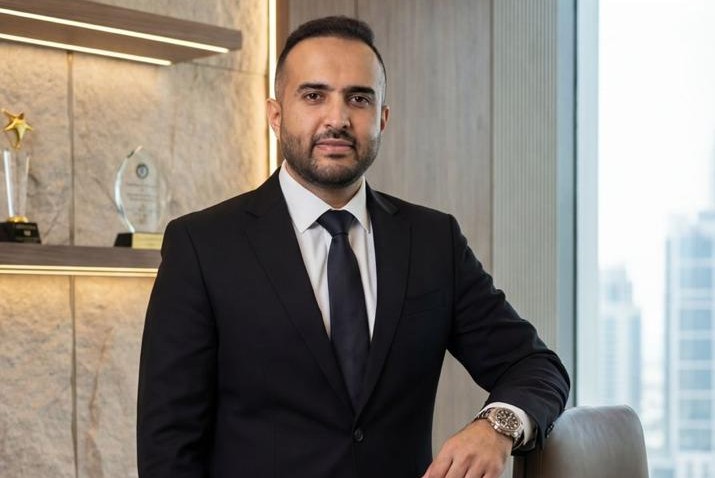
In this conversation, Karan Bahl, Founder and Director of Ascenta, shares the vision behind Basalt Hills, a low density luxury estate in Khalapur designed around the site’s natural contours and ecological character. He discusses the changing preferences of modern homebuyers, the importance of building in harmony with the landscape, and how developers can contribute to creating environmentally responsible and resilient communities for the future.
Scroll down to read the full interview:
Q. Basalt Hills is being developed as a nature-led, low-density luxury estate. How are you ensuring that the project works with the natural landscape instead of altering it significantly?
A. The luxury housing landscape in Maharashtra isundergoing a major transformation as affluent homebuyers increasingly shift towards low-density communities that prioritise privacy, exclusivity, wellness, and curated lifestyle experiences over conventional high-rise density. Buyers are seeking sustainability, emotionally enriching environments, open spaces, and community-focused living rather than simply large residential towers and crowded development.
Q. What specific steps are you taking at Basalt Hills to protect natural features like basalt formations, streams, and forested areas during development?
A. Rather than heavily excavating and reshaping the land, we are designing Basalt Hills around the site’s existing natural features, including the basalt formations, streams, and green cover. Wherever excavation is necessary, the basalt rock removed from the site is reused within the development for retaining walls, pathways, and landscape elements. This approach helps reduce construction waste, limits the need for outside materials, and allows the project to stay closely connected to the natural character of the land.
Q. In your experience, are luxury homebuyers in India today actively considering sustainability and environmental design in their purchase decisions? How is this shift playing out on the ground?
A. Homebuyers are no longer looking just for stylish interiors or convenient layouts. They want homes that save energy, reduce environmental impact, and provide healthier, more comfortable living. And the best part is that sustainable homes are increasingly cost-effective, offering long-term savings alongside environmental benefits. Sustainable Homes: These eco-friendly residences are more than a passing fad; they represent a shift in the way people think about living.
Q. As development expands into emerging regions like Mumbai 3.0 and NAINA, what are Ascenta’s key principles to ensure long-term, responsible growth in these areas?
A. As Mumbai expands into the Mumbai-3.0 corridor, sustainability is becoming central to how new developments are planned and executed. With infrastructure such as NaviMumbai International Airport and the NAINA planning zone shaping the region’s growth, developers have a unique opportunity to adopt responsible construction practices from the outset. Ascenta’s first project embraces this approach by building harmony with the land rather than working against its natural contours and character.
Q. What does “curated living” mean in practical terms at Basalt Hills, and how is Ascenta planning to manage the estate over the long term?
A. Basalt Hills is curated living in its truest sense, where every detail is thoughtfully envisioned, every experience feels intuitive, and every space is crafted to stand timelessly for generations ahead. It brings together the serenity of nature with the elegance of resort-style living, supported by end-to-end concierge and management services that make everyday life seamless, refined, and effortlessly comfortable.
Q. How do elements like native landscaping, water bodies, walking trails, and low-density planning contribute to residents’ well-being at Basalt Hills?
A. Modern homebuyers are shifting priorities. Environmental awareness, post-pandemic lifestyle changes, and a renewed emphasis on health and well-being have led to a growing preference for homes near green zones, be it forests, hills, lakes, or even landscaped parks. Properties that offer scenic views, fresh air, and natural surroundings are often seen as premium, which increases their demand and, consequently, their market value.
Q. What lessons has Ascenta taken from over-developed second-home markets like Lonavala and Alibaug while designing and planning Khalapur as a destination?
A. Khalapur has the advantage of learning from the growth journeys of destinations like Lonavala and Alibaug. At Ascenta, the focus has been on creating a more balanced and sustainable second-home destination rather than over-densifying the region.
Unlike mature markets where congestion and unplanned growth have become concerns, Khalapur still offers open landscapes, greenery, and the flexibility to create personalised living experiences. Its strategic connectivity to Mumbai and Navi Mumbai, along with proximity to the upcoming airport corridor, makes it an emerging destination with long-term appreciation potential.
The key lesson has been to prioritize low-density planning, strong infrastructure, natural surroundings, and curated community living, ensuring that Khalapur evolves as a premium yet sustainable lifestyle destination for the future
Q. In the real estate sector, sustainability is often talked about in terms of certifications and compliance. What are Ascenta’s concrete sustainability practices beyond certifications and labels?
A. At Ascenta, sustainability goes beyond certifications and compliance. Our approach focuses on creating developments that responsibly use natural resources, reduce environmental impact, and promote long-term ecological balance. From the planning stage itself, we emphasise efficient land utilization, water management systems, green infrastructure, and climate-responsive development practices that reduce exposure to extreme weather conditions.
We believe sustainable real estate is not just about meeting green standards but also about building communities that are environmentally conscious and future ready. As India moves toward its net-zero emissions target by 2070 and aims to reduce carbon intensity by 45% by 2030, Ascenta is aligning its projects with sustainable construction practices that support both environmental and social outcomes. Our focus remains on integrating sustainability into everyday living through thoughtful design, infrastructure planning, and long-term resource efficiency rather than relying only on labels and certifications.
Q. What role do you see private developers like Ascenta playing in shaping more environmentally responsible and resilient communities over the next decade
A. Sustainable construction plays a vital role in creating environmentally responsible and future-ready communities. It involves the use of eco-friendly materials, energy-efficient technologies, and construction practices that reduce environmental impact and promote long-term sustainability. By focusing on renewable resources, lower carbon footprints, and efficient infrastructure, sustainable construction not only benefits the environment but also improves building durability, reduces operational costs, and enhances the overall living experience for residents.









.png)