
PwC India Foundation Supports Women’s Livelihoods in Rajasthan’s Sahariya Community
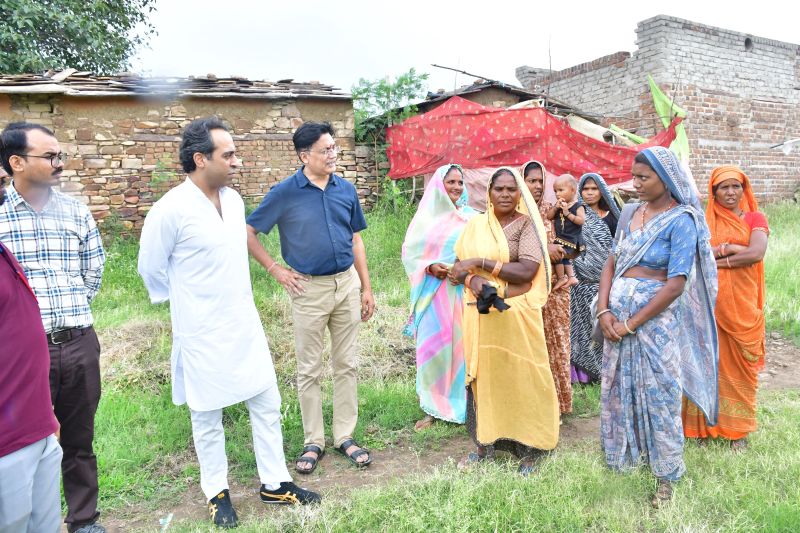
Rajasthan, August 10, 2026: PwC India Foundation (PwCIF) has stepped up its efforts to strengthen sustainable livelihoods and women’s economic empowerment among the Sahariya tribal community in Baran, Rajasthan, supporting livelihood initiatives benefiting more than 100 households.
The initiative was highlighted on the occasion of the International Day of the World’s Indigenous Peoples and is being implemented in partnership with Manjari Foundation. It follows extensive flood damage to crops in the region last year, which affected the livelihoods of the Sahariya community, classified as a Particularly Vulnerable Tribal Group (PVTG).
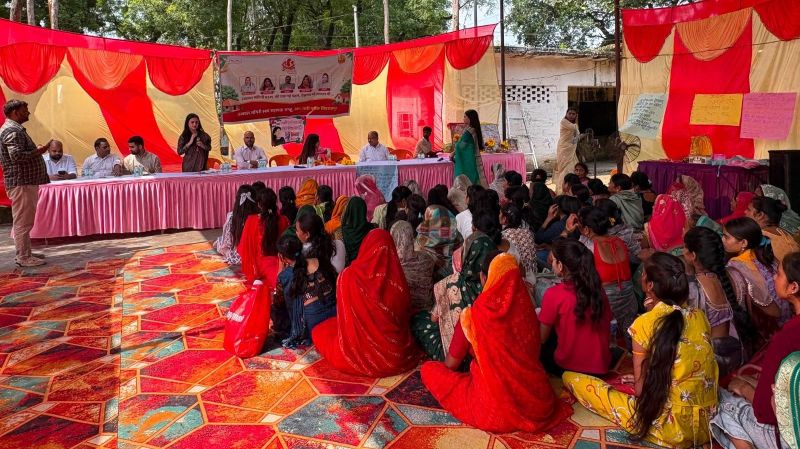
PwCIF’s interventions focus on sustainable agriculture, women-led entrepreneurship and other livelihood activities aimed at improving household income and building economic resilience. During his visit to Baran, Jaivir Singh, Vice Chairman, PwC India Foundation, interacted with beneficiaries across three villages and reviewed activities including vegetable cultivation, vermicomposting, goat rearing and bio-resource initiatives.
“At PwCIF, we believe sustainable impact is achieved by working alongside communities to strengthen their capabilities, improve access to opportunities, and foster long-term self-reliance. Our engagement with the Sahariya community reflects this commitment and our belief that inclusive development must leave no one behind,” said Jaivir Singh, Vice Chairman, PwC India Foundation.
Women are a central focus of the programme, with interventions designed to help them move from agricultural labour to independent income-generating activities. PwCIF is also providing specialised support to single and widowed Sahariya women through goat rearing and sustainable farming practices, with the objective of improving their income security.
Sanjay Sharma, Executive Director, Manjari Foundation, said, “Real and lasting change is built through trust, collaboration, and a sustained presence on the ground. Our partnership with PwC India Foundation has enabled us to work alongside the Sahariya community to create opportunities that extend beyond livelihoods, restoring confidence, strengthening resilience and enabling these rural families—particularly women—to have greater income security and independence. Seeing first-hand how sustained interventions can transform lives and livelihoods and affect real change at the grassroot level has been one of the most rewarding aspects of our work together.”
The programme combines livelihood development with community participation, with activities intended to create more sustainable sources of income for rural households. The focus on women’s economic participation is also aimed at strengthening their financial independence and resilience.
Reflecting on the initiative, Jaivir Singh added, “What stood out during my visit was the determination and resilience of the women leading this transformation. Their journey towards greater economic independence demonstrates how community-led interventions can create lasting change. We remain committed to supporting initiatives that strengthen livelihoods, build resilience and create pathways to a more secure and sustainable future.”
Through the partnership, PwC India Foundation said it will continue to work with communities and implementation partners to strengthen livelihoods, expand opportunities for vulnerable populations and support greater income security in rural areas.