
PepsiCo Reports ESG Progress Across Water, Farming and Nutrition
New Delhi | September 17, 2026: PepsiCo has released its 2025 ESG Performance Update, outlining progress under its PepsiCo Positive (pep+) ambition across water stewardship, regenerative agriculture, circular packaging and nutrition. The company said its India operations are contributing to these priorities through initiatives across its food value chain.
Globally, PepsiCo has expanded regenerative, restorative and protective farming practices to 4.7 million acres across more than 60 countries, achieved 100% water replenishment at company-owned facilities in high-water-risk areas and reduced virgin plastic use in primary packaging by 6%.
"We're excited by the momentum we're building as pep+ continues to transform our business end to end," said Jim Andrew, PepsiCo Chief Sustainability Officer. "We're making significant progress- from expanding regenerative, restorative and protective practices to 4.7 million acres, reducing emissions of our operations, to evolving our product portfolio to offer more choices — and we're doing it in ways that we believe will strengthen our business for the long term. While there's more work ahead, this progress reflects how we're continuing to take steps to embed sustainability into how we operate, innovate, and grow."
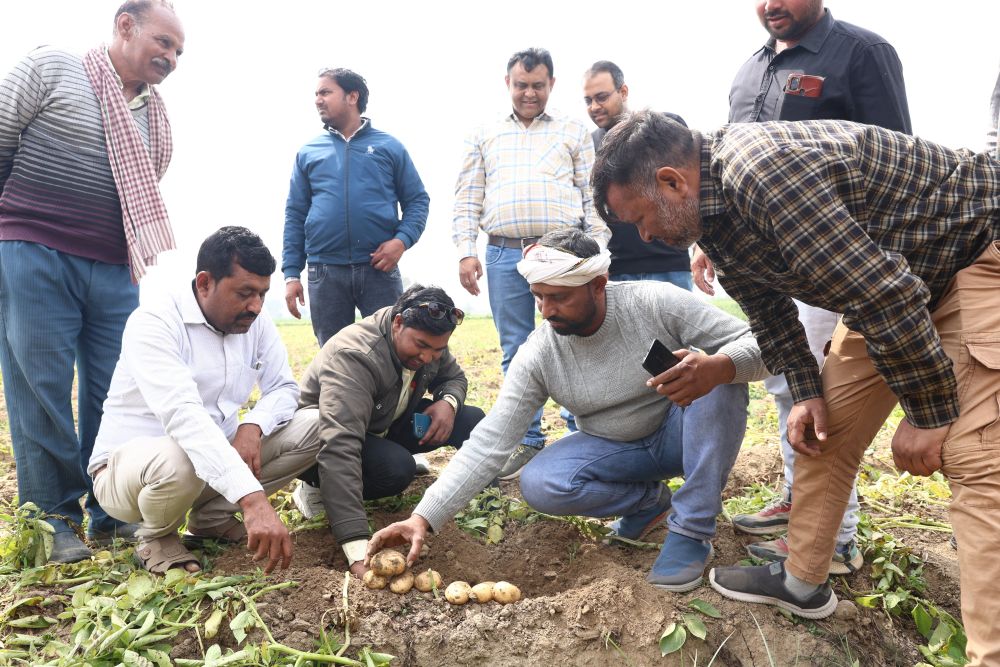
In India, PepsiCo engages with approximately 36,000 farmers across 14 states and sources 100% of its chip-grade potatoes locally. Through its Partnership for Progress philosophy, the company is working with farmers, communities, governments and industry partners on agriculture, water, packaging and other sustainability priorities.
“In India, our growth is deeply connected to the strength and resilience of the ecosystem around us. From the farmers who grow our ingredients and the communities around our operations, to the natural resources we depend on and the consumers we serve, every part of our value chain is interconnected,” said Yashika Singh, Chief Corporate Affairs Officer and Sustainability Head, PepsiCo India & South Asia.
She added,* “PepsiCo Positive and our Partnership for Progress philosophy is about turning this interdependence into shared growth. When we strive to help farmers become more resilient, we strengthen our supply chain; when we improve water and resource efficiency, we build operational resilience; when we advance circularity, we help strengthen the systems we rely on; and when we evolve our portfolio, we respond to changing consumer preferences This is how we see sustainable growth; not as a separate agenda, but as an integral part of building a stronger business and contributing to progress for communities, consumers and the planet.”*
PepsiCo’s Mitti Didi initiative provides farmers with soil-health diagnostics and farming insights, while Lay’s Smart Farms, developed with Cropin, covers more than 18,000 mapped acres and provides insights to over 7,000 farmers. Micro-irrigation has reached 100% adoption across potato farms in key sourcing regions, including more than 2,300 acres in Uttar Pradesh.
In water stewardship, PepsiCo said its Pune manufacturing facility has reduced water utilisation by more than 90%. Globally, the company has replenished 23 billion litres of water to local ecosystems since 2010.
The company is also using mono-material and polyolefin-based packaging structures and transitioning to 100% rPET bottles for select beverage products. Biomass accounts for 97% of PepsiCo India’s fuel mix.
In mobility, the Kosi–Pataudi EV Green Corridor operates 13 electric container trucks and enables approximately 6 lakh electric kilometres annually. PepsiCo India has also retrofitted more than 800 vehicles across the country.
More than 50% of PepsiCo’s beverage portfolio by volume in India is now low- or zero-sugar, while the company continues to expand food products positioned around different consumer preferences.