From Vulnerability to Resilience: How CBM India Is Building Inclusive Livelihoods in the Sundarbans
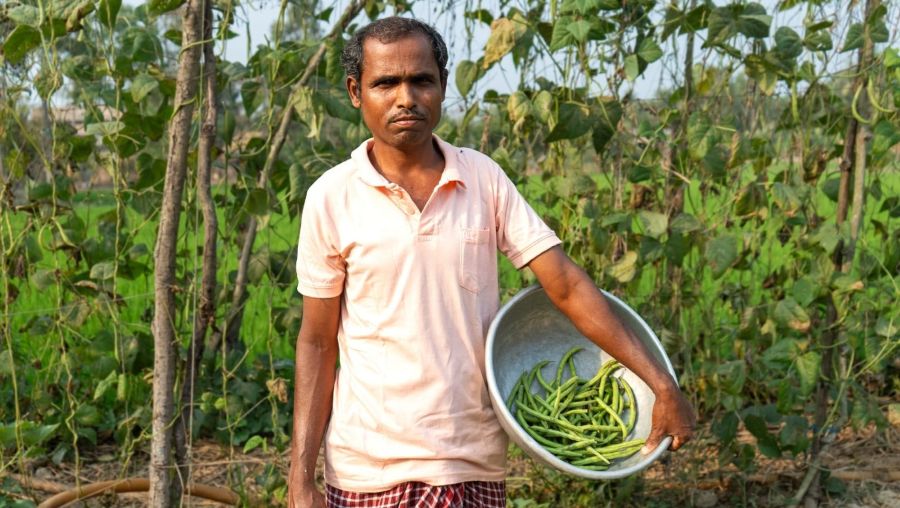
Project Sarvounnati is helping build more resilient and inclusive communities in the climate-vulnerable Sundarbans. Led by CBM India, the initiative combines livelihood support, skills training, seed funding and access to essential services, enabling persons with disabilities, women and marginalized households to strengthen incomes and participate more actively in local development.
The Sundarbans is a region where economic vulnerability is closely intertwined with environmental risk. For families living across its islands, climate-induced challenges, limited livelihood opportunities and difficult access to essential services can make it harder to build secure and sustainable futures.
It is against this backdrop that CBM India, through Project Sarvounnati, is working to strengthen livelihoods and improve the quality of life of marginalized communities in the region.
Implemented in the Patharpratima block of South 24 Parganas district, West Bengal, the integrated rural development initiative brings together livelihood promotion, education, healthcare, water and sanitation, and community development. During 2025-26, the project supported 485 individuals with seed funding to launch or expand income-generating activities, while 700 people received training in agriculture, allied activities and non-agricultural trades.
Among those supported were 122 persons with disabilities who received livelihood training and 73 who received seed funding, reflecting the project's focus on ensuring that disability inclusion is embedded within local development rather than treated as a separate intervention.
Building livelihoods that can withstand uncertainty
For communities facing recurring environmental and livelihood challenges, income security can be a crucial first step towards resilience.
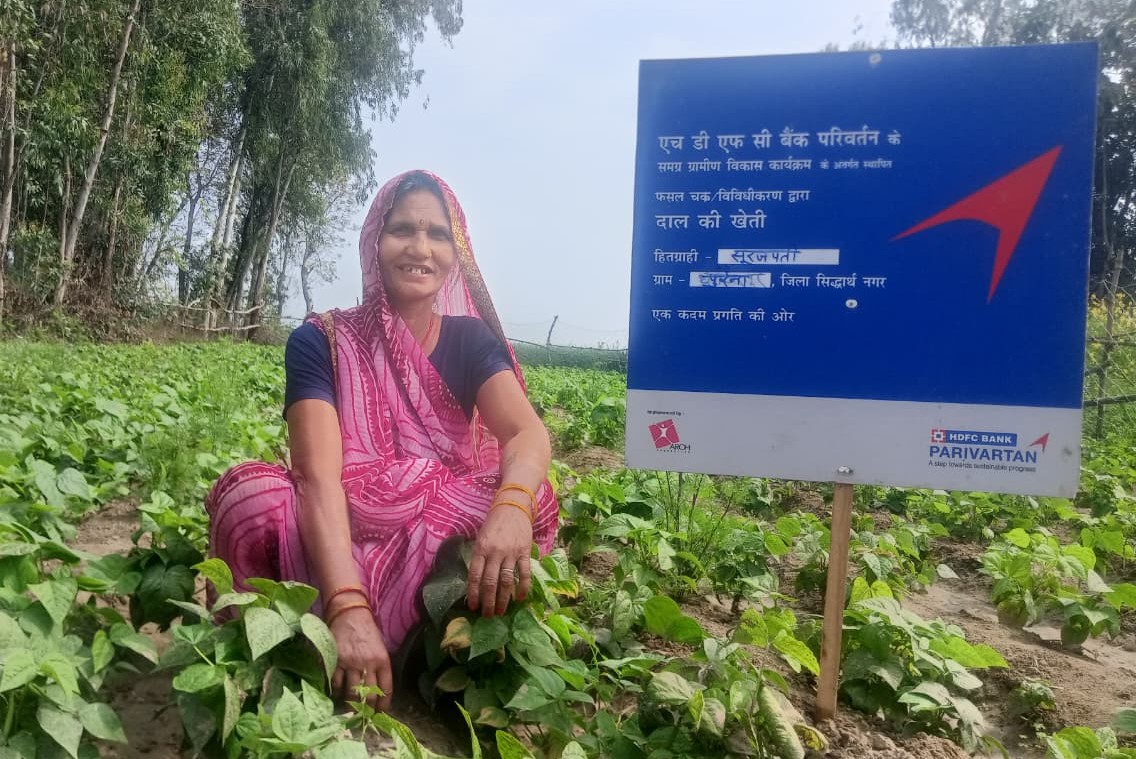
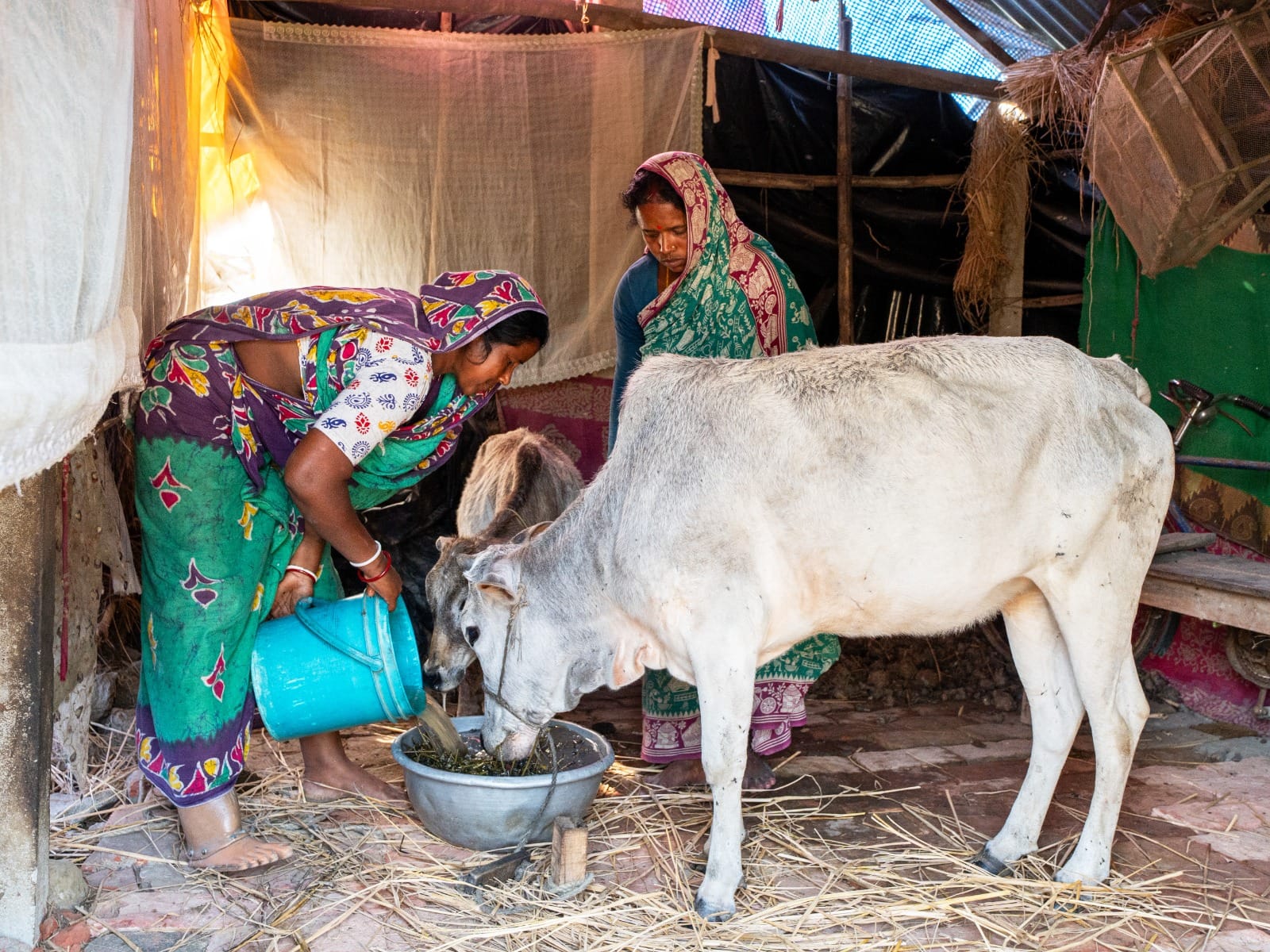 Project Sarvounnati's livelihood component focuses on agricultural development, livestock and animal husbandry, skill development and entrepreneurship. Participants have received training and support in farming, livestock rearing and pisciculture, alongside capacity-building for non-farm livelihood opportunities.
The programme has also introduced participants to areas such as entrepreneurship, digital literacy and financial management, while providing guidance on income-generating activities including tailoring, handicrafts, food processing and eco-tourism.
The approach is designed to give families more than a short-term source of income. By expanding access to skills, knowledge and seed funding, the initiative seeks to help small farmers, women, persons with disabilities and low-income households create livelihood opportunities that can contribute to longer-term economic resilience.
As Sony Thomas, Executive Director, CBM India Trust, explains, economic security is critical for communities living in regions facing recurring environmental and livelihood challenges. Through Project Sarvounnati, CBM India is working with communities to build sustainable income opportunities while simultaneously strengthening access to education, healthcare and clean drinking water.
When inclusion becomes part of the development model
One of the defining features of Project Sarvounnati is its integrated approach.
Rather than addressing livelihoods in isolation, the initiative works across multiple dimensions of community well-being. Villages across the Achintya Nagar and Brajaballavpur panchayats are currently covered by the programme, which combines livelihood support with investments in education, healthcare, water and sanitation and environmental sustainability.
This approach also extends to children and young people.
During the year, the initiative supported the renovation of three high schools, two primary schools, four Anganwadi centres and two health and wellness centres. It also facilitated the establishment of four digital classrooms and two STEM laboratories, helping improve learning environments for children and young people.
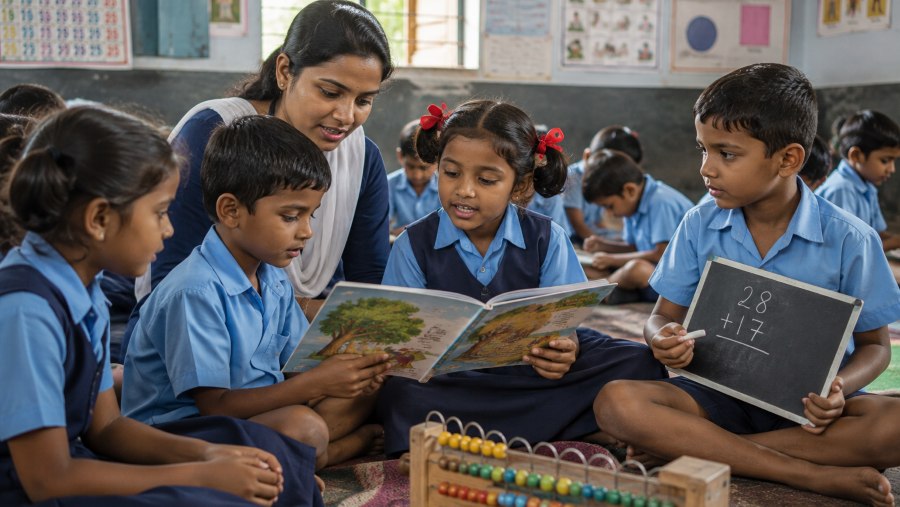
To strengthen foundational learning, four tuition centres were established, benefiting more than 100 children. A dedicated therapy centre is also providing physiotherapy support to more than 30 children with disabilities.
These interventions demonstrate how livelihood resilience is being built alongside stronger access to education and support services—creating an ecosystem in which families are better placed to participate in and benefit from local development.
Taking healthcare closer to communities
Healthcare is another important pillar of the initiative.
Project Sarvounnati reached more than 15,000 people through health awareness initiatives during the year and trained over 690 community members and frontline stakeholders on health, hygiene and nutrition. The programme also conducted eight health camps, serving more than 1,200 people.
For communities where access to services can be constrained by geography and infrastructure, such interventions can help bridge gaps between households and essential healthcare information and services.
Tackling the everyday challenge of safe water
In the Sundarbans, the challenge extends beyond livelihoods and healthcare.
Surrounding saline water and salinity intrusion make access to safe drinking water a persistent concern for many island communities. Project Sarvounnati has responded by installing three community borewells and water dispensing units, or water ATMs, benefiting approximately 2,500 families.
The intervention adds another layer to the project's resilience-building approach. By improving access to reliable water sources, the initiative is addressing an everyday challenge that affects household well-being and community health.
From individual support to community resilience
The scale of Project Sarvounnati is reflected not only in the number of people receiving direct livelihood support, but also in the breadth of services being created around communities.
From seed funding and skills training to schools, therapy centres, healthcare awareness and water infrastructure, the initiative is attempting to address several interconnected barriers that can prevent vulnerable households from moving towards greater economic and social security.
Importantly, persons with disabilities, women, low-income households and other marginalized groups remain central to this model. By ensuring that these communities can access skills, livelihood opportunities and essential services, the project seeks to make local development more inclusive.
Expanding the model across the Sundarbans
The first phase of Project Sarvounnati has laid the foundation for further expansion.
During 2026-27, CBM India is extending the initiative to three additional villages in Gopal Nagar Panchayat, taking integrated development support to more vulnerable families across the Sundarbans.
The expansion reflects an effort to build on the progress already achieved and extend the project's integrated model to communities facing similar challenges.
At its core, Project Sarvounnati is about connecting opportunities that are often addressed separately—livelihoods, education, healthcare, water access and community capacity-building.
By bringing these elements together, CBM India is working towards a model in which resilience is not measured only by income, but also by whether families can access the services, skills and opportunities they need to shape more secure futures.
For communities living in one of India's most climate-vulnerable regions, that combination of economic opportunity, inclusion and access to essential services could be an important step towards a more resilient future.