
From Classrooms to Championships: How Sportz Village Foundation is Creating Opportunities for Every Child
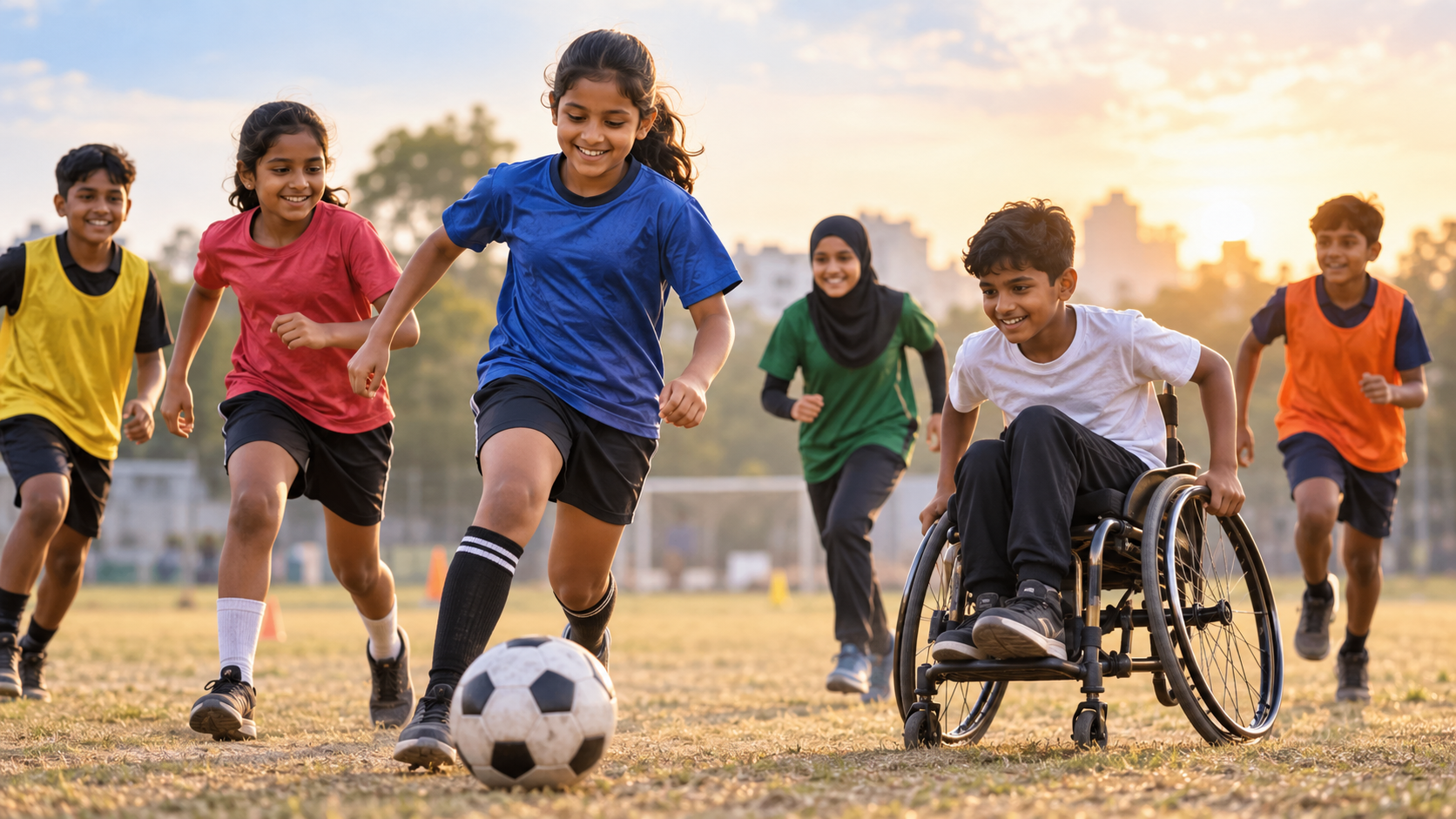
What if a football, a running track, or a playground could change the course of a child’s life? Across India, sport is proving to be much more than a game—it is becoming a powerful tool for improving education, health, confidence, and future opportunities, especially for children from underserved communities.
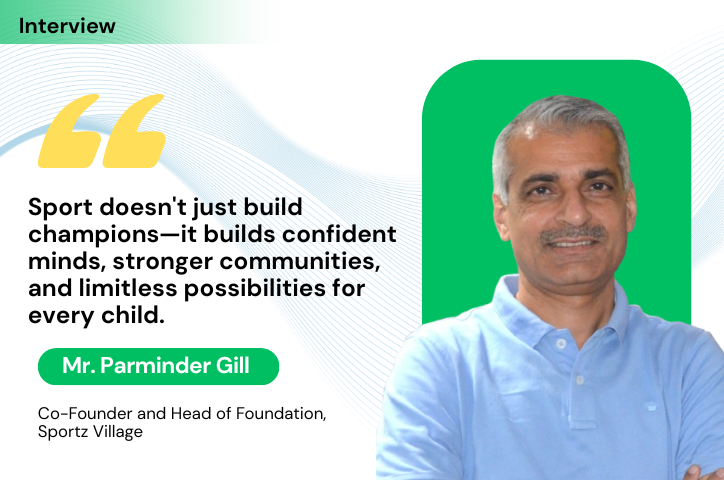
In this exclusive interview, Parminder Gill, Co-Founder and Head of Foundation, Sportz Village, explains how the organisation is using sport to create measurable social impact. He discusses why physical education should be an essential part of learning, how structured sports programs are improving school attendance and social-emotional skills, and how young athletes are progressing from grassroots participation to state and national competitions.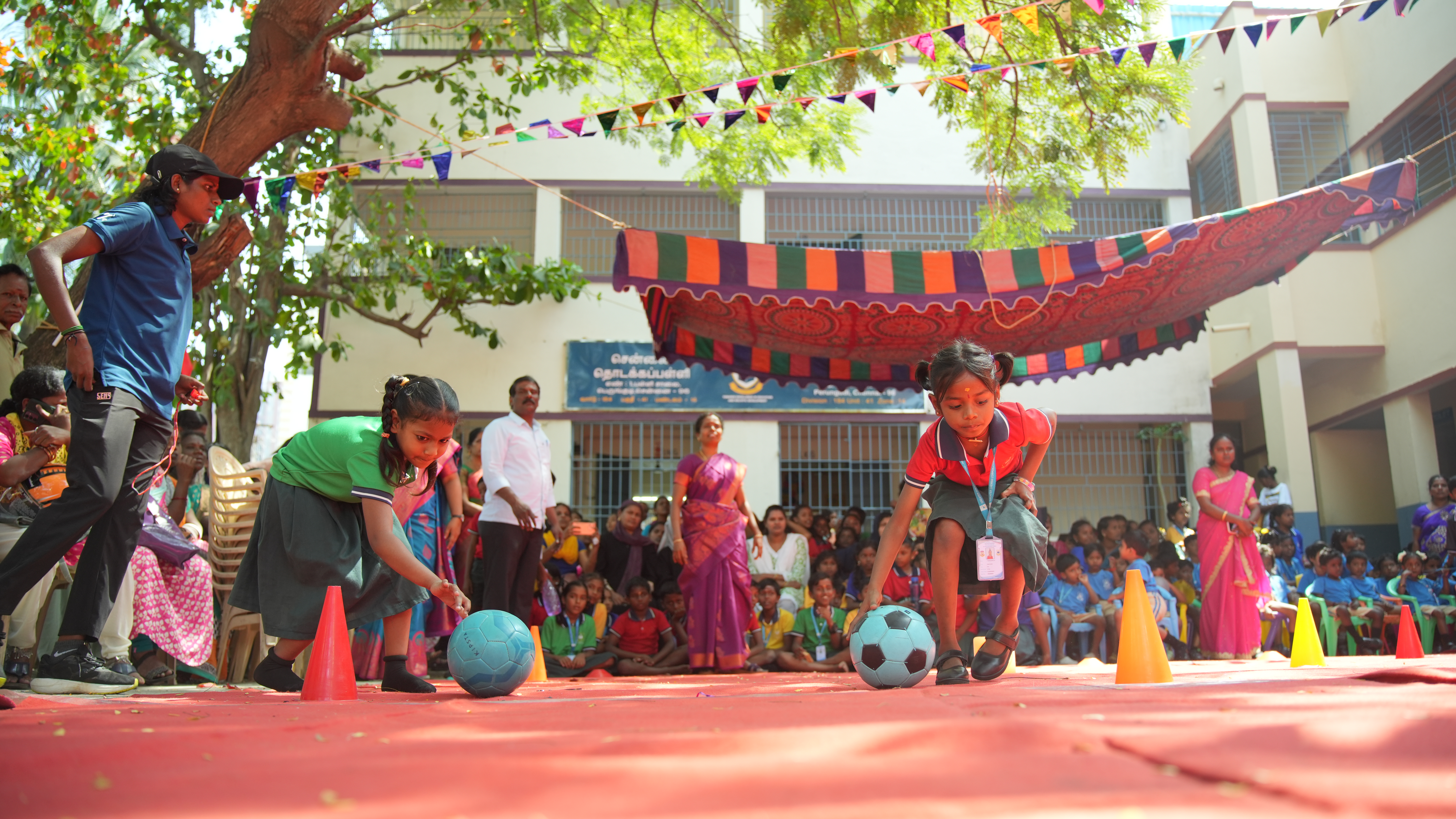
The conversation also highlights Sportz Village Foundation’s work to increase girls’ participation through initiatives like Shakti, support tribal sporting talent through the PathwayZ program, and build strong partnerships with corporates, governments, and public schools. Backed by evidence from its latest Annual Impact Report, the interview offers valuable insights into how sport is helping shape healthier, more confident, and opportunity-rich futures for children across India.
Scroll down to read more:
Q. Sportz Village Foundation has been working to make sport a part of children's overall development. What gaps did you identify that led to this approach, and what are the key challenges your programmes are trying to address through CSR partnerships?
A. SportzVillage Foundation's work is built around improving access to sport for young people at scale. The key pathways we've chosen is to integrate sport and physical activity within the education process of school systems, rather than treating it as separate from it.
When we started, we saw sport being treated as a break from learning, not a part of it. Schools had PE sessions but no structured engagement, no pathway, and no link between physical activity and a child's overall growth. With the help of our CSR partners, we're building that missing ecosystem- trained coaches, structured curriculum, and consistent access - so sport becomes a tool for education, health and inclusion, not just recreation.
Q. Sport is often viewed as an extracurricular activity rather than a development tool. Based on your experience, what evidence has convinced you that sport can create measurable social impact?
A. With over two decades of work and multiple studies, we've seen strong correlations between sport and the broader development indicators that matter for young people - health, education, gender, excellence and employability. That's the evidence base our SportForChange program is built on, with specific interventions designed to meet each of these outcomes.
The clearest signs show up in how children engage day to day - better attendance in schools, more engagement in classrooms, improved physical and emotional wellbeing at a time when physical inactivity among young people in India is rising. We also see it distinctly in Social-Emotional Learning outcomes among girls - confidence, discipline, teamwork and emotional regulation built through regular participation. This year, we saw a 56% increase in time spent in sport and physical activity by girls, alongside a 30% improvement in their overall SEL outcomes.
Q. Your Annual Impact Report highlights outcomes across education, health, gender equity, sports excellence and livelihoods. Which of these areas has seen the most significant progress, and what has contributed to that success?
A. Two numbers stand out this year. Average time spent by girls on physical activity every week is up 56% - a clear sign that participation barriers are coming down. And of the 2,300+ athletes training with us at the grassroots level, 49 went on to compete at the national level - proof that our pathway from grassroots access to excellence actually works.
Education remains one of our strongest stories too - 55% of our students showed improved grades, alongside a visible rise in school attendance and classroom participation among children in our programs. We believe this comes down to how we've designed our physical education classes - structured to keep children genuinely engaged, not just present. That engagement builds a habit of showing up, and that habit spills over into how children engage with the classroom and, ultimately, how they perform in it.
Q. The Foundation has built a structured pathway from grassroots participation to competitive sports. How does this model help children from underserved communities access opportunities that may otherwise be out of reach?
A. Our model works because it meets children where they are and grows with them - starting with basic access at the grassroots level, then moving promising athletes into structured, higher-level training as they progress. That progression is backed by appropriate sports infrastructure development, quality coaching inputs and regular match play, along with access to proper nutrition, and sports science support as athletes progress toward higher levels of competition. For a child from an underserved community, that combination often replaces years of missed opportunity with a clear, visible route forward.
Take Sonika, from Haibatpur village in Greater Noida as an example - her father is a daily wage worker, and she started with the basics like every other child. Through participation in our PathwayZ Sports Excellence Program, she progressed to winning multiple gold medals in long jump, high jump, kabaddi and kho-kho, eventually earning state-level selection.
Q. Inclusion is a key focus of your work, particularly through initiatives such as the Shakti self-defence programme and menstrual hygiene awareness. What changes have you observed in girls' participation and confidence through these interventions?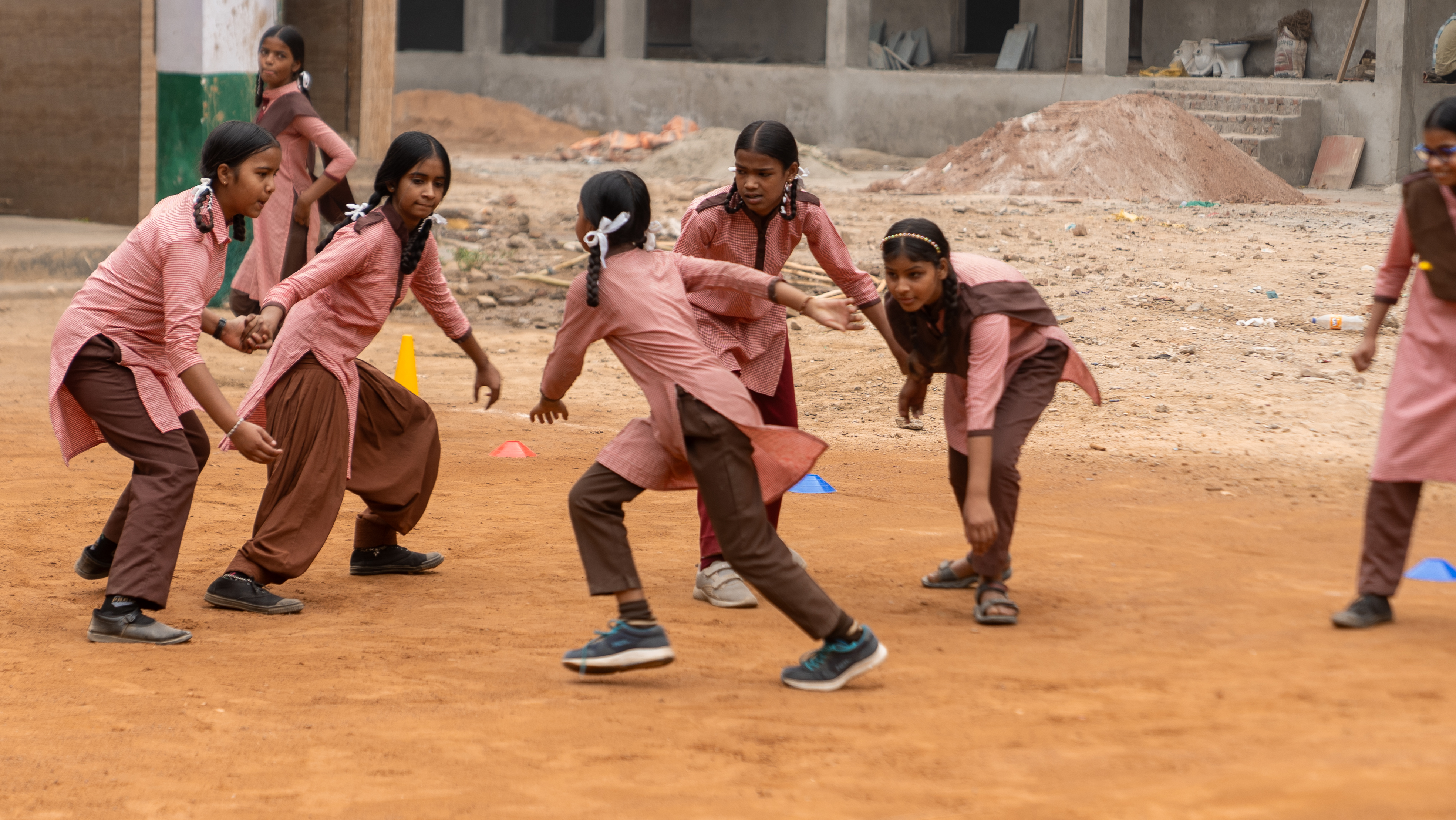
A. We've seen girls become more visibly present - not just enrolled, but actually showing up, competing and leading. This year, 48% of the children we reached were girls, and we saw a 56% increase in time spent in sport and physical activity by girls alone.
Programs like Shakti and our menstrual hygiene awareness work have helped remove some of the quiet barriers that used to keep girls on the sidelines, and the numbers are finally starting to reflect that shift.
Q. Programs such as Raftaar are creating opportunities for young athletes from tribal communities. What have been some of the key learnings from working in these regions, and how can similar models be scaled?
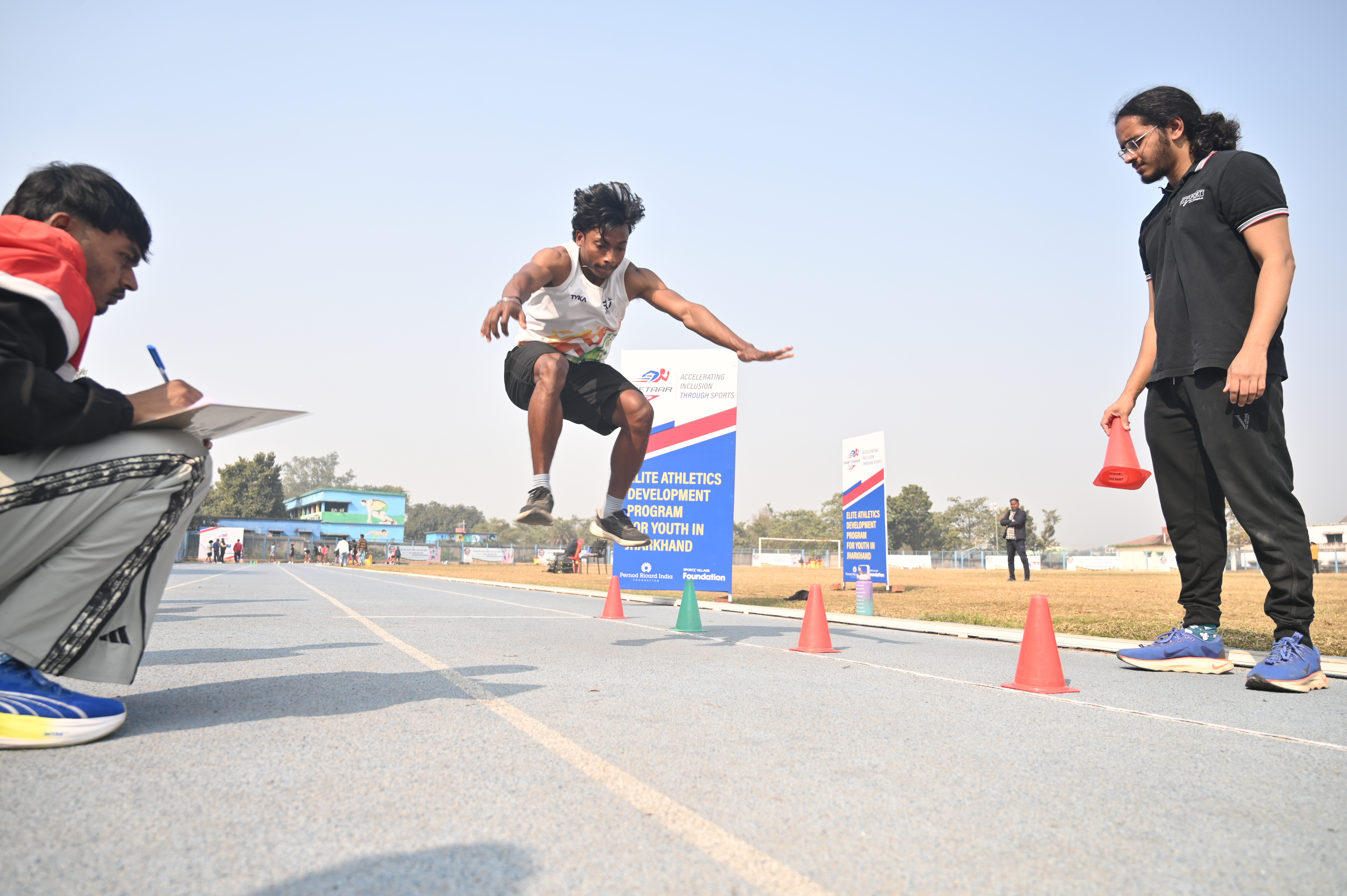 A. The biggest learning from Raftaar, which is an extension of our PathwayZ program in partnership with Pernod Ricard India Foundation has been simple yet significant: talent exists everywhere, including in the country's remotest and tribal regions - it just needs access and the right guidance to surface.
We've watched athletes from these communities go on to not just participate in national tribal games but win medals at them. Scaling this means investing in reach and mentorship in places most programs overlook, not just in cities where infrastructure and access already exists.
Q. Sportz Village Foundation works with several corporate partners including Decathlon India, HCL Foundation, KPMG, Bata India and others. How have these collaborations helped strengthen your programmes and enhance their overall impact?
A. Our partners don't just fund the programs, they play an integral role in shaping how we deliver.
Over the past one year, with Decathlon India, we've reached over 7,500 children across 17 schools in 10 cities, backed by real investment in sports infrastructure in cities like Pune, Bengaluru, Mumbai and Hyderabad.
With Casio India, our #SportForChange program went further by creating a Mentor-Mentee pathway connecting young kabaddi players with Pro Kabaddi League coaches, giving children not just training but a visible route to the next level.
Q. Over the years, you have worked with governments, schools, corporate partners and communities across multiple states. Based on this experience, what do you believe are the key ingredients for making sport an integral part of India's education and development ecosystem?
A. From everything we've learned working across governments, public schools, corporates and communities, it comes down to three things: consistent access, the right support from the ecosystem - government, education bodies and private partners working together - and a structured pathway that doesn't stop at participation. Sport cannot be an occasional activity, it has to be built into the system the way classrooms and textbooks are. When that happens, the results show up everywhere - in attendance, in confidence, and in medals.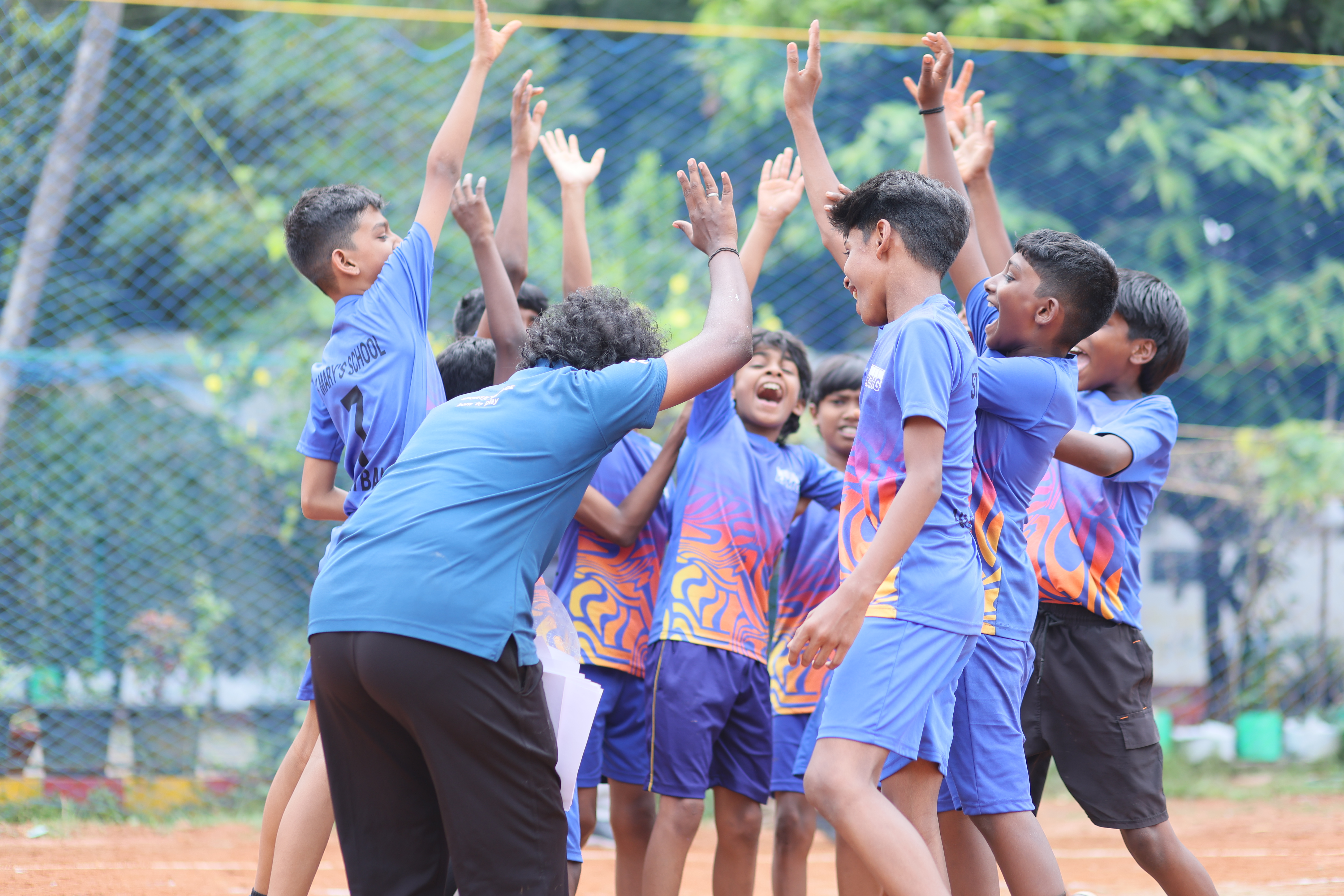

.png)