
The Ocean Cleanup Signs MoU with BMC to Expand Mumbai Operations
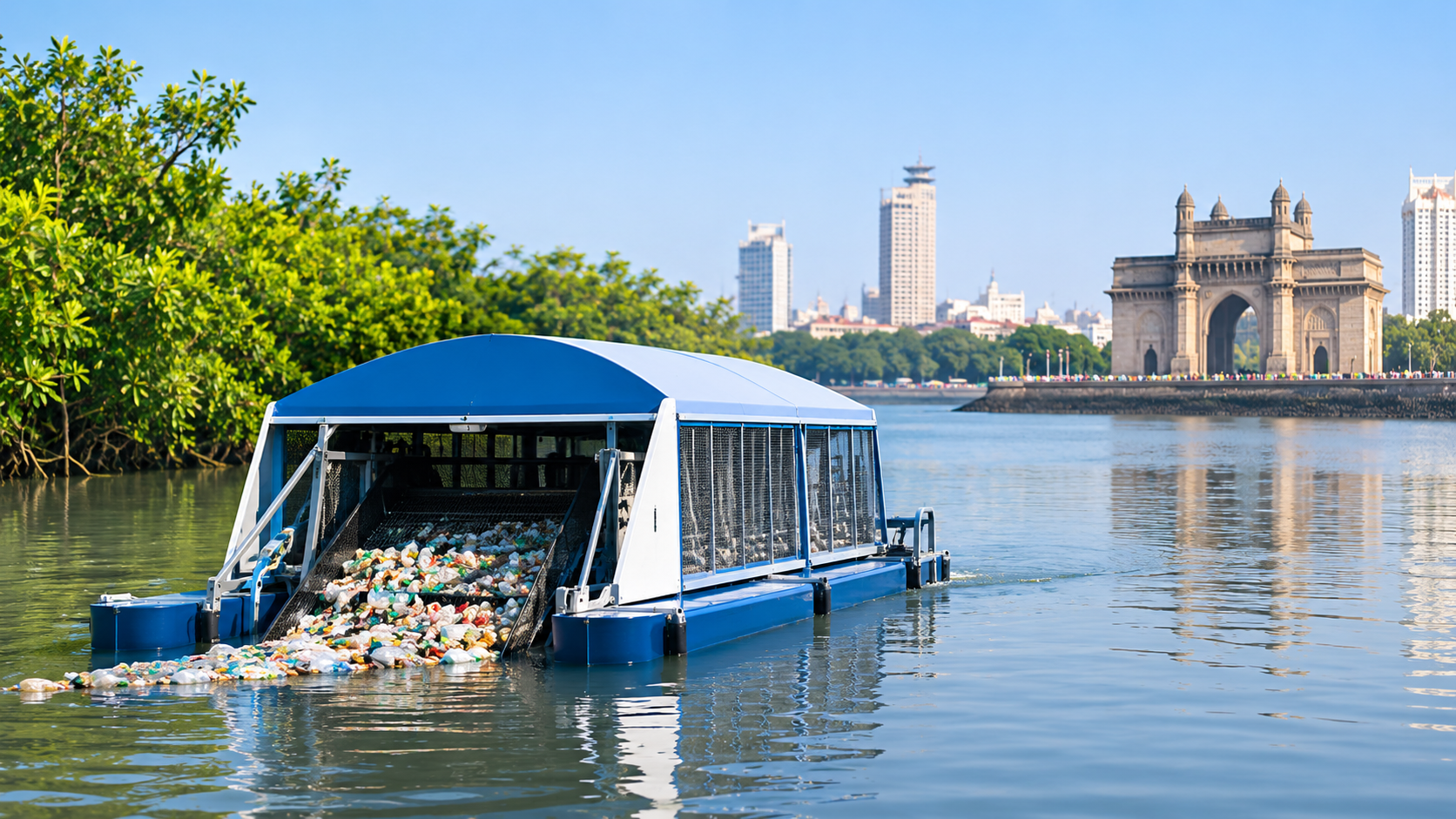
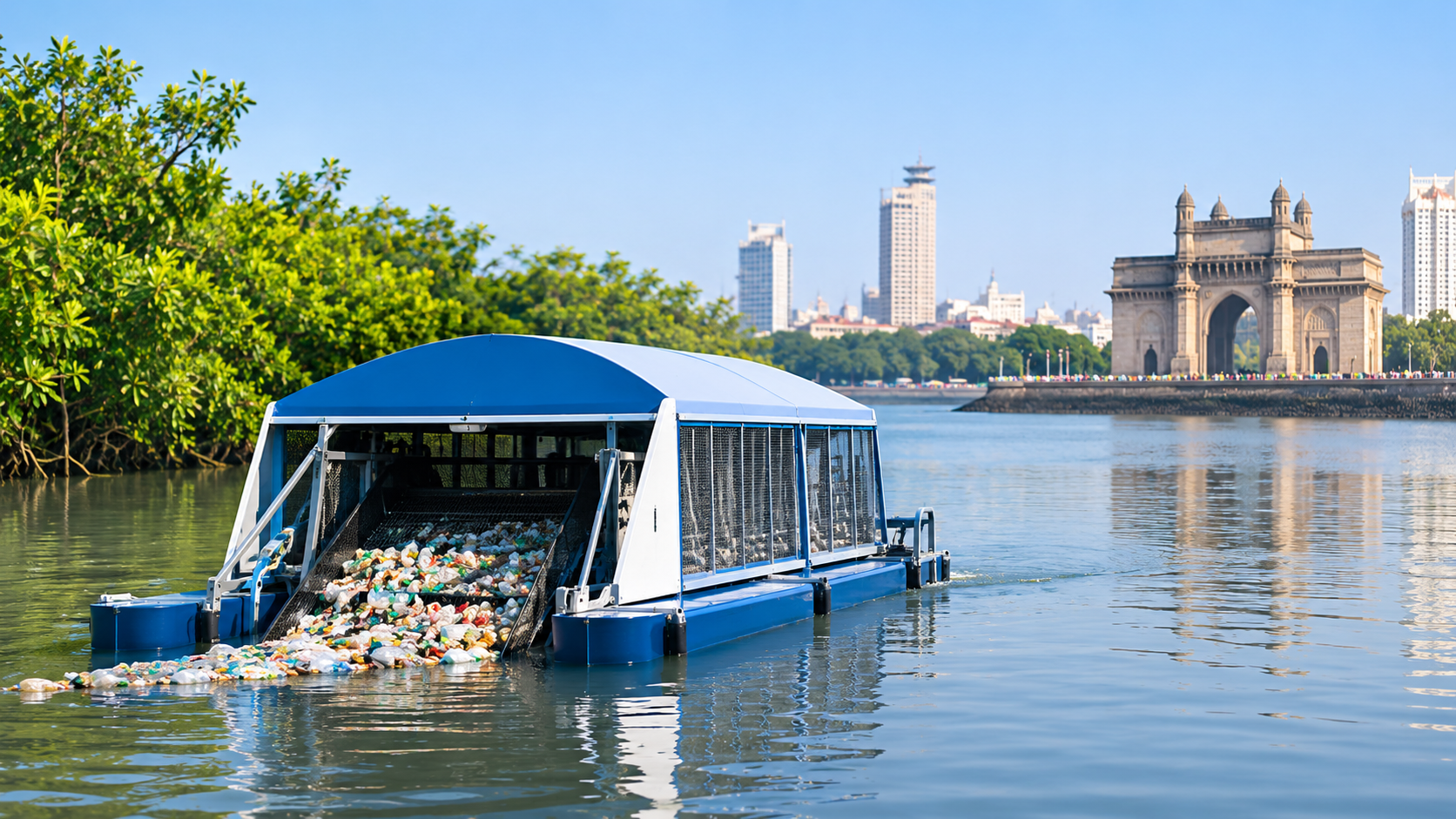
Mumbai, November 18, 2026: Global non-profit organisation The Ocean Cleanup has signed a Memorandum of Understanding (MoU) with the Brihanmumbai Municipal Corporation (BMC) to expand its operations across Mumbai. The agreement provides nine additional permits for Interceptor deployments, enabling the organisation to extend its efforts to prevent plastic waste from entering the Arabian Sea.
The agreement follows the deployment of The Ocean Cleanup’s Interceptor systems at Trombay Creek and Malad Creek earlier this year. As of September 2026, the two systems had collectively removed 119.5 tonnes of waste, including 102 tonnes from Trombay Creek and 17.5 tonnes from Malad Creek. The organisation works in Mumbai with local implementation partners Plastic Fischer and United Way Mumbai.
Commenting on the development, Boyan Slat, Founder and CEO of The Ocean Cleanup, said, “Mumbai is an important part of our efforts to tackle riverine plastic pollution, and the successful operation of our Interceptors in Trombay and Malad marks a significant step forward. Having removed nearly 120 tonnes of waste, we have demonstrated what targeted river interception can achieve on the ground. Our partnership with the BMC will be instrumental in building on this progress, enabling us to expand into additional waterways and reach more sources of plastic pollution before waste can enter the ocean.”
Smt. Ashwini Bhide, Municipal Commissioner, Brihanmumbai Municipal Corporation, said, “The Brihanmumbai Municipal Corporation is committed to protecting Mumbai’s rivers, mangroves, and marine ecosystems through a combination of innovative solutions, strong civic action, and strategic partnerships. Our collaboration with The Ocean Cleanup is an important step in preventing plastic waste from reaching the ocean and safeguarding the city’s coastal environment. As part of BMC’s broader environmental agenda, this initiative complements our ongoing efforts towards sustainable waste management, mangrove conservation, and the long-term resilience of Mumbai’s waterways and coastline.”
The Mumbai deployments are part of The Ocean Cleanup’s 30 Cities Program, which aims to reduce plastic emissions from some of the world's most polluting cities into the oceans by up to one-third by the end of the decade.
Expanding operations and community engagement
The initiative also involves community-level efforts to address waste management practices in areas surrounding the Interceptor sites. United Way Mumbai is working with communities near Trombay and Malad to promote household waste management, segregation, doorstep collection and the prevention of littering.
George Aikara, CEO, United Way Mumbai, said, "An Interceptor stops waste at the creek, but keeping Mumbai’s waterways clean also depends on what happens in the neighbourhoods upstream. United Way Mumbai has partnered with The Ocean Cleanup to work with communities living beside the Interceptors at Trombay and Malad, explaining how the solution works and building everyday habits: managing and segregating waste at home, handing it to the doorstep collection service, and preventing littering. As of 31st October 2026, we have sensitised individuals from 715 Households at these locations and 324 college youth across Mumbai. This is our Climate Action commitment and our guiding principle of ‘Social Impact. Done Right’ in practice: a proven technology matched by community ownership that sustains it. We are committed to scaling this effort as The Ocean Cleanup expands across Mumbai."
The initiative has also received support from AT Capital and The Optiver Foundation, which have invested in The Ocean Cleanup's work in India.
Karsten Hirsch, CEO and Founder of Plastic Fischer, said, “Deploying two systems in Mumbai right before monsoon season resulted in nearly 120 tonnes less waste in our oceans in just a few months. This shows the potential of this partnership with nine new permits, we look forward to scaling up together in Mumbai.”
Arvind Tiku, Founder, AT Capital, said, "Climate change is the defining challenge of our time, and protecting the environment is a responsibility we all share. Funding The Ocean Cleanup’s Interceptor at Trombay Creek has shown us how a targeted, technology-driven solution can change a waterway. The BMC’s support has helped make that possible. We hope to see this work grow to keep plastic out of the ocean and protect India’s coastlines and the communities that depend on them,”
Sam Hinds, Chair, Optiver Foundation, said, “The Ocean Cleanup is exactly the kind of nature-positive, data-driven organisation the Optiver Foundation is proud to support, and we are pleased to see the interceptor we funded actively removing waste from Malad Creek. Combined with strong support from BMC, it shows how early investment in innovative, scalable technology can help stop plastic from reaching the ocean,”
According to research by The Ocean Cleanup, Mumbai releases nearly 5 million kilograms of plastic waste into the Arabian Sea and the wider Indian Ocean annually. The organisation estimates that its Interceptor impact zones in Mumbai will cover approximately 180 square kilometres of critical biodiversity systems, including mangrove forests, coral reefs and seagrass beds, along with around 4,700 square kilometres of coastal waters. The programme aims to address pollution-related impacts on livelihoods, tourism and public health among the 1.9 million people dependent on these coastal ecosystems.
Globally, The Ocean Cleanup reports that it has removed more than 69 million kilograms of waste from oceans and rivers, with 26 Interceptors deployed across 12 countries. With the nine additional permits secured under the MoU, the organisation will work with BMC to plan the next phase of its Mumbai operations, building on its work at Trombay and Malad.