
RSPL Welfare Foundation Inaugurates Carbon Garden at Gurugram College
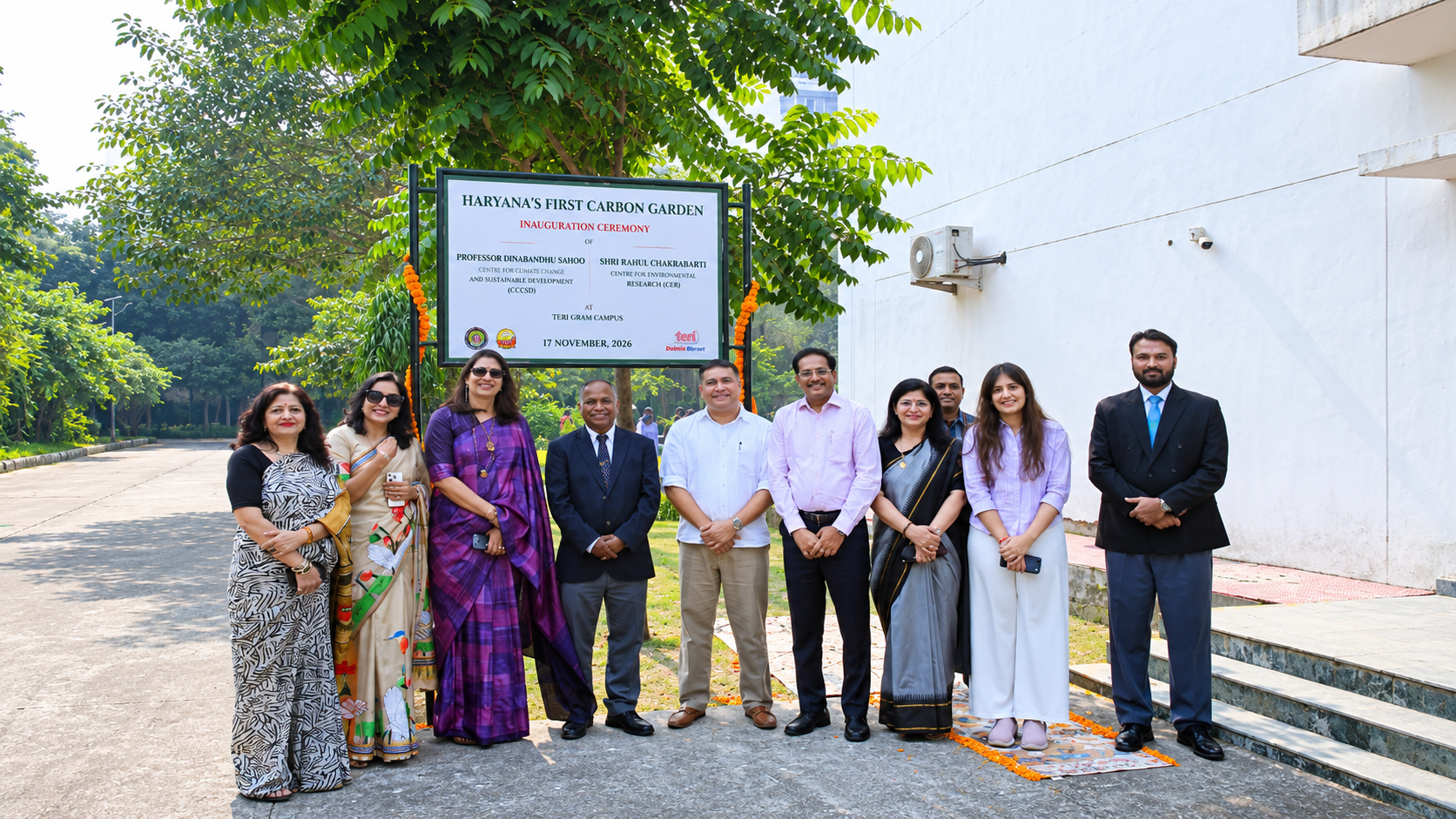
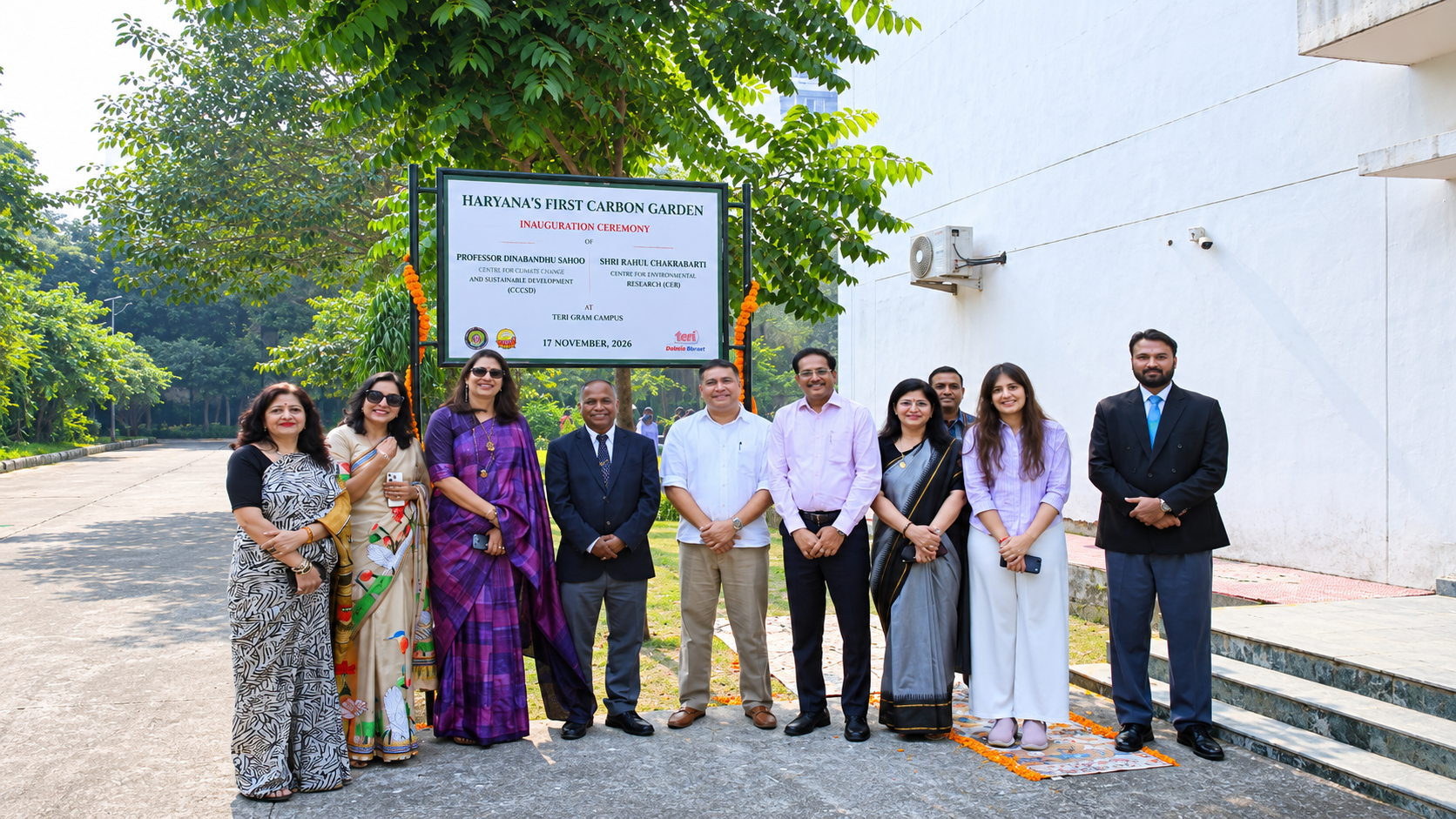
Gurugram, November 17, 2026: RSPL Welfare Foundation, in collaboration with Government Girls College, Sector 52, Gurugram, has inaugurated a Carbon Garden on the college campus. The initiative aims to expand green cover, support biodiversity and promote environmental awareness among students through a dedicated space for ecological learning.
The garden has been developed with a diverse selection of plants suited to local climatic conditions, based on recommendations from the college's Botany faculty. Inspired by the Carbon Garden model established at the University of Delhi, the initiative brings together herbal and flowering plants to support carbon capture and create awareness about ecological conservation.
The inauguration ceremony was attended by Professor Dinabandhu Sahoo, Chairperson of the Research, Innovation and Entrepreneurship Council and Head of Department at the University of Delhi, who is also the Founder of India's first Carbon Garden. He spearheaded the establishment of the University of Delhi's Carbon Garden in September 2026.
Shri Rahul Gyanchandani, Joint Managing Director, RSPL Group, attended as the Guest of Honour. Other attendees included Ms. Kushalta Gyanchandani, Mr. Sushil Kumar Bajpai, Director (Finance & Corporate Affairs), RSPL Group, and senior dignitaries, faculty members and students.
Ms. Indu Rao, Principal, Government Girls College, Sector 52, Gurugram, welcomed the dignitaries and acknowledged the support of RSPL Welfare Foundation and its partners in bringing the initiative to the campus. She also highlighted the opportunities the garden would provide for students to engage with environmental learning and sustainability practices.
Speaking at the inauguration, Shri Rahul Gyanchandani, Joint Managing Director, RSPL Group, said, "Environmental sustainability requires sustained commitment and meaningful action, particularly as our cities and communities navigate growing ecological challenges. At RSPL Welfare Foundation, we believe that initiatives such as Carbon Gardens can play an important role in bringing environmental action closer to communities, while creating opportunities for learning and participation. Our collaboration with Government Girls College, Gurugram, reflects our commitment to supporting practical, locally relevant initiatives that contribute to a greener future. We also believe that greater emphasis must be placed on Individual Social Responsibility (ISR), as every individual has a role to play in protecting the environment. Collective action begins with personal responsibility, and by adopting sustainable practices in our daily lives, each of us can contribute meaningfully to a healthier and more sustainable future. We hope this initiative inspires students to understand their role in protecting the environment and encourages similar efforts across other institutions and communities."
Highlighting the ecological and educational significance of the project, Prof. Dinabandhu Sahoo said, "Carbon Gardens offer an opportunity to translate environmental awareness into practical action by demonstrating the role that thoughtfully designed green spaces can play in supporting biodiversity and carbon capture. It is particularly encouraging to see RSPL Welfare Foundation become the first corporate to come forward and extend CSR support towards the development of a Carbon Garden, in collaboration with Government Girls College, Gurugram, drawing inspiration from the model established at the University of Delhi. This initiative also lays the foundation for greater corporate participation and CSR-led support in developing Carbon Gardens in the future. Such collaborations between academic institutions and organisations are important in creating spaces where students can engage with ecological concepts first-hand and develop a deeper understanding of environmental sustainability."
The garden's planting includes Ginkgo Biloba, also known as the Maidenhair Tree, and the Rudraksh tree, along with medicinal plant groups such as algae, bryophytes, gymnosperms and angiosperms. Ginkgo Biloba is described as a living fossil, with its lineage dating back millions of years.
The initiative focuses on supporting carbon sequestration through high-density planting, expanding campus green cover and promoting biodiversity. The diverse plant selection is also intended to support soil health, moisture retention and the local ecosystem. Educational nameplates displaying the common and botanical names of plant varieties have been installed to make the garden an interactive outdoor learning space.
Through the project, RSPL Welfare Foundation aims to encourage collaboration between corporate organisations and educational institutions in developing accessible spaces for environmental learning and strengthening sustainability awareness among young people.