
SBI Foundation and CBM India Support 3,000 Cataract Surgeries in Howrah
Kolkata, March 12, 2026: The SBIF Eye Care project, a joint initiative by SBI Foundation and CBM India, has supported 3,000 cataract surgeries across Howrah district in West Bengal, aiming to reduce avoidable blindness among underserved communities. Since its launch in March 2024, the project has also screened more than 40,000 people for eye conditions, distributed 400 free spectacles, and reached over three lakh individuals through awareness and community outreach programmes across 12 blocks of the district.
Cataracts remain one of the leading causes of blindness globally. In districts like Howrah, limited access to eye care services, low awareness about symptoms and treatment, and inadequate follow-up care often prevent people from receiving timely medical intervention. The SBIF Eye Care project was designed to address these challenges through a community-based, inclusive eye care model.
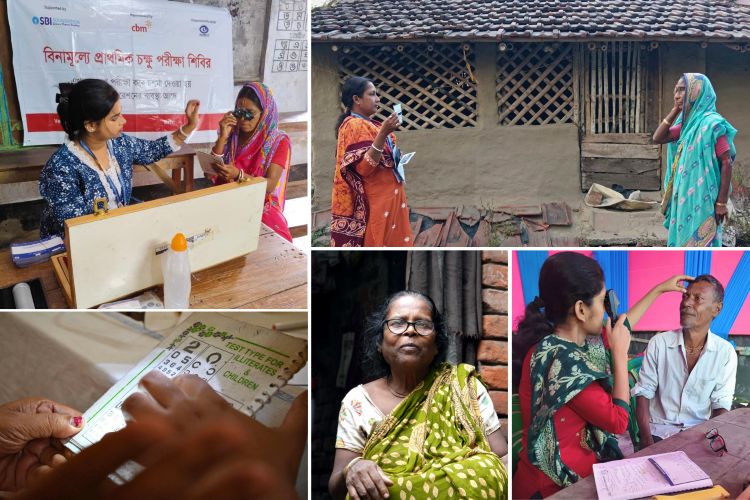
Under the initiative, door-to-door screenings, awareness campaigns and CBM India’s network of inclusive vision centres have been used to identify individuals with eye conditions. Those requiring treatment were referred to empanelled hospitals for cataract surgery and post-operative follow-up care.
The programme has focused particularly on people from low-income groups and marginalised communities, including persons with disabilities, ensuring access to free cataract surgeries and related medical support.
Sony Thomas, Executive Director, CBM India Trust, said, “Cataracts remain one of the leading causes of preventable blindness in India and the world, yet the surgery to treat this condition is straightforward and highly effective. For many people, however, factors such as geography, income, misconceptions about vision loss, or other considerations mean they never receive it. Through this partnership with SBI Foundation, we were able to change that in Howrah by identifying people who required cataract surgery and ensuring they underwent the procedure. The results of this project speak for themselves.”
The project’s impact is also reflected in the experiences of beneficiaries. Ms. Brinda, a 65-year-old homemaker, shared, “The surgery gave me my old life back. I want to hold my grandson’s hand and walk him to school every day.”
Mr. Ganesh, a 60-year-old farmer, said, “I can see the world clearly now. I can work in my fields, read, and live without depending on others. I feel young again.”
The family of Mr. Banshi, a 62-year-old farmer, who underwent surgery through the programme, added, “We are glad that he is more confident now, and does not feel low anymore. He has got his second sight and is very happy.”
The initiative highlights how collaboration between corporate foundations and civil society organisations can complement government efforts to address preventable blindness. The project’s integrated approach—combining community outreach, screening, treatment and follow-up care—offers a model that could be replicated in other regions to strengthen inclusive eye care delivery in India.