Why Water Stewardship Is Now a Business Priority for Malls
As India’s urban landscape grows and consumption patterns evolve, shopping malls are no longer just retail destinations, they are complex ecosystems that mirror the demands of modern cities. With rising footfalls, expanding infrastructure, and increasing pressure on natural resources, the need for sustainable operations has never been more urgent. Among these challenges, water management is fast emerging as a critical concern, especially in a country already facing significant water stress.
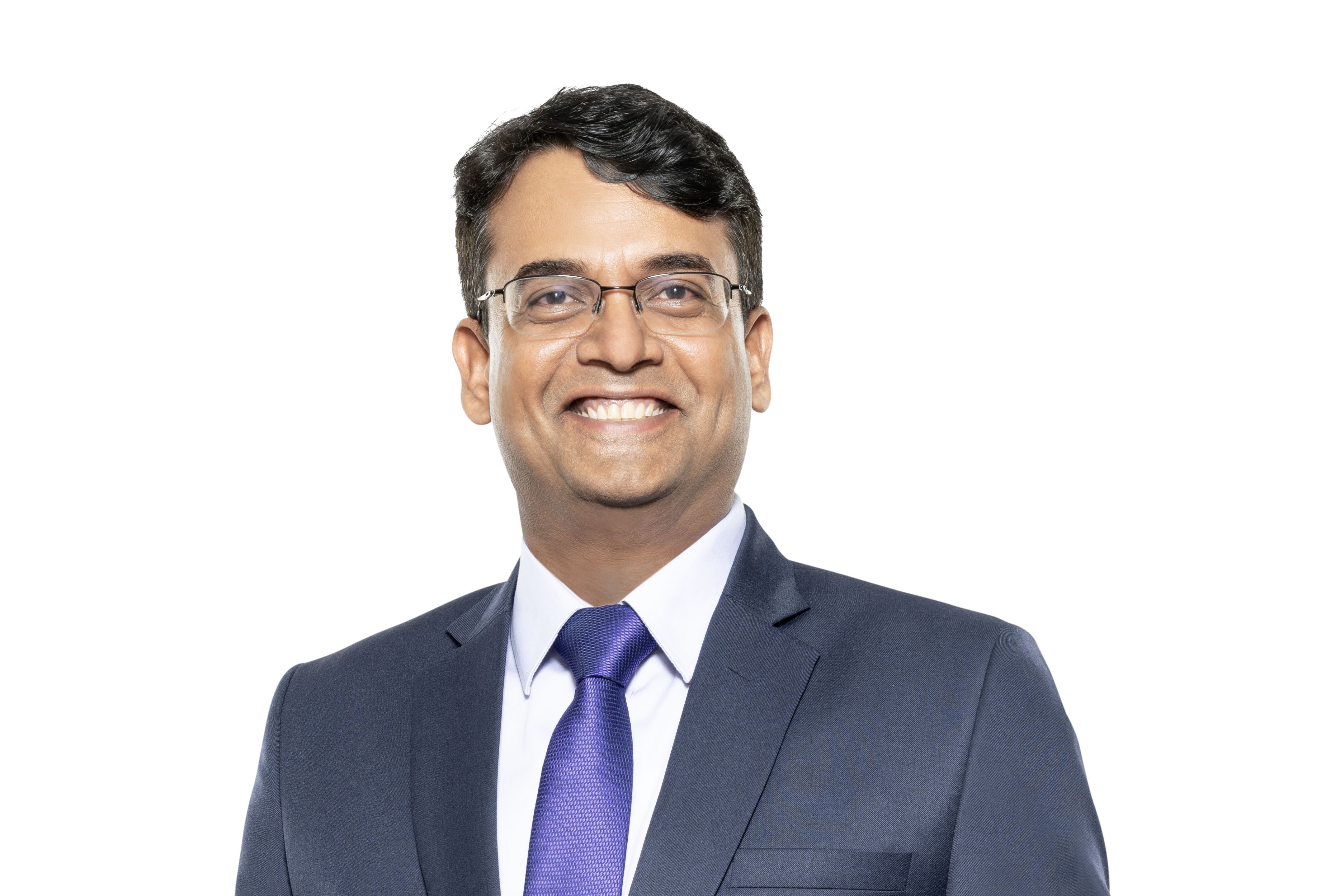
Nexus Select Trust, India’s first listed retail REIT, offers a compelling lens into how the sector is responding to this reality. With a vast portfolio of urban consumption centres, the organisation is rethinking how water is used, reused, and conserved across its operations. In this article, Nilesh Singh, Senior Vice President – ESG and Business Excellence at Nexus Select Trust, highlights why water stewardship is no longer optional, but a business imperative that directly shapes resilience, efficiency, and long-term value in retail real estate.
Read on to know more about why water stewardship is becoming essential for modern retail spaces.
Water is rapidly emerging as one of the defining resource risks for businesses worldwide. A McKinsey report estimates that global water demand could exceed supply by 40% by 2030, with nearly half the world’s population living in water-stressed regions. In India, the challenge is even more acute. According to NITI Aayog, the country’s water demand could be twice the available supply by 2030, with several major cities already approaching critical thresholds.
For large urban assets such as shopping malls, spaces designed to host thousands of people every day water security is no longer an environmental talking point. It is becoming a core operational and business priority. On a typical weekend, a major mall in an Indian metro can attract thousands of visitors, with footfalls increasing significantly during festive seasons or major sale events. These destinations operate like mini-cities, they require air-conditioning across millions of square feet, restrooms for thousands of visitors, landscaped outdoor areas, and busy food courts serving hundreds of meals every hour.
The scale of water consumption that enables this ecosystem is significant. A mid-sized 10-lakh-square-foot mall can generate 3–5 lakh litres of sewage every day, making efficient water management not only a sustainability requirement but also an operational necessity. Recent events underline the urgency of this challenge. In parts of Delhi last year, water shortages forced some prominent malls to restrict washroom access, after regulatory actions impacted groundwater-based tanker supply. Such situations illustrate how water scarcity can quickly move beyond being a municipal issue to one that directly affects customer experience, tenant operations, and brand perception.
For businesses that depend on seamless visitor experiences, water stewardship has therefore evolved from compliance to risk management and resilience building.
Moving from compliance to stewardship
Commercial real estate in India already operates within a regulatory framework that mandates sustainability practices. Large projects with built-up areas exceeding 20,000 sq. metres must obtain environmental clearance and comply with requirements such as sewage treatment plants, rainwater harvesting systems, and energy audits. Many modern malls today also pursue green building certifications, which incorporate water efficiency measures into design and operations. However, the scale of the water crisis demands that organisations move beyond individual interventions toward integrated water stewardship strategies.
Across the retail real estate sector, several best practices are increasingly becoming standard:
Closed-loop water systems:
On-site sewage treatment plants (STPs) allow wastewater generated within the mall to be treated and reused for landscaping, flushing, and cooling tower operations.
Across our portfolio, wastewater treatment and reuse systems enable the recycling of over 615,000 KL of wastewater annually, significantly reducing dependence on freshwater sources and strengthening operational resilience.
Rainwater harvesting and aquifer recharge:
Well-designed harvesting systems capture monsoon rainfall from large roof areas and parking decks, enabling groundwater recharge and reducing stormwater runoff.
Water-efficient fixtures:
Sensor-based taps, aerators, and low-flow plumbing fixtures reduce water consumption without compromising visitor comfort.
Smart monitoring systems:
Digital metering and IoT-enabled monitoring allow facility teams to track water consumption across the property in real time, detect leaks, and optimise usage patterns.
Together, these measures are helping retail assets transition toward circular water management, where water is treated as a resource to be reused and conserved rather than simply consumed.
The role of malls as urban influencers
Beyond operational efficiency, malls occupy a unique position within the urban ecosystem. They are not merely commercial properties; they are community spaces that shape consumer behaviour. With millions of visitors walking through their doors every year, malls have the opportunity to make sustainability visible and relatable. Simple interventions, informational signage, public awareness campaigns, or visible infrastructure such as water recycling plants can help turn sustainability into a shared responsibility between operators, retailers, and consumers.
At Nexus Select Trust, we believe that sustainability must extend beyond operational boundaries and contribute to the ecological health of the communities we operate in. One example of this philosophy is our “Lakes of Happyness” initiative, which focuses on restoring and rejuvenating urban water bodies around our malls. Urban lakes play a critical role in maintaining groundwater levels, supporting biodiversity, and regulating city microclimates. Unfortunately, many of them have suffered from neglect and encroachment. Through collaborative efforts with local authorities and community partners, the initiative works toward reviving these ecosystems and strengthening urban water resilience.
Through our Lakes of Happyness initiative, we have rejuvenated 10 lakes across India, restoring over 200 acres of water bodies and benefiting thousands of local residents and biodiversity ecosystems. We aim to rejuvenate 15 lakes by FY 2027.
Projects like these remind us that water stewardship cannot be limited to managing consumption within property boundaries. It must also contribute to restoring the natural systems that sustain our cities.
Water as a strategic ESG metric
Water risk is also increasingly being recognised by investors and regulators. Global real estate funds with exposure to emerging markets now evaluate assets for water scarcity risks, regulatory vulnerabilities, and reputational implications. In India, the Business Responsibility and Sustainability Reporting (BRSR) framework introduced by SEBI has further accelerated this shift by bringing water consumption, recycling, and conservation into the mainstream of corporate disclosures. As a result, water management is becoming an important indicator of long-term asset resilience.
The journey, however, is not without challenges. Investments in recycling infrastructure can be capital intensive. Many cities still rely heavily on tanker water due to unreliable municipal supply. Data visibility and behavioural change across large operational ecosystems remain ongoing work. Yet, the direction is clear.
Building resilient urban infrastructure
As India’s cities continue to expand and consumption patterns evolve, large commercial hubs such as malls will play a central role in shaping sustainable urban infrastructure. Those that invest early in water stewardship will not only reduce operational risks but also position themselves as responsible partners in the development of resilient cities.
In the coming decade, the success of retail real estate will increasingly depend on how intelligently it manages essential resources. Among them, water may well prove to be the most critical.







.JPG)