Women Leaders Building Institutions for Lasting Social Impact

As conversations around gender equity gain renewed momentum each March, we at TheCSRUniverse have curated this special feature to spotlight women leaders who are shaping impact far beyond their individual organisations. In the spirit of this year’s International Women’s Day theme, “Give To Gain”, the voices featured here reflect how leadership rooted in purpose, collaboration, and community engagement creates lasting change. Across sectors such as healthcare, climate action, livelihoods, finance, and social development, these leaders are not merely running successful enterprises but are building institutions that strengthen systems and expand opportunities. Their journeys demonstrate how investing in people, ideas, and ecosystems ultimately multiplies impact for communities and future generations.
Women Building Institutions, Not Just Enterprises
In the evolving landscape of Indian business and social impact, a distinct shift is underway. The narrative is moving away from transient market successes toward the construction of enduring systems. Women leaders across sectors are no longer content with merely building enterprises that generate profit. They are focused on building institutions that generate legacy. This transition from product centric thinking to institution building requires a fundamental rewiring of leadership lenses, where emotional truth, systemic equity, and long term sustainability take precedence over short term SKUs and quarterly targets.
.jpeg.jpeg) When Anushree Dewen, Head of Marketing & Innovation, Godrej Foods Ltd, moved into the food category, she realized that while innovation was happening for convenience and scale, the industry was not grounding itself in the emotional truth of food in India. A moment during a home immersion, where an elderly mother told her, "Whatever you feed, feed it with your heart," shifted her leadership lens. She stopped thinking only in terms of market gaps and started asking whether products respected the emotional contract of care, identity, and dignity. For Dewen, stepping into leadership became about building an institution that preserves that connection while delivering convenience, because that is what builds lasting trust.
When Anushree Dewen, Head of Marketing & Innovation, Godrej Foods Ltd, moved into the food category, she realized that while innovation was happening for convenience and scale, the industry was not grounding itself in the emotional truth of food in India. A moment during a home immersion, where an elderly mother told her, "Whatever you feed, feed it with your heart," shifted her leadership lens. She stopped thinking only in terms of market gaps and started asking whether products respected the emotional contract of care, identity, and dignity. For Dewen, stepping into leadership became about building an institution that preserves that connection while delivering convenience, because that is what builds lasting trust.
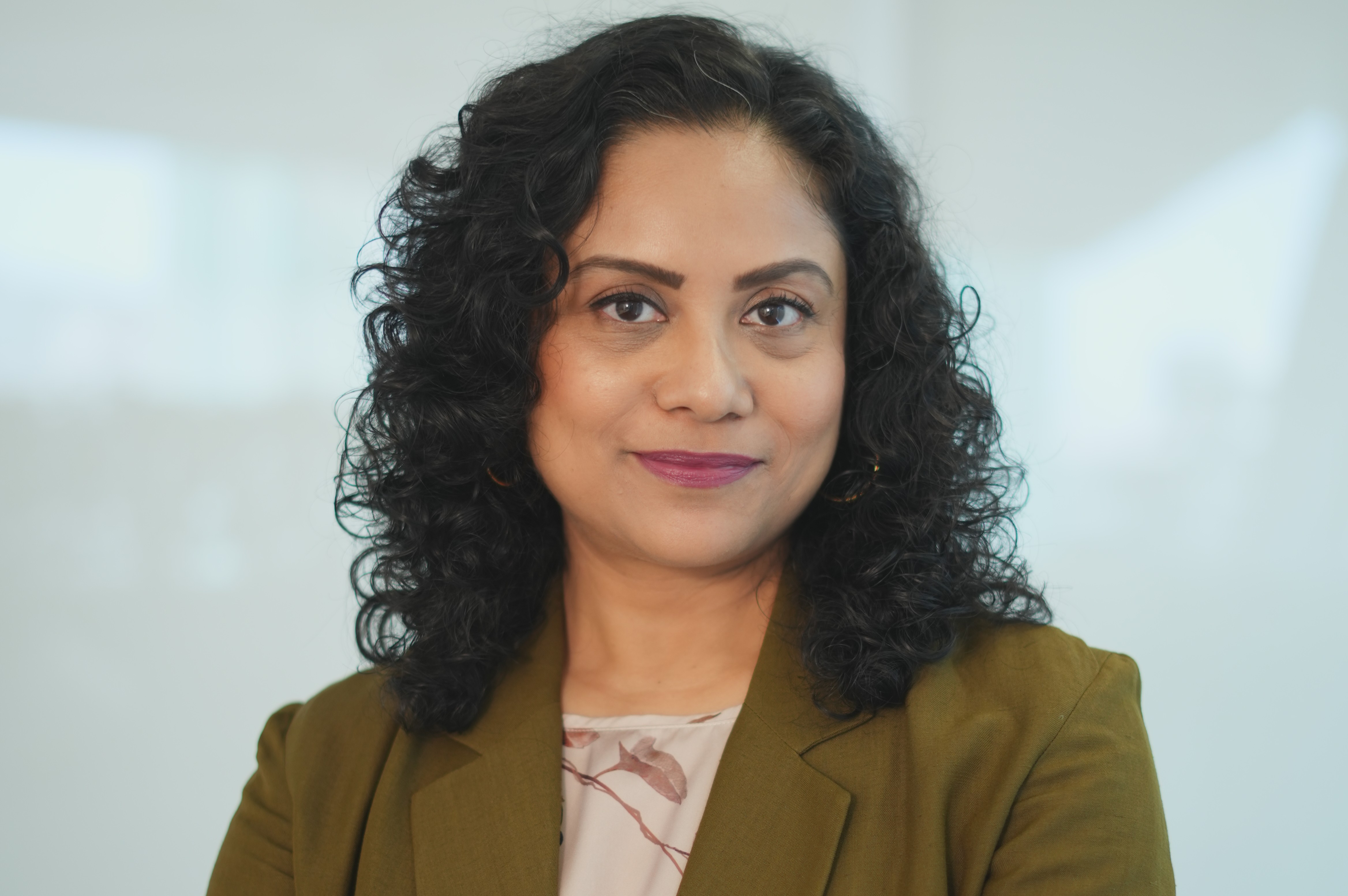 This sentiment is echoed by Suranjana Ghosh, Head, Marico Innovation Foundation, who views leadership as orchestrating the successful translation of a company's inspiring vision for growth and impact at scale. Across her diverse roles, from FMCG to social impact, the common factor has been an alignment of the organisation's mission and personal values.
For Ghosh, leadership is not about having all the answers but about staying grounded and being willing to roll up one's sleeves. She believes a leader is only as good as the team they work with, requiring reciprocity to deliver on time with high quality. This foundational alignment of values and team dynamics sets the stage for institution building, where purpose is not an add on but the core operating system.
 The Foundation of Dignity and Agency
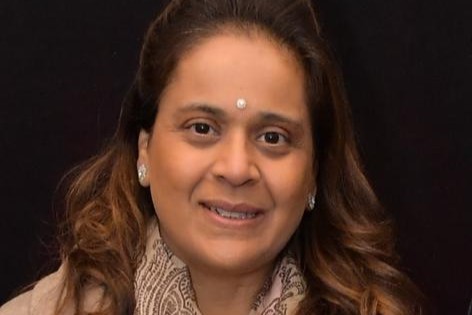
The distinction between an enterprise and an institution often lies in how people are treated within the ecosystem. Are they beneficiaries, or are they stakeholders? Ritu Prakash Chhabria, Managing Trustee, Mukul Madhav Foundation, the CSR arm of Finolex Industries, observed early in her grassroots work that women were receiving support, but rarely dignity, agency, or continuity. Interventions often stopped at relief rather than building systems women could rely on for the long term. This compelled her to move beyond charity and create institution led solutions where women are not merely beneficiaries, but stakeholders and decision makers. True empowerment, she argues, lies in recognising women not as recipients of support, but as equal partners in shaping families, communities, and institutions.
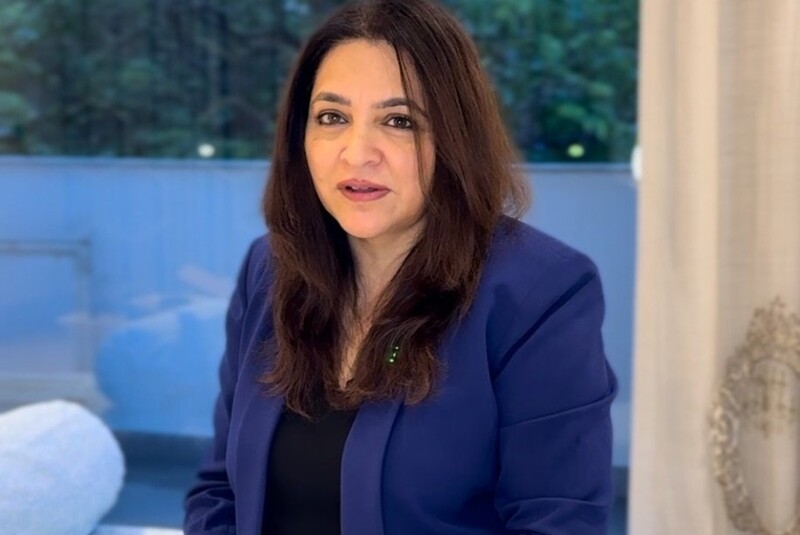 In the healthcare sector, this drive for dignity is equally potent. Dr Manika Khanna, CEO and Founder at Gaudium IVF, saw an infertility landscape wired with deep stigma and unequal access. Her own first successful IVF case helped her see the depth of joy it may bring, as well as the massive loopholes in science oriented care. She established Gaudium IVF to create a chain that is not only technologically advanced but also caring, compassionate, and accessible. For Khanna, scale and outcomes should never take precedence over purpose. She monitors success not just by pregnancy rates, but by patient satisfaction and diminishing stigma. She reminds her teams that they are developing a legacy of hope, not numbers, ensuring performance is purposeful and sustainable.
.jpg.jpg) Similarly, Edyta Kurek, Senior Vice President and Head, Oriflame India and Indonesia, identified a paradox where women form the backbone of the beauty and wellness economy but are not always positioned at the centre of financial power within it. At Oriflame, she saw the opportunity to build pathways where women are not just consumers of beauty, but creators of economic value. She views social selling, when built responsibly, as a system that enables entrepreneurship at the grassroots level. For Kurek, leadership was about strengthening that system, ensuring it is ethical, scalable, and capable of unlocking independent income. Today, over 80% of their brand partners are women, proving that purpose and performance are deeply interconnected.
Similarly, Edyta Kurek, Senior Vice President and Head, Oriflame India and Indonesia, identified a paradox where women form the backbone of the beauty and wellness economy but are not always positioned at the centre of financial power within it. At Oriflame, she saw the opportunity to build pathways where women are not just consumers of beauty, but creators of economic value. She views social selling, when built responsibly, as a system that enables entrepreneurship at the grassroots level. For Kurek, leadership was about strengthening that system, ensuring it is ethical, scalable, and capable of unlocking independent income. Today, over 80% of their brand partners are women, proving that purpose and performance are deeply interconnected.
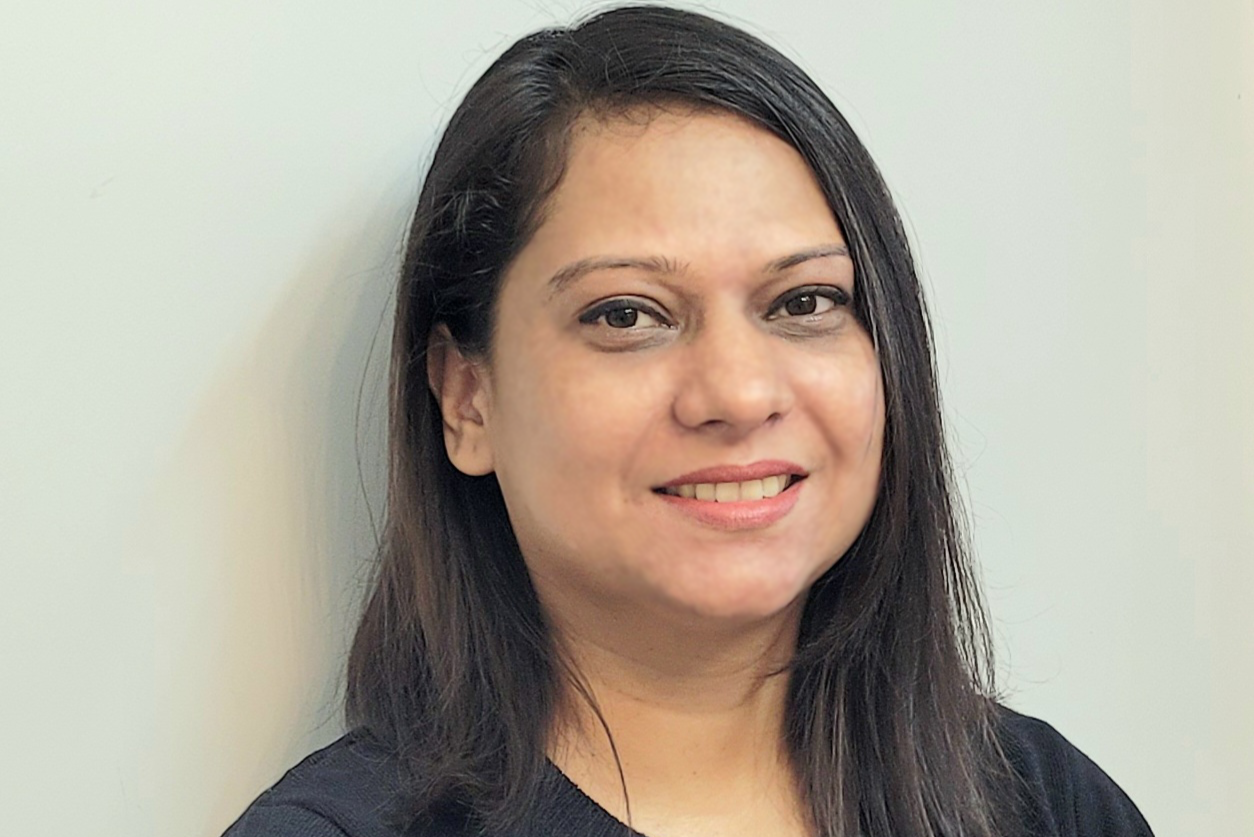
In rural ecosystems, Saranya Pradhan, Head, Sustainability & Corporate Communications, McCain Foods India, has often seen a paradox where women do tremendous work on farms and in households, yet very little translates into economic recognition. She recalls a woman telling her, "Hum kaam bahut karte hain, par paisa aur faisla dono kisi aur ke haath mein hota hai". This reinforced her belief that the real opportunity lies in creating platforms where women can participate in the economy with confidence and dignity. Programmes like Project Shakti, Utthan, and Saksham were designed to move from short term support to building systems where women organise, earn, and lead collectively.
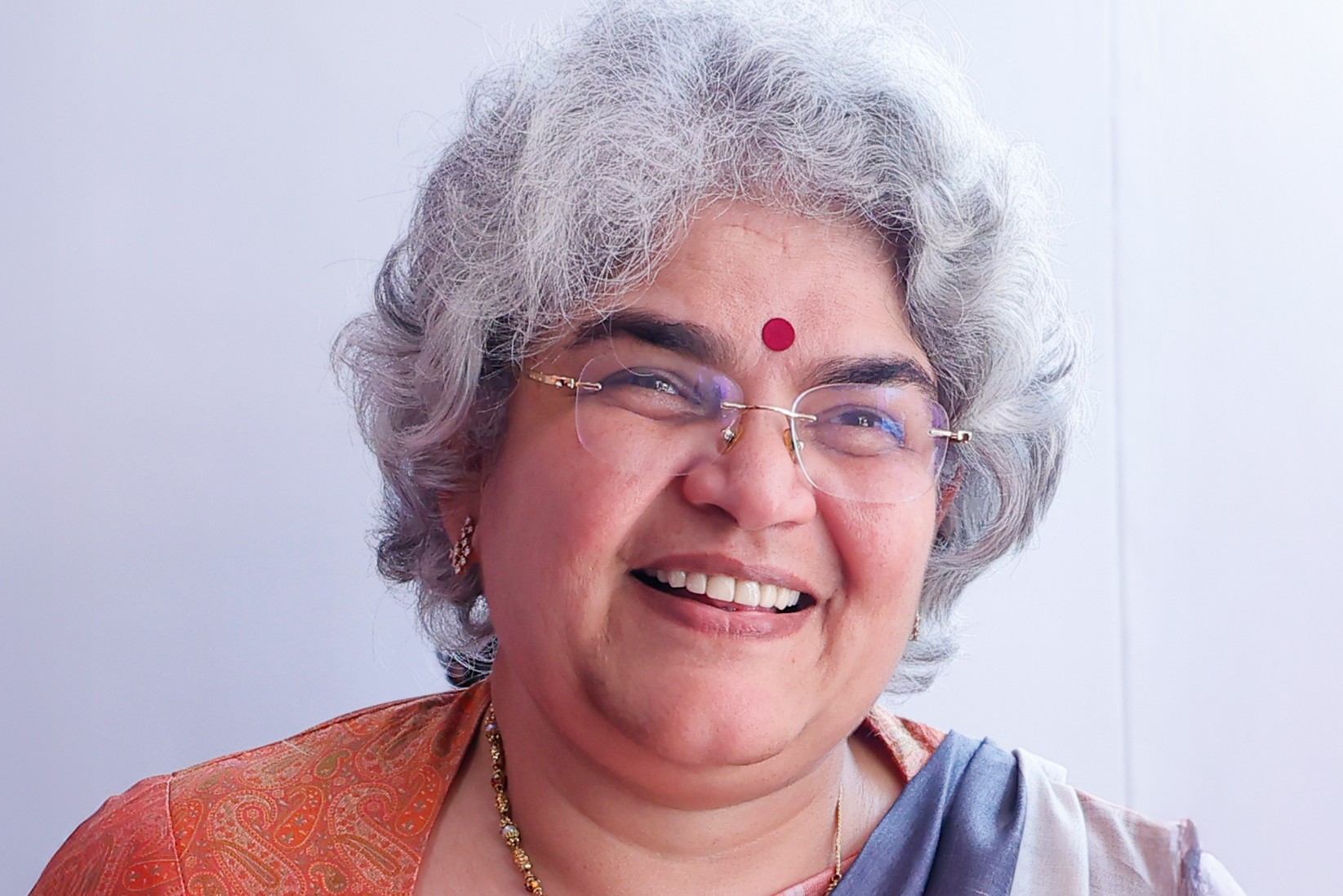 Dr. Gayathri Vasudevan, Chief Impact Officer, Sambhav Foundation, adds that women everywhere are negotiating work, care, safety, and aspiration within systems that are still evolving. She notes that if we want meaningful progress, we must invest in structural access, including accessible skilling, safe hostels, and pathways into gig roles, particularly for women who are navigating mobility constraints, informal work, or other structural barriers. But skilling alone is insufficient. Capacity building must work in tandem, including health security and economic literacy. When skilling, capacity building, and market integration are designed together, outcomes are measurable and decision making power shifts within households.
.jpg.jpeg.jpeg) Dr. Rashmi Ardey, Director Programme (Health), Smile Foundation, emphasizes that individual leadership alone is not enough. Across three decades in healthcare, she witnessed persistent inequities in access, infrastructure, and awareness that disproportionately affect vulnerable communities. She argues we need more inclusive decision making spaces, stronger mentorship networks for women, and institutional cultures that actively support diverse leadership pathways. Her focus has been on building institutions where purpose is embedded in everyday systems through strong programme design and accountability mechanisms that prioritize both results and people.
Dr. Rashmi Ardey, Director Programme (Health), Smile Foundation, emphasizes that individual leadership alone is not enough. Across three decades in healthcare, she witnessed persistent inequities in access, infrastructure, and awareness that disproportionately affect vulnerable communities. She argues we need more inclusive decision making spaces, stronger mentorship networks for women, and institutional cultures that actively support diverse leadership pathways. Her focus has been on building institutions where purpose is embedded in everyday systems through strong programme design and accountability mechanisms that prioritize both results and people.
The Leadership Mindset: Confidence and Resilience
Building institutions requires a specific type of leadership confidence, one that embraces doubt and leverages collective thinking. Early in her career, Anushree Dewen assumed strong leaders always had the right answers. That belief shifted during a high stakes launch review where departments were divided. Instead of forcing a decision, she paused and asked what problem they were solving for the consumer. Reframing the conversation around consumer value changed the tone of the room. That moment strengthened her confidence because she realised leadership is less about having all the answers and more about creating clarity and holding space for better collective thinking.
Suranjana Ghosh draws her confidence from the lessons learned from seniors and the grit of her team. She is inspired by mentors who led by example and never hesitated to be in the trenches. For her, a leadership journey is primarily about staying grounded and having the grace to celebrate wins while retaining the humility to keep learning. This resilience is crucial when facing new challenges.
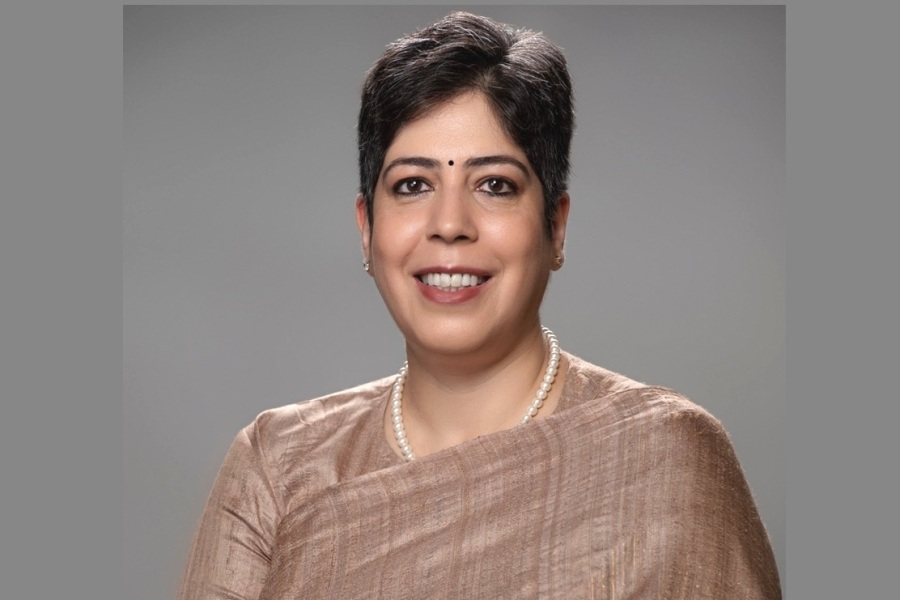 Puja Trisal, Director, Flipkart Foundation, found that one of the biggest shifts in her leadership journey came from recognising the importance of deeply understanding the work. When you invest the time to truly know your space, it builds both confidence and credibility. She also found that planning with the end goal in mind helps maintain clarity of purpose, especially in the social impact space. Equally important is building trust and transparency within teams. When people feel trusted and aligned around a shared goal, the quality of ideas improves significantly. For Trisal, lasting impact is built through clarity, collaboration, and collective ownership.
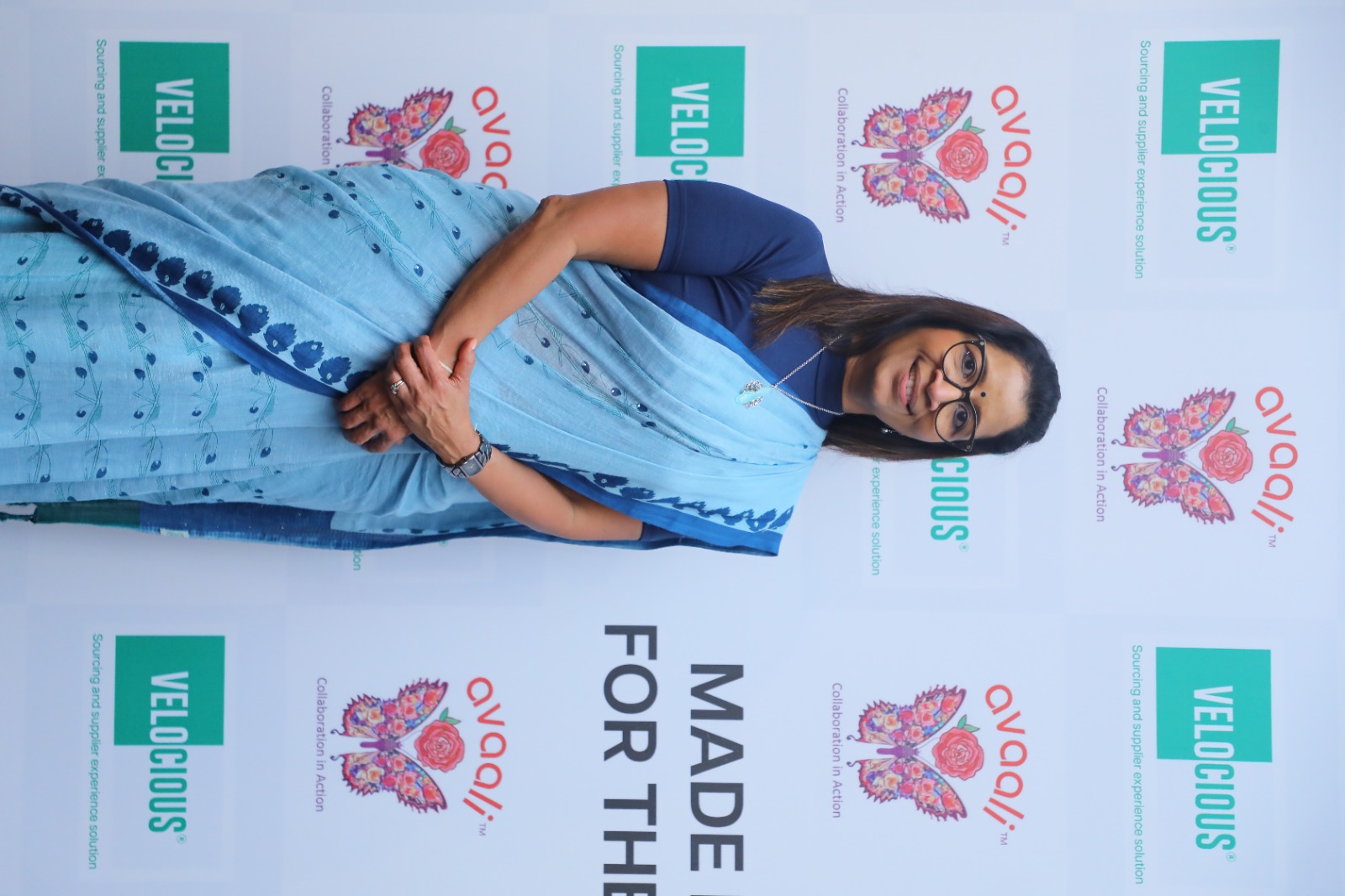 Srividya Kannan, Founder & CEO of Avaali Solutions, experienced a pivotal moment when her bootstrapped organisation crossed the threshold of sustainable, self funded growth. Early on, this meant juggling resource constraints and earning the trust of large enterprises. The turning point came when she realised that foresight, discipline and a deep focus on client outcomes could overcome market scepticism. The moment Avaali became cash positive and debt free validated her belief that purpose led leadership and strategic resolve can defy conventional limitations.
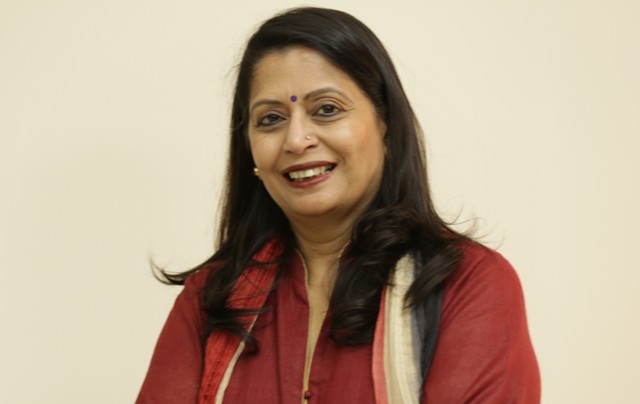 Priyadarshini Nigam, Director and Head, CSR, Newgen Software, believes leadership is about leading from the front. Throughout her journey, she has constantly learned from coworkers and peers. A long standing aspiration to work with less privileged children took shape in 2006 with the initiation of Sadbhavna and later expanded into structured programmes focused on education and development. Witnessing the gradual transformation in these children over the years strengthened her conviction to work on a larger scale. For Nigam, even in a leadership position, she never refrained from being involved in ground level tasks. Unless you get your hands dirty, it is difficult to set an example. This hands-on approach helped her understand the crux of the tasks and helped the team to run programs more effectively.
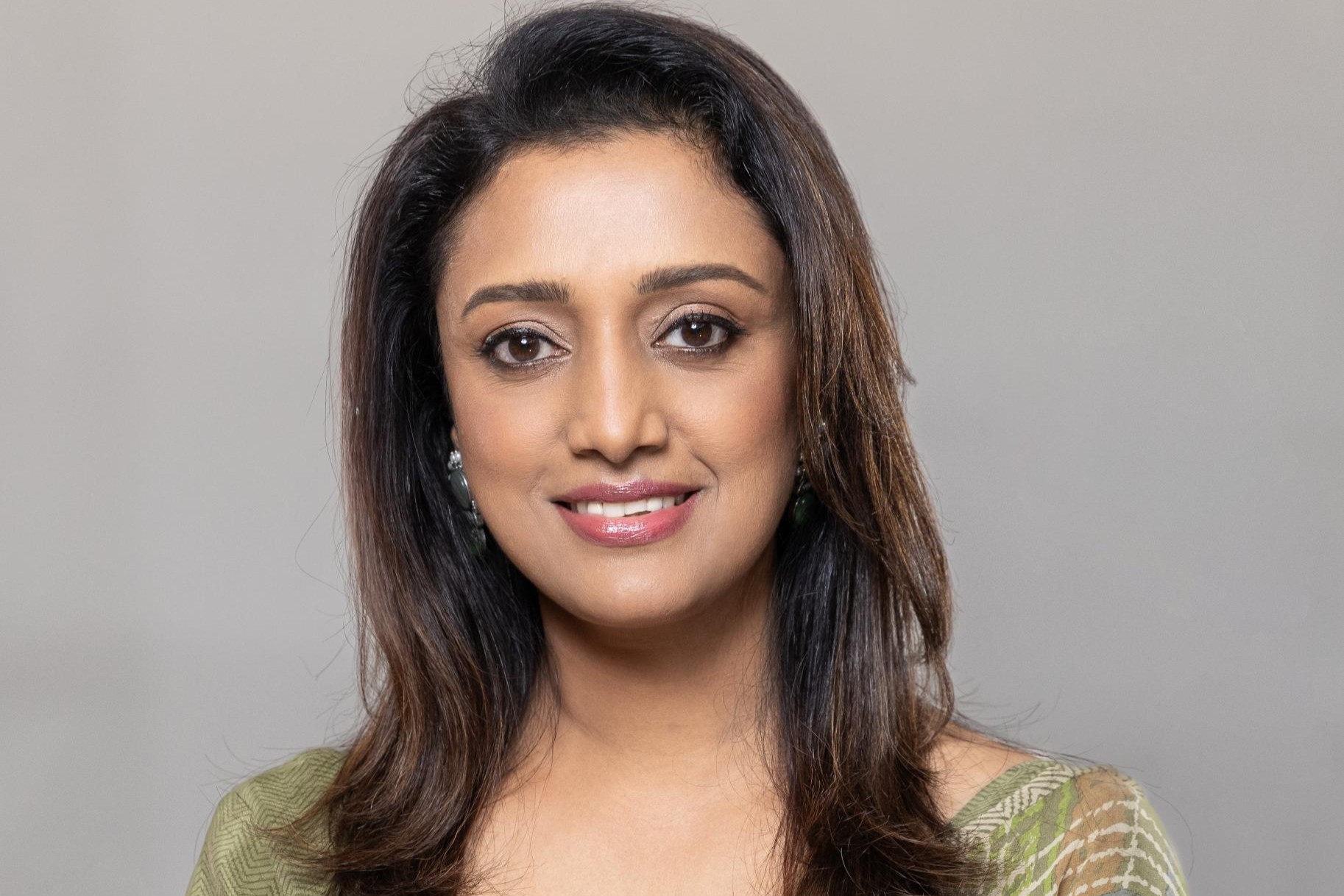 Shaina Ganapathy, Head of Community Outreach, Embassy Group, notes that leadership confidence often develops gradually rather than through one defining moment. It grew through diverse experiences and the opportunity to work across different initiatives. One of the most important lessons she learned early on was the value of relationships and trust. Leadership ultimately depends on how well you are able to bring people together and create a shared sense of ownership. At Embassy, this philosophy also translates into encouraging employees to actively participate in community initiatives, reinforcing the idea that institutions grow stronger when people across the organisation feel invested in the impact being created. Seeing ideas translate into meaningful outcomes over time helped reinforce her confidence, reminding her that leadership is not about having all the answers, but about staying committed to the vision.
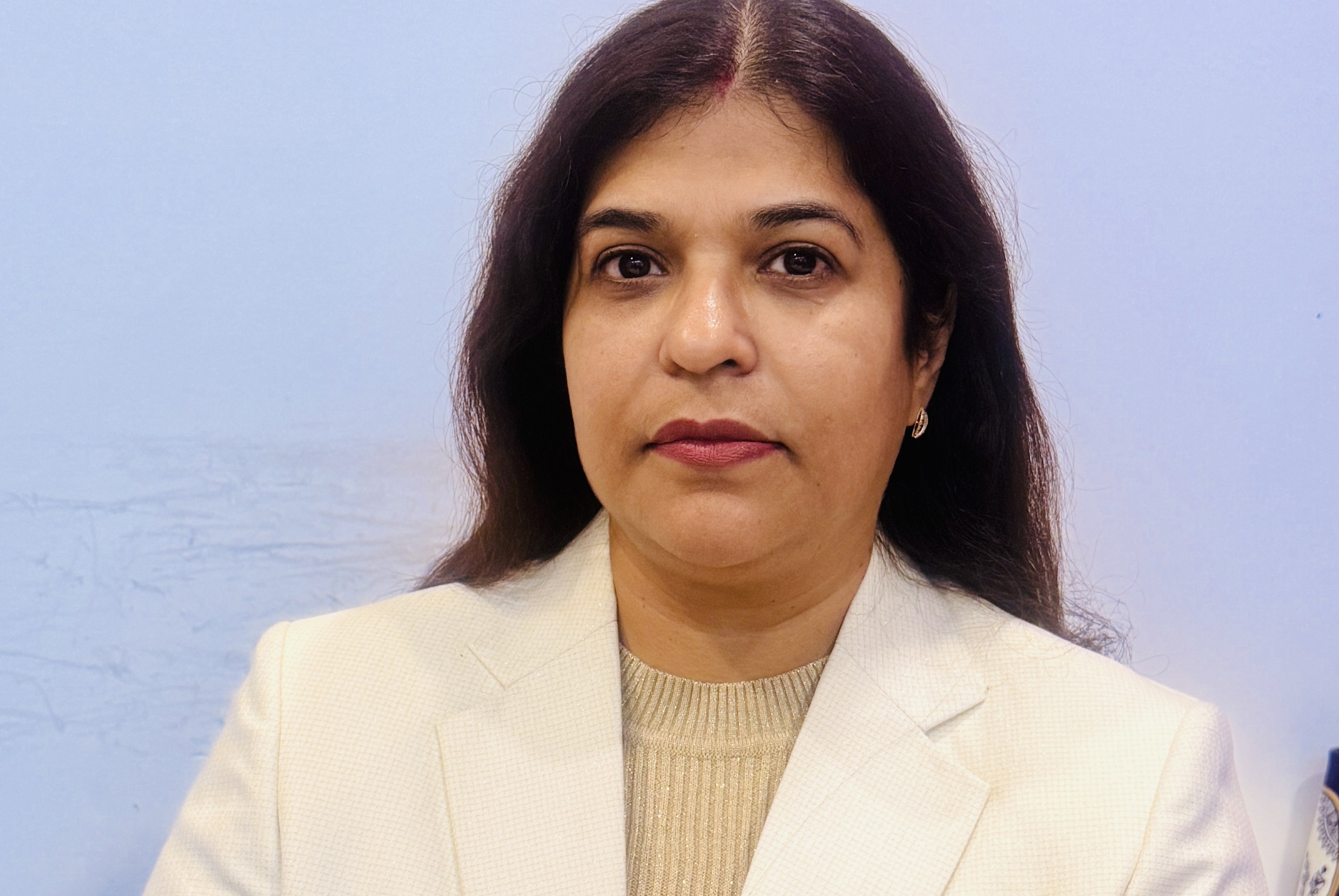
Priyanka Priyadarshini, CHRO, Bluspring Enterprises Limited, adds that confidence comes from continuously investing in yourself and staying open to learning. Her own journey included personal transitions like moving cities and balancing motherhood. She realized that careers are rarely linear, but with the right mindset and support systems, it is possible to build both a meaningful career and a fulfilling personal life. For her, a defining realization was that confidence is not about having all the answers. It comes from continuously investing in yourself and staying open to learning.
 Embedding Purpose into Scale
In roles that demand scale, performance, and measurable outcomes, ensuring purpose is embedded into the institution is critical. Anushree Dewen emphasizes that purpose cannot sit outside the business agenda; it has to shape how decisions are made every day. At Godrej Foods, this means asking whether growth strengthens trust and creates opportunity. Initiatives such as WINGS, which prepares women for frontline sales and manufacturing roles, reflect how intent is translated into structured action. For Dewen, institution building is about ensuring that ambition and accountability grow together. Suranjana Ghosh achieves similar alignment by driving continuous agreement between stakeholders on a shared vision. For her, instituting process and measurability, encouraging clarity and transparency, as well as evaluating all activities from these lenses helps one stay true to course.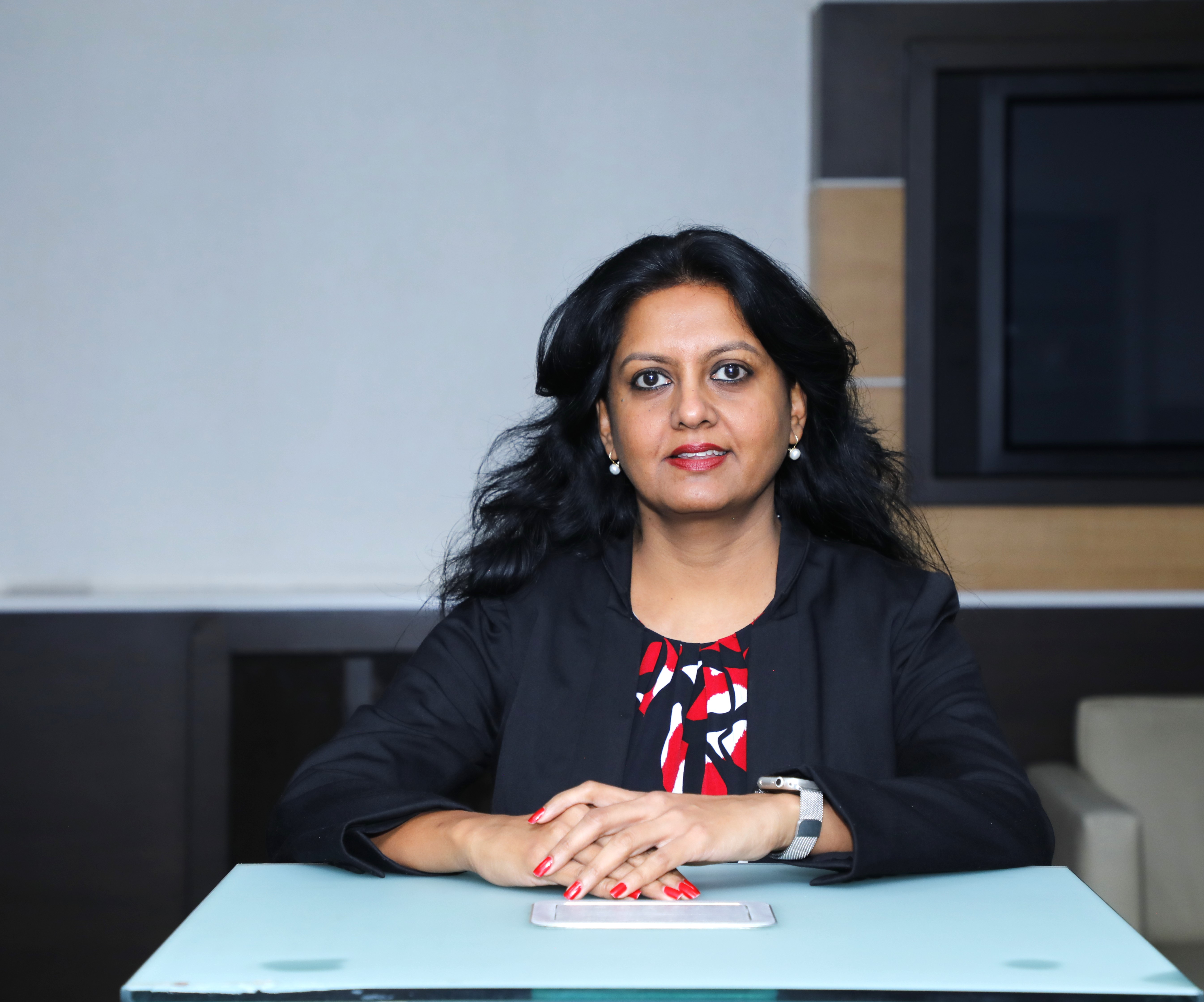
For leaders working directly with communities, purpose becomes real only when it is built into the design of the programme. Saranya Pradhan notes that at McCain, they start with a simple question: "What will this look like five years from now if we step away?" If the answer is that the community can run it independently, they know they are on the right track. That is why their initiatives focus heavily on skills, financial literacy, and collective ownership. When women gain the confidence to manage operations and negotiate with vendors, the impact begins to sustain itself. Puja Trisal notes that in the social impact space, scale is meaningful only when it translates into sustainable change. Their approach anchors every initiative in the Foundation's broader vision of enabling inclusive and resilient livelihoods. Partnerships play an important role, working with organisations that bring deep on ground expertise. Equally important is building strong measurement frameworks to track outcomes such as employability and income improvement, ensuring work drives long term, meaningful impact.
Long term impact also comes from widening access and addressing structural barriers. Deepa Nagraj, Global Head of Communications, ESG, and CSR at Mphasis, believes this means creating change not just internally, but also building partnerships that support women across their entire STEM journey. At Mphasis, they focus on expanding the employment funnel for women while tackling biases. Some ways they embed purpose include early STEM exposure, supporting women entrepreneurs, and encouraging participation in AI hiring pathways. Their goal is to ensure that inclusion is systemic, and not just considered when women enter the workforce.
Subhashree Dutta, Managing Partner, Livelihoods Ecosystem, The/Nudge Institute, anchors her institution in core principles where purpose sits at the center, above any individual stakeholder. With a founder mindset where teams operate with ownership and urgency, and a belief that "we are better together," she focuses on solutions at population scale. For Dutta, meaningful impact often comes when effective ideas can reach millions through strong partnerships and long term com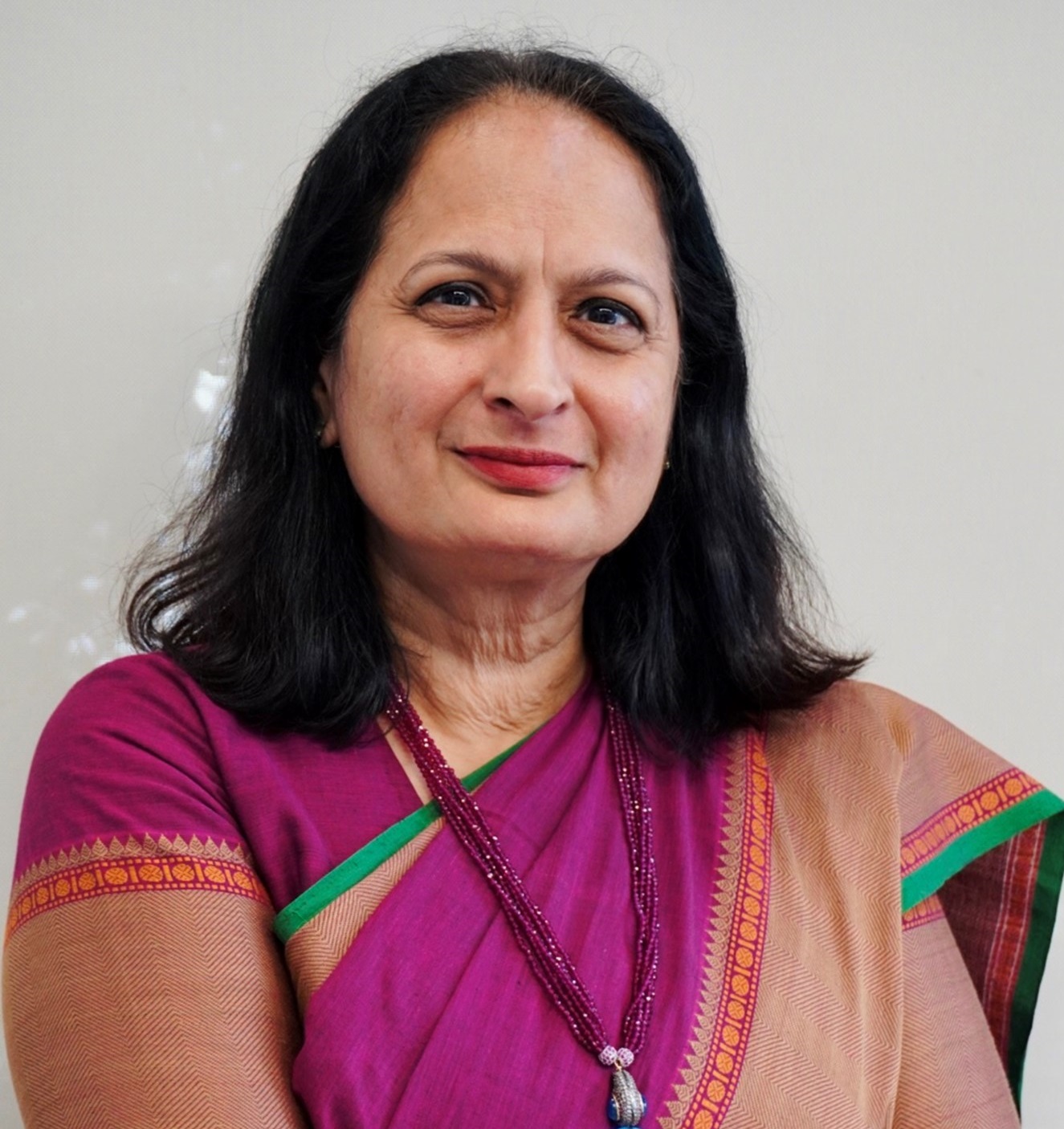 mitment.
Finally, culture and values serve as the glue for these systems. Priti Karandikar, Global Marketing and Communications Head, Magic Bus India Foundation, states that at Magic Bus they strongly have a culture of "What gets measured, gets done". For them, purpose and performance work side by side. While they track reach, their deepest indicators are increasing donor partnerships and young people enrolment. Purpose led work builds emotional equity and long term trust. At Magic Bus, purpose is not an addition. It is ingrained in their communication, shaping every story they tell.
Upasna Dash, Founder and CEO, Jajabor Brand Consultancy, achieves this through a robust framework of core values. She integrates them by personally mastering every task before delegation. This practical leadership approach cultivates trust, elevates results, and embeds purpose throughout the organization, ensuring sustained impact that extends beyond immediate metrics.
Systemic Shifts for Equity
Beyond individual ambition, systemic shifts are urgently needed to make leadership spaces more accessible. Anushree Dewen argues that leadership spaces become more accessible when organisations intentionally create pathways for women to participate in decision making, not just execution. Representation must be consistent across strategy and business reviews. It is also important to recognise and support different leadership styles, instead of expecting women to adapt to a single mould. Suranjana Ghosh adds that we need formal and informal spaces for women to mentor and learn from each other. Beyond systemic changes such as period leave and childcare facilities, she believes attitudinal shifts to be true enablers. We need more opportunities for women to have careers and, in the age of AI, leverage this new tool to navigate a changing landscape. Edyta Kurek emphasizes that access must be democratised. Women need greater access to capital, digital tools, and clear leadership pathways. Opportunity should not depend on proximity to power. Second, leadership models must evolve. Flexibility should not be mistaken for reduced ambition. Finally, representation must translate into influence. Having women present is important, but what truly matters is ensuring they have a voice in shaping strategy.
On the front of policy and infrastructure, Dr Manika Khanna highlights that access to funding and mentorship must be treated as equal, as women entrepren eurs are usually subjected to greater scrutiny. Second, work life integration policies that encourage ambition without punishing it are needed. Third, de-stigmatising male dominated professions by visible role models is crucial. True equity implies the establishment of conditions under which women are able to lead without any sacrifices to family or health. Priyanka Priyadarshini notes that creating equitable workplaces requires moving beyond intent. For the blue collar women workforce, it is important to actively attract women at the grassroots level and make employment accessible. Organizations need to invest in basic skill training and employability programs. Equally important is creating workplaces that are safe, secure, and supportive. Finally, it is critical to create aspirations for growth. Upasna Dash identifies three critical areas for systemic reform: affirming that senior roles like CXO are accessible, implementing supportive structures providing penalty free re entry after maternity leaves, and positioning this as a broader economic priority, noting that reintegrating women into labor markets would generate widespread prosperity.
Structural biases and ecosystem-wide shifts are equally critical. Deepa Nagraj points out that AI driven hiring and hackathon based recruitment can unintentionally erase women from the talent pipeline due to cultural barriers and historical biases in AI systems. At Mphasis, they are actively countering this trend by broadening hiring pipelines and investing in early STEM exposure. She argues that organizations must actively address structural biases and invest in long term initiatives like return to work programs. Dr. Gayathri Vasudevan argues that if we want meaningful progress, we must invest in structural access, including accessible skilling, safe hostels, and pathways into gig roles. But skilling alone is insufficient. Capacity building must work in tandem, including health security and economic literacy. When skilling, capacity building, and market integration are designed together, outcomes are measurable and decision making power shifts within households. Dr. Rashmi Ardey emphasizes that individual leadership alone is not enough. We need more inclusive decision making spaces, stronger mentorship networks for women, and institutional cultures that actively support diverse leadership pathways. Srividya Kannan identifies the need for ecosystem wide shifts that start early. Educational alignment, unconscious bias recognition, supportive structures, and cultural narrative shifts are all required. Systemic progress requires organisations, educators, policymakers and families to participate actively and consistently.
Finally, cultural flexibility and support systems form the foundation of equity. Priti Karandikar notes that flexible work arrangements, childcare support, and safe workplace environments create the foundation. Equally important is normalising non linear career paths. Many women step out temporarily and return with valuable experience and perspective. Priyadarshini Nigam believes women should not be expected to sacrifice or choose between opportunities for career advancement and personal responsibilities. Instead, organizations must build systems that support women through different phases of their lives, enabling them to continue growing professionally. Shaina Ganapathy states that mentorship and access to opportunities are incredibly important. Many women benefit from having leaders who actively support their growth and encourage them to take on challenging roles. Organisations also play a key role in shaping inclusive cultures. When workplaces value flexibility, trust, and open dialogue, it becomes easier for women to navigate different responsibilities and continue building their careers.
The Legacy of Institutions
When reflecting on impact beyond titles or short term metrics, many of these women leaders describe legacy not in terms of individual success but in the institutions and ecosystems they leave behind. For leaders like Anushree Dewen, this means creating cultures where insight led innovation and collaborative leadership become the norm, and where young women entering the workforce see leadership as an attainable path. Suranjana Ghosh similarly emphasises the importance of resilient, purpose driven teams that continue to evolve long after their founders move on. In the technology and enterprise ecosystem, Srividya Kannan envisions institutions that prioritise integrity, curiosity, and strategic transformation, while demonstrating that leadership is defined less by titles and more by the systems and cultures leaders help shape.
For several leaders working closely with communities, legacy is deeply tied to dignity, agency, and long term empowerment. Ritu Prakash Chhabria hopes institutions create the confidence among women to shape their own futures, moving beyond charity to genuine partnership and decision making power. In rural development contexts, Saranya Pradhan believes the most meaningful milestone occurs when communities take ownership and say the work is truly theirs. Similarly, Dr. Gayathri Vasudevan highlights that real progress is visible when women at the margins gain the ability to participate in and influence economic systems, while Dr. Rashmi Ardey stresses the importance of stronger, more equitable public health institutions that prioritise both access and accountability.
Other leaders focus on how institutions can unlock opportunity and economic independence at scale. Edyta Kurek sees lasting impact in systems that enable women to view entrepreneurship and financial independence as natural possibilities, particularly within industries where women have traditionally been consumers rather than decision makers. At the same time, Puja Trisal and Subhashree Dutta emphasise the importance of building scalable models and partnerships that can extend impact to millions. For Priti Karandikar, the ripple effects of such work often become visible within families and communities when meaningful employment changes aspirations for future generations.
Across corporate, entrepreneurial, and social impact ecosystems, many leaders also see legacy in the institutional cultures they help create. Deepa Nagraj, Priyanka Priyadarshini, and Priyadarshini Nigam highlight the importance of building workplaces that are inclusive, supportive, and capable of enabling women to grow without compromising personal aspirations. Shaina Ganapathy underscores the role organisations can play in encouraging deeper engagement with social impact, while Upasna Dash believes institutions must demonstrate that women from diverse starting points can rise to influential decision making roles. In healthcare, Dr. Manika Khanna hopes to leave behind a legacy where empathy driven innovation removes stigma and expands access, particularly in areas such as reproductive health. Together, these perspectives reflect a shared belief that institutions grounded in empathy, accountability, and opportunity can continue to shape lives long after individual leaders step aside.
Conclusion
The collective voice of these leaders paints a picture of a future where women are not merely participants in the economy but architects of the institutions that shape it. From the emotional truth of food at Godrej to the structural access championed by Sambhav Foundation, a clear thread runs through their journeys: the shift from temporary interventions to lasting systems. Across sectors, these leaders are embedding purpose into everyday decision making, redefining leadership through clarity, empathy, and collaboration.
Their work demonstrates that legacy is not measured only by growth or scale, but by the opportunities created for others to lead, participate, and thrive. As Anushree Dewen aptly reflects, titles are temporary, but systems and trust endure. By building institutions that prioritise dignity, inclusion, and long term impact, these women are shaping ecosystems where leadership becomes more accessible and equitable for the generations that follow. In doing so, they are not simply building enterprises. They are helping build a future where impact is institutionalised and opportunity is shared.




.JPG)