
The Sakhi Movement: Rewriting Rural Stories of Women Leaders
Not every transformation announces itself loudly. Sometimes, it begins in village meetings, small livelihood collectives, or with women taking their first steps towards financial independence. Across Rajasthan and Uttarakhand, Hindustan Zinc’s Sakhi initiative is enabling women to emerge as economic contributors, community leaders, and decision-makers within their own societies. What is unfolding is not just a livelihood movement, but a gradual shift in confidence, identity, and leadership. Read on.
In the quiet villages of Rajasthan and Uttarakhand, change does not arrive with noise. It comes in small, determined steps - women holding ledgers out of their homes, managing enterprises, and making decisions once denied to them.
About 40 kilometres from Udaipur, as the first light cuts across the Aravalli hills, Rajshree Chauhan begins her day not in the kitchen, but with a ledger.
Just a few years ago, Rajshree wasn’t even allowed to attend group meetings. Today, she manages an entire federation’s operations as a community leader, earning and supporting her family with confidence. What began as participation soon turned into responsibility. She learned digital tools, organisational management, and financial processes - skills that today define her leadership role.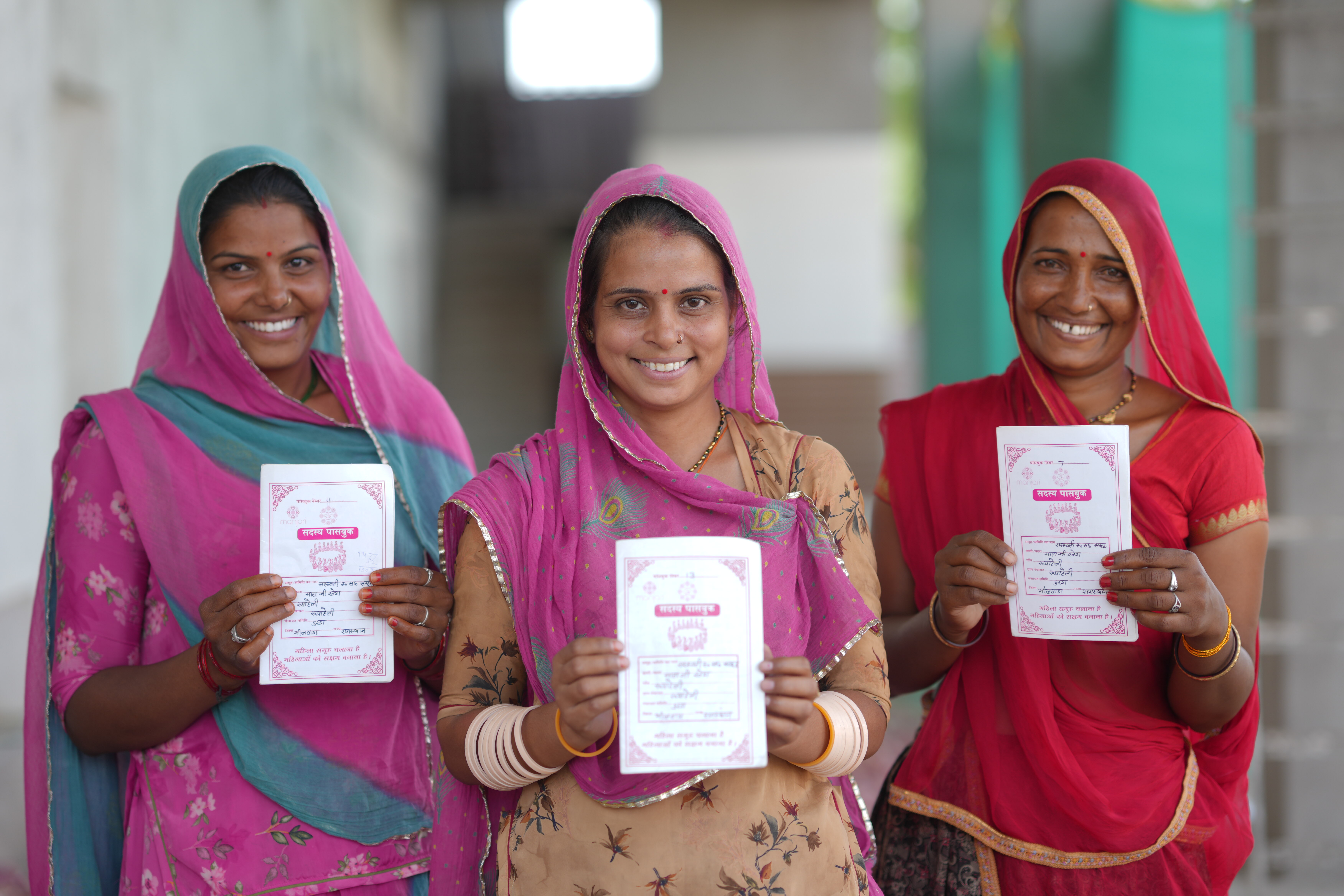
“Today, I stand on my own feet,” she says simply.
Her journey mirrors a larger shift unfolding across Rajasthan, one that is quietly but steadily redefining rural livelihoods.
At the centre of this transformation is Sakhi, Hindustan Zinc’s flagship initiative. What started with women saving ₹20 notes under a tree has grown into an institutional powerhouse that has mobilised over 25,000 women into self-help groups and federations, turning participation into ownership, and ownership into leadership.
An Ecosystem, Not an Intervention
What sets Sakhi apart is its design. Unlike traditional livelihood programmes, Sakhi is built as a community-led ecosystem, where women are not beneficiaries, but decision-makers. The model integrates financial access, enterprise development, and social empowerment, ensuring that change is both economic and structural.
Women are organised into networks of self-help groups (SHGs) that evolve into federations. These institutions manage savings, extend credit, run enterprises, and build market linkages. As a result, over 2,000 SHGs have been created, with an internal credit generation of Rs 151.24 crore over the decade. This is not just income generation, but the creation of local economies led by women. SHGs have further scaled into Village Organizations (VOs) and Cluster Level Federations, complete with formal governance structures and elected Boards of Directors.
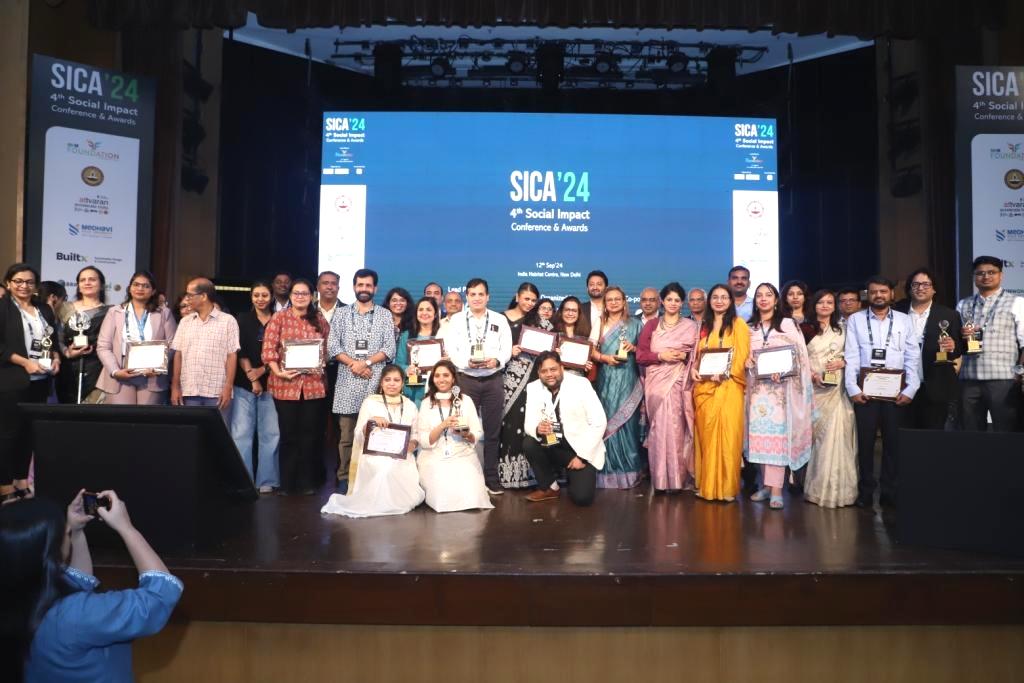
Manju Meena, a federation manager of Sakhi Shakti Samiti, is rewriting the story of many women like her. Once a homemaker, she now chairs key decisions, mentors new entrepreneurs, and plays a central role in community outreach. She has also received recognition from XLRI Jamshedpur for her accomplishments and leadership.
When Opportunity Meets Determination
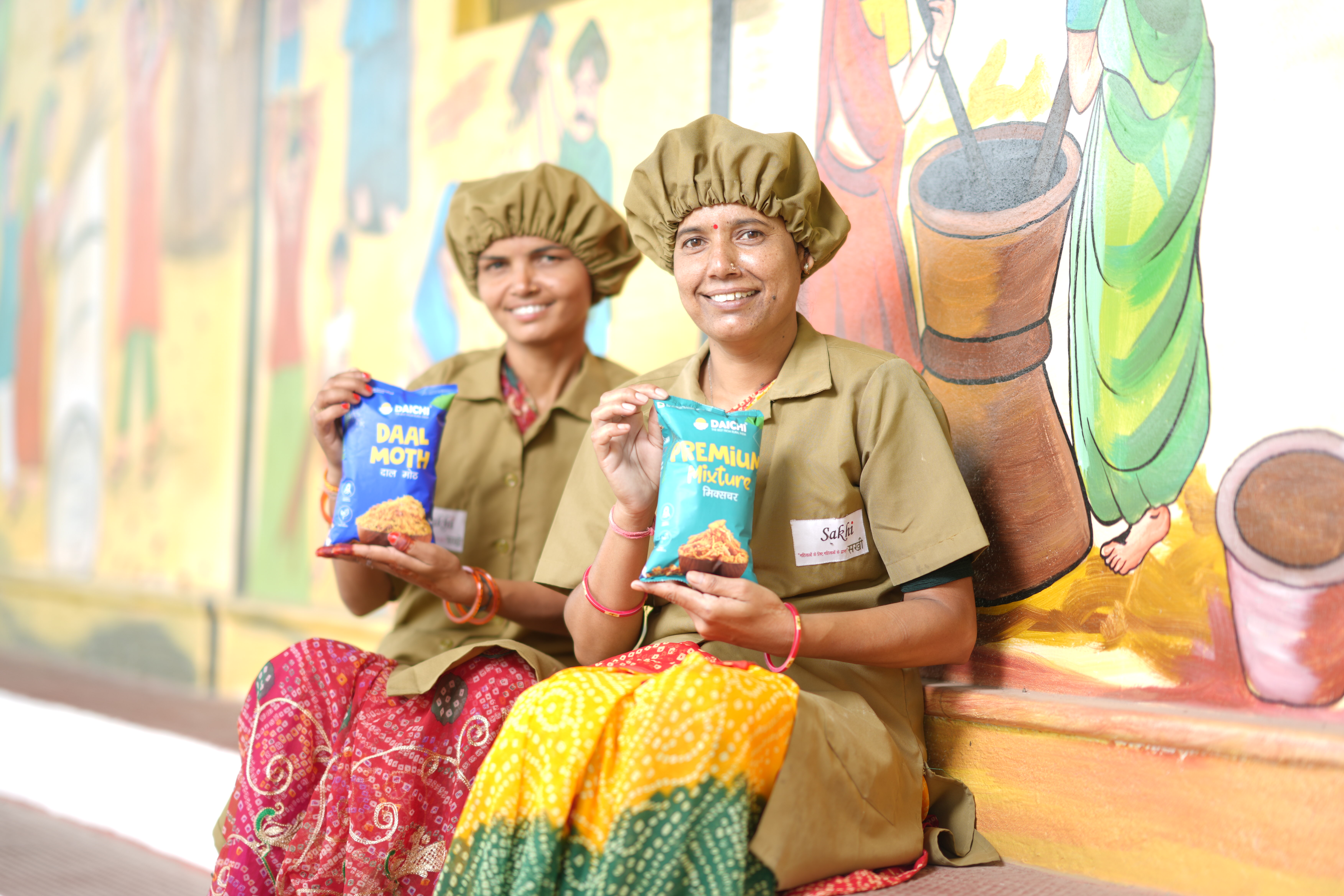
While many community development initiatives stop at microfinancing or skills training, Sakhi has taken a significant step towards enterprise creation and supply chain integration. Through Sakhi Utpadan Samiti, women-led units operate across oil pressing, pickles, spices, ghee, honey, namkeens, stitching, and block printing under homegrown brands like Daichi (edibles) and Upaya (textiles). These products are retailed through platforms such as ONDC, Blinkit, Amazon, Flipkart, and physical stores like Modern Bazaar, creating a seamless bridge between remote production hubs and urban consumers.
“When I work, I know it matters. What we make goes far beyond our village,” says Farzana.
Farzana’s journey began with loss. Widowed early, she faced financial uncertainty and social vulnerability. Through Sakhi, she trained in food processing and joined a pickle production unit. What started as a means to earn gradually restored her independence and sense of identity. Today, she not only sustains her household, but also ensures that her children continue their education.
Under the Sakhi Microenterprise programme, what started as four stitching units with 81 women in 2018–19 has grown into 14 production units with over 400 women.
The Social Shift Beneath the Surface
The most profound transformation is not always economic - it is also social. With income comes confidence, and with confidence comes voice.
A key pillar of this transformation is the Uthori Jaagriti Kalamanch, a Sakhi-led theatre group programme driving grassroots social change. Reaching over two lakh people, it tackles critical issues such as child marriage, gender violence, menstrual hygiene, and harassment. Through street plays, songs, and community outreach, Uthori challenges deep-rooted taboos and sparks dialogue. More than just awareness, it is fostering a shift in mindsets and laying the foundation for lasting social reform.
Where Change Becomes Identity
Hindustan Zinc’s approach to Sakhi reflects a clear philosophy: building institutions that empower women while supporting India’s sustainable development goals. By investing in grassroots institutions, leadership development, and financial ecosystems, the initiative ensures that communities are not dependent, but self-sustaining. This aligns with a growing understanding in rural development that long-term impact comes from community ownership.
Across thousands of villages in Rajasthan and Uttarakhand, women are no longer just participants in the rural economy - they are shaping it. And in that shift, Sakhi is doing more than creating livelihoods; it is creating a new identity for rural India, one where women are not on the margins of progress, but at its centre.