From Scarcity to Sovereignty: Rethinking India’s Water Future Through Scalable Innovation
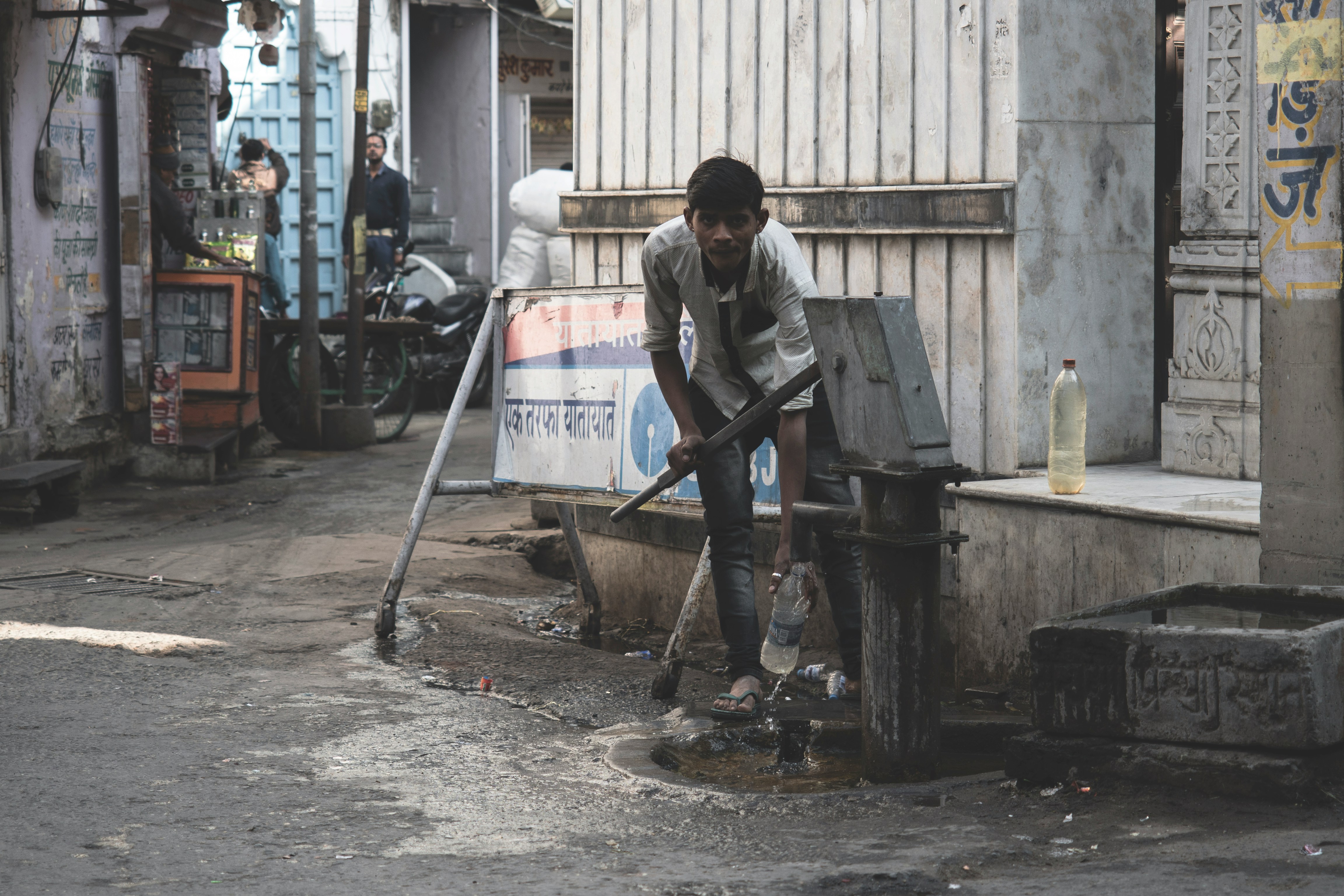
In the traditional narrative of Indian water management, the solution has almost always been "mega-scale": massive dams, thousand-kilometer pipelines, and centralized treatment plants. However, for India’s CSR leaders and sustainability officers, a different reality is emerging on the ground. As groundwater levels plummet and urban infrastructure groans under the weight of over-population, the focus is shifting toward decentralized, circular water innovations.
India today is among the world’s most water-stressed countries, with over 600 million people facing high to extreme water stress and nearly 70 percent of available water being contaminated. Against this backdrop, corporate India’s water stewardship efforts are shifting from one-time asset creation to systems that ensure long-term water security and community ownership.
Echoing global breakthroughs such as Japan’s WOTA system, which enables up to 98 percent household-level water recycling, a new wave of Indian innovations is demonstrating how “frugal yet deep-tech” solutions can scale across diverse geographies, helping companies meet their Water Positive commitments.
 The Shift to Decentralized Circularity
One of the biggest challenges with traditional water-focused CSR projects has been sustainability beyond installation. Thousands of borewells created under CSR funding now lie defunct due to falling water tables, power issues, or lack of local maintenance capacity. This has triggered a strategic rethink.
Progressive CSR programmes are moving away from merely “providing water” towards enabling water sovereignty, where water is treated, reused, and managed locally.
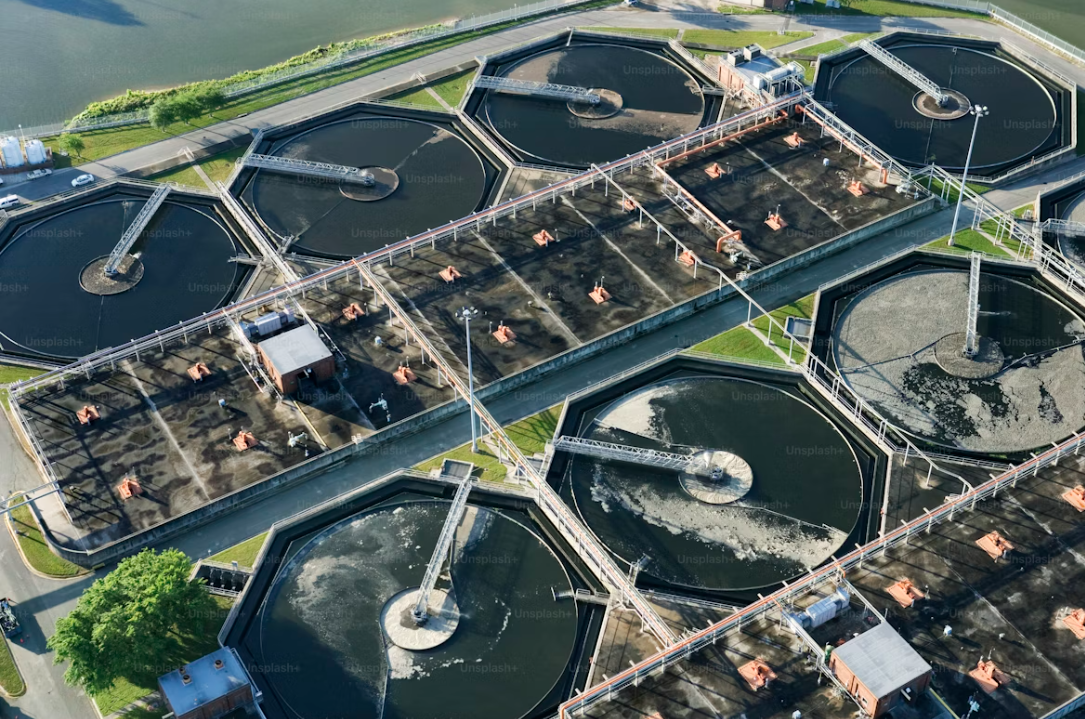
In urban and semi-urban settings, modular sewage treatment plants (STPs) are emerging as a scalable alternative to large, centralized infrastructure. Pioneered by several Indian innovators, these plug-and-play systems rely on natural biological processes, operate with low energy input, and require minimal technical intervention. By treating wastewater at the source, such systems allow up to 90 percent reuse for non-potable purposes like flushing and landscaping; significantly reducing freshwater demand while keeping operational costs predictable for communities and institutions.
Harvesting the Sky: Atmospheric Water Generation
 Among the more transformative shifts in India’s CSR water landscape is the growing interest in Atmospheric Water Generators (AWGs). In regions where groundwater is contaminated with arsenic or fluoride, particularly across the Indo-Gangetic plains, extracting more water from below ground is no longer viable.
AWGs offer an alternative by harvesting potable water directly from atmospheric humidity. Developed under the ‘Make in India’ framework, several Indian designed systems are now being deployed in railway stations, industrial townships, and remote coastal villages. For CSR portfolios, AWGs represent a scalable, triple-bottom-line solution: they function without a traditional water source, can be powered by renewable energy, and deliver drinking water that meets global quality standards even in highly stressed regions.
While not a universal solution, AWGs are increasingly being integrated as strategic complements in water-scarce or contaminated zones—precisely where conventional filtration or supply-based projects struggle to scale.
Biomimicry and Circular Materials: Nature as the Blueprint
Another emerging frontier is biomimicry, technologies inspired by natural filtration processes. While advanced membrane technologies dominate Western markets, Indian CSR projects are localizing these concepts using indigenous, circular materials.
Across parts of Assam and West Bengal, scientifically calibrated filters made from rice husk ash and bamboo charcoal are being deployed to remove heavy metals and chemical contaminants. Far from being low-tech improvisations, these systems leverage agricultural waste to create affordable, replicable filtration units.
For corporations, such models address multiple CSR priorities simultaneously: access to safe drinking water, reduction in crop-residue burning, and supplementary income streams for farming communities.
Scalability here lies not in complexity, but in replicability and local sourcing, a critical lesson for CSR programmes operating across multiple districts or states.
The Digital Guard: IoT, Monitoring, and Accountability

A long-standing criticism of water-based CSR has been the lack of impact transparency. How much water is actually delivered? Is the system still functioning a year later?
The integration of IoT-enabled sensors into decentralized water infrastructure is beginning to close this accountability gap. Handpumps, treatment units, and storage systems are now being retrofitted with sensors that transmit real-time performance data to central dashboards. When a pump or treatment unit fails, alerts are triggered instantly, often before communities experience a prolonged outage.
For CSR leaders navigating SEBI’s BRSR requirements, such digital monitoring transforms water projects from goodwill initiatives into measurable, auditable interventions, setting a new benchmark for responsible corporate engagement.
Why This Matters for CSR Leaders
As SEBI’s Business Responsibility and Sustainability Reporting norms become more rigorous, water neutrality and stewardship are no longer optional for India’s top listed companies. The innovations shaping today’s water CSR ecosystem offer three clear advantages:
Lower Life-Cycle Costs: Decentralized systems often reduce long-term CAPEX and OPEX compared to centralized infrastructure.
Climate Resilience: Technologies that recycle water or generate it independently of rainfall and groundwater are inherently future-proof.
Community Ownership: Smaller, localized systems are easier for Village Water and Sanitation Committees to manage, ensuring continuity beyond CSR funding cycles.
Conclusion
The common thread linking Japan’s WOTA system with India’s atmospheric water generators, modular STPs, and bio-based filters is autonomy. The future of water CSR in India will not be defined by large pipelines or grand infrastructure announcements, but by scalable systems that work quietly, locally, and reliably.
For our readers, the message is clear: the next decade of social impact will belong to organizations that stop searching for new water sources and start investing in smarter, circular ways to use the water we already have.






.JPG)