Choosing Depth Over Dispersion: mPokket’s Decade-Long CSR Engagement in West Bengal
In recent years, many companies have expanded their CSR efforts across multiple geographies. Yet, development practitioners often note that meaningful and lasting change usually comes from sustained engagement within communities rather than short-term, scattered interventions. Building trust, understanding local realities, and working closely with grassroots partners over time can make CSR programmes far more impactful.
For mPokket, this philosophy has shaped its community engagement over the past decade. Founded in Kolkata, the fintech platform has grown into one of India’s leading digital lenders, serving millions of users nationwide. Even as the company scaled its operations across the country, it continued to deepen its social commitment in West Bengal, the state where its journey began.
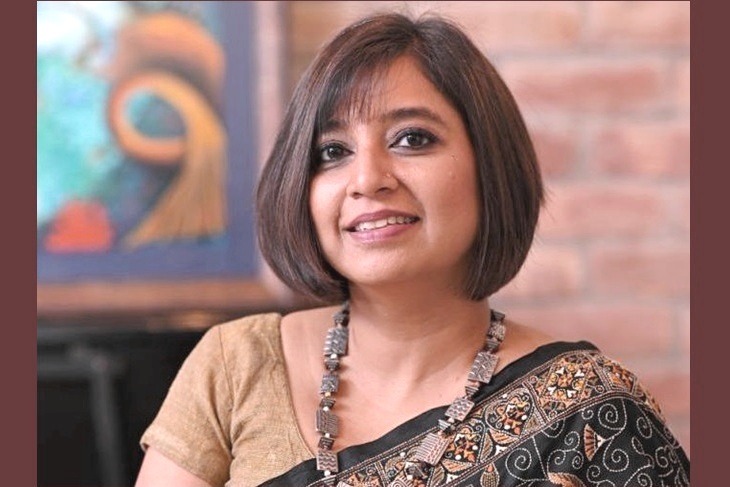
Through long-term initiatives spanning education, healthcare, livelihoods, gender equity, and community well-being, mPokket’s CSR efforts have reached over 4.25 lakh individuals in the state. In this conversation with TheCSRUniverse, Rajani Jalan, Director, CSR & People Relations, mPokket, reflects on the company’s decade-long engagement in West Bengal and the lessons from building community-led programmes that create lasting impact.
Read the full interview below.
Q&A
Q. What motivated mPokket to stay deeply invested in West Bengal over the years, even as the company scaled nationally?
A. West Bengal is not just a geography for us; it is part of our origin story and identity. As a Kolkata-rooted organisation, our earliest learnings about financial exclusion, healthcare inequity, and barriers faced by women and children came from communities around us. That proximity created a deep sense of responsibility, not to treat CSR as a series of scattered initiatives, but as a long-term commitment to places and people we understand closely.
Over the last decade, West Bengal has remained central to mPokket’s purpose. As the company scaled nationally, it consciously reinvested its success into sustained, on-ground CSR initiatives across the state; spanning education, health, livelihoods, gender equity, and community well-being. Collectively, these efforts have impacted over 4.25 lakh+ individuals in West Bengal.
Q. How has your CSR approach in West Bengal evolved over the last decade in response to on-ground realities, rather than organisational growth goals?
A. Our CSR approach in West Bengal has evolved through listening rather than scaling ambitions. In the early years, we addressed immediate needs like food access, healthcare support, and basic education. Over time, deeper community engagement revealed systemic challenges, leading us to build more holistic, long-term interventions such as Adhigam Bhoomi for education and life skills, Vihaan for rehabilitation and reintegration, and Dakshini Prayash for women’s livelihoods.
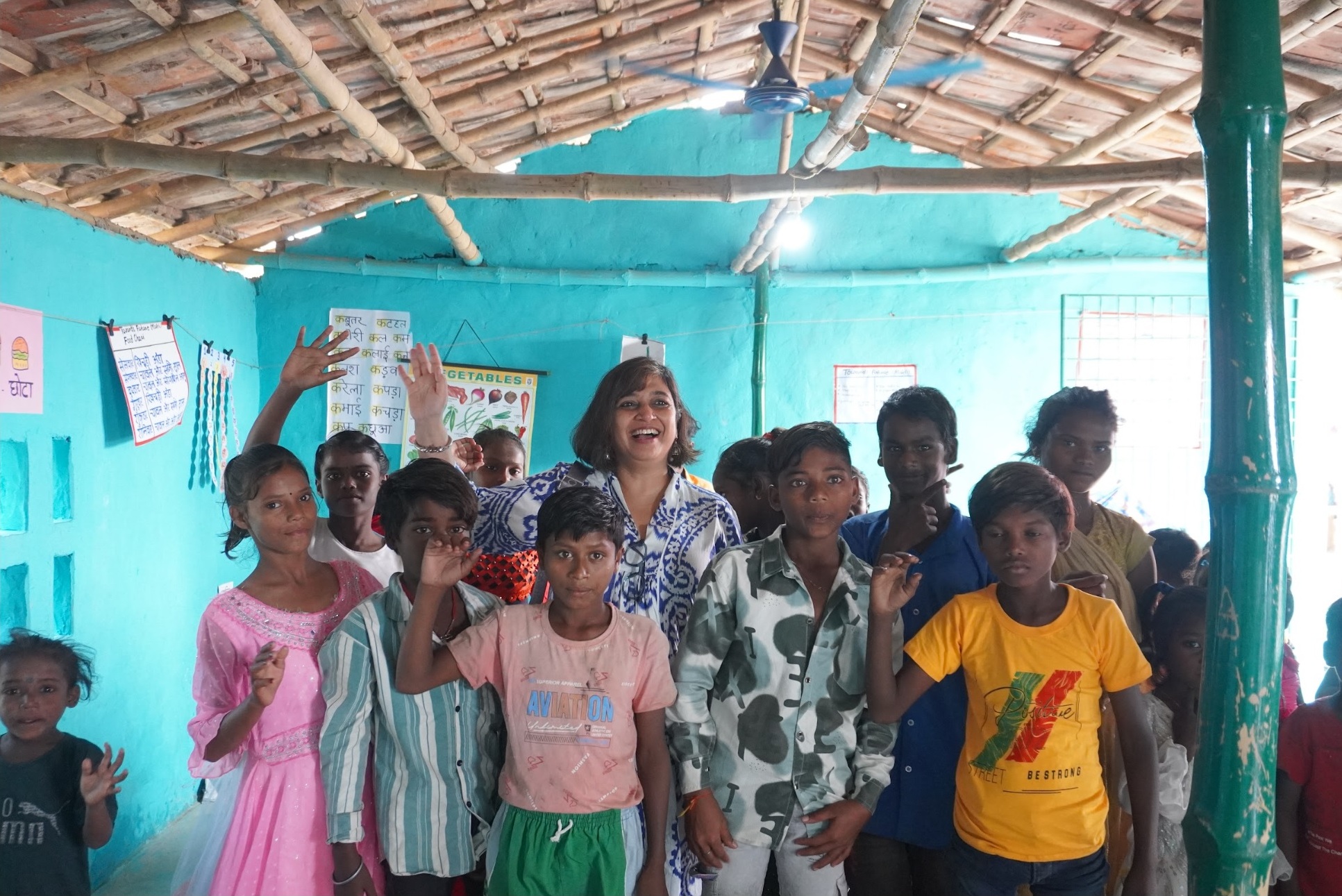 As part of our 10-year milestone, this ground-up approach led to an employee-driven initiative that raised ₹12.2 lakh to support children growing up at brick kiln sites. In partnership with Towards Future, these funds will establish Camp Site Learning Centres for 75 children over 24 months, ensuring continuity of education in highly vulnerable settings.
We also moved away from one-off activities toward sustained partnerships. Overall, our journey has been guided less by organisational growth goals and more by the evolving realities and voices of the communities we serve.
Q. What have been some of the biggest challenges in sustaining long-term CSR programmes in one geography, and how did the organisation adapt to them?
A. One of the biggest challenges is balancing continuity with adaptability. Communities evolve, needs change, and programmes that were effective five years ago may require rethinking today. Another challenge is avoiding fatigue, both organisational and community-level, when initiatives run for many years.
We addressed this by embedding flexibility into programme design and maintaining close relationships with grassroots partners. Continuous dialogue, regular field visits, and outcome tracking help us refine interventions rather than abandon them. Sustaining programmes requires humility, acknowledging when to adapt, when to deepen support, and when to re-imagine approaches.
Q. How do you decide which partnerships to continue, deepen, or exit when working with grassroots organisations over many years
A. For us, partnerships are built on shared values, transparency, and measurable impact. We look beyond short-term outputs and assess whether the organisation demonstrates genuine community trust, strong governance, and a commitment to sustainable outcomes.
When a partnership shows evidence of deep impact, such as restored mobility through Mahavir Seva Sadan or successful reintegration outcomes through Vihaan, we explore ways to deepen collaboration. If a programme requires recalibration, we work with partners to redesign it rather than exit immediately. Exits are considered only when there is a clear misalignment of vision or when the intended community outcomes are not being achieved despite sustained efforts. The emphasis is always on responsible transitions and ensuring communities are not left unsupported.
Q. In your experience, what does ‘continuity’ in CSR actually look like on the ground, beyond funding cycles and annual plans?
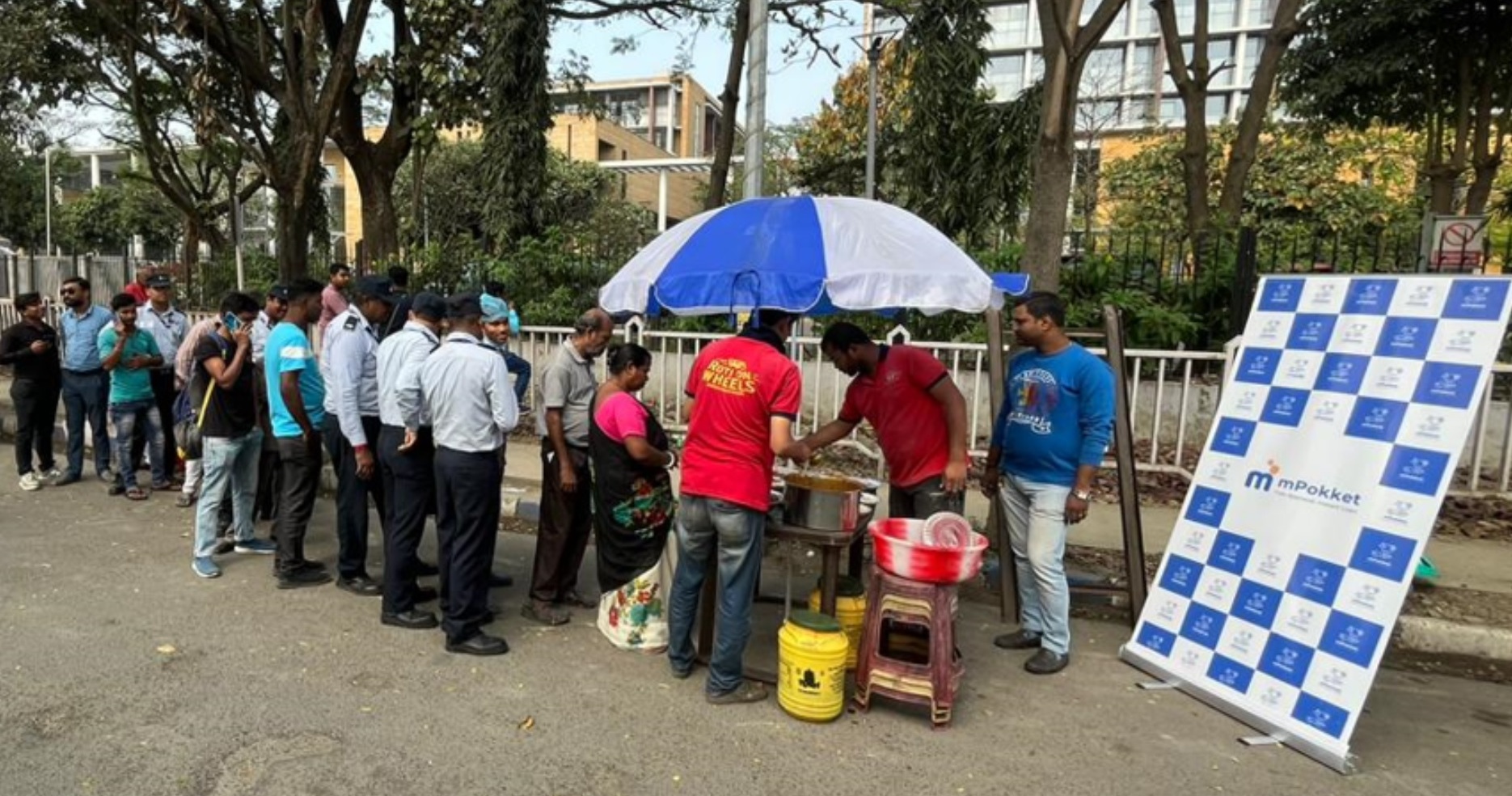 A. Continuity is visible in relationships, the familiarity between volunteers and beneficiaries, the trust that allows communities to openly share evolving needs, and the ability to respond organically rather than through rigid project frameworks. In Roti on Wheels, continuity means families know they can rely on a warm meal five days a week. Till now we have served 1,00,000+ nutritious meals to cancer patients and caregivers near Chittaranjan National Cancer Institute, offering consistent dignity and care during treatment journeys.
It also shows up in how programmes evolve. Communities begin to take ownership, local partners become stronger, and employees move from occasional volunteering to sustained mentorship or skill sharing. True continuity is when interventions become embedded in the fabric of everyday community life rather than remaining external initiatives.
Q. Have there been instances where programmes did not work as expected in West Bengal, and what learnings shaped subsequent course corrections?
A. Yes, and those moments have been some of our most valuable teachers. There were initiatives where participation levels were lower than anticipated or where outcomes were more short-term than transformative. In some cases, we realised we had designed programmes based on assumptions rather than deep community consultation.
These experiences encouraged us to prioritise co-creation with local partners and beneficiaries from the outset. They also led us to emphasise holistic support, combining skills training with psychosocial support, mentorship, and follow-up, especially in sensitive programmes like rehabilitation or livelihood development. Rather than viewing setbacks as failures, we see them as opportunities to refine our understanding and design more resilient interventions.
Q. How does mPokket assess the depth and quality of impact over time, especially in communities it has been working with for several years?
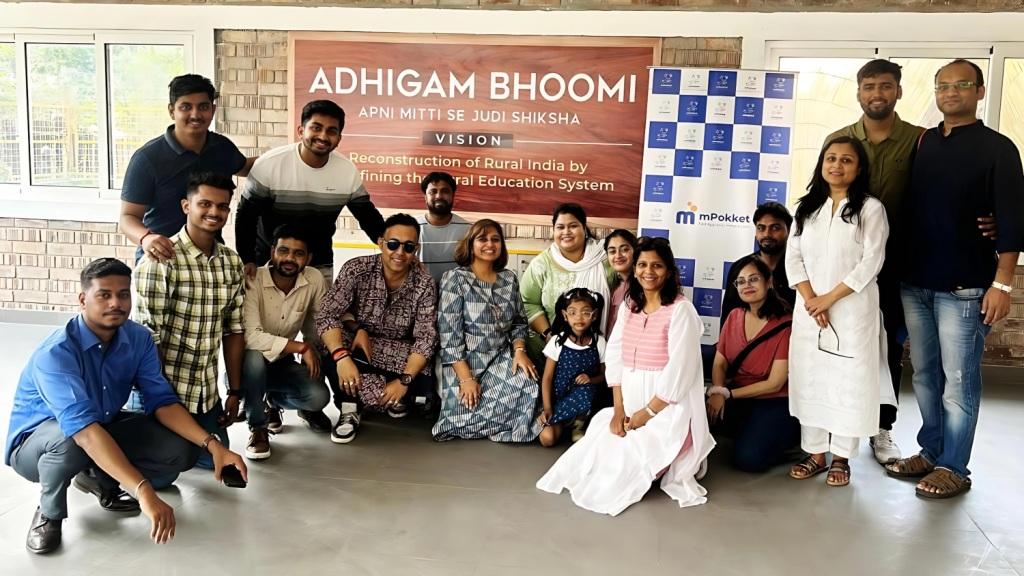 A. We focus on both quantitative metrics and qualitative transformation. Numbers matter - such as the number of girls supported through Adhigam Bhoomi, mobility restored through artificial limb support, or sapling survival rates tracked over multiple years. But equally important are intangible outcomes like confidence, leadership, independence, and community resilience.
Regular monitoring with partners, longitudinal tracking, beneficiary feedback, and field engagement help us understand whether change is truly sustainable. We also evaluate whether communities are becoming more self-reliant, whether women are moving toward financial independence, whether survivors are reintegrating into society, or whether healthcare interventions are improving access and reducing systemic barriers.
Depth of impact is measured not just by reach but by lasting transformation.
Through collaborations with the Institute of Neuroscience, Kolkata, mPokket’s initiatives have reached 3,22,053 beneficiaries, improving access to critical care and awareness.
Q. What insights from your long-term engagement in West Bengal would you share with companies looking to build sustainable, geography-focused CSR models?
A. First, choose depth over dispersion. Working consistently in one geography allows you to understand nuances that are often missed in short-term interventions.
Second, build genuine partnerships, treat implementing organisations as collaborators rather than vendors, and invest in their long-term capacity.
Third, listen continuously. Community needs evolve, and programmes must adapt accordingly. Fourth, integrate employee engagement meaningfully, skill-based volunteering can create deeper connections and stronger outcomes.
Finally, embed impact into governance and strategy so that CSR is not a parallel activity but an extension of organisational values.
Most importantly, approach CSR with humility and patience. Sustainable change rarely happens overnight, but when you commit to a geography with empathy and consistency, the results can be truly transformative.



.png)