Why Safe Disposal of Antibiotics Must Become a Public Health Priority
%20(5).png)
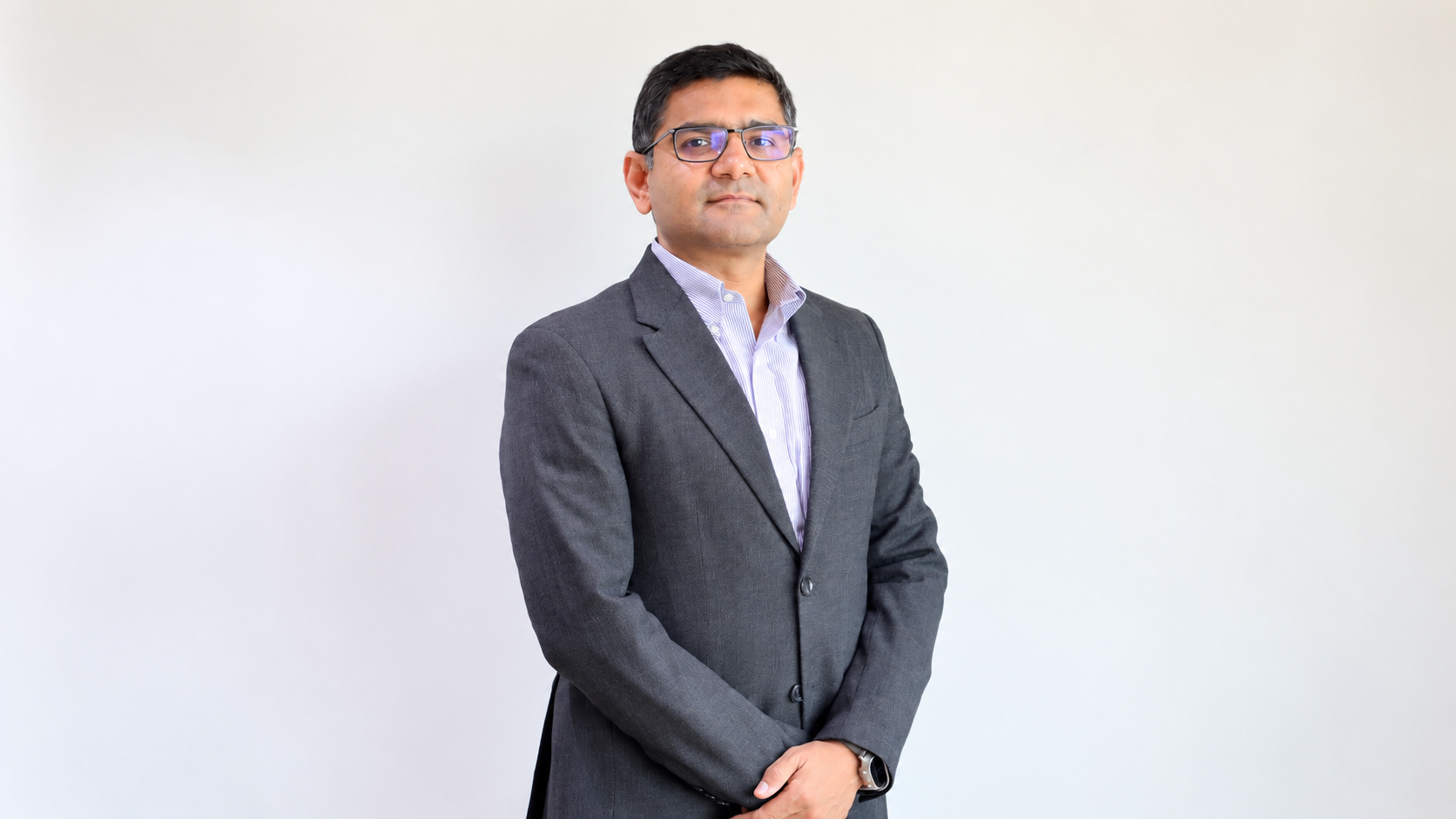
Antimicrobial resistance (AMR) is widely associated with overuse and misuse of antibiotics, but the unsafe disposal of unused and expired medicines remains a lesser-discussed challenge with serious public health and environmental consequences. Antibiotic residues discarded through household waste and sewage systems can contaminate soil and water ecosystems, creating conditions that promote the growth of drug-resistant bacteria. In this insightful interview, Mr. Nishant Sharma, Lead, Health Security at Centre for Health Research and Innovation (CHRI), explains why safe antibiotic disposal must become an urgent community-level priority in India. He highlights the behavioural and systemic gaps that continue to hinder responsible disposal practices and discusses how the AMR Safe Disposal Innovation Challenge 2026, supported by GSK through GSK cares, aims to drive scalable grassroots solutions, community awareness, and long-term AMR containment efforts.
Scroll down to read the full interview.
Q&A
Q. Antibiotic misuse is often discussed in terms of overprescription or non-adherence. How significant is improper disposal of unused or expired antibiotics as a contributor to antimicrobial resistance, and why is it critical to address this issue now?
A. Improper disposal of unused or expired antibiotics is a significant yet under-recognized driver of antimicrobial resistance (AMR). This ‘silent’ pathway exacerbates the impact of irrational antibiotic use in the communities, fueling AMR at a community-wide scale. AMR is growing at a faster rate than that of development of new antibiotics. Therefore, collective action at the community level is now critical in preventing this growing threat from evolving into a public health catastrophe.
Q. From an environmental perspective, how does the disposal of antibiotics through household waste or sewage systems contribute to the spread of antimicrobial resistance in soil and water ecosystems?
A. Household waste and sewage systems act as conduits for environmental selection of resistant bacteria. When antibiotics are discarded in household trash or flushed away, their residues enter the environment and create ‘selection pressure’. This process fosters the growth of resistant strains - also commonly known as ‘superbugs’ through mechanisms like mutations, horizontal gene transfer, etc. These superbugs are increasingly gaining resistance even to the last-resort antibiotics, rendering more and more infections unresponsive to the treatments.
Q. Based on your experience, what are the key on-ground behavioral and systemic challenges that prevent households in India from adopting safe antibiotic disposal practices?
A. The key issue is the lack of awareness among the populations – most households view antibiotics as general waste rather than environmentally hazardous material. With limited/poor understanding of environmental risks associated with improper disposal of antibiotic waste, households frequently discard leftover medicines including antibiotics alongside routine domestic waste. Various surveys have shown that majority of the households in India dispose antibiotic waste into household garbage. From a systemic standpoint as well, there is absence of structured take-back or safe disposal infrastructure at community or pharmacy levels to promote safe disposal of antibiotic waste. In absence of accessible safe disposal system, households don’t end up having any option but to dump their leftover antibiotics into household garbage, which leads to environmental contamination fueling AMR.
Q. The AMR Safe Disposal Innovation Challenge 2026 focuses on community-driven solutions. What kinds of innovations are you hoping to see, and how do you envision these translating into real-world impact at the grassroots level?
A. Through The AMR Safe Disposal Innovation Challenge 2026, we are looking for innovations that not only build awareness but also facilitate reverse supply chain systems to promote safe disposal of antibiotics in the communities. These can be in the form of digital applications, technology prototypes or social innovations such as community collection and pharmacy take-back systems. We are hoping to get low-cost, locally feasible, and scalable solutions that lead to improved adherence to safe disposal practices in the communities.
Q. This initiative brings together organizations like CHRI, PATH, and GSK cares. What role can the broader CSR ecosystem play, alongside such partnerships, in addressing complex challenges like antimicrobial resistance?
A. CSR ecosystem can play an instrumental role in co-designing community level IEC campaigns and piloting innovative solutions for enabling reverse supply chain systems for safe antibiotic disposal in collaboration with the government. This collaborative effort can go beyond the human health space, and address issues regarding proper use and disposal of animal antibiotics from one health perspective.
Q. What kind of measurable outcomes or impact indicators will define the success of this initiative in both the short and long term?
A. We are looking for at least 30% increase in awareness of households on environmental risk factors for AMR and improvement on similar lines in the safe disposal practices at the household level, where pilot interventions will be launched. We also plan to establish at least 10 community collection points and pharmacy-based drop boxes in each of the 8 pilot blocks. In the long term, policy advocacy will be done to scale up the tested models of safe antibiotic disposal and integrate them into the existing system. It is also planned to facilitate scaling up of pilot interventions in the whole state.
Q. Behavioural change remains a major barrier in public health. What practical strategies have proven effective or show promise in encouraging communities to adopt safe antibiotic disposal practices?
A. Messages should be conveyed in the form of a story that connects with the audience. The message context should be locally relevant, and content should be concise and presented in an easy language. The strategy should focus on establishing new norms by highlighting champions in the communities who lead community-based efforts for safe disposal. This encourages other community members to join the movement, transforming improved behaviors into a collective community responsibility.
Q. Beyond disposal, do you see this initiative driving broader shifts in how communities understand and use antibiotics responsibly? What long-term impact could this create?
A. Yes, awareness building activities on the importance of safe antibiotic disposal for AMR reduction among communities will have knock on effects in other areas as well, by fostering improved stewardship behaviors and promoting rational antibiotic use among them. This will lead to AMR containment in the long term
Q. What are the next steps for this initiative, and how do you see partnerships like these helping scale safe antibiotic disposal solutions across communities in India?
A. The next steps involve moving our selected solutions from Hackathon into rigorous field pilots in Maharashtra. We will be working with local public health authorities and other key stakeholders to refine these solutions based on real-world feedback. Based on successful demonstration of low cost and impactful models in Maharashtra, blueprint will be created to facilitate the full-scale rollout within the state as well as pan India.

.png)