From Community Trust to Shop Floor Change: Inside JSW MG Motor India’s Workforce Shift
The future of manufacturing in India may not only be shaped by automation, AI, or electric vehicles. It may also depend on who finally gets access to the factory floor.
At JSW MG Motor India’s Halol facility, women are not being positioned as symbolic additions to diversity campaigns. They are assembling EV batteries, leading production milestones, returning to technical careers after breaks, and steadily reshaping the culture of an industry that has long operated with invisible barriers.
What makes this shift noteworthy is that it did not begin with branding exercises. It began with redesigning shop floors, engaging families and local panchayats, questioning hiring biases, and treating inclusion as a business decision rather than a social obligation.
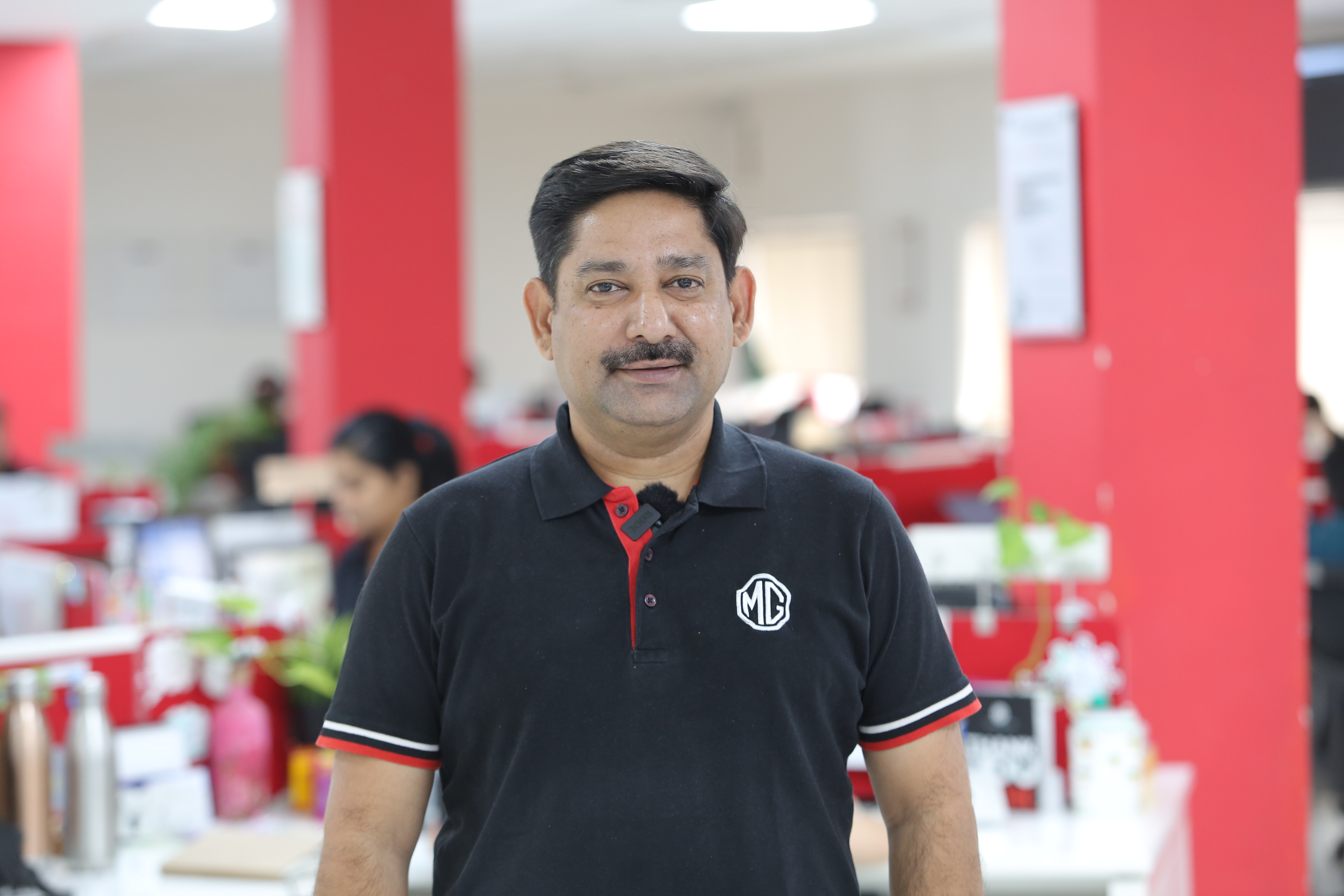
In this interview, Yeshwinder Patial, CHRO, JSW MG Motor India, speaks about the operational realities behind building a more gender-inclusive manufacturing ecosystem, from overcoming resistance on the shop floor to creating leadership pipelines, returnship opportunities, and rural skilling pathways that are beginning to influence how future mobility talent is shaped in India.
Explore the full conversation below:
Q&A
Q. What were the key changes you made at the Halol plant to enable this shift, especially in roles traditionally dominated by men?
A. We embedded a balanced workforce philosophy from day one, which included redesigning roles, infrastructure, and policies to enable inclusion. This included ergonomic shopfloor design, gender-neutral hiring, sensitized interview panels, and deep community engagement with local panchayats and families. These efforts have enabled women to take on core manufacturing roles, including advanced areas like EV battery assembly.
Q. How has greater participation of women on the shop floor and in R&D translated into measurable business outcomes such as productivity, quality, innovation, or retention?
A. Greater women participation has delivered tangible improvements in quality, consistency, and collaboration. In precision-driven environments, we have seen strong outcomes, for instance, our battery assembly shop, with an 80% women workforce, consistently meets stringent safety and performance standards while maintaining high productivity. Diverse teams have also strengthened problem-solving and innovation across operations and R&D.
Q. Your Drive Her Back program is now in its fifth season. What has changed in how you support women returning to work over time?
A. Over five seasons, Drive Her Back has evolved into a structured career reintegration platform. Beyond hiring, it now focuses on mentoring, capability-building, and confidence restoration. We ensure role-fitment aligned to prior experience and provide networks that support long-term growth. The shift has been from enabling re-entry to enabling sustained career progression and leadership readiness.
Q. What kind of training and support do you provide to women from rural or non-technical backgrounds?
A. Through initiatives like Farm to Factory, we provide structured technical training, hands-on learning, and continuous on-the-job support. This is complemented by safety training, soft skills, and confidence-building. By working closely with local communities and institutions, we help women from rural and non-technical backgrounds transition into high-skill manufacturing roles with confidence and competence.
Q. What were the biggest challenges you faced in increasing women’s participation, and how did you address them, especially in building support among male employees?
A. The primary challenges were societal perceptions and initial resistance within a traditionally male-dominated environment. We addressed these through continuous sensitization, unconscious bias training, and visible leadership commitment. Engaging families and communities helped build trust, while making diversity a measurable KPI ensured accountability and encouraged male employees to actively support inclusion.
Q. What steps are you taking to move more women into leadership and decision-making roles, and what is the future roadmap for this?
A. We are building a robust leadership pipeline through structured programs like EmpowHer, mentoring, and cross-functional job rotations. Focused capability-building in areas like decision-making and financial acumen prepares women for larger roles. Going forward, we are strengthening succession planning and leadership accountability to ensure higher representation of women in decision-making positions.
Q. As the automotive sector transitions toward electric vehicles and advanced technologies, do you see gender diversity becoming a competitive advantage in building future-ready talent?
A. We definitely see gender diversity as an advantage. As the industry shifts to EVs and advanced technologies, diverse talent becomes a clear competitive advantage. At our Halol facility, the EV battery assembly shop, which is critical to future mobility is powered by an 80% women workforce. This demonstrates how inclusion drives precision, innovation, and adaptability, all of which are essential to building future-ready organizations.
Q. What measurable changes have you observed in the local community around the Halol plant regarding women’s financial independence or social attitudes? Please share any specific success stories.
A. We have seen a visible shift in financial independence and social confidence among women around Halol. Many are now contributing to household incomes and supporting education for their families. Importantly, women are participating in high-skill, future-facing roles such as EV battery assembly, signalling a broader change in societal perceptions about women in manufacturing.
Q. What are three practical steps other manufacturing companies can take to improve gender diversity, and what should they avoid?
A. First, invest in infrastructure and policies that enable participation. Second, embed diversity into hiring and leadership KPIs to drive accountability. Third, engage communities to build trust and talent pipelines. Companies should avoid tokenism, inconsistent follow-through, and treating diversity as a one-time initiative rather than a sustained cultural priority.



.png)