
TCI Safe Safar: Driving Road Safety, Driver Welfare and Sustainable Logistics Across India
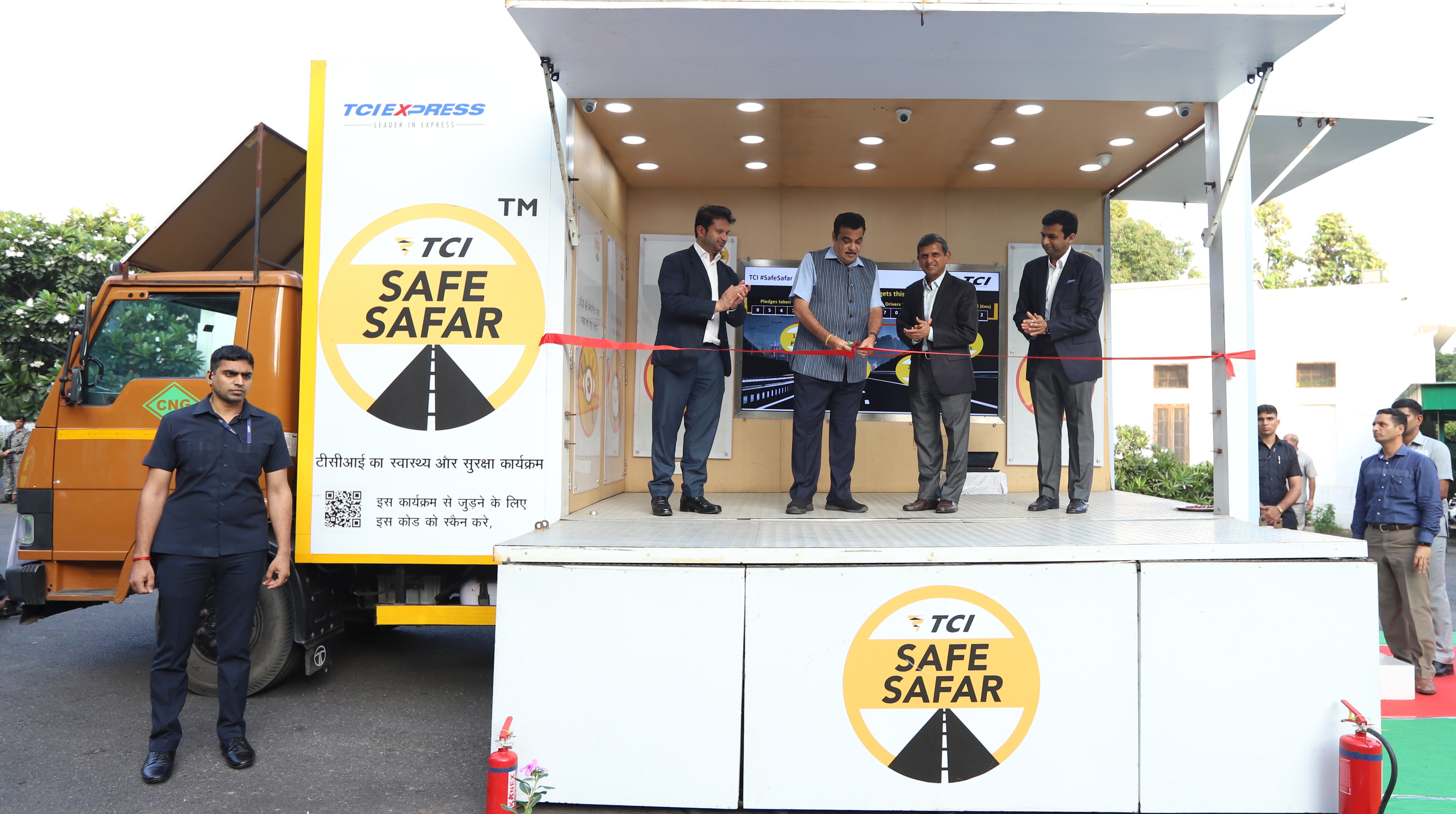
Every day, millions of truck drivers traverse India’s highways, ensuring that goods reach factories, businesses, and households across the country. Yet, behind the movement of the nation’s supply chains lies a pressing challenge—road safety, driver well-being, and the need for a more humane and sustainable logistics ecosystem. Addressing these interconnected issues requires more than awareness campaigns; it calls for a holistic approach that combines safety, health, technology, and dignity for those who keep the economy moving.
In this insightful conversation with TheCSRUniverse, Mr. Rajkiran Kanagala, President & Chief Business Officer, TCI, discusses the evolution of TCI Safe Safar from a road safety awareness initiative into a comprehensive driver welfare and ESG-focused programme. The discussion explores how grassroots engagement, health interventions, digital literacy, and technology-enabled solutions are helping transform driver behaviour while contributing to broader sustainability goals.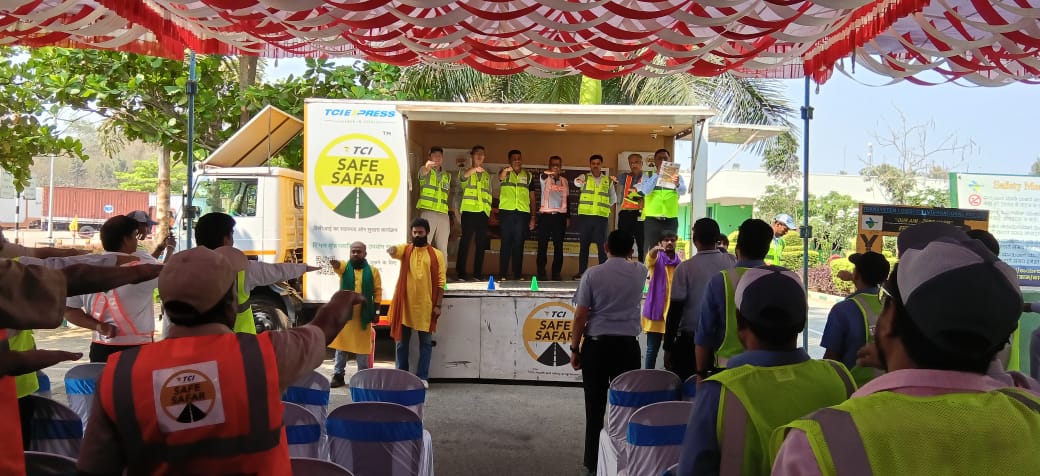
The interview also highlights the intersection of road safety with decarbonisation, workforce welfare, and responsible supply chains, while examining the collective role of industry, government, and communities in achieving India’s road safety ambitions. Scroll down to read how TCI Safe Safar is working to create a culture of safety, respect, and responsibility—one that places drivers at the heart of India’s sustainable logistics future, ensuring that every journey truly becomes a safe journey.
Scroll down to read more:
Q. TCI Safe Safar began as a road safety awareness initiative in 2019. How has the programme evolved over the years into a broader ESG and driver-welfare model within the logistics ecosystem?
A. India loses over 1.5 lakh lives on its roads every year that is 422 families shattered every single day. TCI Safe Safar was born from a firm conviction that this does not have to be the norm and that the millions of drivers who keep India's economy moving deserve to come home safely.
When TCI Safe Safar was launched in 2019, road safety awareness was its singular focus. But as the team spent time at truck terminals and highway stops, a deeper truth emerged: road safety and driver wellbeing are inseparable. You cannot address one without the other.
What started as an awareness campaign has grown into a comprehensive programme spanning driver health, hygiene, digital literacy and environmental awareness, now active across 16 states and covering over 1,24,000 kilometres of highway corridors. The numbers tell the story: over 49,000 drivers directly engaged, more than 1.6 lakh safety pledges taken and a reach of over 1.3 million people through 1,200+ on-ground programmes.
This evolution reflects TCI's larger ESG commitment that safer roads are built on the foundation of informed, healthy and empowered drivers. Every metric is not just a milestone; it is a life potentially saved, a family kept whole.
"Safer roads are possible only when drivers are informed, healthy, respected and empowered."
Q. Changing driver behaviour across languages, regions and literacy levels is extremely complex. What strategies has TCI adopted to make road safety communication relatable and effective at the grassroots level?
A. The philosophy driving TCI Safe Safar's outreach is simple: go to the drivers, not the other way around. Three dedicated outreach trucks crisscross the country covering North India, South and East India and Central and West India bringing road safety directly to where drivers are: truck terminals, industrial areas and highway hubs.
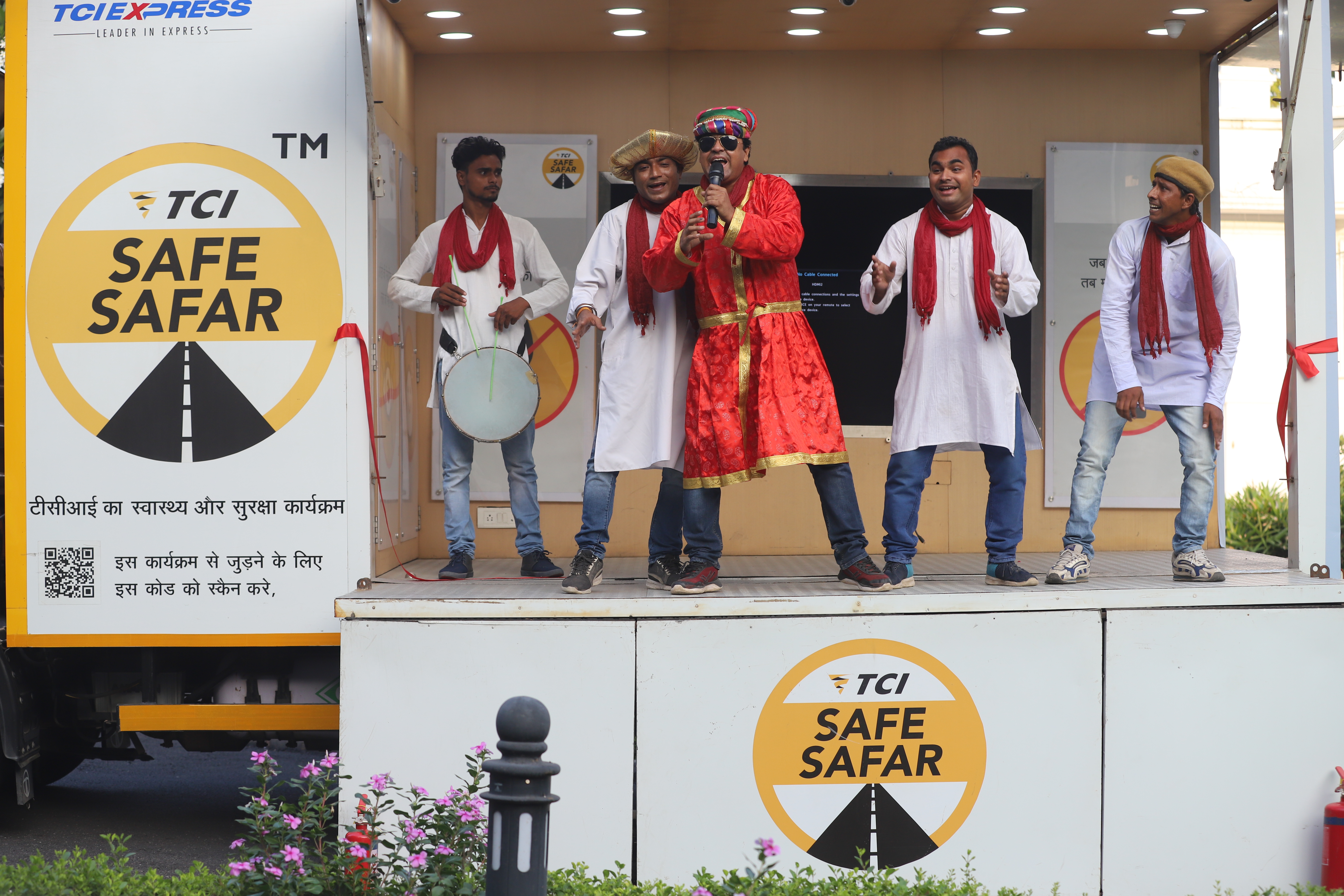
At the heart of the communication model is the Nukkad Natak, a traditional street play performed in local languages that make safety messages vivid, memorable and genuinely entertaining. Supported by quizzes, interactive demonstrations and posters, these sessions treat drivers as active participants, not passive audiences.
This approach, which the programme calls 'To Drivers, Through Drivers,' has produced something remarkable: over 1.6 lakh safety pledges taken willingly, in front of peers. When a person feels genuinely heard and respected, they act. The pledge count is proof of that.
Q. Beyond awareness campaigns, what structural issues—such as fatigue, health, infrastructure gaps, or working conditions—continue to contribute to unsafe driving practices in India’s trucking sector?
A. Behind most road accidents are not reckless individuals but systemic failures that rarely make headlines. Punishing delivery schedules that leave drivers fatigued, limited access to healthcare on the road, poor roadside infrastructure, the absence of basic sanitation and shelter and long stretches away from family, these are the real, everyday conditions that make driving dangerous.
TCI Safe Safar addresses this head-on by integrating health camps through Khushi Clinics and TCI Foundation, along with wellness and stress management sessions, directly into the outreach programme. Building safer roads means addressing the whole person. The safest driver is not just a trained driver, it is a healthy, rested and respected one.
Q. TCI has increasingly linked technology and sustainability with logistics transformation. How are digital tools, telematics, or data-driven systems being integrated into the Safe Safar initiative to improve safety outcomes?
A. For many truck drivers, TCI Safe Safar has been their first meaningful engagement with digital tools in a professional context. Drivers are introduced to platforms like Sarathi Parivahan and Vahan for licence and vehicle compliance and Google Maps for navigation and trip planning tools that directly support safer, more informed journeys.
At the industry level, telematics and data analytics are enabling real-time monitoring of driving parameters: speed, braking behaviour and hours behind the wheel. This shifts the safety conversation from reactive to proactive, identifying and correcting risky habits before they become dangerous patterns.
The programme also captures participation and outreach data through a secure Digital Asset Management system, making TCI Safe Safar more evidence-based and accountable. Technology here is not a buzzword; it is a tool for genuine, measurable impact
 Q. As an active member of sustainability and zero-emission logistics initiatives, how do you see road safety intersecting with broader ESG priorities such as decarbonisation, workforce welfare and responsible supply chains?
A. Road safety is, at its core, a comprehensive ESG issue and TCI Safe Safar sits precisely at that intersection. On the social dimension, every life saved is a family kept whole and a community spared grief. On the environmental front, disciplined, calm driving directly reduces fuel consumption and emissions, harsh braking and over-speeding burn more fuel than most people realise. On governance, strong safety standards signal the operational discipline and accountability that define responsible business.
The supply chain dimension matters too. Drivers are the backbone of India's logistics system. Protecting their welfare is not just a moral obligation, it is a prerequisite for a supply chain that is resilient, reliable and sustainable. A driver who is healthy, trained and respected is a safer driver, which means fewer accidents, fewer delays and a more dependable network.
"Road safety sits at the intersection of people, productivity and sustainability."
Q. The private sector is expected to play a critical role in helping India meet its 2030 road safety commitments. What more should logistics companies, manufacturers and policymakers collectively do to create systemic change?
A. India's road safety ambitions for 2030 demand sustained, collective action. Logistics companies must embed safety into the very DNA of driver training, fleet operations and performance culture, not as a compliance exercise but as a core value. Vehicle manufacturers need to push the frontier of driver-assistance technology, ergonomic cabin design and safety systems that actively reduce fatigue and error. Policymakers must invest in the infrastructure of safety: quality rest stops, accessible healthcare, strong enforcement and basic amenities that make the highway humane.
The encouraging sign is that this convergence is already beginning. Many corporations have partnered with TCI Safe Safar and industry bodies and government stakeholders are increasingly aligned around shared goals. The momentum is building, it simply needs to be sustained.
Q. Driver welfare often remains under-discussed despite drivers being the backbone of India’s supply chain economy. How is TCI working to address issues such as health, dignity, mental well-being and social security for drivers through Safe Safar?
A. Truck drivers are the unsung heroes of India's economy. They keep supply chains moving, deliver goods to every corner of the country and do so at enormous personal cost, long hours, prolonged family separation and limited access to the services most people take for granted. TCI Safe Safar begins from a position of deep respect for this community.
The programme combines road safety education with health and hygiene awareness, stress management and open conversations about mental well-being. Health camps through Khushi Clinics bring medical access to drivers who would otherwise have none. The 'Dhanyawaad Drivers' campaign is a public acknowledgement of the vital role they play, a small gesture, but a meaningful one.
"When drivers feel valued and supported, they are more likely to adopt safer practices and take pride in their profession."
Q. What is your long-term vision for TCI Safe Safar? Do you see it evolving into a national collaborative platform that can influence policy, industry standards and behavioural change at scale?
A. The long-term vision for TCI Safe Safar is to become a nationally recognised platform for road safety, driver welfare and responsible mobility, one that industry, government and civil society own together. The scale already achieved demonstrates that awareness-led, empathy-driven interventions can create meaningful behavioural change at scale. Over 1.3 million people reached. 49,000+ drivers directly engaged. 1,200+ programmes across 16 states. Multiple national awards including the British Safety Council's James Tye Award and the FICCI Road Safety Award 2024.
The road ahead is ambitious. TCI Safe Safar will expand its truck outreach fleet for deeper regional coverage, add four more mobile school vans focused on high road-accident-risk districts, and amplify its digital presence through campaigns like 'Dhanyawaad Drivers' and 'Dhyaan Do Jaan Nahi.
The goal is not just wider reach. It is a durable culture of safety, dignity and responsibility woven into the fabric of India's entire logistics ecosystem. One driver at a time. One school at a time. One highway at a time.
"Har Safar, Safe Safar - Every Journey, a Safe Journey."










.png)