From Sanitation to Climate Neutrality: How Duravit India is Driving Community Led Sustainability
.jpg)
As India accelerates its transition towards sustainable development, the role of corporate social responsibility is undergoing a significant transformation. Businesses are no longer being assessed solely on financial performance, but also on how effectively they contribute to environmental resilience, resource conservation, and inclusive community development. In a country grappling with rapid urbanisation, water stress, waste management challenges, and growing climate concerns, corporations are increasingly expected to create long term, measurable impact through locally relevant and socially conscious interventions.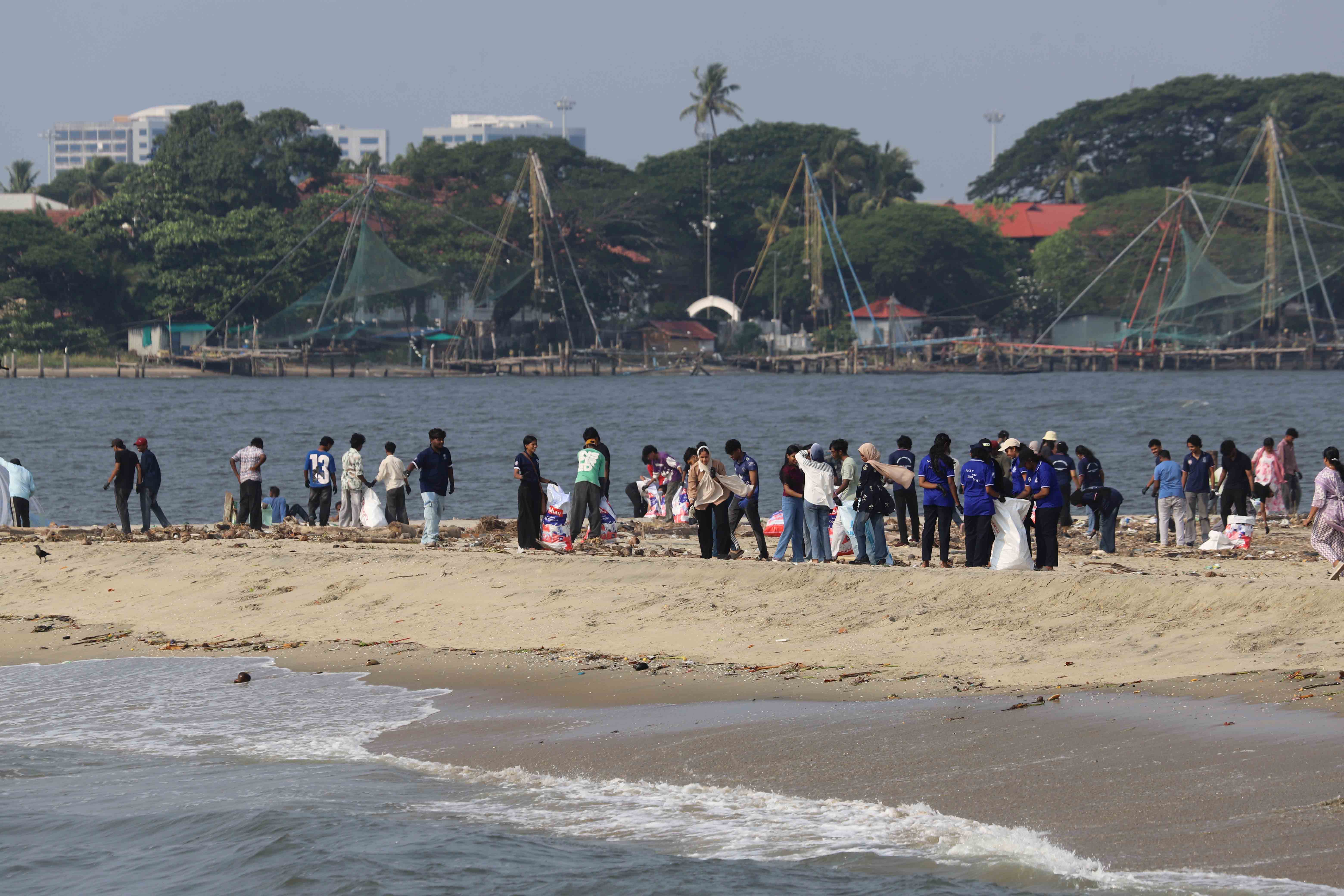
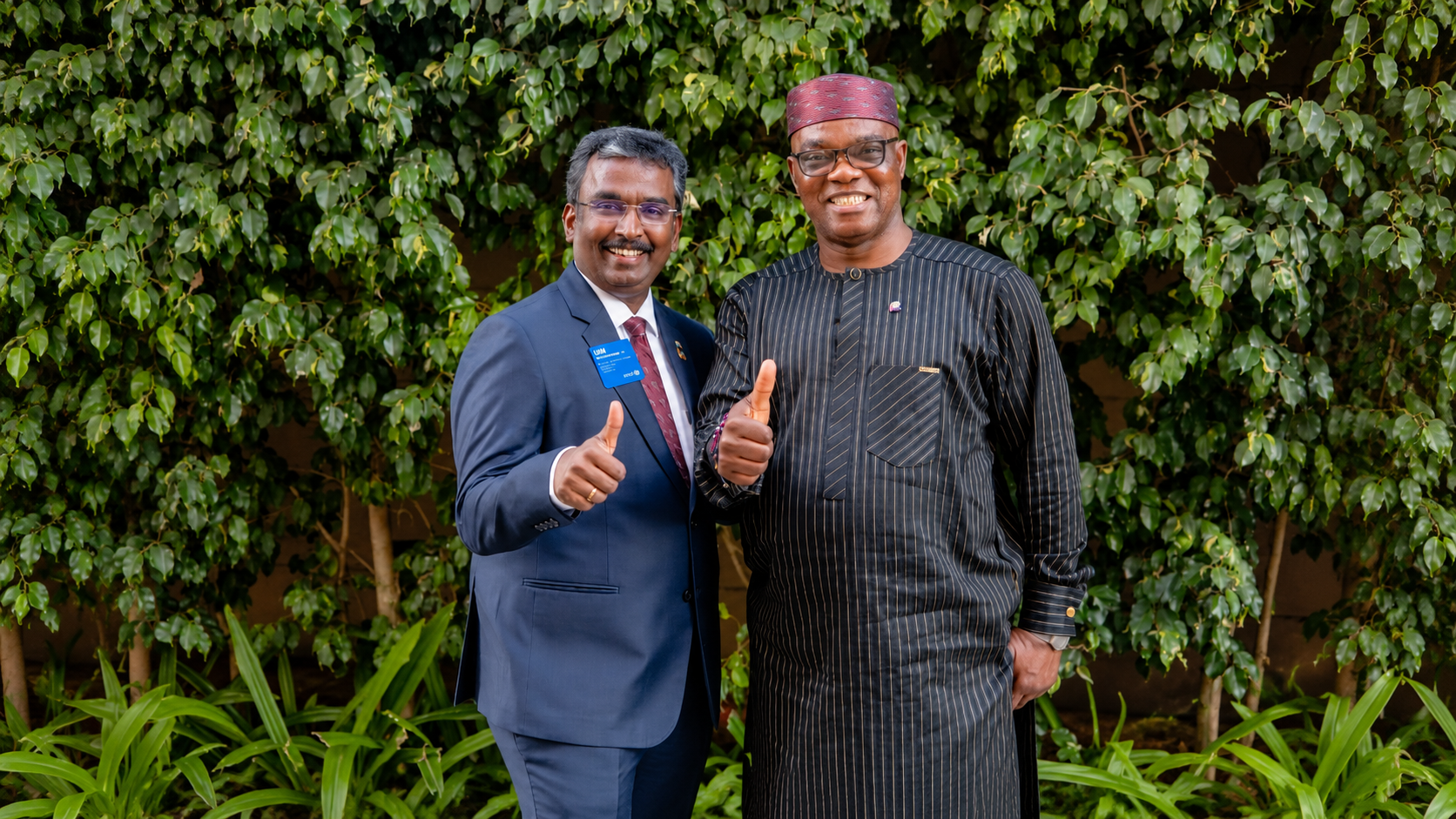
Against this backdrop, Duravit India is positioning sustainability not as a standalone initiative, but as an integrated business philosophy rooted in responsible manufacturing, environmental awareness, and grassroots community engagement. In this interview, Mr. Sahyog Bharti Pandita, Managing Director of Duravit India & SAARC, speaks about the company’s evolving approach to CSR, its focus on sanitation and environmental education, and the importance of building sustained behavioural change through community participation. He also shares how Duravit is aligning local initiatives with its larger global vision of achieving climate neutrality by 2045, while fostering partnerships and experiential engagement models that make environmental action more accessible, scalable, and impactful.
Scroll down to read the full interview:
Q. Duravit has consistently emphasised sustainability as a core business value. How do you define meaningful corporate social responsibility in today’s environmental landscape, and how has that philosophy evolved within the organisation over time?
A. Meaningful corporate social responsibility today goes beyond compliance and is closely linked to how responsibly we design, manufacture, and deliver our solutions. In the current environmental landscape, CSR must focus on measurable impact through efficient resource utilisation, reduction of water and energy consumption, and the adoption of environmentally responsible materials. Our approach has gradually expanded from focusing mainly on product efficiency to embracing a broader perspective that includes responsible manufacturing, employee engagement, and community initiatives. The long-term vision remains centred on creating solutions that support sustainable living while contributing positively to the environment and the communities we serve.
Q. With global movements like Good Deeds Day gaining traction, how important is it for corporations to align their CSR initiatives with larger international platforms to amplify impact?
A. Aligning CSR initiatives with global movements such as Good Deeds Day is highly valuable, as it helps amplify both the reach and the impact of corporate efforts. When organisations connect their local initiatives with internationally recognised platforms, they contribute to a larger collective movement that encourages awareness, collaboration, and the sharing of best practices. We believe that responsible corporate action becomes more effective when it is supported by strong partnerships and a shared sense of purpose. Participation in global initiatives not only enhances the visibility and credibility of CSR programmes but also inspires employees and stakeholders to engage more actively. By aligning local actions with global platforms, companies can create more structured, scalable, and meaningful initiatives that deliver lasting social and environmental benefits.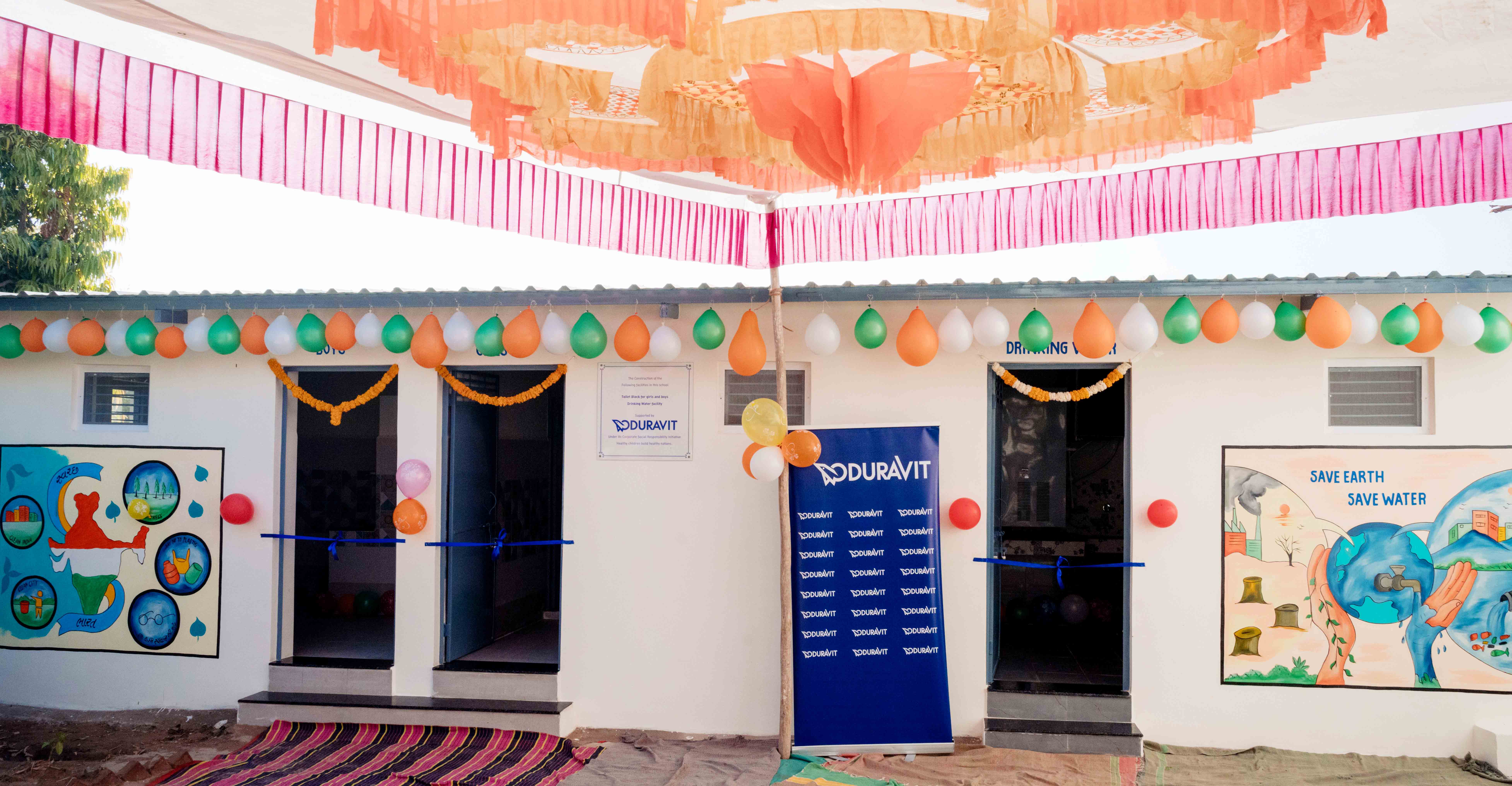
Q. Community engagement appears central to your recent initiatives. How does Duravit ensure that its CSR efforts go beyond one-time interventions to create sustained behavioural change within local communities?
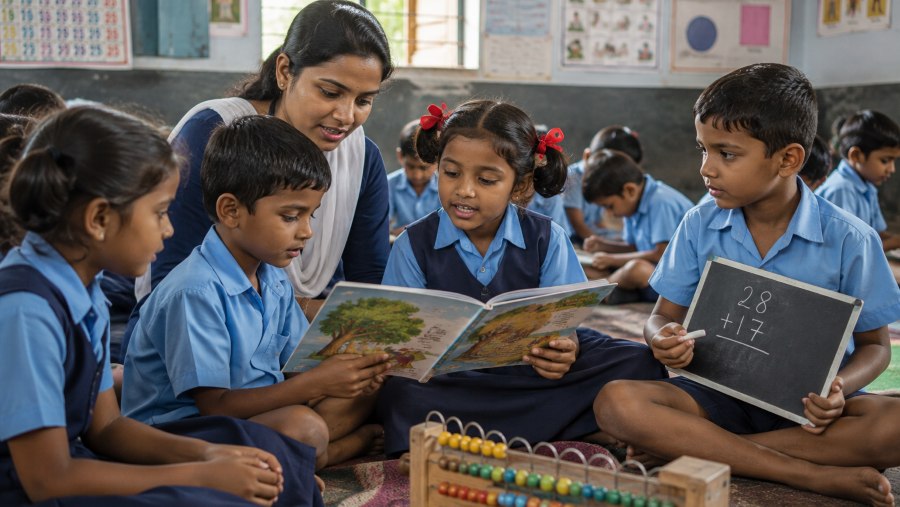
A. Community engagement is essential to ensuring that CSR initiatives create meaningful and lasting impact. We focus on building programmes that encourage participation, awareness, and long-term involvement rather than one-time activities. Our approach involves working closely with local communities to understand their needs and designing initiatives that promote responsible habits, particularly around hygiene, water conservation, and sustainable living. Over the past eight years, our CSR initiatives have supported more than 8,500 students and staff across 33 schools by providing sanitation facilities, clean drinking water, and smart classroom infrastructure. We also emphasise education and continuous engagement, which helps reinforce positive behaviours over time. By maintaining consistent follow-ups and strong partnerships, we aim to create lasting awareness and measurable improvements within the communities we support.
Q. Your partnership with the Captains Social Foundation highlights the importance of cross-sector collaboration. What criteria do you use when selecting NGO partners to ensure alignment with your sustainability goals?
A. Selecting the right NGO partners is a critical part of ensuring that our CSR initiatives create meaningful and lasting impact. We look for organisations that have a proven track record, transparent processes, and a strong commitment to community development and sustainability. Alignment in values is essential, especially when initiatives focus on long-term priorities such as sanitation, environmental awareness, and education. Equally important is the partner’s ability to engage local communities effectively and implement programmes with consistency and accountability. By working with credible and experienced organisations, we ensure that our CSR efforts remain responsible, impactful, and aligned with our broader sustainability goals.
Q. The evolution of Trash Hunt into a ‘Beach Volunteering Festival’ suggests a shift towards experiential engagement. How do you see the role of such hybrid formats in making environmental action more accessible and appealing?
Q. The shift towards a ‘Beach Volunteering Festival’ format plays an important role in making environmental action more engaging and inclusive. By combining volunteering with interactive and community-led activities, such formats create a positive and memorable experience that naturally encourages higher participation, particularly among younger audiences. When environmental initiatives are designed as shared experiences rather than routine tasks, they become more accessible and enjoyable for communities. This approach helps build stronger connections, encourages repeat participation, and fosters long-term awareness, ultimately motivating individuals to take greater responsibility for protecting their surroundings and adopting more sustainable habits in their daily lives.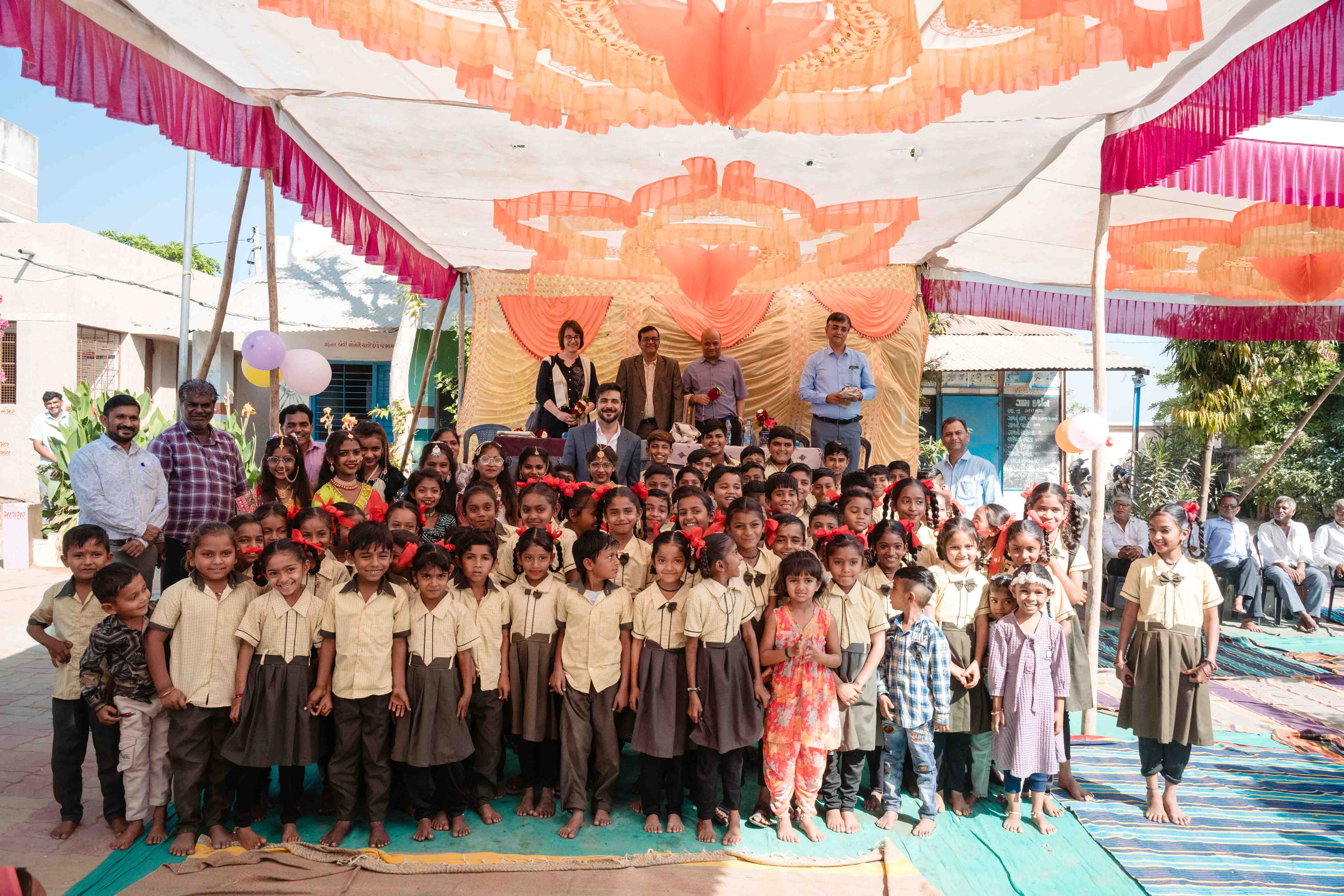
Q. Duravit operates in over 130 countries. How do you balance global sustainability commitments with the need to design locally relevant CSR interventions, especially in diverse markets like India?
A. Operating across diverse markets requires balancing global sustainability standards with a strong understanding of local needs. While our global commitments provide a consistent framework for responsible manufacturing, water conservation, and resource efficiency, CSR initiatives are carefully adapted to reflect regional priorities. In a diverse country like India, this means engaging closely with local communities, institutions, and partners to identify areas where our efforts can create meaningful impact. By combining global expertise with local insights, we are able to design CSR programmes that are both relevant and sustainable, ensuring that our initiatives address real community needs while aligning with our broader environmental and social commitments.
 Q. As a company aiming for climate neutrality by 2045, how do grassroots CSR initiatives like beach cleanups integrate with your broader environmental and operational sustainability roadmap?
A. At Duravit, grassroots CSR initiatives form an important part of our broader sustainability roadmap and support our long-term vision of responsible growth and climate neutrality. Activities such as community engagement programmes, sanitation initiatives, and environmental awareness drives are aligned with our global sustainability commitments, ensuring that local actions contribute meaningfully to larger environmental goals. Over the next three to five years, our focus in India will be on expanding community participation, strengthening waste management awareness, and promoting environmental education across schools and local communities. We aim to increase volunteer engagement, build structured programmes that encourage long-term behavioural change, and establish progressive internal benchmarks to measure participation and impact. By continuously reviewing outcomes and aligning local initiatives with global sustainability priorities, we aim to ensure that our CSR efforts remain measurable, relevant, and capable of delivering long-term value to communities.



.png)