How Climate Change is Disrupting Childhood for Vulnerable Children
Climate change conversations often focus on infrastructure, emissions, and economic losses. But one of its most overlooked consequences is the growing impact on children, especially those already living in vulnerable circumstances. From disrupted education and restricted outdoor activity to rising emotional stress and unsafe living conditions, climate-linked disruptions are quietly reshaping childhood across India.
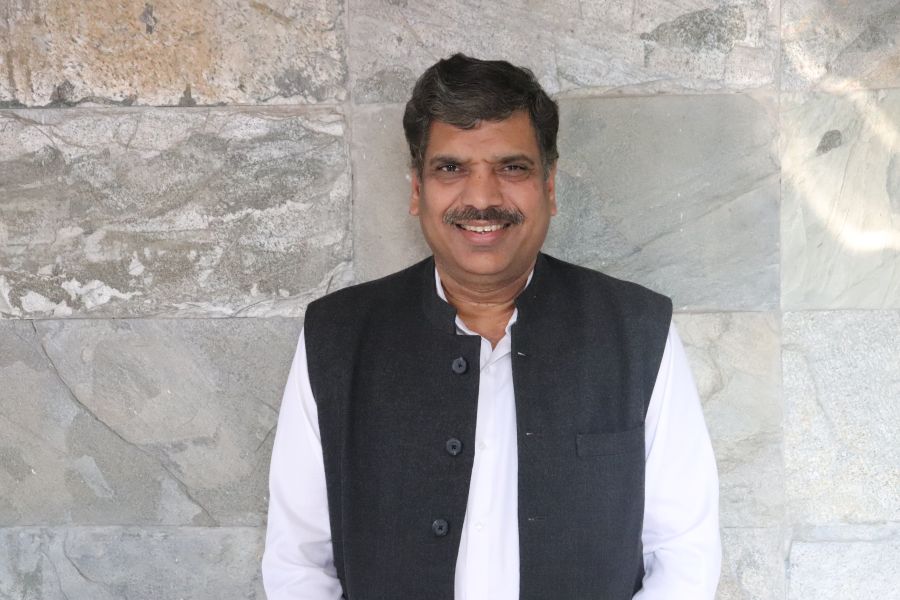
In this insightful article, Sumanta Kar, CEO, SOS Children's Villages India, examines why climate resilience must also become a child welfare priority. Drawing from over 31 years of experience in alternative care, emergency response, and community development, Kar brings a ground-level perspective shaped by his work with vulnerable children and families across the country. He explores how sustainability, community preparedness, and collaborative action can help protect children from the long-term social and developmental consequences of climate change, while also empowering young people to become active participants in building a more resilient future.
Continue reading for more insights.
Climate change is no longer a distant environmental concern. It is a present-day reality reshaping childhood across India, particularly for children who are already vulnerable due to the absence of parental care, family instability, or economic insecurity.
For children growing up without the safety net of stable homes, climate change creates a wider gap by stripping away the few certainties they rely on such as routine, safety, access to education, and opportunities to grow in healthy environments. Extreme temperatures, unpredictable rainfall, floods, and prolonged heatwaves disrupt their daily lives, making those already at risk even more vulnerable.
We have observed a significant rise in heatwaves and erratic weather patterns over recent years. While climate change is often discussed through the lens of infrastructure, agriculture, or economic losses, its impact on children is frequently overlooked. Yet children experience these shocks in deeply personal ways. Their safe “play time” is reduced, outdoor mobility becomes restricted, and stress levels rise. These may appear like small losses, but for a child, they are fundamental to development.
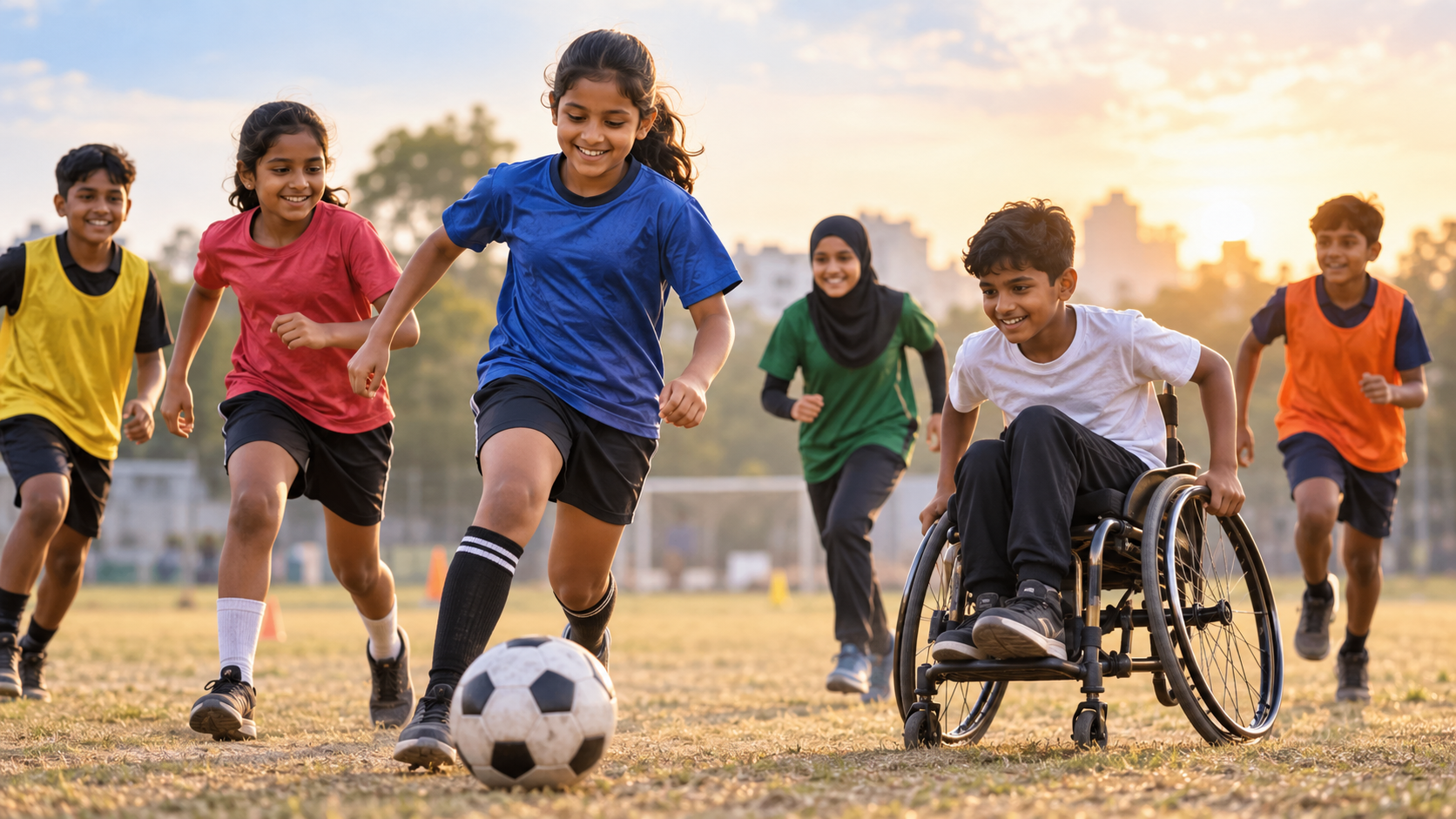
The most immediate challenge we see is the disruption of holistic development. Childhood growth does not happen only inside classrooms. It happens on playgrounds, in friendships, through sports, through curiosity-driven excursions, and through a sense of freedom outdoors. When extreme weather keeps children indoors or makes public spaces unsafe, they lose far more than recreation; they lose developmental opportunities that shape confidence, emotional health, and social skills.
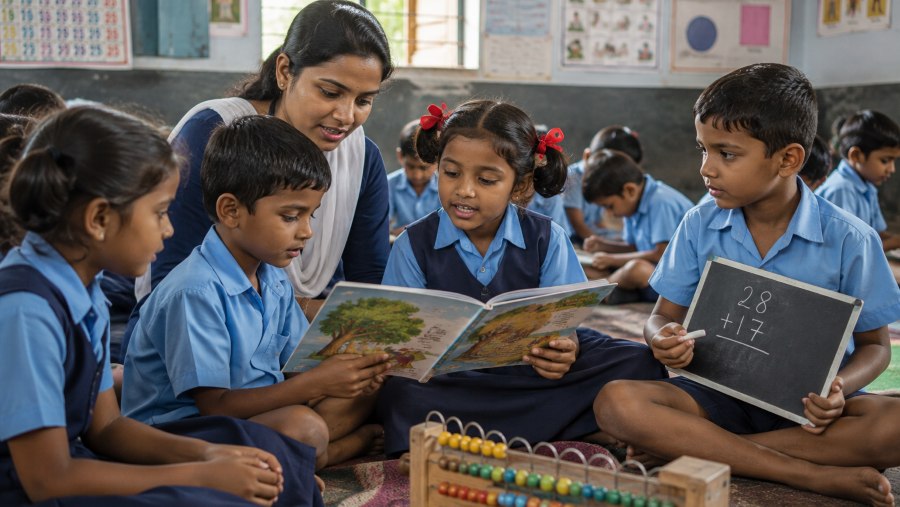
Environmental instability also affects education directly. School closures during severe heat or flooding interrupt learning continuity and deepen educational gaps. For vulnerable children, even temporary breaks in schooling can have long-term consequences. For vulnerable children, the first social circle in their lives often come from the friends they make in school. School closures hampers the development of social skills, apart from academics. Every missed day of learning increases the risk of falling behind, disengagement, and reduced future opportunities.
The harsh truth is that climate change disproportionately affects those who have contributed the least to it. Vulnerable children are among the first to feel its consequences and the least equipped to absorb its shocks.
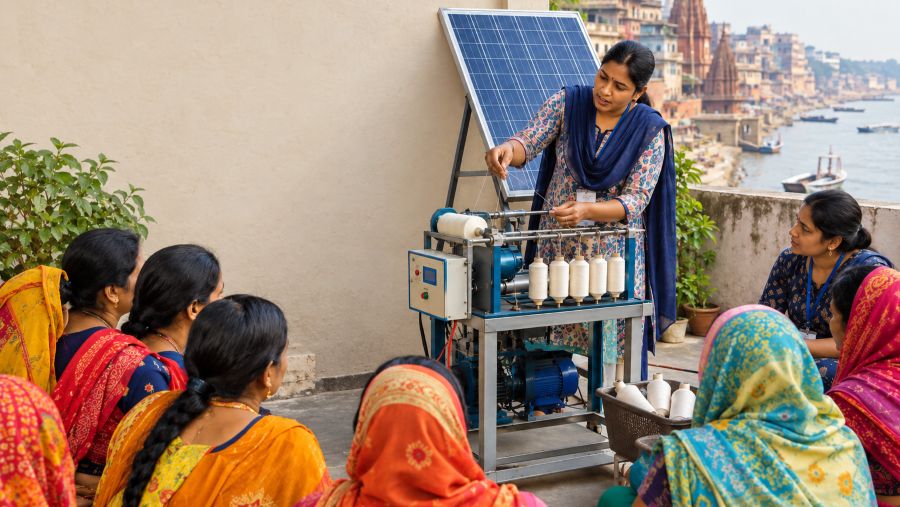
This is why sustainability cannot remain separate from child welfare. Environmental responsibility can be integrated into daily operations through solar panels, rainwater harvesting, sewage treatment plants, water ATMs, eco-bricks, and other conservation-led solutions. These are not symbolic gestures. They help build resilient communities while teaching children practical stewardship of resources.
Children and young people should also be encouraged to actively engage with environmental responsibility through plantation drives, responsible resource use, and even pursuing formal education in Environmental Science. Children are not merely victims of the climate crisis; they can also become informed participants in solving it.
Adults must ensure that they pass on a safe and livable planet that children rightfully deserve. At the same time, children must be empowered with awareness, education, and agency to help protect that inheritance.
However, meaningful progress requires stronger collaboration. Governments, civil society, communities, and corporates must establish robust reporting and response mechanisms to identify and support children specifically affected by climate risks. Both immediate crisis preparedness and long-term solutions are required for displaced or impacted youth.
Looking ahead, the priority should be to institutionalise climate preparedness across and scaling green infrastructure. But no single organisation can solve this alone. Protecting vulnerable children from the brunt of climate change demands collective responsibility. It is the need of the hour to begin with those who will live in it the longest. The question before us is not whether climate change is affecting children. The real question is whether we are willing to act in time.