Guardians of the High Himalayas: A New Model of Conservation in Ladakh
India’s fragile Himalayan ecosystems are increasingly at the centre of the country’s sustainability discourse. Climate change, expanding infrastructure and rising tourism have placed immense pressure on mountain biodiversity, particularly in cold desert landscapes such as Ladakh. Against this backdrop, the recent collaboration between the Indian Army and the Ladakh Forest Department offers a compelling example of how institutions beyond traditional conservation actors can contribute to protecting ecological heritage.
On World Wildlife Day in March 2026, the Indian Army’s Fire and Fury Corps signed a Memorandum of Understanding with the Forest, Ecology and Environment Department of Ladakh to protect the region’s high altitude wildlife and ecosystems. The partnership focuses particularly on the conservation of the Snow Leopard and several other key species that define the Himalayan biodiversity landscape.
Conservation at the Frontlines
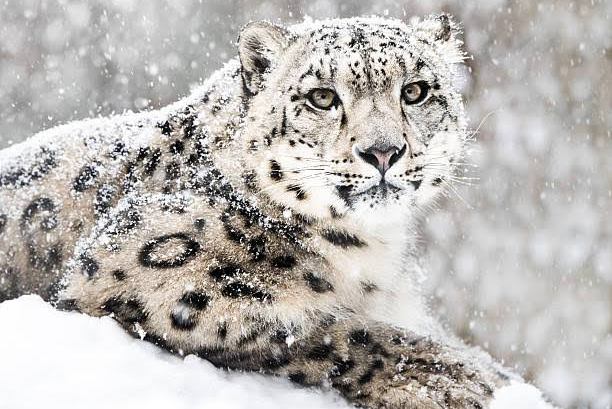
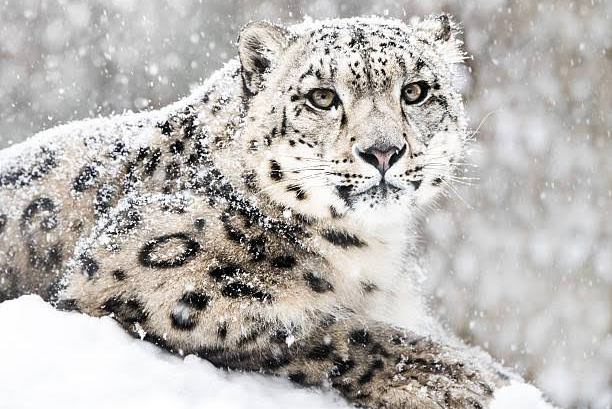
The snow leopard, often called the ghost of the mountains, is among the most elusive big cats in the world and a flagship species for Himalayan conservation. India hosts one of the most significant populations of this species globally, but the numbers remain extremely small and fragile. The first nationwide scientific assessment carried out under the Snow Leopard Population Assessment in India programme estimated that the country is home to 718 snow leopards, spread across the Himalayan states and union territories.
Within this landscape, Ladakh holds the largest share of the population with around 477 individuals, making the region one of the most important habitats for the species in the world. Earlier estimates from fragmented surveys a decade ago suggested roughly 500 to 600 snow leopards across India, highlighting both the rarity of the species and the lack of systematic monitoring until recently. Even today, conservationists caution that the population remains vulnerable due to habitat degradation, climate change, retaliatory killings linked to livestock predation and increasing human activity in fragile mountain ecosystems.
Globally, scientists estimate that only 4,000 to 6,500 snow leopards remain in the wild across 12 countries, making the species one of the most threatened large predators of the high mountain ecosystems.
Yet the region’s ecological balance remains extremely fragile. Ladakh’s cold desert ecosystem is characterised by low oxygen levels, harsh winters, sparse vegetation and highly sensitive habitats. Even minor disturbances in such environments can disrupt the delicate balance between wildlife, pastoral communities and the natural landscape.
This is where the Army’s presence becomes particularly significant. With troops stationed across remote border posts and high altitude terrain, the Indian Army remains one of the most constant institutional presences in the region. The new collaboration recognises this ground reality and turns it into an opportunity for conservation by integrating environmental awareness and wildlife protection into the operational ecosystem of the forces stationed there.
Institutional Collaboration for Biodiversity
A key component of the agreement is the creation of a Joint Snow Leopard Conservation Cell that will facilitate coordination between the Army and the Ladakh Forest Department. The initiative is expected to strengthen wildlife monitoring, improve data collection in remote areas and support conservation planning in some of the most inaccessible habitats in the country.
The conservation effort extends beyond a single species. The initiative also aims to protect several other high altitude species such as the Himalayan wolf, Siberian ibex, Bharal, Himalayan marmots and the endangered Black-necked crane. These animals form an interconnected ecological network in the trans Himalayan landscape, and protecting them collectively is essential for maintaining ecological balance.
Why This Matters for CSR and ESG
While the initiative is led by public institutions, it highlights an important shift in how conservation is being approached in India. Protecting fragile ecosystems increasingly requires multi stakeholder collaboration involving government bodies, security forces, research institutions, civil society organisations and corporate actors.
In Ladakh, development pressures are steadily rising. Infrastructure expansion, unmanaged tourism and climate induced changes are beginning to reshape the ecological landscape. These trends make it critical to integrate sustainability considerations into development planning.
For corporate CSR and ESG programmes, the region presents an opportunity to support conservation linked livelihood models, wildlife monitoring initiatives, community engagement programmes and climate resilient infrastructure. Corporate participation in such initiatives can help strengthen local conservation efforts while aligning with broader environmental commitments.
A Template for Borderland Conservation
The collaboration between the Indian Army and the Ladakh Forest Department demonstrates how conservation can be embedded within institutional frameworks that traditionally operate outside the environmental sector. In a country where several biodiversity rich landscapes coincide with strategic border regions, this approach offers a promising model.
By combining the operational presence of defence forces with scientific expertise from conservation agencies, India can build stronger mechanisms to protect vulnerable ecosystems. In Ladakh’s stark and dramatic terrain, where both geopolitics and ecology shape everyday realities, the snow leopard now stands at the centre of a new and evolving conservation partnership.