Reliance Foundation Drishti Braille Newspapers to Go Weekly
Mumbai | October 13, 2026: Reliance Foundation’s Drishti programme will increase the publication frequency of its Hindi and Marathi Braille newspapers from fortnightly to weekly, providing people with visual impairments more frequent access to news, current affairs and other information.
Published in partnership with the National Association for the Blind (NAB) India, the newspapers are described by Reliance Foundation as India’s only registered fortnightly international Braille newspapers in Hindi and Marathi. The publications have a combined readership of more than 30,000, and the move to weekly editions is expected to extend their reach.
Initiated in 2003, Reliance Foundation Drishti focuses on vision care, access to eye treatment and awareness about eye donation. Through partnerships with NAB India, Sankara Eye Foundation and Aravind Eye Care System, the programme works to address preventable and treatable vision loss, particularly among underserved communities.
According to Reliance Foundation, the programme has reached more than two lakh people through its various services since inception. Its interventions include free eye consultations, provision of spectacles and corneal transplants. The Foundation also reported that its partnership efforts have helped restore sight to more than 22,500 people over the past two decades.
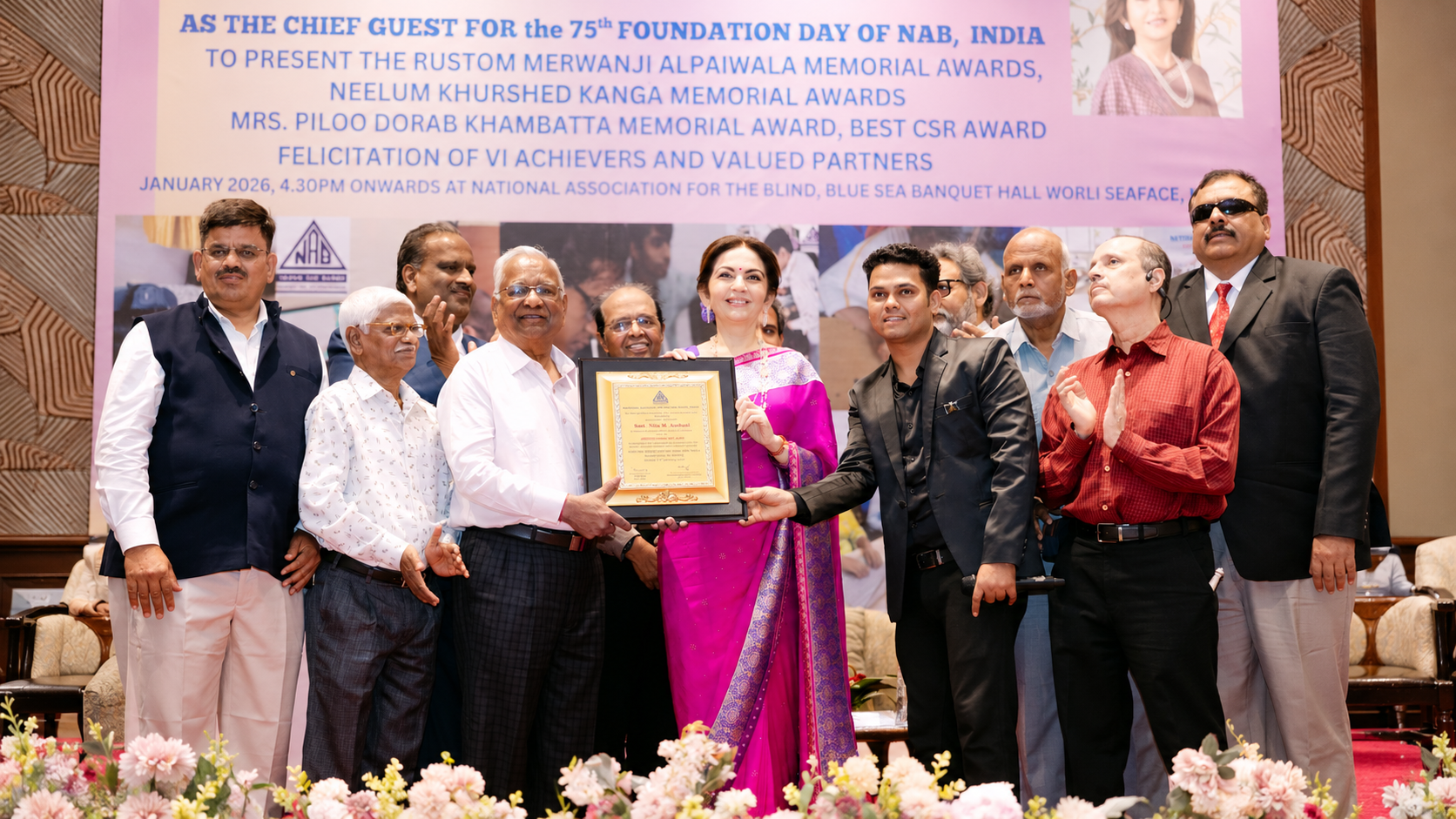
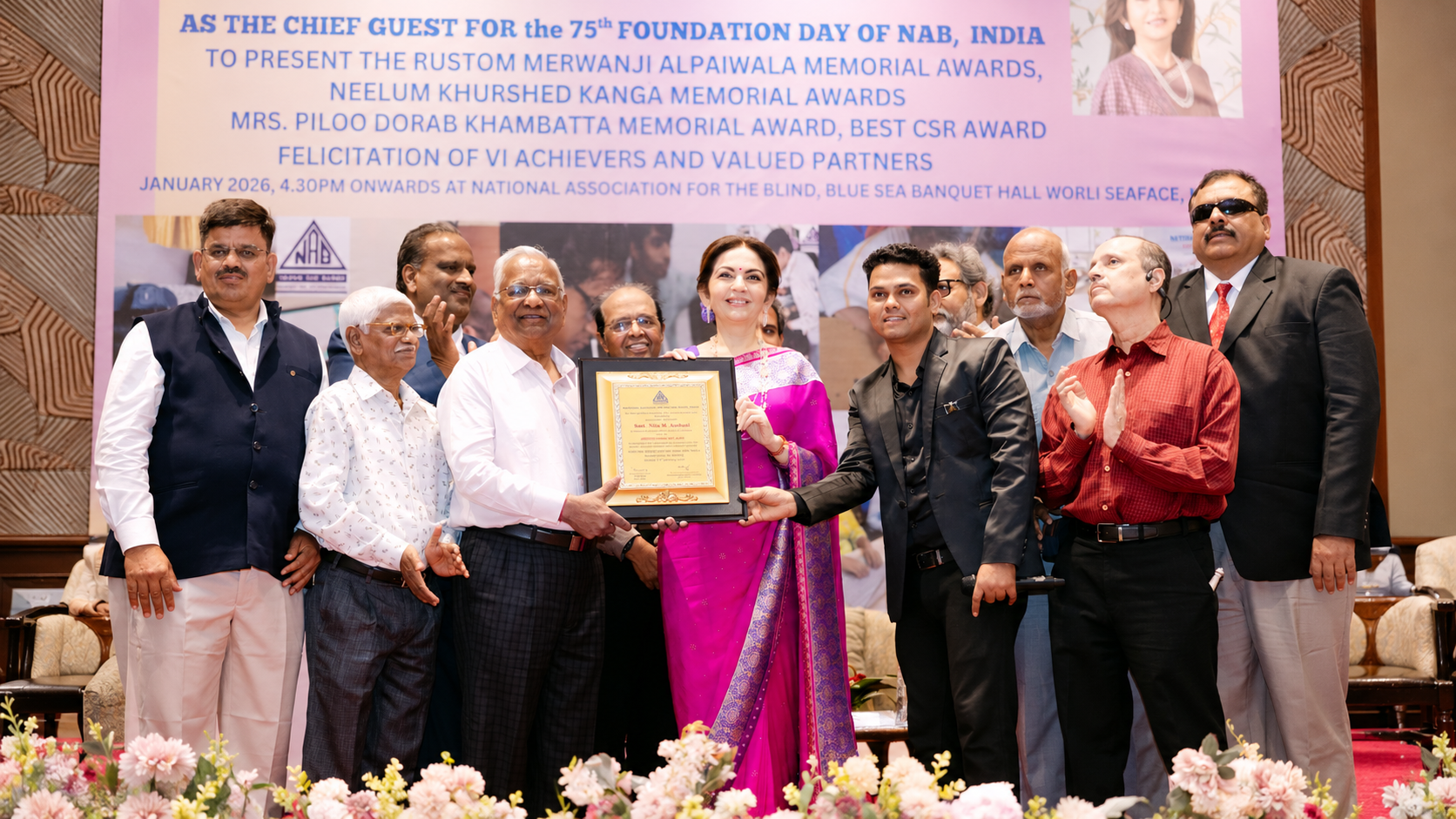
In January 2026, Smt. Nita M. Ambani, Founder and Chairperson, Reliance Foundation, announced a funding commitment of ₹5 crore at the 75th Foundation Day celebration of NAB India in Mumbai.
The move to weekly publication is intended to improve the regularity of accessible news and information for readers with visual impairments. The newspapers form part of the Foundation’s broader work on vision health and inclusion.
By expanding the frequency of its Braille publications alongside its eye-care initiatives, Reliance Foundation Drishti aims to improve access to information and support the participation of people with visual impairments in society.